Ailments and Health • CLINICAL PROTOCOL

Insulin resistance

Personalized, evidence-based nutrition guidelines (EBM) dedicated to Insulin resistance. Balanced macronutrients, micronutrition, and elimination of pro-inflammatory factors.

Insulin resistance
HOW TO START

It's Easy to Start Today!

Eat Healthy

Precisely selected nutrients supporting metabolic balance and tissue regeneration.

Workout Hard

Physical activity safely tailored to your clinical conditions and baseline endurance.

Enjoy Your Life

Psychoemotional balance, restful sleep, and stress reduction as indispensable pillars of recovery.

SERVICES & PROTOCOLS
Personal Health Program

Personal Health Program

Dedicated medical nutrition therapy and dietary protocols for Insulin resistance.

Personal Fitness Trainer

Personal Fitness Trainer

Tailored workout plan and physical exercise supporting therapy.

Wellness Counseling

Wellness Counseling

Specialist support and continuous monitoring of health progress.

Diet Programs

Diet Programs

Precise calculation of BMR, TDEE, and micronutrient balance.

Refreshing Citrus Background
FREE RECOMMENDATIONS

Change Your Health in One Day!

Special Program for Sensitive Nutrition
POPULAR PROGRAMS & CLINICAL PROTOCOLS

Special Program for Sensitive Nutrition

Individually formulated nutrition protocols for individuals managing specific metabolic and allergic requirements in Insulin resistance.

Allergen exclusion, gut microbiota support, and optimization of carbohydrate-lipid metabolism.

8
Programs
161
Happy Customers
7
Awards
117
Success Stories

Other Groups in Category: Ailments and Health

Articles and Guides in — Insulin resistance

Publications, recommendations, and clinical analysis in Insulin resistance

29 publications
Cooking and Baking for Diabetics (Part 5): Homemade Baked Goods, Low-Fat Cakes, Types of Flours, and Baking with Sweeteners

Cooking and Baking for Diabetics (Part 5): Homemade Baked Goods, Low-Fat Cakes, Types of Flours, and Baking with Sweeteners

Home baking puts you in complete control of fat quality, flour fiber, and sweetness. Unlike outdated diabetic cakes made with heavy doses of fructose or sorbitol—which turned pastries soggy and left a flat aftertaste—modern recipes pair modest sugar with heat-stable sweeteners and dark flours so seamlessly that guests never suspect they are eating 'diabetic' cake. Part 5 concludes our clinical series with dough selection, baking fats, step-by-step whole-grain flour conversion, and portion rules.

Cooking and Baking for Diabetics (Part 4): Guilt-Free Sweets and Desserts and Sweetener Dosing

Cooking and Baking for Diabetics (Part 4): Guilt-Free Sweets and Desserts and Sweetener Dosing

A preference for sweetness is innate from birth, yet ultra-sweet processed foods—and overly sweet legacy 'diabetic chocolates'—have dulled modern palates. Today's clinical diabetes nutrition replaces rigid sugar bans (which routinely triggered rebound binge cravings) with mindful, moderately sweetened homemade desserts. Part 4 details how to lower your sweetness threshold, dose sweeteners accurately, apply the three golden rules of 'packaged' sugar, and prepare the book's Buttermilk Waffles with Fruit Salad.

Cooking and Baking for Diabetics (Part 3): Organized Kitchen, Low-Carb Vegetables, and Quick Techniques

Cooking and Baking for Diabetics (Part 3): Organized Kitchen, Low-Carb Vegetables, and Quick Techniques

Gone are the days when diabetic meals required tedious, separate preparation away from the family table. With smart staple selection, a strategic pantry and freezer, and a simple weekly meal plan, wholesome blood-sugar-friendly dishes come together in minutes. Part 3 of our clinical series translates the book's practical kitchen organization, batch-cooking workflow, meal-spacing rules, and rapid cooking methods into daily practice.

Cooking and Baking for Diabetics (Part 2): Carbohydrates KH-P, vegetable oil profile, protein, and sweeteners

Cooking and Baking for Diabetics (Part 2): Carbohydrates KH-P, vegetable oil profile, protein, and sweeteners

A steady meal rhythm gives you daily confidence, reliable energy for work and exercise, and medication safety—anchored by at least three balanced meals every day, even during weight loss. Part 2 of our clinical series from Kochen & Backen für Diabetiker explores high-fiber carbohydrates, compares the exact fatty acid profiles of six culinary plant oils, outlines protein, hydration, and hypoglycemia protection around alcohol, and highlights digestive tolerances (sugar alcohol GI effects and the PKU contraindication for aspartame).

Cooking and Baking for Diabetics (Part 1): Picture of the Disease, Insulin Resistance, BMI, and Weight Loss

Cooking and Baking for Diabetics (Part 1): Picture of the Disease, Insulin Resistance, BMI, and Weight Loss

A new diagnosis of diabetes naturally brings questions about everyday family meals. Fortunately, modern clinical guidelines from the European Association for the Study of Diabetes (EASD) and the German Diabetes Association (DDG) offer reassuring clarity: diabetic nutrition is never a lonely diet of deprivation, but a vibrant, flavorful household cuisine paired with enjoyable physical activity that restores muscle insulin sensitivity. Part 1 walks you calmly and practically through insulin action, Type 1 vs. Type 2 diabetes, medication-safe carbohydrate portions (1 KH-P = 10–12 g), BMI evaluation, and sustainable fat-smart weight loss.

Skipping breakfast and late dinners – how meal pattern disturbances lead to metabolic syndrome

Skipping breakfast and late dinners – how meal pattern disturbances lead to metabolic syndrome

Modern fast-paced routines lead millions of individuals to rush through mornings fueled solely by black coffee, shifting primary caloric intake to late evening hours. Groundbreaking research in chrononutrition – the study of metabolic interactions with internal circadian clocks – demonstrates that this pattern severely dysregulates glucose and lipid homeostasis. This monograph explores the pathophysiological underpinnings of metabolic syndrome, hepatic steatosis driven by nocturnal nutrient excess, and circadian-aligned time-restricted feeding protocols.

Mushrooms – nutritional properties, culinary uses, and effect on digestion: can they burden the digestive system?

Mushrooms – nutritional properties, culinary uses, and effect on digestion: can they burden the digestive system?

White button mushrooms (Agaricus bisporus) are the world's most widely cultivated edible fungi, combining rich nutritional attributes with culinary versatility. They provide highly bioavailable proteins, B-complex vitamins, selenium, and bioactive beta-glucans. Due to structural fungal chitin in their cell walls, thorough culinary thermal processing is required to optimize gastrointestinal tolerability.

Cereal bran (byproducts of grain milling) – production technology, nutritional profile, properties, and classification

Cereal bran (byproducts of grain milling) – production technology, nutritional profile, properties, and classification

This frequently overlooked byproduct generated during the transformation of cereals into flour represents a valuable reservoir of essential nutrients required by the human body to sustain optimal physiological function. Beyond the fibrous fraction—a critical component that promotes healthy intestinal motility and supports gut microbiome equilibrium—these industrial residuals contain substantial quantities of micro- and macronutrients, a spectrum of B-complex vitamins, and antioxidant compounds. Systematic incorporation of these residues into dietary patterns may contribute to mitigating the risk of metabolic disorders, including hypercholesterolemia, hypertension, and insulin resistance, while also facilitating weight management through enhanced satiety perception coupled with relatively low caloric density.

Systematic strategies for reducing high-fat foods in the daily diet – a practical guide based on scientific evidence

Systematic strategies for reducing high-fat foods in the daily diet – a practical guide based on scientific evidence

For decades, dietary lipids were broadly stigmatized as a monolithic driver of obesity and coronary artery disease. Contemporary clinical nutrition strictly differentiates cardioprotective unsaturated fatty acids from atherogenic trans isomers and excess saturated fats. Nonetheless, in specific medical conditions—including chronic pancreatitis, cholelithiasis, post-cholecystectomy states, gastroesophageal reflux disease (GERD), and severe hypertriglyceridemia—a structured, evidence-based reduction in total dietary fat intake remains a cornerstone of medical nutrition therapy.

Alternative sources of sweetness – stevia, xylitol, honey, agave syrup, and licorice root as substitutes for white sugar

Alternative sources of sweetness – stevia, xylitol, honey, agave syrup, and licorice root as substitutes for white sugar

Excessive consumption of refined table sugar (sucrose) constitutes a primary driver of the modern epidemics of metabolic syndrome, dental caries, non-alcoholic fatty liver disease, and type 2 diabetes. Consequently, natural sweetening alternatives have garnered substantial clinical interest. This guide provides an evidence-based comparative evaluation of five prominent sugar substitutes: xylitol (polyol), stevia (steviol glycosides), raw bee honey, agave nectar, and licorice root (glycyrrhizin), assessing glycemic indices, caloric densities, prebiotic properties, and metabolic safety profiles.

The Role of Fluids and Food Products in Ensuring Optimal Body Hydration

The Role of Fluids and Food Products in Ensuring Optimal Body Hydration

From a nutritional science perspective, both the volume and the nature of consumed fluids play a pivotal role, as they can exert either beneficial or detrimental effects on health status. Inadequate water intake—whether in terms of quantity or quality—may disrupt water-electrolyte balance and thereby contribute to the development of diet-related disorders. The most common consequences include excess body weight, obesity, insulin resistance leading to type 2 diabetes, gastrointestinal dysfunction, dental caries, and cardiovascular pathologies, which are frequently rooted in impaired fluid regulation.

What liquids can sabotage the weight loss process? A complete guide to drinks detrimental to body mass reduction

What liquids can sabotage the weight loss process? A complete guide to drinks detrimental to body mass reduction

The systematic reduction of adipose tissue represents a multifaceted endeavor that demands not only discipline in dietary habits and exercise regimens but also a mindful approach to daily fluid intake. While most individuals focus primarily on the caloric content of meals and the intensity of physical activity, the impact of various beverages on metabolic function, blood glucose levels, and even satiety is frequently overlooked. Yet, poor choices in this domain can not only impede progress in weight management but may also contribute to more serious health complications, including insulin resistance and chronic inflammatory conditions. In the following analysis, we will examine in detail which liquids should be excluded from one’s diet—and explain why their consumption may hinder the attainment of long-term objectives in body composition optimization.

White mullein – characteristics, uses, and health benefits: tea and drinks from mullein leaves and fruits in metabolic prevention

White mullein – characteristics, uses, and health benefits: tea and drinks from mullein leaves and fruits in metabolic prevention

White mulberry (Morus alba) is an esteemed botanical in Asian integrative medicine, recognized for its metabolic regulatory capacity over carbohydrate and lipid pathways. The most potent bioactive constituent localized within mulberry leaves is 1-deoxynojirimycin (DNJ)—a polyhydroxylated piperidine alkaloid acting as a potent competitive inhibitor of intestinal alpha-glucosidase enzymes. This clinical review evaluates the postprandial glucose-lowering mechanisms of leaf teas, the antioxidant density of the sweet syncarpous fruits, and practical protocols for metabolic syndromic control.

Metabolic Balance – principles, health benefits, reviews, and individual nutrition plan

Metabolic Balance – principles, health benefits, reviews, and individual nutrition plan

The Metabolic Balance nutritional program represents a holistic approach designed not merely to facilitate weight management but, more critically, to enhance metabolic efficiency and overall physiological well-being. Clinical nutritionists and dietary practitioners consistently highlight its efficacy in alleviating symptoms associated with diet-related conditions, including but not limited to insulin resistance, inflammatory joint disorders, chronic vascular headaches, metabolic dysfunctions, and elevated blood pressure. A customized meal plan, grounded in the empirically validated principles of this system, fosters not only the restoration of energetic equilibrium but also a marked improvement in both mental and physical vitality—delivering tangible benefits across all age demographics and thereby contributing to a sustained elevation in quality of life.

Watermelon – a natural source of valuable vitamins and minerals for body health

Watermelon – a natural source of valuable vitamins and minerals for body health

Watermelon represents a rich and bioavailable source of vital vitamins and minerals that play an indispensable role in sustaining the body’s physiological equilibrium. Its nutritional profile encompasses a broad spectrum of B-complex vitamins—including thiamine, riboflavin, and niacin—as well as vitamins A (present as beta-carotene), C (ascorbic acid), D (cholecalciferol), E (tocopherol), vitamin PP (niacin), and folic acid (folacin), the latter being particularly critical for prenatal development. In terms of trace elements, watermelon is distinguished by its substantial content of calcium (essential for skeletal and dental health), potassium (a key regulator of blood pressure), iron (which prevents anemia), iodine (crucial for thyroid function), magnesium (known for its stress-alleviating properties), and phosphorus (which facilitates energy metabolism). Furthermore, watermelon is abundant in pectins—soluble fiber fractions—and insoluble dietary fiber, which collectively enhance intestinal motility, promote detoxification by binding and eliminating metabolic waste, and provide a prolonged sensation of fullness. With its remarkably low caloric density (approximately 30–38 kcal per 100 g of flesh) and water content exceeding 90%, watermelon is an optimal component of weight-management diets, offering satiety and hydration without significantly impacting caloric intake. Its diuretic properties, attributed to the presence of citrulline and high potassium levels, facilitate the expulsion of excess interstitial fluid, thereby contributing not only to weight reduction but also to the refinement of body contours through the alleviation of edema. However, it is important to note that, like most fruits, watermelon contains a considerable amount of natural sugars (primarily fructose), which renders it less suitable for regular consumption by individuals with insulin resistance, type 2 diabetes, or other carbohydrate metabolism disorders.

Fetal macrosomia – etiopathogenesis, long-term consequences, and clinical management strategies during the prenatal and perinatal periods

Fetal macrosomia – etiopathogenesis, long-term consequences, and clinical management strategies during the prenatal and perinatal periods

Fetal macrosomia, clinically defined as birth weight exceeding 4000 g or 4500 g regardless of gestational age, represents a critical clinical challenge in obstetrics and perinatology. The predominant pathophysiological driver is maternal hyperglycemia (gestational or pregestational diabetes) alongside pre-pregnancy maternal obesity, provoking fetal hyperinsulinemia and excessive somatic adipose accumulation. This clinical overview details the etiopathogenesis of macrosomia, ultrasound diagnostic predictive values, intrapartum complications (shoulder dystocia, perineal trauma), and prenatal medical nutritional therapy.

Al dente spaghetti from durum wheat – nutritional value analysis and effect on glucose metabolism

Al dente spaghetti from durum wheat – nutritional value analysis and effect on glucose metabolism

Durum wheat spaghetti (Triticum durum), boiled strictly according to traditional Italian al dente specifications, represents the gold standard of healthy carbohydrate nutrition. Genetically distinct from soft common wheat, durum wheat yields superior protein density, a compact crystalline endosperm, and abundant yellow carotenoid pigments (lutein). The tight mechanical entrapment of starch granules within an intact protein network ensures whole-grain durum spaghetti exhibits an impressively low glycemic index (GI = 35–40).

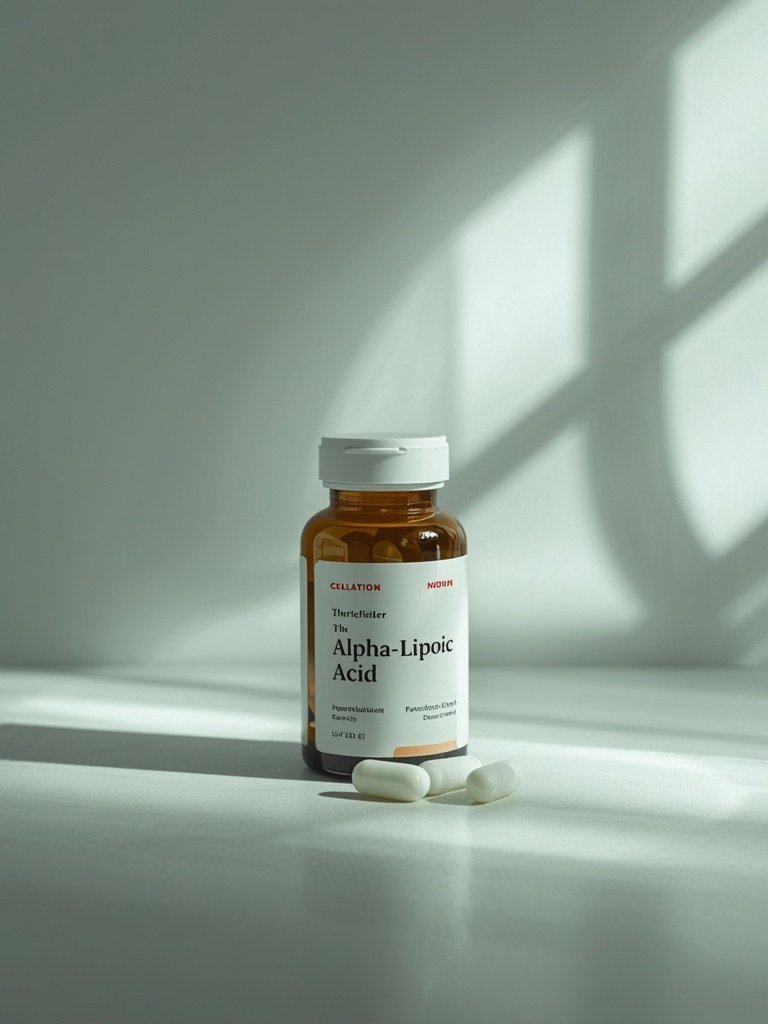
Alpha-lipoic acid: available preparations, potential side effects, and market price analysis

Alpha-lipoic acid: available preparations, potential side effects, and market price analysis

Alpha-lipoic acid (thioctic acid, ALA) plays a pivotal role in cellular bioenergetics and serves as an established adjunctive therapeutic agent in metabolic disorders, including type 2 diabetes mellitus, insulin resistance, and diabetic polyneuropathy. Functioning as a unique amphiphilic antioxidant, it protects both lipid membranes and aqueous intracellular compartments. This comprehensive guide reviews clinical efficacy, safety profiles, contraindications, pharmaceutical formulations, and market availability.

Glycemic Control Diet – Principles, Glycemic Index, and Meal Plan

Glycemic Control Diet – Principles, Glycemic Index, and Meal Plan

Maintaining optimal blood glucose regulation is fundamental in the management and prevention of insulin resistance, type 2 diabetes, polycystic ovary syndrome (PCOS), and visceral obesity. Learn the principles of constructing low glycemic load meals, discover culinary techniques that blunt glycemic spikes, and stabilize your daily energy levels.

The Ketogenic Diet in Light of Evidence-Based Medicine (EBM) – Biochemistry of Ketosis, Benefits, Risks, and Expert Opinions

The Ketogenic Diet in Light of Evidence-Based Medicine (EBM) – Biochemistry of Ketosis, Benefits, Risks, and Expert Opinions

The ketogenic diet continues to generate intense scientific and public interest for both body composition management and clinical disease therapy. While nutritional ketosis holds proven therapeutic efficacy in drug-resistant epilepsy and short-term glycemic control, poorly formulated high-saturated-fat protocols carry significant risks—including atherogenic dyslipidemia (elevated LDL-C and ApoB), gut microbiome depletion, and nephrolithiasis.This comprehensive evidence-based review examines the biochemistry of hepatic ketogenesis and beta-hydroxybutyrate (BHB), evaluates metabolic ward weight-loss trials, outlines the Mediterranean Ketogenic framework, lists absolute medical contraindications, and details a safe carbohydrate re-introduction protocol.

Ketogenic diet – basics and principles of its use

Ketogenic diet – basics and principles of its use

In recent times, various protein- and fat-based dietary approaches have emerged, though some have faced criticism regarding their health benefits and effectiveness. One such method that stands out is the cyclical ketogenic diet. For years, it has been utilized in the treatment of conditions like Alzheimer's disease and epilepsy, and today, it demonstrates notable success in addressing insulin resistance and obesity.

Gestational diabetes: diagnosis, risks, and prediabetes during pregnancy

Gestational diabetes: diagnosis, risks, and prediabetes during pregnancy

Metabolic processes related to carbohydrate metabolism, along with adaptive disturbances in the pregnant woman's body, combined with progressive insulin resistance in later pregnancy stages, constitute the foundation for gestational diabetes development.[1] Despite incomplete clarification of this condition's epidemiology, GDM has emerged as the most common metabolic complication during pregnancy in recent years.

Insulin resistance – what to eat? Meal plan and recipes for people with insulin resistance

Insulin resistance – what to eat? Meal plan and recipes for people with insulin resistance

Insulin Resistance is a disorder that has recently affected a growing number of individuals. The frequency of Insulin Resistance diagnoses is increasing with the deterioration of the affected individuals' quality of life. It is presumed that improper diet, excessive stress, insufficient physical activity, and abdominal fat are the primary factors contributing to the development of this disorder. Although Insulin Resistance is not a separate disease, it should not be underestimated, as it provides a basis for the development of serious health issues.

The effect of overweight on blood pressure

The effect of overweight on blood pressure

Excessive body weight is a significant predictor of the development of hypertension. It is estimated to affect nearly 800 million people worldwide, and according to research conducted in Poland, the problem of excessive body weight affects more than half of Poles. Excess weight and obesity not only contribute to the development of hypertension but can also lead to the onset of type 2 diabetes, insulin resistance, and hypercholesterolemia. Reducing body weight and adhering to a few nutritional recommendations can significantly reduce the risk of developing these diseases.

Insulin resistance – comprehensive knowledge

Insulin resistance – comprehensive knowledge

In present times dominated by accelerated lifestyles, excessive stress, easy access to unhealthy foods, and a lack of time for physical activity, we increasingly encounter disturbances of carbohydrate metabolism – the number of type 2 diabetes cases is on the rise. However, other conditions that are less severe but can lead to type 2 diabetes are also diagnosed – one of them is insulin resistance, which affects 10 to 30% of the population.

Insulin resistance – what does it mean?

Insulin resistance – what does it mean?

Diabetes is impacting a growing number of individuals. Inappropriate diet, unhealthy eating habits, and a fast-paced lifestyle are factors that negatively affect our health. Insulin insensitivity is a civilized disease that leads to type 2 diabetes, which means it is entirely reversible. In this article, I will discuss the causes and consequences of insulin insensitivity, as well as ways in which we can manage it.

Glycemic Index – what is it and how to use it?

Glycemic Index – what is it and how to use it?

In the case of disorders of carbohydrate metabolism, such as insulin resistance or type 2 diabetes, it is recommended to follow a diet based on a low index and high glycemic load... However, these indicators only take into account blood glucose levels... But what is the insulin index? What is its connection to insulin resistance and type 2 diabetes? Which products have a high insulin index?

Nutrition and supplementation in the case of Polycystic Ovary Syndrome (PCOS)

Nutrition and supplementation in the case of Polycystic Ovary Syndrome (PCOS)

Polycystic ovary syndrome (PCOS) is currently one of the most common endocrine disorders in women of childbearing age. PCOS is usually accompanied by insulin resistance, lipid and carbohydrate metabolism disorders, which suggests that appropriate dietary therapy may be necessary. Answers to these questions can be found in the following article: Is it worth paying attention to supplementation as well? Which diets are a good choice?

Type 3 Diabetes - explanation, causes, symptoms and diagnosis

Type 3 Diabetes - explanation, causes, symptoms and diagnosis

For the body to function properly, it is critical to maintain the balance of all metabolic processes. One of the most important elements in this regard is the carbohydrate economy, which unfortunately is increasingly being overlooked by people, mainly due to an unhealthy and stressful lifestyle. This leads to various disorders and ailments, including the most common insulin resistance and the resulting type 2 diabetes. There is also a lesser-known form of secondary diabetes that can lead to serious consequences.

Share