WELCOME & NUTRITION SUPPORT

Regeneration and Natural Therapies

It's a familiar story: You pledge to honor a daily elliptical routine and count every last calorie. But soon, you're eating cupcakes at the office and grabbing happy hour drinks, thinking, 'Oops, diet over.'

I've helped people exactly like you – smart, ambitious, put together – figure out the one thing that eludes them: Their ideal weight and long-term metabolic health. If you're like lots of people I help, you don't like restrictive rules, feel tired often, have tried working out and cutting calories, but need a truly sustainable clinical approach.

Fresh organic green produce in heart shape
HOW TO START

It's Easy to Start Today!

Eat Healthy

Eating habits should be regulated and controlled – only natural organic food will make our body healthy and strong.

Workout Hard

Diet is not the only ingredient of a long happy life. Physical exercise is also important for your health and vitality.

Enjoy Your Life

See how your life becomes a pleasant adventure, full of bright colors and fun activities with sustainable energy.

SERVICES
Personal Health Program

Personal Health Program

It does not matter if you want to lose weight, build lean muscle, or simply improve overall longevity and vitality.

Personal Fitness Trainer

Personal Fitness Trainer

A professional personal training and activity program created specifically with you and your individual goals.

Wellness Counseling

Wellness Counseling

We will be focused and working with you privately every step of the way to achieve permanent habit changes.

Diet Programs

Diet Programs

Healthy eating is one of the best things you can do to prevent and manage chronic health and metabolic problems.

Refreshing Citrus Background
FREE RECOMMENDATIONS

Change Your Health in One Day!

Special Program for Pregnant Women
POPULAR PROGRAMS & CLINICAL PROTOCOLS

Special Program for Pregnant Women

Pregnancy, infancy and early childhood are periods of rapid physiological growth and development. Insufficient nutrition during these critical growth and developmental periods places health and vitality at risk.

As a result, our clinical protocols educate and support pregnant and postpartum women about the importance of balanced micronutrition, gentle exercise, and allergen safety to ensure vibrant health for both mother and child.

8
Programs
161
Happy Customers
7
Awards
117
Success Stories

Subcategories & Topics:

10 areas

Dedicated Articles and Guides

Scientific papers, diet templates, and recommendations in Regeneration and Natural Therapies

30 publications
What to eat in the evening: list of recommended and forbidden foods for dinner – rules for healthy eating before sleep

What to eat in the evening: list of recommended and forbidden foods for dinner – rules for healthy eating before sleep

Dinner is arguably surrounded by more persistent nutritional myths than any other daily meal—ranging from arbitrary curfews such as never eating after 6:00 PM to severe nocturnal fasts that inevitably prompt midnight refrigerator binges. Chronobiology and metabolic science conclusively demonstrate that what matters most is not an inflexible clock time, but macronutrient balance and digestibility relative to bedtime. A well-planned dinner supports overnight cellular repair, facilitates melatonin synthesis, stabilizes nocturnal glycemia, and avoids gastrointestinal strain for deep restorative sleep.


Clinical Psychology: A Comprehensive Compendium of Research, Diagnostic Methods, and Career Perspectives

Clinical Psychology: A Comprehensive Compendium of Research, Diagnostic Methods, and Career Perspectives

Clinical psychology stands as one of the most prominent, rigorous, and rapidly advancing branches of applied psychology, dedicated to the scientific assessment, diagnosis, prevention, and evidence-based treatment of psychiatric, emotional, and behavioral disorders. Integrating empirical psychological science with clinical healthcare practice, it investigates the root mechanisms of psychological suffering to cultivate sustainable human flourishing and psychological resilience. Spanning neuropsychological assessment, psychotherapeutic interventions for mood and anxiety disorders, and psychosomatic health psychology, it represents an essential cornerstone of contemporary mental healthcare.

Psychodietetics: A holistic approach to lasting habit change and a harmonious relationship with food

Psychodietetics: A holistic approach to lasting habit change and a harmonious relationship with food

Psychodietetics is an interdisciplinary field integrating clinical nutrition, health psychology, psychotherapy, and behavioral neuroscience. It developed as an evidence-based response to the chronic failure of conventional diet culture, which relies on rigid meal plans, obsessive caloric accounting, and punitive rules. Psychodietetics acknowledges that humans are emotional beings; what we consume is inseparable from our cognitive schemas, emotional regulation capacities, interpersonal dynamics, and self-worth. Rather than merely prescribing what to eat, psychodietetic interventions investigate why, when, and how we eat, restoring a flexible, balanced, and sustainable relationship with food.

Factors, diagnostic methods, and therapies for male infertility: andrology, lifestyle, and diet therapy

Factors, diagnostic methods, and therapies for male infertility: andrology, lifestyle, and diet therapy

Couple infertility is clinically defined by the failure to achieve clinical pregnancy after 12 months of regular, unprotected sexual intercourse. Modern reproductive medicine demonstrates that male factor infertility contributes solely or in combination to approximately 50% of all infertility cases. Epidemiological data highlight a concerning, secular decline in global semen parameters over recent decades. While congenital anatomical defects and chromosomal abnormalities represent established etiologies, environmental pollutants, endocrine-disrupting chemicals (EDCs), systemic oxidative stress, obesity, and micronutrient-depleted diets play substantial roles in impaired spermatogenesis.

Abdominal hernia – recognizing symptoms, surgical treatment methods, and dietary recommendations during the recovery period

Abdominal hernia – recognizing symptoms, surgical treatment methods, and dietary recommendations during the recovery period

The anatomical structures of the abdominal cavity, including the muscular wall and ligamentous support, play a vital role in maintaining internal organs in their physiological positions. An abdominal hernia develops when increased intra-abdominal pressure—triggered by strenuous physical exertion, chronic coughing, or persistent constipation—forces an organ fragment or adipose tissue through a weakened area of the abdominal wall. This condition carries significant health hazards, particularly the risk of incarceration or strangulation with compromised blood supply, demanding prompt clinical evaluation, surgical intervention, and appropriate dietary support.

The most popular digital tools supporting physical activity and health and wellness

The most popular digital tools supporting physical activity and health and wellness

Contemporary mobile solutions have become indispensable facilitators of daily routines, enabling efficient weight management, meticulous dietary habit tracking, and consistent motivation for physical engagement. However, when faced with the task of selecting such instruments to complement one’s lifestyle, which options merit consideration? This comprehensive examination explores the five preeminent applications within the realms of physical fitness and health maintenance—each accessible without financial obligation to users of Android-powered devices—while enjoying widespread acclaim among both professionals in the field and advocates of health-conscious living.

Psychological challenges associated with the weight loss process. Comprehensive preparation for effective weight reduction

Psychological challenges associated with the weight loss process. Comprehensive preparation for effective weight reduction

What accounts for the disparity wherein certain individuals achieve remarkable progress in a short span, while others grapple with even the most modest weight loss? The explanation lies in adopting a holistic health perspective—human physiology operates as an integrated system where dysfunction in one domain can destabilize the entire organism. Effective weight reduction demands more than dietary adjustments; it necessitates a profound transformation of habits, mindsets, and meticulous attention to psychological equilibrium. Overlooking the mental health dimension may result in frustration, burnout, or even abandonment of goals, despite initial advancements in nutrition or physical activity.

Regeneration process and comprehensive support for joint health at different life stages and activity levels

Regeneration process and comprehensive support for joint health at different life stages and activity levels

The human articular system is a sophisticated biomechanical apparatus whose structural integrity governs functional mobility and overall quality of life. Articular cartilage, ligaments, joint capsules, and synovial fluid constantly absorb compressive and shearing forces generated by daily ambulation and athletic loading. Joint pain is by no means an exclusive ailment of the elderly; it increasingly burdens sedentary desk workers, adolescents, and competitive athletes alike. Resolving musculoskeletal discomfort necessitates a multifaceted therapeutic paradigm that integrates biomechanical load management with targeted anti-inflammatory nutrition, chondroprotection, and cartilage remodeling support.

The most effective and most popular forms of physical activity – results analysis, diversification, and comparison of training methods

The most effective and most popular forms of physical activity – results analysis, diversification, and comparison of training methods

Contemporary fitness centers offer an extensive spectrum of training modalities designed to reshape body composition, enhance cardiorespiratory endurance, and support healthy weight management. Innovative exercise paradigms, biomechanical adaptations, and variations of classic protocols emerge continuously across the athletic landscape. The rapid evolution of fitness trends requires practitioners to understand the physiological demands of each discipline to select an optimal regimen. Choosing the most suitable training modality represents a critical step, especially for beginners seeking a safe and sustainable path toward improved cardiovascular health and physical conditioning.

Probiotics under the microscope: definition, mechanisms of action, and clinical applications

Probiotics under the microscope: definition, mechanisms of action, and clinical applications

Probiotics, defined as live microorganisms that confer health benefits when administered in adequate amounts, are increasingly recognized for their therapeutic and preventive potential. However, before integrating them into clinical practice, it is essential to clarify: Which specific bacterial strains qualify as probiotics? In which clinical conditions is their administration supported by robust scientific evidence? And when do absolute or relative contraindications exist—particularly considering individual physiological predispositions and potential drug interactions?

Night work and its impact on fertility

Night work and its impact on fertility

Night shift work imposes profound physiological stress, disrupting endogenous circadian rhythms through erratic sleep patterns, nocturnal blue-light exposure, and misaligned eating windows. These desynchronizations profoundly impact neuroendocrine signaling, with robust epidemiological evidence linking circadian disruption to diminished reproductive health in both males and females. This clinical review explores the underlying pathophysiology and outlines evidence-based countermeasures to mitigate fertility risks associated with shift work.

Intermittent Fasting – definition, mechanisms of action, and scientific basis of a dietary strategy based on time-restricted food intake

Intermittent Fasting – definition, mechanisms of action, and scientific basis of a dietary strategy based on time-restricted food intake

In an era where evidence-based nutrition and sustainable body composition management dominate health discourse, intermittent fasting (IF) has emerged as one of the most scientifically validated dietary paradigms. Unlike traditional calorie-restrictive diets or macronutrient-exclusion protocols, IF shifts focus to temporal eating patterns, optimizing metabolic flexibility through cyclical feeding and fasting windows. This approach leverages endogenous biochemical pathways—such as ketogenesis, autophagy, and hormonal recalibration—to enhance fat oxidation, cellular repair, and long-term metabolic health. Its clinical relevance spans weight management, metabolic syndrome mitigation, and even neurodegenerative disease prevention, making it a cornerstone of modern nutritional science.

Post-water: mechanism of action, risks, and health benefits

Post-water: mechanism of action, risks, and health benefits

Water fasting has emerged as a controversial yet increasingly popular approach to weight loss, raising critical questions: Can it deliver sustainable results without compromising essential nutrient intake? Or does it harbor hidden risks that may undermine short-term gains over the long term? While proponents tout its benefits as a radical detoxification method, medical professionals caution against its potential dangers—particularly for individuals with pre-existing conditions or metabolic disorders. This article explores the scientific mechanisms, potential benefits, and critical considerations surrounding water fasting. Learn how it works, who may benefit, and when it should be avoided entirely.

Shingles (Herpes zoster) – clinical symptoms, VZV reactivation, pharmacotherapy, and nutritional support

Shingles (Herpes zoster) – clinical symptoms, VZV reactivation, pharmacotherapy, and nutritional support

Herpes zoster (shingles) is a localized infectious disease resulting from the reactivation of latent Varicella-zoster virus (VZV) residing dormant within sensory dorsal root or cranial ganglia following primary chickenpox. When cell-mediated immunity declines, viral replication triggers unilateral, excruciating neuralgic pain accompanied by dermatomal vesicular eruptions. How is antiviral pharmacotherapy optimized, what prevents postherpetic neuralgia (PHN), and how does targeted nutritional support—specifically L-lysine and B-complex vitamins—enhance recovery?

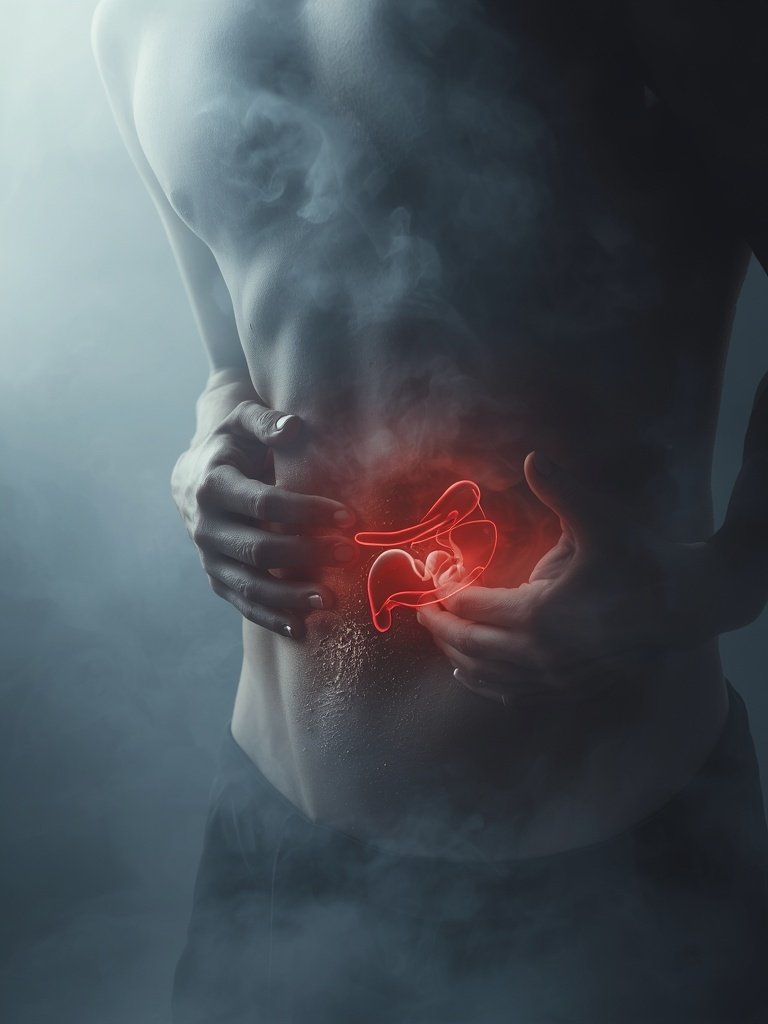
Elevated amylase level – diagnosis, dietary recommendations, and differentiation of pancreatic diseases

Elevated amylase level – diagnosis, dietary recommendations, and differentiation of pancreatic diseases

Amylase is a key digestive enzyme responsible for cleaving dietary starches into oligosaccharides, produced primarily by pancreatic acinar cells and salivary glands. Elevated serum or urinary amylase demands systematic differential diagnosis. This clinical overview reviews causes of hyperamylasemia, lipolytic differentiation, and therapeutic pancreatic dietary management.

Coltsfoot (Tussilago farfara) – traditional properties and uses of leaves and syrup

Coltsfoot (Tussilago farfara) – traditional properties and uses of leaves and syrup

Coltsfoot (Tussilago farfara) is one of the most venerated botanical remedies in respiratory phytotherapy. The mucilage compounds, tannins, and flavonoids concentrated within its leaves and blossoms exert powerful demulcent, antitussive, and anti-inflammatory properties. In this comprehensive monograph, we explore the physiological effects of coltsfoot, preparation methods for medicinal syrups and infusions, and essential safety guidelines regarding pyrrolizidine alkaloids.

Oatmeal flakes – a complete source of nutrients, beta-glucan, and minerals

Oatmeal flakes – a complete source of nutrients, beta-glucan, and minerals

Whole grain oat flakes rank among the most rigorously validated functional foods in nutritional medicine. As early as 1997, the US Food and Drug Administration (FDA) authorized the landmark health claim confirming that soluble dietary fiber from whole oats significantly mitigates the risk of coronary heart disease. Beyond beta-glucans, oats harbor unique bioactive polyphenols termed avenanthramides that exert potent anti-inflammatory and vasodilatory actions.

Beer: nutritional properties, impact on weight loss, diabetes, kidney function, and physical activity – a comprehensive analysis

Beer: nutritional properties, impact on weight loss, diabetes, kidney function, and physical activity – a comprehensive analysis

The summer season is frequently synonymous with social barbecues, where a bottle or can of one’s preferred beer often takes center stage. The spectrum of available varieties is vast: from traditional light and dark ales to specialty brews infused with honey or buckwheat, alongside wheat-based, gluten-free, rice-derived, and differently filtered options. Beyond its gustatory and cultural appeal, however, this beverage warrants closer examination of its biochemical composition, potential health benefits, and possible risks—particularly in relation to weight-loss diets, blood glucose regulation, urinary system function, and its impact on physical performance during exercise.

Strategic break from physical activity – the body's recovery process

Strategic break from physical activity – the body's recovery process

Consistent physical exertion coupled with a rigorous dietary regimen imposes substantial physiological stress on the human body, necessitating the periodic incorporation of structured recovery phases. During a deliberately scheduled regenerative interval, both the psychological domain and the nervous system—alongside the musculoskeletal framework, encompassing joint structures and muscle tissue—are afforded the opportunity for comprehensive restoration. The consequence of such an intervention extends beyond the mere alleviation of fatigue; it also yields a marked enhancement in bodily performance during subsequent training sessions. Furthermore, resuming activity following this type of hiatus is associated with a perceptible surge in vitality and superior outcome metrics. The critical question, then, is how to optimally integrate this pivotal component of a training regimen to fully capitalize on the benefits of recovery?

Is this your first gym session – with an instructor or on your own?

Is this your first gym session – with an instructor or on your own?

Entering a gym environment for the first time can provoke apprehension and uncertainty. The decision to embark on structured physical conditioning alongside a qualified personal trainer versus exercising solo profoundly influences musculoskeletal injury prevention, biomechanical pattern acquisition, and athletic longevity. This comprehensive guide details trainer collaboration benefits, initial session structure, and essential gym etiquette.

Cayenne – medicinal properties, recommended doses, and role in the weight loss process: a comprehensive guide

Cayenne – medicinal properties, recommended doses, and role in the weight loss process: a comprehensive guide

Cayenne pepper, despite its colloquial name, is a pungent pulverized chili pepper derived from Capsicum annuum and Capsicum frutescens. Its primary bioactive alkaloid—capsaicin—exerts clinically verified cardioprotective, analgesic, and thermogenic properties. This comprehensive guide outlines the physiological mechanisms of cayenne, evidence-based dosing protocols, and critical pharmacological contraindications.

Building self-confidence as the foundation of healthy weight loss – psychodietetics for lasting change

Building self-confidence as the foundation of healthy weight loss – psychodietetics for lasting change

Although it may seem paradoxical at first glance, genuine and lasting physical transformation begins with a profound acceptance of one’s current reality—both physical and emotional. In clinical psychodietetics, this conscious acknowledgment of the present state creates the psychological safety required to build sustainable lifestyle habits.A foundational step involves cultivating a stable sense of self-worth rooted in bodily respect rather than harsh self-criticism or guilt. Only within this compassionate framework does weight management become an authentic expression of metabolic health care and personal well-being, protecting against extreme crash diets and weight cycling.

African Geranium (Pelargonium sidoides DC.) – medicinal properties, mechanism of action, and use in children

African Geranium (Pelargonium sidoides DC.) – medicinal properties, mechanism of action, and use in children

African geranium (Pelargonium sidoides DC.) is a medicinal perennial native to South Africa whose standardized root extract (traditionally known as Umckaloabo or EPs 7630) is backed by extensive randomized controlled clinical trials. Driven by a synergistic matrix of oxygenated coumarins (umckalin), phenolic acids, and oligomeric proanthocyanidins, it exerts a triple therapeutic action in acute respiratory tract infections: antiviral, antibacterial (anti-adhesive), and secretomotoric/immunomodulatory. Discover its clinical applications, dosage forms, and pediatric safety profile.

Parsnip (Pastinaca sativa) – nutritional properties, culinary uses, and parsnip cream recipe

Parsnip (Pastinaca sativa) – nutritional properties, culinary uses, and parsnip cream recipe

The common parsnip (Pastinaca sativa) bears a striking visual resemblance to parsley root, frequently leading to confusion at grocery stores and farmers' markets. Although both root vegetables belong to the Apiaceae family, the parsnip is distinguished by its broader crown with a recessed, dark-ringed leaf scar and its mild, sweet-nutty flavor profile reminiscent of cooked carrots with a subtle hint of anise. Thanks to its velvety texture after cooking and its rich supply of potassium, soluble dietary fiber, and bioactive essential oils, parsnip is a prized staple in clinical and culinary nutrition.

Pasta in the athlete's diet – the role of complex carbohydrates, glycemic index, and composing peri-workout meals

Pasta in the athlete's diet – the role of complex carbohydrates, glycemic index, and composing peri-workout meals

Physically active individuals and athletes across endurance, team, and strength disciplines require targeted carbohydrate intake to fuel working skeletal muscles and sustain central nervous system performance. Diverse pasta products—ranging from classic durum wheat semolina pasta and whole-grain varieties to buckwheat, rice, and high-protein legume pastas—serve as a cornerstone of evidence-based sports nutrition.Selecting the optimal flour type and cooking method (specifically cooking al dente) enables athletes to tailor glucose absorption kinetics to either pre-exercise energy loading or rapid post-workout muscle glycogen resynthesis.

The relationship between obesity and depression: mechanisms of co-occurrence and mutual exacerbation

The relationship between obesity and depression: mechanisms of co-occurrence and mutual exacerbation

The relentless pace of modern existence, chronic stress exposure, insufficient recovery periods, and the consumption of ultra-processed foods laden with artificial additives constitute major threats to population health. Clinical dietitians and nutritional psychologists have long emphasized the intricate interplay between dietary patterns and emotional regulation. As early as the turn of the 21st century, public health observers noted a troubling convergence of two debilitating conditions—obesity and major depressive disorder—that substantially diminish patients' quality of life. Extensive epidemiological evidence points to a bidirectional relationship: while excessive adiposity may predispose individuals to depressive symptomatology, mood disorders conversely facilitate uncontrolled weight gain through alterations in eating behaviors. Both conditions trigger cascading somatic and psychological complications, with their prevalence rates steadily climbing across demographic groups. In response to perceived social isolation and mounting stress, many individuals seek temporary relief through high-calorie comfort foods—particularly sugary snacks consumed during sedentary activities like television viewing. However, the absence of sustained dietary modifications ultimately cultivates escalating feelings of helplessness that evolve into profound despair and existential hopelessness. The subsequent erosion of self-esteem and impaired decision-making capacity represent core diagnostic features of clinical depression, perpetuating a vicious cycle of deteriorating mental and physical well-being.

Obesity as a common health problem of contemporary society, affecting a growing group of patients of various ages

Obesity as a common health problem of contemporary society, affecting a growing group of patients of various ages

In numerous instances, the development of obesity stems from prolonged neglect of nutritional principles alongside entrenched unhealthy dietary and physical activity habits established from early life stages. The excessive accumulation of adipose tissue within the body is directly associated with an elevated risk of multiple severe chronic conditions, the complications of which may prove fatal. Methodical weight reduction coupled with sustainable lifestyle modifications does not constitute a fleeting fashion, but—if characterized as a trend at all—represents one with demonstrably positive health outcomes. Empirical evidence consistently demonstrates that individuals maintaining a healthy body weight exhibit significantly lower incidence rates of cardiometabolic diseases, musculoskeletal disorders, and certain cancers, all of which exhibit strong epidemiological links to overweight and obesity.

Wheat bran as a byproduct of wheat milling – nutritional profile, fiber, and clinical application

Wheat bran as a byproduct of wheat milling – nutritional profile, fiber, and clinical application

Residual materials generated during the mechanical separation of seed coats from wheat kernels comprise a composite mixture of glume fragments, pericarp membranes, and fine particulate matter originally enveloping the seeds. These fractions are obtained both in the preliminary abrasive processing of grains intended for wheat flour or groat production and in subsequent milling stages, where—due to their fiber content and potential contaminants—they are systematically removed as undesirable components that compromise the purity and refinement of the final milled product. Although the cereal processing industry categorizes them as low-value technological waste with limited commercial applicability, contemporary clinical nutrition science emphasizes their rich composition of dietary fiber, bioactive phenolic compounds, and trace minerals, positioning them as a valuable nutritional adjunct in the prevention and adjunctive management of diverse pathological conditions, including metabolic disorders and gastrointestinal diseases.

Marshmallow oil – medicinal properties, joint regeneration, allantoin, and safe external use

Marshmallow oil – medicinal properties, joint regeneration, allantoin, and safe external use

Comfrey (Symphytum officinale) has been esteemed since antiquity as a preeminent botanical remedy for musculoskeletal repair. Comfrey-infused oil, prepared via traditional maceration of fresh roots in a nourishing carrier oil, is rich in allantoin, rosmarinic acid, and tannins. It relieves joint and spinal discomfort, accelerates soft tissue healing, and restores damaged skin, provided it is strictly utilized for topical applications only.

Share