


WELCOME & NUTRITION SUPPORT

Supplements & Herbs

It's a familiar story: You pledge to honor a daily elliptical routine and count every last calorie. But soon, you're eating cupcakes at the office and grabbing happy hour drinks, thinking, 'Oops, diet over.'

I've helped people exactly like you – smart, ambitious, put together – figure out the one thing that eludes them: Their ideal weight and long-term metabolic health. If you're like lots of people I help, you don't like restrictive rules, feel tired often, have tried working out and cutting calories, but need a truly sustainable clinical approach.

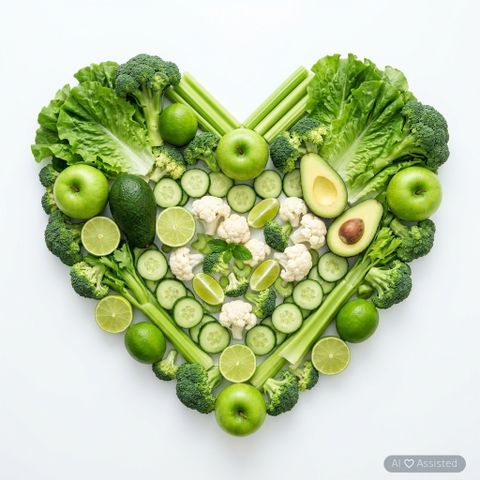
Fresh organic green produce in heart shape
HOW TO START

It's Easy to Start Today!

Eat Healthy

Eating habits should be regulated and controlled – only natural organic food will make our body healthy and strong.

Workout Hard

Diet is not the only ingredient of a long happy life. Physical exercise is also important for your health and vitality.

Enjoy Your Life

See how your life becomes a pleasant adventure, full of bright colors and fun activities with sustainable energy.

SERVICES
Personal Health Program

Personal Health Program

It does not matter if you want to lose weight, build lean muscle, or simply improve overall longevity and vitality.

Personal Fitness Trainer

Personal Fitness Trainer

A professional personal training and activity program created specifically with you and your individual goals.

Wellness Counseling

Wellness Counseling

We will be focused and working with you privately every step of the way to achieve permanent habit changes.

Diet Programs

Diet Programs

Healthy eating is one of the best things you can do to prevent and manage chronic health and metabolic problems.

Refreshing Citrus Background
FREE RECOMMENDATIONS

Change Your Health in One Day!

Special Program for Pregnant Women
POPULAR PROGRAMS & CLINICAL PROTOCOLS

Special Program for Pregnant Women

Pregnancy, infancy and early childhood are periods of rapid physiological growth and development. Insufficient nutrition during these critical growth and developmental periods places health and vitality at risk.

As a result, our clinical protocols educate and support pregnant and postpartum women about the importance of balanced micronutrition, gentle exercise, and allergen safety to ensure vibrant health for both mother and child.

8
Programs
161
Happy Customers
7
Awards
117
Success Stories

Subcategories & Topics:

11 areas

Dedicated Articles and Guides

Scientific papers, diet templates, and recommendations in Supplements & Herbs

30 publications
Rainbow Trout: Aquaculture Insights, Nutritional Profile, Omega-3 Fatty Acids, and Culinary Inspirations

Rainbow Trout: Aquaculture Insights, Nutritional Profile, Omega-3 Fatty Acids, and Culinary Inspirations

Rainbow trout (Oncorhynchus mykiss) is one of the most celebrated and commercially significant freshwater fish across Europe. Originally native to the cold-water tributaries of North America, it has adapted seamlessly to European aquaculture, thriving exclusively in pristine, cold, highly oxygenated running waters. Trout flesh offers an exceptionally delicate texture, clean buttery flavor, and outstanding nutritional density—providing complete bioavailable protein, long-chain omega-3 polyunsaturated fatty acids (EPA and DHA), vitamin D, and essential B vitamins, serving as a clean, sustainable alternative to marine species.


Hiatal Hernia: Symptoms, Diagnostic Methods, and Clinical Dietary Strategies

Hiatal Hernia: Symptoms, Diagnostic Methods, and Clinical Dietary Strategies

A hiatal hernia, colloquially referred to as gastric displacement into the chest cavity, occurs when the proximal portion of the stomach protrudes through the diaphragmatic esophageal hiatus into the mediastinum. The diaphragm serves as the primary respiratory barrier separating the abdominal and thoracic compartments, featuring a small hiatus through which the esophagus normally reaches the gastric cardia. When this muscular opening widens and supporting phrenoesophageal ligaments weaken, the lower esophageal sphincter is compromised, leading to severe gastroesophageal reflux and requiring structured nutritional and medical management.

Adjunctive interventions for body mass management amid contemporary health challenges

Adjunctive interventions for body mass management amid contemporary health challenges

The global pandemic of overweight and obesity represents one of the paramount public health crises of the twenty-first century, fueling an expansive commercial market for dietary weight-loss supplements. An immense volume of misinformation surrounds these products, with aggressive marketing campaigns frequently promising effortless fat loss devoid of behavioral or lifestyle modifications. Conversely, evidence-based dietetics and clinical pharmacology strictly contextualize these agents: they can serve solely as modest adjunctive tools to enhance satiety, support diet-induced thermogenesis, or modulate fluid homeostasis. This article delivers a rigorous, evidence-based evaluation of premier non-pharmacological weight management aids—spanning functional dietary fibers, natural thermogenic compounds, and botanical infusions—scrutinizing their physiological mechanisms, clinical efficacy, and safety parameters.

Powdered protein supplements as an adjunct to weight reduction – benefits, risks, and potential consequences of consumption

Powdered protein supplements as an adjunct to weight reduction – benefits, risks, and potential consequences of consumption

Powdered protein supplements have emerged as one of the most widely utilized dietary aids, embraced not only by competitive strength athletes but increasingly by individuals pursuing adipose tissue reduction and favorable body recomposition. While these formulations provide a remarkably convenient and bioavailable vehicle for fulfilling essential amino acid requirements, their precise physiological contribution to weight loss is frequently misunderstood or overstated. A multitude of misconceptions surrounds protein supplementation—ranging from exaggerated assertions of inherent fat-burning properties to unfounded anxieties regarding renal and hepatic compromise in healthy populations. This comprehensive analysis evaluates the biochemical characteristics and clinical utility of protein powders, elucidating their genuine metabolic advantages, possible adverse manifestations, and evidence-based protocols for integration into a caloric deficit regimen.

Probiotics - source and impact on appearance and sensations

Probiotics - source and impact on appearance and sensations

The human body is colonized by trillions of microorganisms constituting a complex symbiotic ecosystem termed the human microbiota. Within the colonic lumen alone, bacterial cellular density reaches extraordinary concentrations of 10¹¹ to 10¹² colony-forming units (CFU) per gram of intestinal content. The vast majority of these microbes are not merely harmless but biologically indispensable for human homeostasis. Among hundreds of cohabiting species, we delineate beneficial mutualists, opportunistic commensals, and potential pathogens. The cornerstone of a healthy gastrointestinal tract comprises lactic acid-producing genera such as Lactobacillus, Bifidobacterium, and Lactococcus, which reinforce mucosal barrier integrity and orchestrate systemic metabolic and immunological functions.

Nutritional offerings supporting meat-free diets and beyond

Nutritional offerings supporting meat-free diets and beyond

Contemporary dietary patterns that exclude meat consumption are distinguished by a range of health benefits, yet they also carry inherent risks associated with potential nutritional deficiencies. Within this presentation, we focus on products specifically designed to effectively compensate for the deficiencies in vitamins and trace minerals that arise from the omission of meat in one’s diet. These offerings represent an essential component for individuals adhering to such dietary regimens, while simultaneously providing an opportunity to enhance the daily menus of those who do not follow restrictive eating patterns, thereby introducing novel flavors and nutritional diversity.

Hazards arising from metabolic dysregulation – identify the underlying risks embedded in this biological process

Hazards arising from metabolic dysregulation – identify the underlying risks embedded in this biological process

Metabolic processes may exhibit considerable variability—at times operating with peak efficiency, while at others demonstrating marked deceleration. Nutrition specialists emphasize that as we age, a gradual reduction in food intake becomes necessary to maintain the body’s energy balance. Scientific research findings indicate that beginning at age 30, caloric requirements diminish by an average of approximately 50 kilocalories per five-year interval, a shift that, if unaccounted for in dietary habits, may result in uncontrolled adipose tissue accumulation and associated metabolic complications.

Psychological challenges associated with weight loss: A comprehensive guide to preparing for effective body mass reduction

Psychological challenges associated with weight loss: A comprehensive guide to preparing for effective body mass reduction

What accounts for the disparity wherein certain individuals achieve remarkable progress in a short span, while others grapple with even the most modest weight loss? The explanation lies in adopting a holistic health perspective—human physiology operates as an integrated system where dysfunction in one domain can destabilize the entire organism. Effective weight reduction demands more than dietary adjustments; it necessitates a profound transformation of habits, mindsets, and meticulous attention to psychological equilibrium. Overlooking the mental health dimension may result in frustration, burnout, or even abandonment of goals, despite initial advancements in nutrition or physical activity.

Optimal Post-Exercise Nutrition: Formulating the Post-Workout Meal for Maximum Recovery and Muscle Adaptation

Optimal Post-Exercise Nutrition: Formulating the Post-Workout Meal for Maximum Recovery and Muscle Adaptation

Peri-workout nutrition represents a paramount determinant of athletic success in both competitive sports and fitness training, directly governing the rate of post-exercise recovery, muscular adaptation, and body composition. Strenuous physical exertion precipitates intramuscular glycogen depletion, accelerates contractile protein degradation, induces mechanical micro-tears in myofibrils, and induces acute fluid and electrolyte deficits. The post-workout meal serves to terminate catabolic signaling, initiate muscle protein synthesis (MPS) cascades, and accelerate glycogen replenishment. This evidence-based guide delineates optimal post-exercise dietary strategies: optimal protein-to-carbohydrate ratios, the physiology of the anabolic window, and practical recovery nutrition following late-evening training sessions.

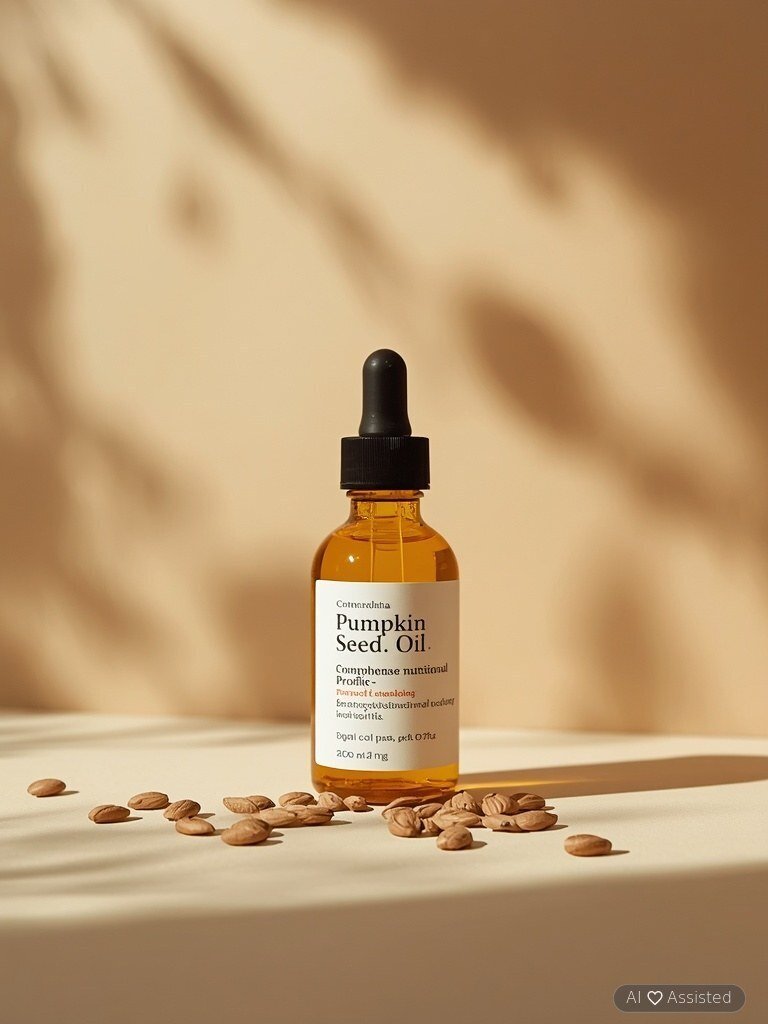
Pumpkin seed oil – comprehensive nutritional profile, phytosterol richness, and physiological benefits

Pumpkin seed oil – comprehensive nutritional profile, phytosterol richness, and physiological benefits

Pumpkin seeds represent a valuable reservoir of bioactive compounds, classified among high-fat plant-based raw materials. The systematic incorporation of oil extracted from these seeds into one’s dietary regimen yields tangible benefits for overall physiological function and enhanced well-being. Of particular note is the elevated concentration of omega-6 polyunsaturated fatty acids (primarily linoleic acid), the essential trace element zinc—critical for optimal immune and endocrine system performance—and a diverse array of phytosterols, whose mechanisms contribute to cholesterol homeostasis. These attributes position pumpkin seed oil as a meritorious dietary inclusion for men, offering supportive measures against the onset of lifestyle-related disorders.

Dietary iron deficiency in pediatric populations – underlying etiologies, warning indicators, and nutritional approaches to ensure adequate intake of this vital trace mineral

Dietary iron deficiency in pediatric populations – underlying etiologies, warning indicators, and nutritional approaches to ensure adequate intake of this vital trace mineral

Iron constitutes an indispensable component in the developmental and metabolic processes of a child’s body, serving as a critical constituent of hemoglobin—the protein tasked with oxygen delivery to tissues. The body’s reserves of this trace mineral, stored as compounds such as ferritin (in the liver and spleen) and hemosiderin (in bone marrow), act as a safeguard during periods of elevated demand. Persistent or untreated iron deficiency may precipitate severe complications, including cognitive impairment and compromised immune function. Consequently, the deliberate design of a child’s diet—prioritizing iron-rich foods and enhancing their absorption through strategic nutrient pairings—represents a cornerstone of preventive and corrective nutritional strategies.

Protein insufficiency in daily nutrition – distinctive symptoms, potential health hazards, and effective strategies for addressing protein deficits in the body

Protein insufficiency in daily nutrition – distinctive symptoms, potential health hazards, and effective strategies for addressing protein deficits in the body

The optimal performance of the human body relies heavily on a balanced intake of essential nutrients—including macronutrients, micronutrients, and bioactive compounds—whose appropriate ratios ensure the maintenance of homeostasis. Among these, protein stands out as a cornerstone nutrient, serving as the primary building block for tissues, enzymes, and hormones. What signals does the body emit when protein levels fall below physiological thresholds? What long-term health repercussions may arise from a chronic deficiency of this nutrient, and what measures can be taken to prevent its occurrence or correct existing shortages?

Probiotics Under the Microscope: Definition, Mechanisms of Action, and Clinical Applications

Probiotics Under the Microscope: Definition, Mechanisms of Action, and Clinical Applications

Probiotics, defined as live microorganisms that confer health benefits when administered in adequate amounts, are increasingly recognized for their therapeutic and preventive potential. However, before integrating them into clinical practice, it is essential to clarify: Which specific bacterial strains qualify as probiotics? In which clinical conditions is their administration supported by robust scientific evidence? And when do absolute or relative contraindications exist—particularly considering individual physiological predispositions and potential drug interactions?

The Therapeutic Role of Probiotics in Digestive Health: Evidence-Based Support for Constipation Relief, Diarrhea Management, Immune Enhancement, and Weight Regulation

The Therapeutic Role of Probiotics in Digestive Health: Evidence-Based Support for Constipation Relief, Diarrhea Management, Immune Enhancement, and Weight Regulation

Against the backdrop of rising antibiotic resistance and the growing prevalence of viral and bacterial infections, probiotics have emerged as a cornerstone of both preventive and therapeutic strategies in modern medicine. Clinically validated strains such as Lactobacillus rhamnosus GG, Bifidobacterium longum, and Streptococcus thermophilus demonstrate significant efficacy in maintaining gut microbiota balance and enhancing overall digestive health. To harness their full therapeutic potential, however, a nuanced understanding of their mechanisms of action, selection criteria for appropriate formulations, and optimal dosing regimens is indispensable. This evidence-based overview explores the latest scientific insights into probiotics’ role in digestive health, highlighting their targeted applications for constipation relief, diarrhea management, immune enhancement, and metabolic regulation.

How Probiotics May Support Weight Loss: A Guide to Selecting the Most Effective Bacterial Strains

How Probiotics May Support Weight Loss: A Guide to Selecting the Most Effective Bacterial Strains

The health of our digestive system is intricately linked to the balance of microorganisms residing in our intestines. Research indicates that dysbiosis—a disruption in gut microbiota composition—can lead to more than just digestive issues; it may also impair metabolism and contribute to weight gain tendencies. This guide explores how you can strategically enhance the bacterial composition of your gastrointestinal tract to support a healthier body weight and overall metabolic function.

Protein Supplements: Classification, Physiological Roles, and Strategic Supplementation for Athletes

Protein Supplements: Classification, Physiological Roles, and Strategic Supplementation for Athletes

The protein supplement industry continues to evolve, introducing formulations with enhanced amino acid profiles, improved bioavailability, and tailored nutrient compositions to meet the diverse needs of athletes and fitness enthusiasts. Manufacturers leverage advanced processing techniques—such as precise protein fractionation, elimination of artificial additives, and optimization of digestion rates—to create products that are not only palatable but also physiologically effective. For athletes aiming to maximize muscle hypertrophy, accelerate recovery, or achieve body recomposition, these supplements serve as critical tools. However, navigating the vast array of options requires a nuanced understanding of protein sources, their physiological roles, and evidence-based supplementation strategies to ensure alignment with individual goals, training regimens, and dietary plans.

Probiotics for Infants and Children: Evidence-Based Strain Selection and Clinical Applications

Probiotics for Infants and Children: Evidence-Based Strain Selection and Clinical Applications

The gut microbiome of infants and children undergoes critical maturation during the first years of life, directly influencing systemic immunity, metabolic health, and even neurocognitive development. During this sensitive window—particularly within the first 1000 days—strategic probiotic interventions can modulate immune tolerance, reduce allergy risk, and mitigate gastrointestinal dysfunction. This clinical review synthesizes evidence-based guidelines for pediatric probiotic use, emphasizes strain-specific efficacy, and addresses safety considerations alongside natural dietary sources. Key focus areas include optimal timing for intervention, clinically validated strains, and the integration of probiotics into preventive and therapeutic pediatric care.

Optimal Seed Roasting: Techniques to Preserve Bioactive Compounds During High-Temperature Processing

Optimal Seed Roasting: Techniques to Preserve Bioactive Compounds During High-Temperature Processing

Crispy golden pumpkin seeds, intensely aromatic sunflower kernels, delicately caramelized almond flakes, or deeply aromatic coffee beans—each of these products owes its unique sensory profile to a meticulously controlled roasting process. While high temperatures are critical for developing desirable organoleptic qualities, they also trigger significant degradation of heat-sensitive nutrients, including vitamins, omega-3 fatty acids, and phenolic antioxidants. The key question remains: how can this thermal process be optimized to fully enjoy the flavor complexity without compromising nutritional integrity?

Forest Treasures: Wild Strawberries and Their Leaves – Invaluable Health Benefits and Therapeutic Applications of Strawberry Leaves

Forest Treasures: Wild Strawberries and Their Leaves – Invaluable Health Benefits and Therapeutic Applications of Strawberry Leaves

Wild strawberries (Fragaria vesca) and their leaves represent one of nature’s most underrated yet invaluable treasures, brimming with essential nutrients, antioxidants, and bioactive compounds. Beyond their delicate aroma and modest appearance, these forest gems harbor profound health benefits. How can their consistent incorporation—whether as fresh fruit, infusions, or topical applications—optimize human physiology? From bolstering immune defense and aiding digestion to detoxifying the body and modulating metabolic pathways, wild strawberries and their leaves offer a multifaceted therapeutic arsenal backed by centuries of traditional use and modern scientific validation.

Key Metrics for Crafting a Personalized, Nutrient-Balanced Nutrition Plan

Key Metrics for Crafting a Personalized, Nutrient-Balanced Nutrition Plan

A meticulously tailored nutrition plan is the cornerstone of sustainable health and peak physical performance. However, no one-size-fits-all approach exists—each individual requires a unique adjustment based on biological markers and lifestyle factors. Designing a balanced dietary regimen demands precise calculations of basal metabolic rate (BMR), total daily energy expenditure (TDEE), physical activity levels, body composition, and metabolic health. This clinical guide outlines the critical metrics essential for crafting a personalized, evidence-based nutrition strategy that is both scientifically sound and practically implementable.

Spelt flakes – Nutritional composition, culinary versatility, and ancient grain tolerance

Spelt flakes – Nutritional composition, culinary versatility, and ancient grain tolerance

Spelt flakes (crafted from Triticum spelta) stem from an ancient wheat species celebrated across European holistic traditions, notably lauded by medieval herbalist Hildegard of Bingen for its digestibility and vitality. Encased within protective glumes that shield the grain against external contaminants, spelt preserves its genetic integrity. Spelt flakes provide premium plant protein, bioavailable rhodanide, neuroprotective B vitamins, and essential fatty acids.

Whole grain oat flakes – Micronutrient density, beta-glucan therapeutics, and cardiovascular health

Whole grain oat flakes – Micronutrient density, beta-glucan therapeutics, and cardiovascular health

Whole grain oat flakes rank among the most rigorously validated functional foods in nutritional medicine. As early as 1997, the US Food and Drug Administration (FDA) authorized the landmark health claim confirming that soluble dietary fiber from whole oats significantly mitigates the risk of coronary heart disease. Beyond beta-glucans, oats harbor unique bioactive polyphenols termed avenanthramides that exert potent anti-inflammatory and vasodilatory actions.

Millet flakes – Glycemic index, caloric profile, and culinary applications for optimal nutrition

Millet flakes – Glycemic index, caloric profile, and culinary applications for optimal nutrition

Millet flakes represent a wholesome, naturally gluten-free grain product derived from dehulled proso millet kernels. For individuals managing celiac disease or gluten sensitivities, they serve as a gentle and versatile dietary staple. Packed with essential B-complex vitamins (thiamine, riboflavin, niacin), they sustain cognitive performance and metabolic energy production. Furthermore, their notable concentration of bioavailable silica actively promotes collagen synthesis, enhancing epidermal suppleness, hair follicle vitality, and nail resilience.

Guidelines for healthy nutrition in children and adolescents: preventive strategies against excess weight in developmental age groups

Guidelines for healthy nutrition in children and adolescents: preventive strategies against excess weight in developmental age groups

Nutritional habits established during childhood and adolescence fundamentally dictate peak bone mass, cognitive performance, and lifetime risk of obesity and type 2 diabetes. This comprehensive pediatric guide examines the youth food pyramid, essential developmental micronutrients (calcium, iron, vitamin D), and evidence-based family strategies to curtail ultra-processed foods.

Black pepper: A comprehensive examination of its properties and health benefits as an indispensable traditional spice with culinary and therapeutic significance

Black pepper: A comprehensive examination of its properties and health benefits as an indispensable traditional spice with culinary and therapeutic significance

Black pepper (Piper nigrum) is far more than a universal culinary seasoning; it is an evidence-supported phytotherapeutic botanical. Its key alkaloid, piperine, stimulates gastric hydrochloric acid secretion, optimizes digestive motility, accelerates thermogenesis, and protects cellular lipids from oxidative breakdown. This guide examines scientific facts and myths surrounding the therapeutic efficacy of black pepper.

Complete and incomplete proteins – amino acid profile, protein complementarity, and muscle protein synthesis

Complete and incomplete proteins – amino acid profile, protein complementarity, and muscle protein synthesis

Dietary proteins fulfill indispensable structural, enzymatic, transport, and immunological roles in the human body. The biological quality of dietary protein is determined not merely by total gram intake, but primarily by the concentration and stoichiometric ratio of essential amino acids (EAAs), which human metabolism cannot synthesize de novo and must obtain consistently through nutrition.In clinical and sports nutrition, proteins are classified as complete (high biological value) or incomplete (containing one or more limiting amino acids), evaluated quantitatively via digestibility indices such as PDCAAS and DIAAS. How do animal and plant proteins differ, how does amino acid complementarity work, and how should protein intake be structured to maximize muscle protein synthesis (MPS)?

Creamy Tahini Sesame Paste – Health Benefits, Nutritional Profile, and Culinary Applications

Creamy Tahini Sesame Paste – Health Benefits, Nutritional Profile, and Culinary Applications

Creamy tahini paste, crafted from lightly toasted and stone-ground sesame seeds (Sesamum indicum), is a nutritional cornerstone of Mediterranean, Middle Eastern, vegetarian, and vegan diets. Distinguished by its high concentration of non-heme iron, calcium, magnesium, and zinc, tahini plays a vital role in preventing micronutrient deficiencies among women of reproductive age and individuals excluding meat or dairy products.Alongside complete plant-based protein, tahini delivers unique sesame lignans (sesamin, sesamolin, and sesamol), phytosterols, and unsaturated fatty acids that actively support cardiovascular and metabolic health.

Protein-Rich Treasure: Parmigiano Reggiano – Tradition, Maturation Process, and Nutritional Value in the Diet

Protein-Rich Treasure: Parmigiano Reggiano – Tradition, Maturation Process, and Nutritional Value in the Diet

Authentic Parmigiano Reggiano (PDO) stands out for its remarkably high concentration of complete, highly bioavailable protein—just 100 g of this long-aged artisanal cheese delivers 32–36 g of protein, equivalent to the protein content of nearly 180–200 g of lean beef. Its exceptional quality stems from strict geographical protection in northern Italy's Emilia-Romagna region and premium raw cow's milk.Crafted exclusively from raw milk, natural whey starter cultures, calf rennet, and sea salt without any artificial additives or preservatives, Parmigiano Reggiano undergoes prolonged maturation that imparts unique digestive and cardiometabolic benefits.

Surimi Crab Sticks – Technological Composition, Nutritional Value, Market Price, and Culinary Recipes

Surimi Crab Sticks – Technological Composition, Nutritional Value, Market Price, and Culinary Recipes

Crab sticks, known in food science and Japanese gastronomy as surimi (kanikama), are a widely consumed ready-to-eat seafood product engineered to mimic the fibrous texture, appearance, and sweet-savory flavor of snow or king crab leg meat. While prized for their convenience and low cost in salads and sushi rolls, nutritionally they represent an ultra-processed fish commodity containing virtually no actual crustacean meat. Discover how surimi sticks are manufactured, their exact macronutrient breakdown, and how to use them mindfully in balanced recipes.

The nutritional and therapeutic potential of berry fruits: distinguishing American blueberries from wild blueberries and blackberries in health promotion

The nutritional and therapeutic potential of berry fruits: distinguishing American blueberries from wild blueberries and blackberries in health promotion

Berry fruits embody the quintessence of summer with their chromatic spectrum spanning deep reds, rich purples, and inky blacks—a visual testament to their dense polyphenolic composition. Each variety presents a distinct gustatory profile, balancing pronounced sweetness with invigorating tartness. These diminutive yet nutritionally potent gifts of nature have been the subject of extensive scientific inquiry for decades, with research consistently validating their multifaceted health benefits—ranging from cognitive function enhancement to modulation of inflammatory pathways.

Share