




WELCOME & NUTRITION SUPPORT

Supplements & Herbs

It's a familiar story: You pledge to honor a daily elliptical routine and count every last calorie. But soon, you're eating cupcakes at the office and grabbing happy hour drinks, thinking, 'Oops, diet over.'

I've helped people exactly like you – smart, ambitious, put together – figure out the one thing that eludes them: Their ideal weight and long-term metabolic health. If you're like lots of people I help, you don't like restrictive rules, feel tired often, have tried working out and cutting calories, but need a truly sustainable clinical approach.

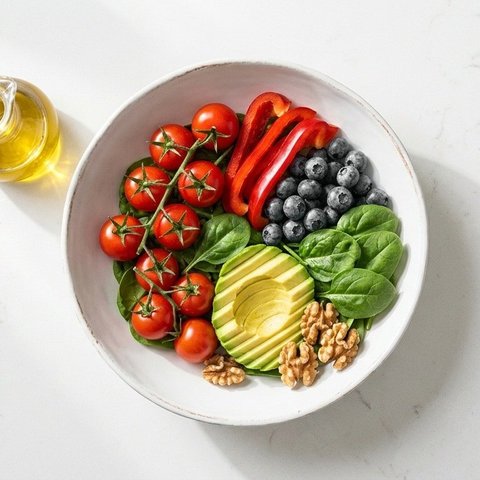
Fresh organic green produce in heart shape
HOW TO START

It's Easy to Start Today!

Eat Healthy

Eating habits should be regulated and controlled – only natural organic food will make our body healthy and strong.

Workout Hard

Diet is not the only ingredient of a long happy life. Physical exercise is also important for your health and vitality.

Enjoy Your Life

See how your life becomes a pleasant adventure, full of bright colors and fun activities with sustainable energy.

SERVICES
Personal Health Program

Personal Health Program

It does not matter if you want to lose weight, build lean muscle, or simply improve overall longevity and vitality.

Personal Fitness Trainer

Personal Fitness Trainer

A professional personal training and activity program created specifically with you and your individual goals.

Wellness Counseling

Wellness Counseling

We will be focused and working with you privately every step of the way to achieve permanent habit changes.

Diet Programs

Diet Programs

Healthy eating is one of the best things you can do to prevent and manage chronic health and metabolic problems.

Refreshing Citrus Background
FREE RECOMMENDATIONS

Change Your Health in One Day!

Special Program for Pregnant Women
POPULAR PROGRAMS & CLINICAL PROTOCOLS

Special Program for Pregnant Women

Pregnancy, infancy and early childhood are periods of rapid physiological growth and development. Insufficient nutrition during these critical growth and developmental periods places health and vitality at risk.

As a result, our clinical protocols educate and support pregnant and postpartum women about the importance of balanced micronutrition, gentle exercise, and allergen safety to ensure vibrant health for both mother and child.

8
Programs
161
Happy Customers
7
Awards
117
Success Stories

Subcategories & Topics:

11 areas

Dedicated Articles and Guides

Scientific papers, diet templates, and recommendations in Supplements & Herbs

30 publications
A scientific examination of the most frequently used performance-enhancing supplements in strength sports – evaluating genuine efficacy through expert-backed research

A scientific examination of the most frequently used performance-enhancing supplements in strength sports – evaluating genuine efficacy through expert-backed research

Drawing upon rigorous research conducted by specialists at the Central Institute of Sports Medicine alongside experts from the Medical Commission of the Polish Olympic Committee (COMS), this article presents a comprehensive analysis of the most widely used supplements—covering those designed to enhance muscle mass gain, accelerate fat loss, stimulate metabolic processes, or boost energy levels. The discussion also includes a critical review of functional foods, with certain findings potentially challenging widely held assumptions about their true effectiveness.


Excessive Dietary Protein Intake: Physiological Limits, Renal-Hepatic Strain, and Evidence-Based Guidelines

Excessive Dietary Protein Intake: Physiological Limits, Renal-Hepatic Strain, and Evidence-Based Guidelines

Dietary protein is an indispensable macronutrient vital for myofibrillar repair, immune competence, and enzymatic synthesis. However, amidst fitness trends championing ultra-high-protein diets and concentrated supplements, exceeding bodily metabolic clearance capacities risks renal hyperfiltration, systemic acid-base load, and dermatological flare-ups.

Health Benefits of Grapefruit Juice: Fasting Consumption, Metabolic Effects, and Critical CYP3A4 Drug Interactions

Health Benefits of Grapefruit Juice: Fasting Consumption, Metabolic Effects, and Critical CYP3A4 Drug Interactions

Grapefruit juice (Citrus paradisi) is a therapeutically dense citrus beverage prized for its invigorating bittersweet flavor, vitamin C abundance, and high concentrations of the bioflavonoid naringenin. Within metabolic nutrition, it is acclaimed for promoting insulin sensitivity and accelerating lipid turnover. Simultaneously, grapefruit represents a critical pharmacological vector: its furanocoumarins irreversibly inhibit intestinal CYP3A4 enzymes, potentially precipitating severe drug toxicity. This clinical review evaluates empty-stomach tolerance, weight loss mechanisms, hepatic effects, and essential pharmacological safety rules.

Methylsulfonylmethane (MSM): Biochemical Mechanism, Therapeutic Sourcing, and Clinical Dosing Protocols

Methylsulfonylmethane (MSM): Biochemical Mechanism, Therapeutic Sourcing, and Clinical Dosing Protocols

Methylsulfonylmethane (MSM), chemically designated as dimethyl sulfone (DMSO2), is a biologically active organosulfur compound naturally occurring in all living organisms. Sulfur represents the third most abundant mineral element in the human body, providing essential disulfide bridges that stabilize collagen cross-linking, glycosaminoglycans, and structural keratin. This comprehensive review examines MSM pharmacokinetics, its anti-inflammatory efficacy in osteoarthritis, synergy with ascorbic acid, and standardized supplementation protocols.

Creatine Monohydrate: Evidence-Based Supplementation for Physical Performance and Cognitive Function

Creatine Monohydrate: Evidence-Based Supplementation for Physical Performance and Cognitive Function

Creatine monohydrate stands as the most extensively researched and empirically validated ergogenic compound in sports nutrition. Beyond its established efficacy in augmenting strength, anaerobic power, and lean muscle mass, cutting-edge neurobiology highlights its vital function in cerebral bioenergetics, cellular neuroprotection, and working memory. This comprehensive review examines intracellular phosphorylation mechanisms, optimal titration protocols, safety profiles, and clinical evidence disproving renal toxicity myths.

Serum Urea and Blood Urea Nitrogen (BUN): Reference Intervals, Clinical Interpretation, and Dietary Guidelines

Serum Urea and Blood Urea Nitrogen (BUN): Reference Intervals, Clinical Interpretation, and Dietary Guidelines

Urea is the primary nitrogenous end-product of protein catabolism in humans, synthesized exclusively within hepatocytes via the ornithine urea cycle to detoxify ammonia. Filtered and excreted predominantly by renal glomeruli, serum urea (and Blood Urea Nitrogen - BUN) serves as a fundamental biochemical marker of renal function and protein homeostasis. This monograph details reference ranges, diagnostic etiologies of azotemia, and therapeutic renal nutrition.

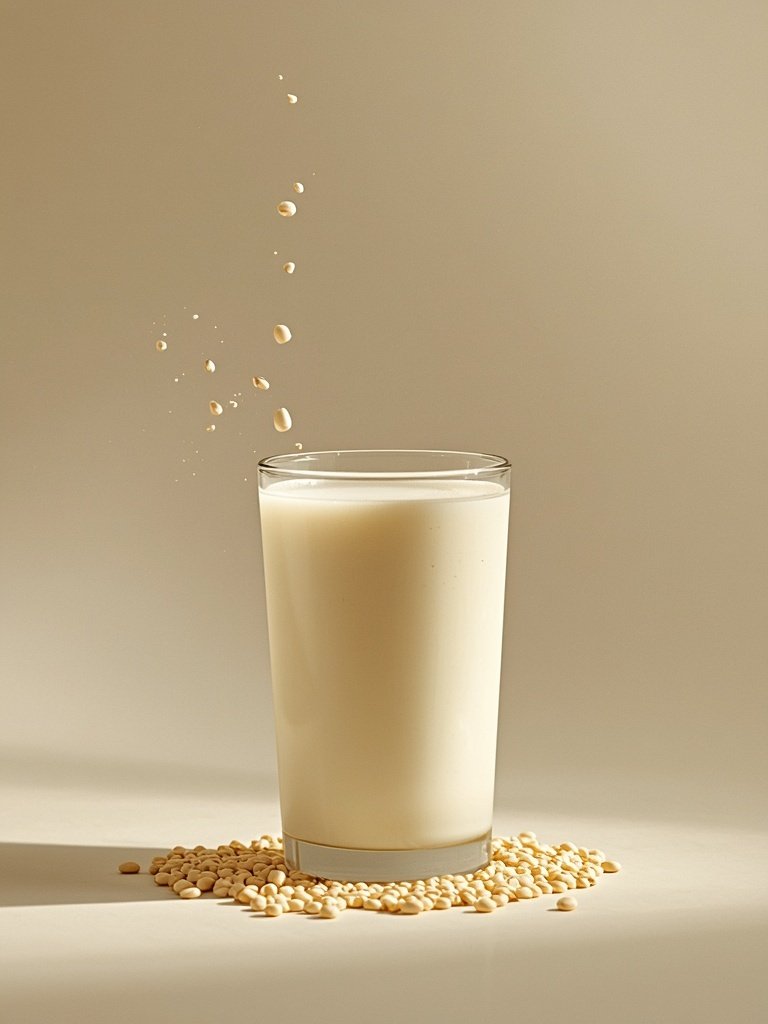
Soy Milk: Nutritional Benefits and Health Considerations of the Classic East Asian Beverage

Soy Milk: Nutritional Benefits and Health Considerations of the Classic East Asian Beverage

Soy milk is a traditional aqueous extract of whole soybeans with centuries-old roots in East Asian gastronomy. Unique among mainstream plant-based milk alternatives, it delivers high-biological-value protein featuring an amino acid score comparable to bovine milk. This guide explores its historical origins, cardiovascular advantages, and the clinical reality surrounding soy isoflavones, endocrine interactions, and allergen management.

A comprehensive examination of sheep’s whey: Nutritional profile, distinctive traits, and the presence of lactose

A comprehensive examination of sheep’s whey: Nutritional profile, distinctive traits, and the presence of lactose

Beyond conventional cow’s milk, today’s consumers have access to a diverse array of mammalian milk products, including those derived from sheep, goats, donkeys, and even camels. Additionally, the term "milk" is colloquially extended to plant-based beverages such as those made from soy, oats, rice, or almonds. It is critical to note, however, that the biochemical composition of animal-derived milk varies substantially depending on the source, exhibiting marked differences in protein, fat, carbohydrate, vitamin, and mineral content—factors that significantly influence nutritional value and potential dietary applications.

Does this genuinely constitute adapted infant formula – at what stage is it suitable for introduction and which variant represents the most appropriate selection?

Does this genuinely constitute adapted infant formula – at what stage is it suitable for introduction and which variant represents the most appropriate selection?

Adapted infant formula represents cow’s milk that has undergone deliberate compositional adjustments to closely replicate the nutritional profile of human breast milk. These breast milk substitutes are subjected to a sequence of technological processing steps, including: the reduction of total protein content, the alteration of protein fraction ratios, the augmentation of unsaturated fatty acid proportions, the elevation of lactose concentration, the diminution of electrolyte levels—specifically potassium, sodium, and chlorides—as well as fortification with critical vitamins, such as retinol (vitamin A), tocopherol (vitamin E), ascorbic acid (vitamin C), cholecalciferol (vitamin D), and phylloquinone (vitamin K).

Miraculin – characteristics, natural sources, supplementation in tablet form, and current market pricing in Poland

Miraculin – characteristics, natural sources, supplementation in tablet form, and current market pricing in Poland

Miraculin is a rarely encountered protein in Poland, distinguished by its unique taste-modifying properties, yet its acquisition is fraught with logistical challenges. The product is distributed almost exclusively through online sales platforms, which significantly restricts its accessibility to the average consumer. Moreover, owing to the intricate extraction process and limited supply, its price remains at a comparatively elevated level. This article introduces readers to the potential benefits of miraculin supplementation, examines its biochemical characteristics, and evaluates whether investing in this compound may yield tangible health or sensory benefits.

Bioactive dark honey with antioxidant and antibacterial properties

Bioactive dark honey with antioxidant and antibacterial properties

The more densely pigmented varieties of honey—particularly those derived from honeydew or forest-based nectar sources—exhibit an elevated concentration of polyphenolic compounds and other bioactive antioxidants that effectively scavenge reactive oxygen species, thereby mitigating cellular oxidative stress. This biochemical profile positions such honey as a valuable component in oncological prevention strategies and dermatological applications, where its capacity to attenuate collagen degradation and promote epidermal regeneration aligns with anti-aging cosmetic formulations. Beyond its antioxidant repertoire, this specialized honey matrix incorporates a suite of antimicrobial agents, including the peptide inhibitor known as inhibine, alongside a robust enzymatic consortium: amylases that hydrolyze complex polysaccharides into monomeric sugars, invertase facilitating the cleavage of sucrose into glucose and fructose, β-fructofuranosidase involved in fructose metabolism, and catalase, which decomposes hydrogen peroxide into water and molecular oxygen. These collective properties underpin the honey’s longstanding use in traditional medicine as a topical adjunct for wound management—accelerating the healing of surgical incisions, thermal burns, and chemical injuries. Notably, the enzymatic components are secreted by the labial glands of hymenopteran insects during nectar processing, thereby endowing the final product with its distinctive therapeutic bioactivity.

Essential mineral constituents: trace elements and macrominerals in human nutrition

Essential mineral constituents: trace elements and macrominerals in human nutrition

To maintain full physiological functionality, the human organism requires not only fundamental nutritional components such as amino acids, lipids, polysaccharides, or vitamin compounds, but also a range of supplementary chemical substances. These essential constituents enter our system through consumed liquids—primarily drinking water—as well as food products, and may occur in either organic or inorganic compound forms, fulfilling pivotal roles in metabolic processes.

Rabbit meat – nutritional characteristics, culinary applications, and meal ideas for young children

Rabbit meat – nutritional characteristics, culinary applications, and meal ideas for young children

Those committed to maintaining a balanced diet should regularly incorporate lean protein sources such as poultry, beef, veal, and the frequently overlooked yet highly nutritious rabbit and hare meat. While these latter options are less commonly featured in daily meals, their limited consumption stems primarily from reduced market availability. Nevertheless, owing to their rich nutritional profile and beneficial effects on health, they ought to constitute a vital component of every family’s diverse diet—including meals prepared specifically for children.

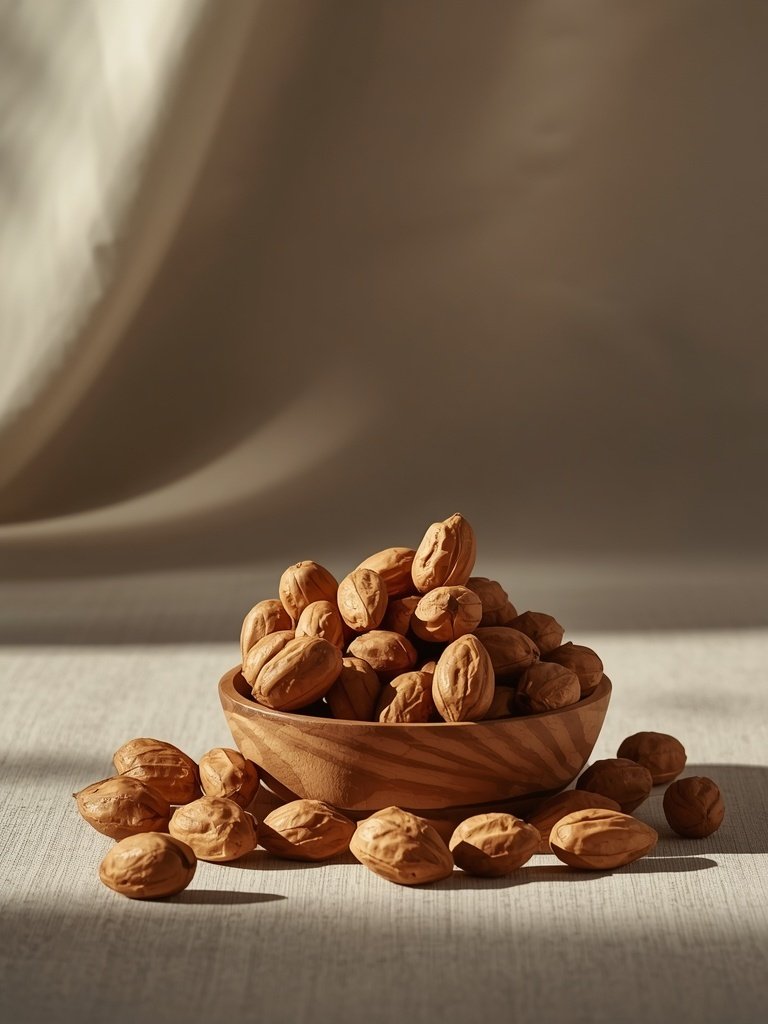
Tiger nuts explored: Nutritional composition, health benefits, and versatile applications in culinary and non-culinary contexts

Tiger nuts explored: Nutritional composition, health benefits, and versatile applications in culinary and non-culinary contexts

The crispy tubers known as peanut almonds—or colloquially as tiger nuts—have served as a dietary staple in Mediterranean regions for millennia, with historical roots tracing back to pharaonic Egypt. Why does contemporary nutritional science categorize these unassuming root vegetables among the most valuable "superfoods"? What specific health advantages arise from their consistent consumption, and in what diverse forms can they be incorporated into everyday meals? Let us delve into the compelling universe of these modest yet exceptionally nutrient-dense plant-based treasures.

Is meat intake genuinely a marker of masculinity? Which factors determine testosterone levels in men?

Is meat intake genuinely a marker of masculinity? Which factors determine testosterone levels in men?

For generations, societal narratives have perpetuated the notion that high meat consumption serves as a definitive indicator of physical strength, vigor, and conventionally defined masculinity. A widely held belief suggests that a balanced male diet must fundamentally rely on consistent intake of animal-based protein, particularly through diverse meat sources. Yet, does empirical evidence substantiate this claim as universally valid and beyond reproach?

The physiological role of copper in humans: implications of deficiency and excess – biochemical characteristics and functional properties of this trace mineral

The physiological role of copper in humans: implications of deficiency and excess – biochemical characteristics and functional properties of this trace mineral

Copper represents an indispensable constituent for the proper functioning of all living organisms, playing a pivotal role in growth processes, developmental progression, and the maintenance of systemic homeostasis. Despite being classified as a trace element—present in minute quantities—it participates in critical metabolic, enzymatic, and structural reactions within the body. Both its chronic deficiency and excessive accumulation beyond physiological thresholds can precipitate severe physiological disruptions, thereby emphasizing the necessity of precise regulatory mechanisms governing its systemic balance.

Copper: Biological Functions, Dietary Reference Intakes, and Natural Food Sources

Copper: Biological Functions, Dietary Reference Intakes, and Natural Food Sources

The optimal performance of the human body relies on the systematic replenishment of essential nutrients, including trace elements of critical metabolic importance. Among these, copper stands out as a trace mineral indispensable for hemoglobin synthesis, the maintenance of nervous system integrity, and the proper execution of enzymatic reactions. Which food products represent the richest sources of this element? What are the current guidelines for daily copper intake across different age groups? What clinical symptoms may indicate a chronic deficiency of this micronutrient in the body?

The Atkins protein-and-fat weight loss approach: an examination of efficacy and its fading prominence

The Atkins protein-and-fat weight loss approach: an examination of efficacy and its fading prominence

Once a cornerstone of dietary discourse, this nutritional strategy—centered on drastic carbohydrate restriction paired with elevated protein and fat intake—has since receded into relative obscurity among both practitioners and patients. For decades, it garnered acclaim for delivering rapid, tangible results in weight management. Yet why has its prominence waned, despite countless anecdotal and clinical accounts attesting to its efficacy in shedding excess body mass and even improving certain metabolic markers? Is this decline attributable to shifting dietary fads, a dearth of long-term empirical validation, or perhaps the lingering debates surrounding its potential adverse effects?

Watermelon: A natural reservoir of essential vitamins and minerals for optimal bodily function

Watermelon: A natural reservoir of essential vitamins and minerals for optimal bodily function

Watermelon represents a rich and bioavailable source of vital vitamins and minerals that play an indispensable role in sustaining the body’s physiological equilibrium. Its nutritional profile encompasses a broad spectrum of B-complex vitamins—including thiamine, riboflavin, and niacin—as well as vitamins A (present as beta-carotene), C (ascorbic acid), D (cholecalciferol), E (tocopherol), vitamin PP (niacin), and folic acid (folacin), the latter being particularly critical for prenatal development. In terms of trace elements, watermelon is distinguished by its substantial content of calcium (essential for skeletal and dental health), potassium (a key regulator of blood pressure), iron (which prevents anemia), iodine (crucial for thyroid function), magnesium (known for its stress-alleviating properties), and phosphorus (which facilitates energy metabolism). Furthermore, watermelon is abundant in pectins—soluble fiber fractions—and insoluble dietary fiber, which collectively enhance intestinal motility, promote detoxification by binding and eliminating metabolic waste, and provide a prolonged sensation of fullness. With its remarkably low caloric density (approximately 30–38 kcal per 100 g of flesh) and water content exceeding 90%, watermelon is an optimal component of weight-management diets, offering satiety and hydration without significantly impacting caloric intake. Its diuretic properties, attributed to the presence of citrulline and high potassium levels, facilitate the expulsion of excess interstitial fluid, thereby contributing not only to weight reduction but also to the refinement of body contours through the alleviation of edema. However, it is important to note that, like most fruits, watermelon contains a considerable amount of natural sugars (primarily fructose), which renders it less suitable for regular consumption by individuals with insulin resistance, type 2 diabetes, or other carbohydrate metabolism disorders.

Muscle tissue architecture: dietary optimization and exercise planning – which foods support hypertrophic growth?

Muscle tissue architecture: dietary optimization and exercise planning – which foods support hypertrophic growth?

ARTICLE STRUCTURE: Fundamental nutritional principles for muscle mass development • Key nutrients and their roles in protein synthesis • Training strategies tailored to hypertrophic objectives • Sample high-biological-value meal plans • Supplementation versus natural nutrient sources – comparative efficacy • Common dietary mistakes and how to avoid them • Scientifically validated methods for tracking muscle-building progress.

Gluten-Free Flours – Varieties, Nutritional Profiles, Baking Properties, and Culinary Applications

Gluten-Free Flours – Varieties, Nutritional Profiles, Baking Properties, and Culinary Applications

Strict lifelong avoidance of dietary gluten remains the sole effective therapeutic intervention for celiac disease, dermatitis herpetiformis, and non-celiac gluten sensitivity. Successfully replacing conventional wheat requires comprehensive knowledge of alternative gluten-free flours, which vary widely in macronutrient composition, starch gelatinization, and baking performance. This guide explores certified gluten-free oat, rice, buckwheat, and corn flours, detailing their micronutrient densities, culinary functionalities, and optimal blending ratios for wholesome home baking.

Does Pasta Cause Weight Gain? Clinical Evidence, Glycemic Index, and Body Weight Regulation

Does Pasta Cause Weight Gain? Clinical Evidence, Glycemic Index, and Body Weight Regulation

Popular weight-loss diets frequently demonize pasta, branding it as an obesogenic carbohydrate source that must be eliminated. However, large-scale nutritional cohorts—such as the Italian Moli-sani and INHES studies—demonstrate that moderate consumption of quality pasta is not associated with elevated body mass index and can seamlessly integrate into healthy dietary patterns. This article explores how the dense protein-starch matrix of durum wheat, al dente cooking, and cooling-induced resistant starch modulate digestion and metabolic health.

Mackerel – Nutritional Value, Omega-3 Fatty Acids (EPA and DHA), Selenium, and Culinary Uses

Mackerel – Nutritional Value, Omega-3 Fatty Acids (EPA and DHA), Selenium, and Culinary Uses

Atlantic mackerel (Scomber scombrus) is an exceptionally nutrient-dense pelagic oily marine fish. It stands out due to its profound concentrations of long-chain polyunsaturated omega-3 fatty acids (eicosapentaenoic acid EPA and docosahexaenoic acid DHA), complete biological protein, vitamin D3, and selenium. Consistent mackerel consumption confers proven cardioprotective, neuroprotective, and systemic anti-inflammatory benefits, anchoring evidence-based preventative nutrition.

Rice Noodles Composition, Culinary Uses, and Preparation Methods – Guide with Recipes and Dietary Tips

Rice Noodles Composition, Culinary Uses, and Preparation Methods – Guide with Recipes and Dietary Tips

Rice noodles form the bedrock of Asian gastronomy, produced from milled rice flour and pure water. Naturally gluten-free, easily digestible, and devoid of dietary fat or cholesterol, their neutral flavor matrix absorbs the vibrant aromatics of sauces, herbs, and broths. This guide covers the nutritional anatomy of rice noodles, proper culinary soaking techniques, and tested wholesome recipes.

Nutritional Composition of Flour: Breakdown of Carbohydrates, Proteins, Lipids, Vitamins, and Trace Elements

Nutritional Composition of Flour: Breakdown of Carbohydrates, Proteins, Lipids, Vitamins, and Trace Elements

Flour serves as the indispensable cornerstone of the baking industry and domestic gastronomy, manufactured through the mechanical pulverization of cereal or pseudocereal grains. Its biochemical and functional quality is governed by the relative anatomical proportions of endosperm, germ, and fibrous pericarp bran layers. Comprehending the balance of complex carbohydrates, storage proteins, lipids, and micronutrients enables evidence-based selection tailored to individual health and metabolic goals.

Corn Flour – Characteristics, Culinary Applications, and Comparison with Cornstarch

Corn Flour – Characteristics, Culinary Applications, and Comparison with Cornstarch

Corn flour represents a premier gluten-free cereal commodity anchoring the nutritional heritage of the Americas. Produced by milling dried whole maize kernels (Zea mays), it is distinguished by a vivid golden hue derived from macular carotenoids (lutein and zeaxanthin), alongside a subtly sweet flavor profile. A foundational culinary necessity is distinguishing whole corn flour from refined pure cornstarch (cornflour/maizena), as their physicochemical and thickening properties differ fundamentally.

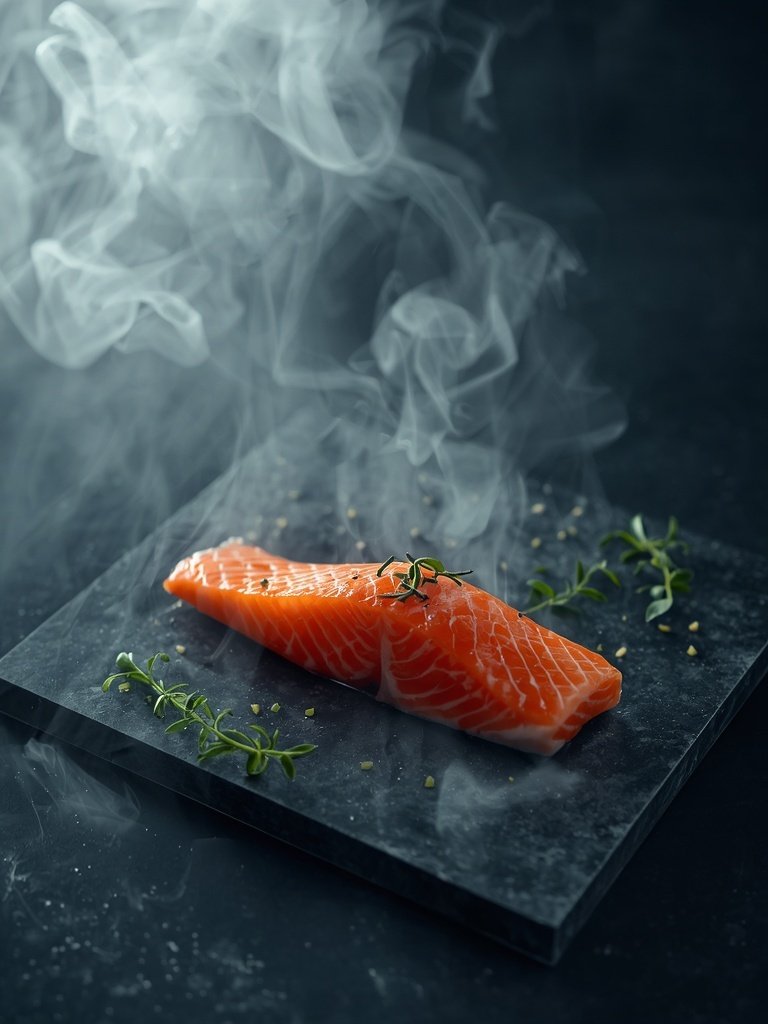
Atlantic Salmon (Salmo salar) – Species Profile, Nutritional Matrix, and Cardiovascular Health Benefits

Atlantic Salmon (Salmo salar) – Species Profile, Nutritional Matrix, and Cardiovascular Health Benefits

Atlantic salmon (Salmo salar) stands as a cornerstone of preventive human nutrition, recognized by cardiologists and dietitians globally as a benchmark functional food. Boasting exceptional levels of long-chain omega-3 fatty acids (EPA and DHA), high-biological-value protein, natural vitamin D3, and astaxanthin, routine salmon intake robustly safeguards vascular integrity, cognitive function, and systemic immune resilience.

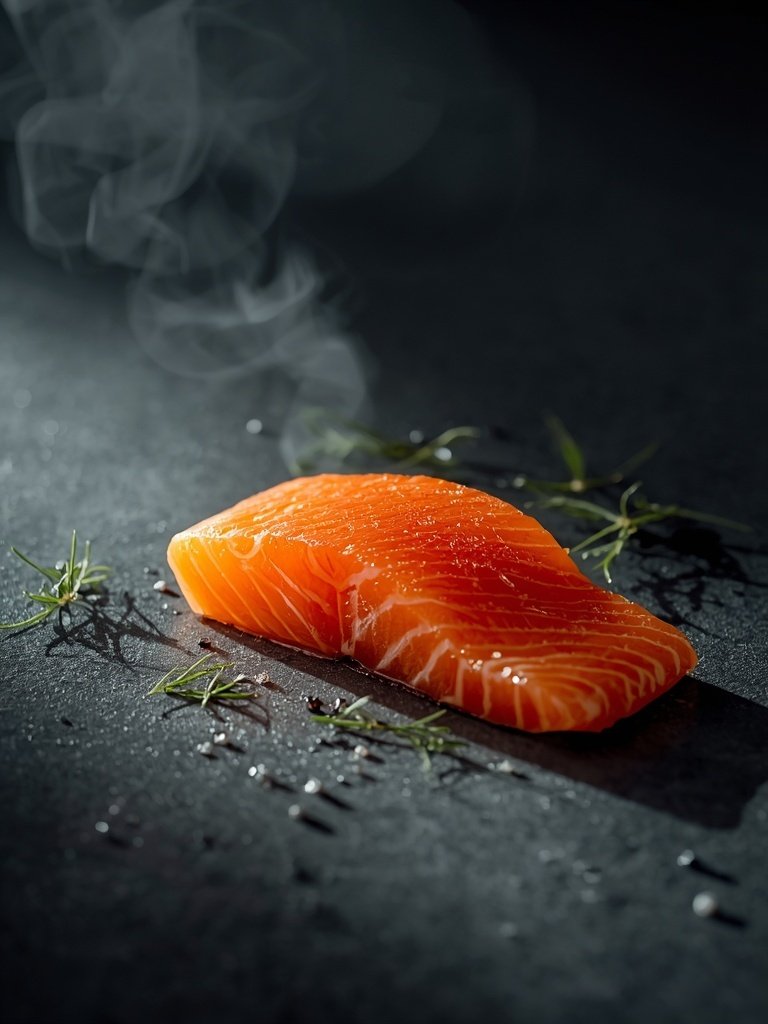
Nutritional Profile of Smoked Salmon: Key Components, Pregnancy Safety Guidelines, and Optimal Preparation Techniques

Nutritional Profile of Smoked Salmon: Key Components, Pregnancy Safety Guidelines, and Optimal Preparation Techniques

Gestational nutrition demands strict balance between peak micronutrient quality and rigorous microbiological safety. Smoked salmon provides essential fetal neurodevelopmental substrates—predominantly docosahexaenoic acid (DHA), iodine, selenium, and vitamin D3. However, due to the risk of Listeria monocytogenes contamination in cold-cured fish, pregnant individuals must strictly adhere to specific thermal processing and preparation standards.

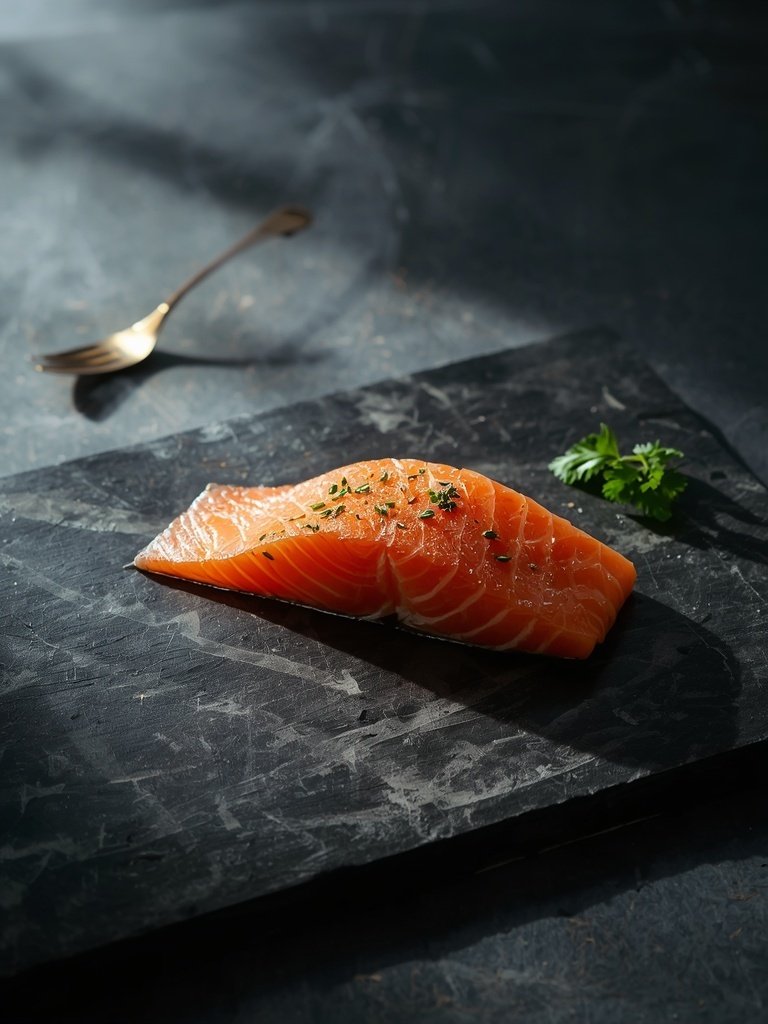
Smoked Salmon – Nutrient Density, Processing Methods, and Health Considerations

Smoked Salmon – Nutrient Density, Processing Methods, and Health Considerations

Smoked salmon is an iconic delicacy celebrated for its silky texture, nuanced smoky aromatics, and profound nutritional density. Functioning as a potent reservoir of complete protein, vitamin D3, and cardioprotective omega-3 fatty acids, it features prominently in Mediterranean and Nordic eating patterns. Understanding processing nuances and safety guidelines ensures optimal health benefits.

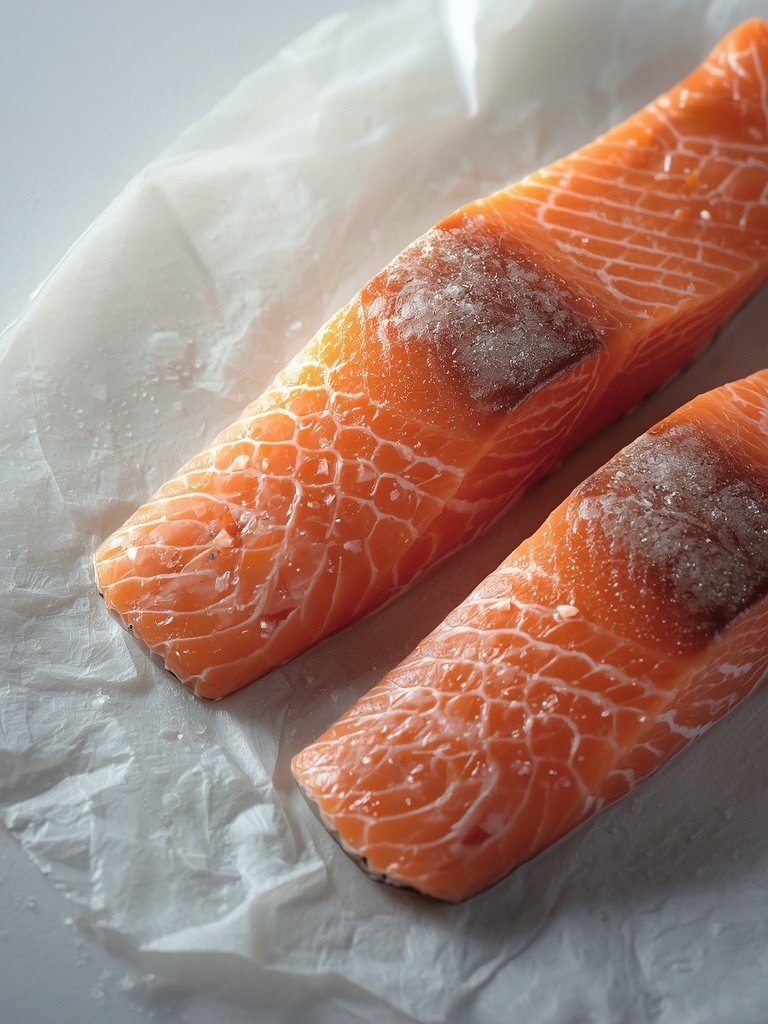
Baltic, Atlantic, and Farmed Salmon – Nutritional Analysis, Health Benefits, and Safety Criteria

Baltic, Atlantic, and Farmed Salmon – Nutritional Analysis, Health Benefits, and Safety Criteria

Salmon stands as a cornerstone of cardiovascular and metabolic nutrition. Nevertheless, distinct varieties—spanning wild Baltic salmon, wild oceanic Atlantic salmon, and certified farmed salmon (Norwegian and Pacific species)—diverge substantially in lipid content, omega-3 ratios, and exposure to environmental bioaccumulates. An informed selection guarantees optimal therapeutic benefits while upholding rigorous toxicological safety.

Share