Supplements and Herbs • CLINICAL PROTOCOL

Superfoods and Green Blends

Personalized, evidence-based nutrition guidelines (EBM) dedicated to Superfoods and Green Blends. Balanced macronutrients, micronutrition, and elimination of pro-inflammatory factors.

Superfoods and Green Blends
HOW TO START

It's Easy to Start Today!

Eat Healthy

Precisely selected nutrients supporting metabolic balance and tissue regeneration.

Workout Hard

Physical activity safely tailored to your clinical conditions and baseline endurance.

Enjoy Your Life

Psychoemotional balance, restful sleep, and stress reduction as indispensable pillars of recovery.

SERVICES & PROTOCOLS
Personal Health Program

Personal Health Program

Dedicated medical nutrition therapy and dietary protocols for Superfoods and Green Blends.

Personal Fitness Trainer

Personal Fitness Trainer

Tailored workout plan and physical exercise supporting therapy.

Wellness Counseling

Wellness Counseling

Specialist support and continuous monitoring of health progress.

Diet Programs

Diet Programs

Precise calculation of BMR, TDEE, and micronutrient balance.

Refreshing Citrus Background
FREE RECOMMENDATIONS

Change Your Health in One Day!

Special Program for Sensitive Nutrition
POPULAR PROGRAMS & CLINICAL PROTOCOLS

Special Program for Sensitive Nutrition

Individually formulated nutrition protocols for individuals managing specific metabolic and allergic requirements in Superfoods and Green Blends.

Allergen exclusion, gut microbiota support, and optimization of carbohydrate-lipid metabolism.

8
Programs
161
Happy Customers
7
Awards
117
Success Stories

Other Groups in Category: Supplements and Herbs

Articles and Guides in — Superfoods and Green Blends

Publications, recommendations, and clinical analysis in Superfoods and Green Blends

14 publications
Black pepper: Comprehensive properties and health benefits of a traditional spice with invaluable culinary and medicinal value

Black pepper: Comprehensive properties and health benefits of a traditional spice with invaluable culinary and medicinal value

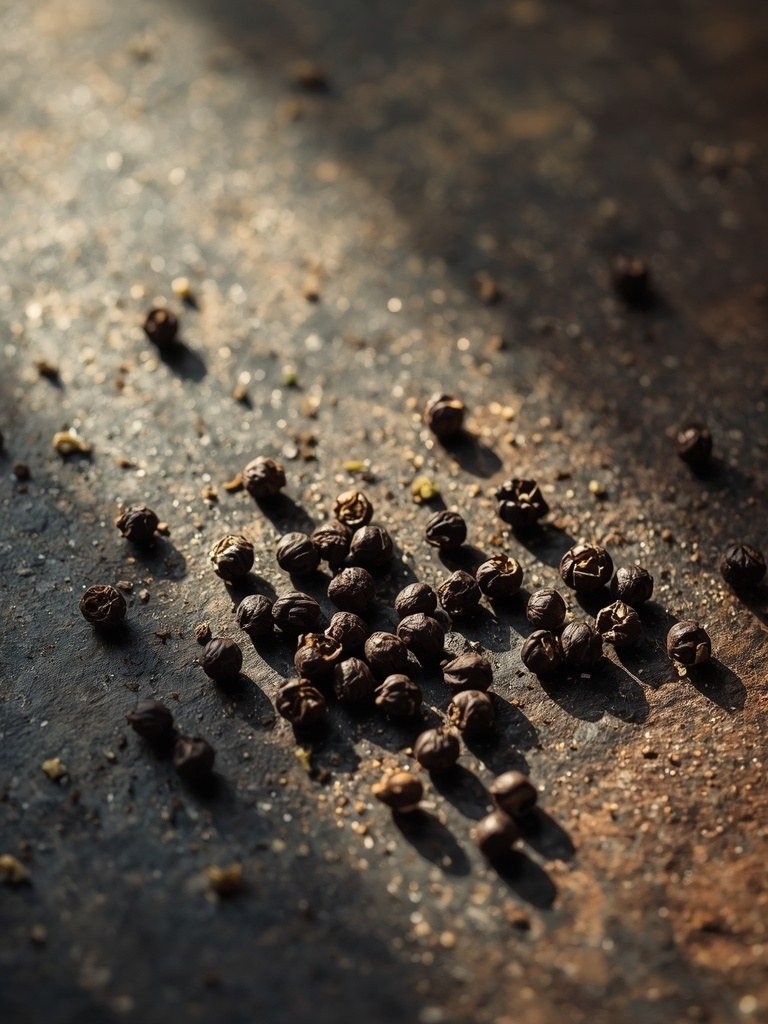
Black pepper (Piper nigrum) is far more than a universal culinary seasoning; it is an evidence-supported phytotherapeutic botanical. Its key alkaloid, piperine, stimulates gastric hydrochloric acid secretion, optimizes digestive motility, accelerates thermogenesis, and protects cellular lipids from oxidative breakdown. This guide examines scientific facts and myths surrounding the therapeutic efficacy of black pepper.
Rapeseed oil: comparison of refined and unrefined versions – nutrient profile and health effects

Rapeseed oil: comparison of refined and unrefined versions – nutrient profile and health effects

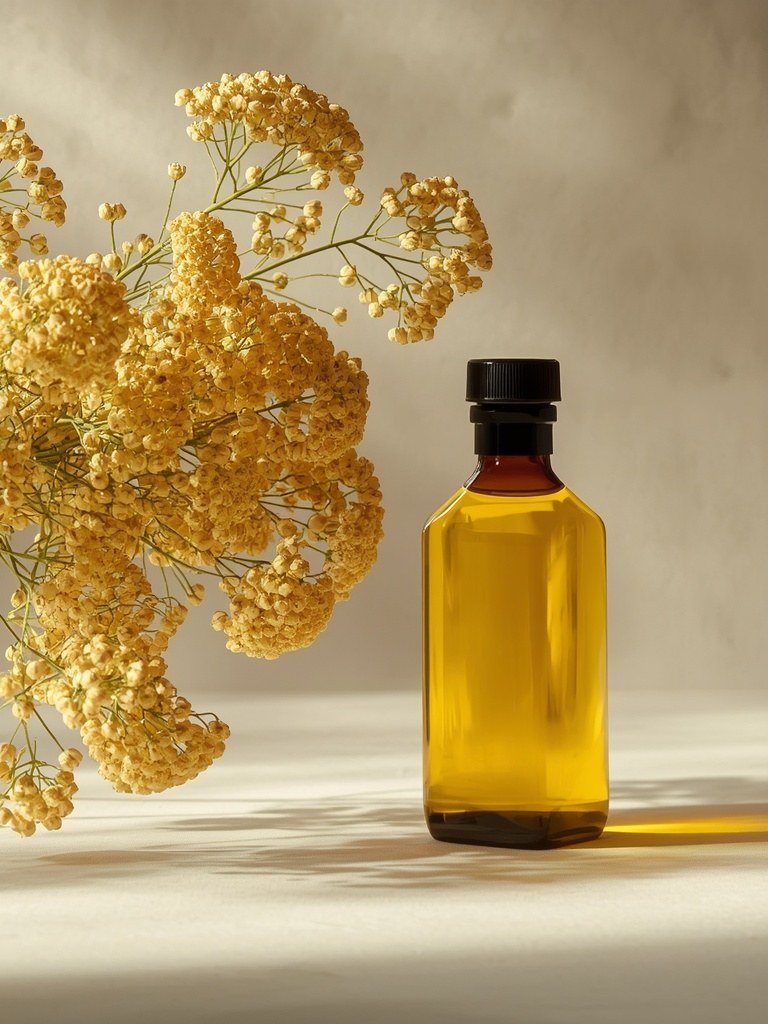
Amid the surge in popularity of exotic plant fats, native rapeseed oil is frequently undervalued despite boasting an exceptional fatty acid profile, abundant vitamin E, and plant sterols that place it at the forefront of cardioprotective nutrition. This analysis delivers an evidence-based comparison between cold-pressed virgin and refined rapeseed oils, detailing their culinary versatility and metabolic benefits.

Hemp seeds (Cannabis sativa) – nutritional profile, health benefits, and dietary use

Hemp seeds (Cannabis sativa) – nutritional profile, health benefits, and dietary use

Industrial hemp seeds (Cannabis sativa L.) represent an exceptional botanical whole food boasting an unparalleled nutrient matrix. Harvested from non-psychoactive fiber cultivars (free of delta-9-THC), hemp seeds deliver a complete plant-based protein profile, optimal polyunsaturated fatty acid ratios, and potent micronutrients vital for cardiovascular and metabolic well-being.

Tiger peanuts – characteristics, nutritional properties, and practical uses in diet and beyond

Tiger peanuts – characteristics, nutritional properties, and practical uses in diet and beyond

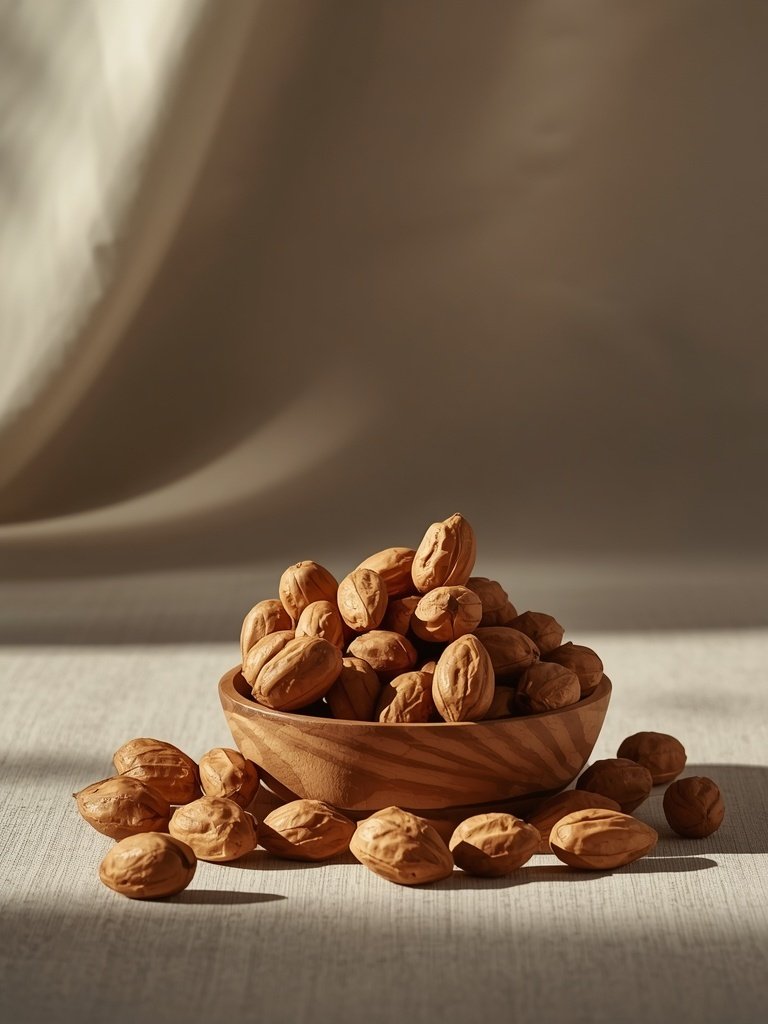
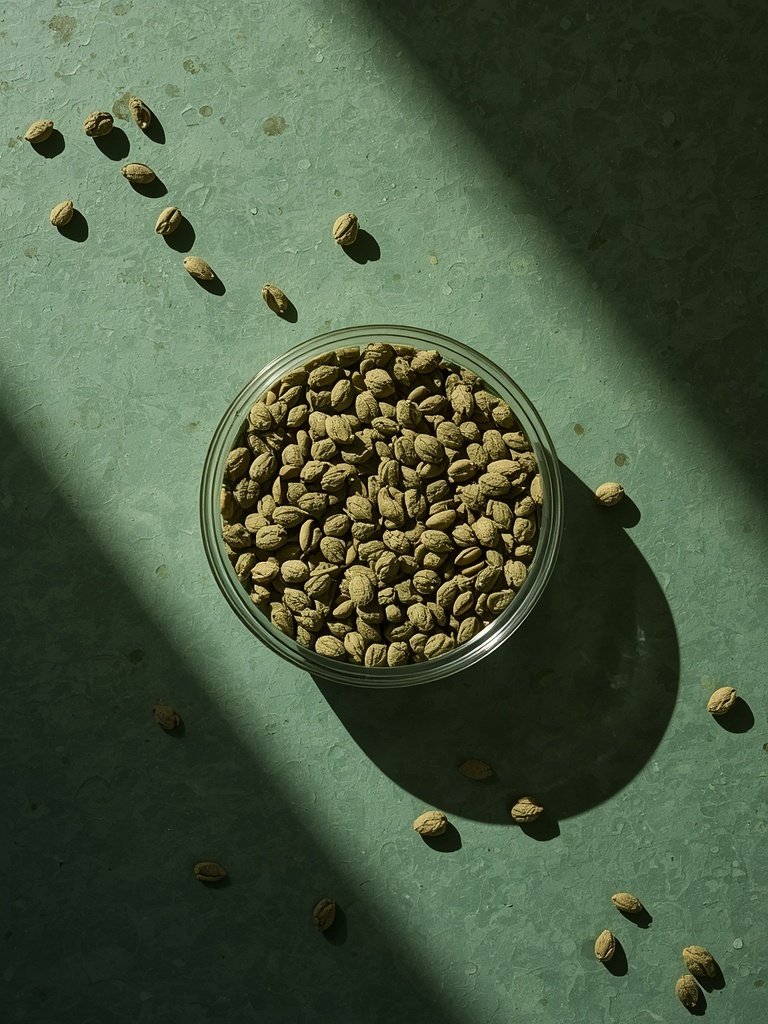
The crispy tubers known as peanut almonds—or colloquially as tiger nuts—have served as a dietary staple in Mediterranean regions for millennia, with historical roots tracing back to pharaonic Egypt. Why does contemporary nutritional science categorize these unassuming root vegetables among the most valuable "superfoods"? What specific health advantages arise from their consistent consumption, and in what diverse forms can they be incorporated into everyday meals? Let us delve into the compelling universe of these modest yet exceptionally nutrient-dense plant-based treasures.

1500 kcal Low-Calorie Diet - Nutritional Guidelines, Nutrients, Indications, and Achieved Effects

1500 kcal Low-Calorie Diet - Nutritional Guidelines, Nutrients, Indications, and Achieved Effects

In the present day, numerous strategies and concepts for weight reduction are available across various platforms dedicated to healthy lifestyles. These include low-calorie diets, dietary approaches that favor specific nutrients, exclude others, or recommend incorporating so-called "superfoods" such as spirulina, unconventional dried fruits, or gluten-free grains. Despite the abundance of information, it is essential to remember that when planning dietary changes, one must prioritize the individual characteristics of one's body, including age, sex, body weight, height, and physical activity levels.

Dates – health benefits, date syrup... Are dates a valuable addition to the diet?

Dates – health benefits, date syrup... Are dates a valuable addition to the diet?

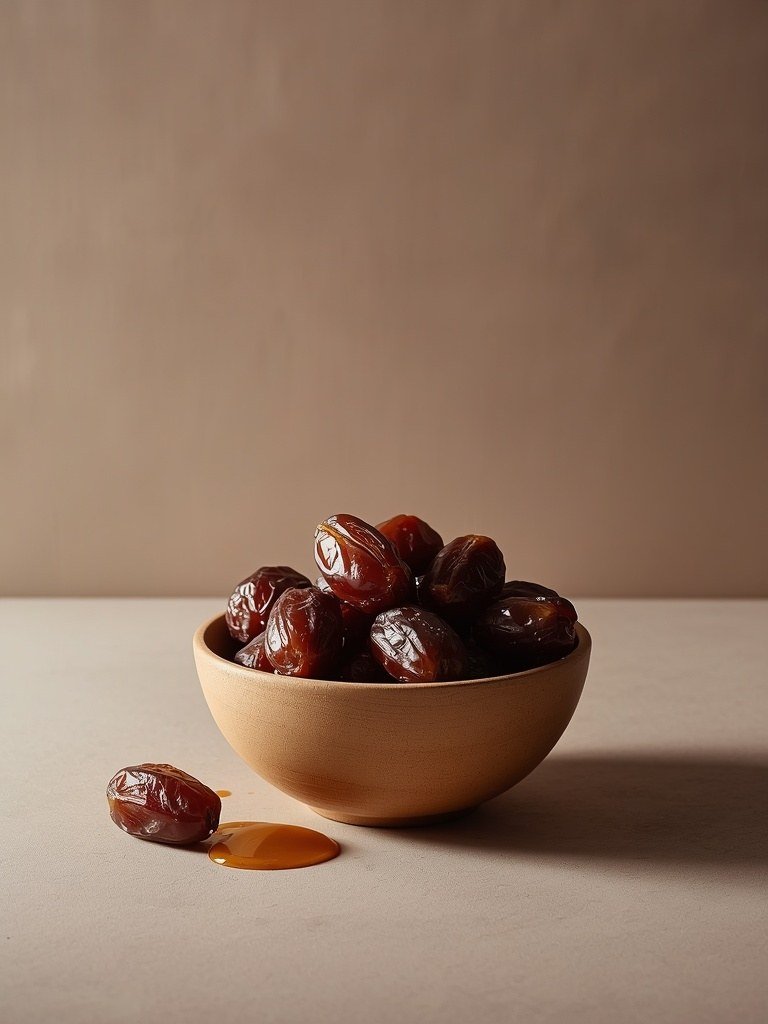
The fruit of the date palm, commonly referred to as dates, serves as a valuable source of essential minerals, vitamins, and dietary fiber. They are consumed both fresh and dried and function as a natural sugar substitute in various food products. Due to their rich nutritional profile, dates are often categorized as so-called superfoods.

Spirulina - what is it actually? Spirulina for children, pregnant women, potential side effects

Spirulina - what is it actually? Spirulina for children, pregnant women, potential side effects

Spirulina is a component that has recently become one of the most popular superfoods available in health food stores. Skeptics believe it is another marketing strategy, while its proponents praise its beneficial effects on the body and unique composition. Who is right and is it worth investing in this green powder? Find answers to these and other questions in the article!

Antioxidant protective substances – in food, tablets... A guide to an antioxidant-rich diet

Antioxidant protective substances – in food, tablets... A guide to an antioxidant-rich diet

Substances that protect against oxidation are compounds that are quite well known in our community for their beneficial effects on the body. Unfortunately, they are often mistakenly associated solely with dietary supplements, whereas much more beneficial absorption and safer use results from consuming them in natural products like fruits and superfoods. What are these substances that protect against oxidation and where can we find them?

Quinoa or barley – which is better?

Quinoa or barley – which is better?

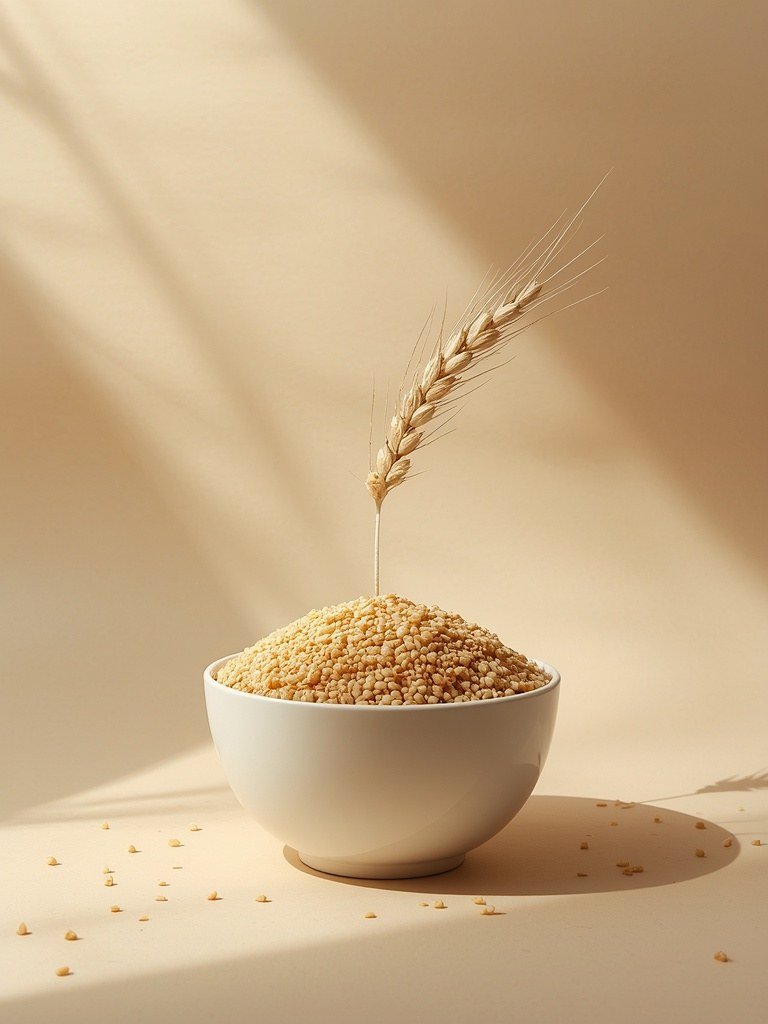
Recently, a growing number of new products have emerged, which have dominated retail products, earning the nickname "superfoods". Their supporters appreciate them, but they don't know exactly why. They're also unaware of the counterparts in our domestic market, which sometimes have even better ingredients and, above all, lower prices. Read the article and learn about the properties of the famous quinoa and the native barley. Find out which one to choose for your next purchase!

Lingonberry instead of goji berries - Polish alternatives to so-called superfoods

Lingonberry instead of goji berries - Polish alternatives to so-called superfoods

Spirulina, rice commos, goji berries or barley grass are the most popular products in the category of so-called superfoods. If you're interested in a healthy lifestyle, you might still hear about what you should eat to avoid cancer or how to fight a weakened immune system. Encouraged by their amazing and healthy properties, we often try to include them in our diet at all costs. However, the question arises - are there really no products in Poland that could also be considered superfoods? Do we really have to spend large sums to eat healthily?

Share