


WELCOME & NUTRITION SUPPORT

Men's Health

It's a familiar story: You pledge to honor a daily elliptical routine and count every last calorie. But soon, you're eating cupcakes at the office and grabbing happy hour drinks, thinking, 'Oops, diet over.'

I've helped people exactly like you – smart, ambitious, put together – figure out the one thing that eludes them: Their ideal weight and long-term metabolic health. If you're like lots of people I help, you don't like restrictive rules, feel tired often, have tried working out and cutting calories, but need a truly sustainable clinical approach.

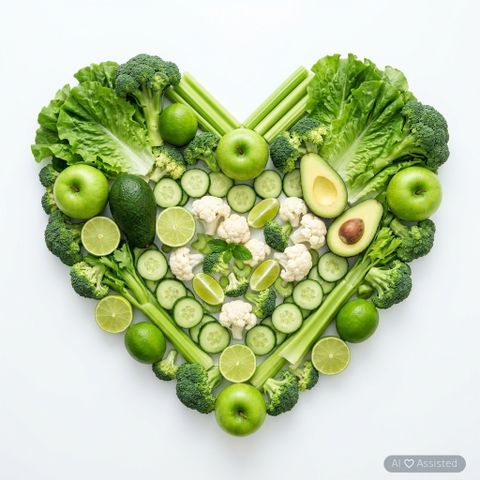
Fresh organic green produce in heart shape
HOW TO START

It's Easy to Start Today!

Eat Healthy

Eating habits should be regulated and controlled – only natural organic food will make our body healthy and strong.

Workout Hard

Diet is not the only ingredient of a long happy life. Physical exercise is also important for your health and vitality.

Enjoy Your Life

See how your life becomes a pleasant adventure, full of bright colors and fun activities with sustainable energy.

SERVICES
Personal Health Program

Personal Health Program

It does not matter if you want to lose weight, build lean muscle, or simply improve overall longevity and vitality.

Personal Fitness Trainer

Personal Fitness Trainer

A professional personal training and activity program created specifically with you and your individual goals.

Wellness Counseling

Wellness Counseling

We will be focused and working with you privately every step of the way to achieve permanent habit changes.

Diet Programs

Diet Programs

Healthy eating is one of the best things you can do to prevent and manage chronic health and metabolic problems.

Refreshing Citrus Background
FREE RECOMMENDATIONS

Change Your Health in One Day!

Special Program for Pregnant Women
POPULAR PROGRAMS & CLINICAL PROTOCOLS

Special Program for Pregnant Women

Pregnancy, infancy and early childhood are periods of rapid physiological growth and development. Insufficient nutrition during these critical growth and developmental periods places health and vitality at risk.

As a result, our clinical protocols educate and support pregnant and postpartum women about the importance of balanced micronutrition, gentle exercise, and allergen safety to ensure vibrant health for both mother and child.

8
Programs
161
Happy Customers
7
Awards
117
Success Stories

Subcategories & Topics:

10 areas

Dedicated Articles and Guides

Scientific papers, diet templates, and recommendations in Men's Health

30 publications
Postpartum Psychosis: Clinical Recognition, Etiology, Diagnostic Signs, and Emergency Psychiatric Intervention

Postpartum Psychosis: Clinical Recognition, Etiology, Diagnostic Signs, and Emergency Psychiatric Intervention

Postpartum psychosis (puerperal psychosis) represents a rare, acute, and potentially life-threatening psychiatric emergency afflicting approximately 1 to 2 per 1,000 postpartum women. Manifesting acutely—typically within the initial two to four weeks following parturition—it is characterized by severe loss of reality testing, florid auditory or visual hallucinations, bizarre delusions, cognitive disorganization, and extreme affective lability. Postpartum psychosis constitutes a medical emergency demanding immediate psychiatric inpatient hospitalization and pharmacotherapy, carrying catastrophic risks of maternal suicide and infanticide driven by delusional imperatives.


Psychoactive Compounds with Remarkable Properties: The Psychedelic Renaissance in Modern Neuropsychiatry

Psychoactive Compounds with Remarkable Properties: The Psychedelic Renaissance in Modern Neuropsychiatry

Following decades of prohibition and societal stigmatization, biomedical science is undergoing an unprecedented paradigm shift known as the psychedelic renaissance. Preeminent academic centers worldwide, notably Johns Hopkins University and Imperial College London, are spearheading rigorous clinical trials investigating classical serotonergic psychedelics (psilocybin, DMT, LSD, mescaline) alongside empathogens (MDMA) and dissociatives (ketamine). These molecules demonstrate extraordinary abilities to rapidly stimulate structural neuroplasticity, downregulate the Default Mode Network (DMN), and catalyze profound psychological insights, offering groundbreaking breakthroughs for treatment-resistant depression, PTSD, and substance use disorders.

Hypermagnesemia: Identifying magnesium excess and its associated health hazards

Hypermagnesemia: Identifying magnesium excess and its associated health hazards

Magnesium serves as one of the fundamental intracellular divalent cations within the human body, acting as an indispensable cofactor for upwards of three hundred enzymatic reactions, including nucleic acid synthesis, neuromuscular transmission, and cardiac rhythm regulation. Public awareness is overwhelmingly preoccupied with the hazards of magnesium deficiency, prompting widespread, unmonitored consumption of high-dose oral supplements. Conversely, the reciprocal pathology—hypermagnesemia, defined as serum magnesium concentrations exceeding physiological thresholds—represents an acute, potentially catastrophic clinical emergency. This comprehensive article delineates the pathophysiology of magnesium retention, categorizes clinical manifestations across increasing serum levels, and establishes evidence-based protocols for medical intervention and safe supplementation.

Arterial Hypotension – Clinical Manifestations, Etiological Determinants, and Nutritional Strategies in Prevention and Management

Arterial Hypotension – Clinical Manifestations, Etiological Determinants, and Nutritional Strategies in Prevention and Management

Circulatory disorders represent a widespread health challenge in modern society, predominantly manifested through conditions such as hypertension, ischemic heart disease, cardiac arrhythmias, and chronic venous insufficiency. However, clinical practice frequently encounters the inverse disturbance: chronically reduced arterial blood pressure, known as hypotension. An evidence-based nutritional protocol, targeted fluid balance, and lifestyle adaptations serve as foundational interventions to mitigate hypotensive symptoms. Understanding the neurovascular regulatory mechanisms facilitates effective prevention of orthostatic episodes and restores optimal functional capacity in affected individuals.

Toxic and unhealthy substances found in sugar-sweetened carbonated drinks – a compositional breakdown

Toxic and unhealthy substances found in sugar-sweetened carbonated drinks – a compositional breakdown

High-sugar carbonated beverages have long been recognized as products with demonstrably harmful effects on human health, contributing to the development of numerous metabolic and systemic disorders. Their formulation relies on a combination of intensely sweetening agents, preservatives, and synthetic colorants—substances that, despite their widespread use in the food industry, raise legitimate concerns regarding their necessity. Are there scientifically justified reasons why these components continue to dominate the composition of popular beverages, even though healthier alternatives are readily available?

Harmful weight loss approaches: How to avoid mistakes in the body mass reduction process to prevent damaging your own health

Harmful weight loss approaches: How to avoid mistakes in the body mass reduction process to prevent damaging your own health

Intentional, systematic body fat reduction yields profound cardiometabolic and physiological dividends when executed sensibly. Unfortunately, the pursuit of rapid aesthetic transformations tempts many individuals into adopting perilous weight-loss strategies—including prolonged starvation, monodiets, and illicit pharmacological agents. Such extreme practices jeopardize vital organ function, trigger severe neuroendocrine collapse, and inevitably culminate in rebound weight regain. This clinical analysis exposes the most hazardous dieting errors and establishes evidence-based protocols for sustainable fat loss.

Calcium insufficiency in the human body – distinctive symptoms, cutaneous manifestations, and long-term health repercussions

Calcium insufficiency in the human body – distinctive symptoms, cutaneous manifestations, and long-term health repercussions

Calcium serves as a foundational element in preserving skeletal structural integrity and muscular functionality, while also participating in critical physiological processes such as neural transmission and blood coagulation. Its chronic deficiency, though frequently asymptomatic in early stages, poses a substantial risk to the body’s homeostatic balance. This condition is no longer confined to the elderly population, where absorption may be compromised due to age-related metabolic shifts, but is increasingly identified among middle-aged adults, adolescents, and even pediatric patients. This article provides a comprehensive examination of hypocalcemia, with particular emphasis on its clinical manifestations—including dermatological alterations—as well as the potential health consequences that may arise in the absence of timely and appropriate therapeutic measures.

Iodine imbalance disorders: consequences of deficiency and excess. The role of iodine in the prenatal period and childhood development

Iodine imbalance disorders: consequences of deficiency and excess. The role of iodine in the prenatal period and childhood development

Iodine, an essential trace element for thyroid hormone synthesis, is naturally found in seafood, cruciferous vegetables such as broccoli, cabbage, and Brussels sprouts, as well as in marine aerosols. Due to widespread deficiency, it is routinely added to table salt. However, what are the clinical and metabolic consequences of chronic iodine deficiency or excess? How do these imbalances affect pregnancy outcomes, fetal development, and children’s health across different age groups, considering their physiological requirements and developmental vulnerabilities?

Vitamin B deficiency: Symptoms, risks, and dietary sources of B vitamins

Vitamin B deficiency: Symptoms, risks, and dietary sources of B vitamins

B vitamins are essential organic compounds critical for maintaining the body’s homeostatic balance, including metabolic reactions, neurotransmitter synthesis, and tissue repair mechanisms. The B-vitamin complex is particularly vital for regulating nervous system function, thereby supporting psychological stability and cognitive performance. Inadequate intake of these vitamins may lead to neurological dysfunction, impaired concentration, or depressive disorders. Furthermore, B vitamins are indispensable for cellular energy metabolism, bolstering immune responses and maintaining the integrity of skin and mucosal membranes. Given the significant health risks associated with prolonged deficiencies, it is imperative to recognize symptomatic manifestations and identify dietary sources of these micronutrients to prevent deficiencies effectively.

Do foods genuinely contain natural prebiotics? Mechanisms of action and practical dietary applications in human nutrition

Do foods genuinely contain natural prebiotics? Mechanisms of action and practical dietary applications in human nutrition

From birth, the human gastrointestinal tract hosts a dynamic ecosystem of gut microbiota, which serves as a critical barrier against pathogens. Prebiotics—non-digestible dietary fibers—selectively stimulate the growth of beneficial bacterial strains, including Bifidobacteria and Faecalibacterium prausnitzii. These compounds, naturally occurring in specific plant-based foods, enhance gut health, modulate metabolic pathways, bolster immune function, and even influence mental well-being through the gut-brain axis. Their strategic incorporation into diets holds both preventive and therapeutic potential.

Inappropriate and complication-prone weight loss methods: Mechanisms, risks, and systemic health consequences

Inappropriate and complication-prone weight loss methods: Mechanisms, risks, and systemic health consequences

The phenomenon of cyclical and extreme dietary restriction affects both physically active individuals and those seeking weight loss without structured exercise. Common practices include drastic caloric restriction, highly restrictive elimination diets, or prolonged fasting, all of which often lead to inadequate nutrient intake. While short-term weight loss may occur, these methods pose significant long-term health risks. Frequently, the observed weight loss does not reflect fat reduction but rather water loss, muscle atrophy, or metabolic disturbances. This predisposes individuals to the yo-yo effect and disrupts systemic homeostasis.

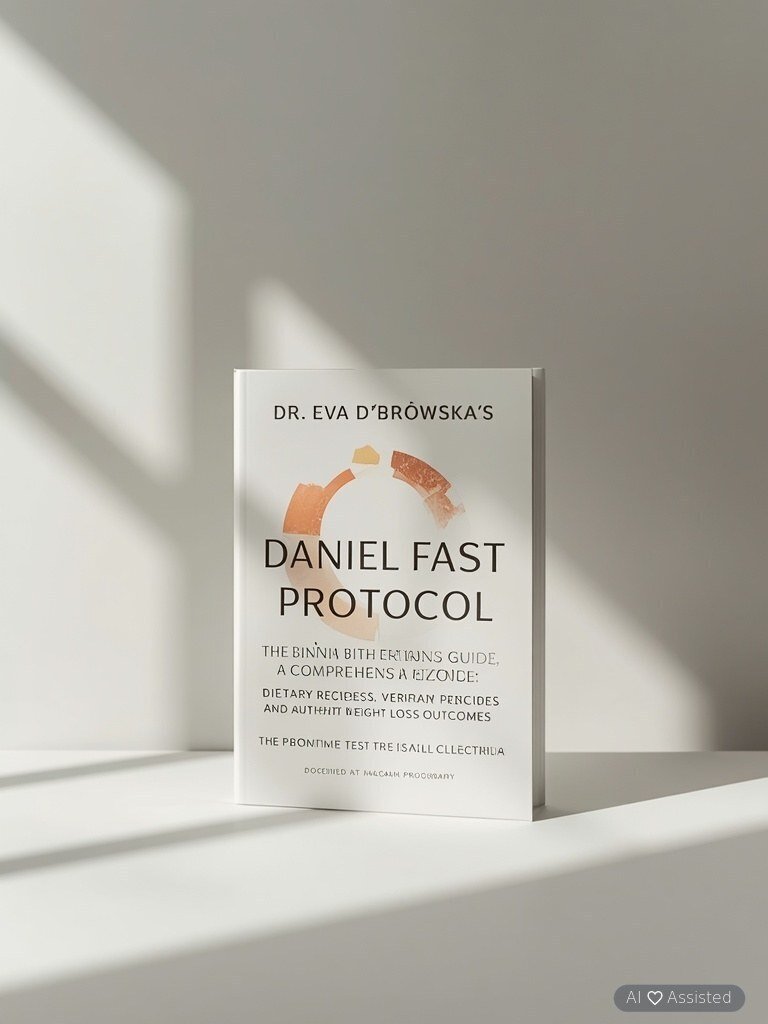
Dr. Eva Dąbrowska’s Daniel Fast Protocol – Evidence-Based Nutrition, Authentic Recipes, and Sustainable Weight Management

Dr. Eva Dąbrowska’s Daniel Fast Protocol – Evidence-Based Nutrition, Authentic Recipes, and Sustainable Weight Management

Dr. Eva Dąbrowska’s Daniel Fast Protocol is a structured nutritional approach rooted in detoxification, fat reduction, and metabolic optimization, drawing inspiration from biblical fasting traditions. This method integrates scientific evidence with ancient healing practices to systematically break down adipose tissue while enhancing the body’s natural detoxification pathways. But how does it work? What are the underlying physiological and biochemical mechanisms, and which specific dietary principles and recipes make this protocol unique? This comprehensive guide explores the evidence-based foundations, practical implementation, and potential health benefits—always with consideration for individual needs and medical guidance.

Matcha: The Ultimate Japanese Superfood – Scientific Benefits and Perfect Preparation

Matcha: The Ultimate Japanese Superfood – Scientific Benefits and Perfect Preparation

Matcha, the finest shade-grown, stone-ground Japanese green tea powder, stands as one of the most scientifically validated superfoods today. Unlike conventional green tea, matcha allows for the consumption of the entire leaf, delivering a concentrated profile of chlorophyll, L-theanine, and polyphenols—particularly epigallocatechin gallate (EGCG). This unique composition not only enhances the body’s antioxidant defense but also supports cognitive function, regulates blood glucose levels, and exhibits potent anti-inflammatory properties. Research further highlights its cardiovascular benefits and metabolic support. However, unlocking matcha’s full potential requires precise preparation techniques, ranging from traditional tea ceremonies to modern culinary applications.

Swimming for Health and Fitness: Physiological Benefits, Weight Loss Strategies, Gear, and Safety Guidelines

Swimming for Health and Fitness: Physiological Benefits, Weight Loss Strategies, Gear, and Safety Guidelines

Swimming represents one of the most comprehensive aerobic and muscular conditioning disciplines, recruiting over 80% of skeletal musculature while completely offloading compressive stress from joints and the spine. This clinical fitness guide examines water physiology, cardiovascular adaptations, targeted body composition protocols, stroke biomechanics, and essential aquatic gear.

Soybean seed oil – properties, culinary application, and selection criteria

Soybean seed oil – properties, culinary application, and selection criteria

Soybean seed oil, one of the most widely consumed vegetable oils globally, is extracted from the seeds of the soybean plant (Glycine max). Rich in essential unsaturated fatty acids, phytosterols, and vitamins E and K, soybean oil supports lipid homeostasis and cardiovascular integrity when incorporated into a balanced diet and kept free from excessive heat exposure.

Optimizing systemic acid-base equilibrium: A comparative evaluation of alkalizing dietary patterns versus tablet supplementation

Optimizing systemic acid-base equilibrium: A comparative evaluation of alkalizing dietary patterns versus tablet supplementation

The biological concept of systemic acid-base homeostasis has drawn substantial clinical interest in integrative nutrition. Arterial blood pH is tightly regulated within a narrow physiological window of 7.35 to 7.45 by the kidneys, lungs, and chemical buffer systems (bicarbonate, hemoglobin, and phosphate). While nutrition cannot alter systemic blood pH in healthy individuals, chronic overconsumption of acid-precursor foods imposes a measurable load on renal buffering and alters urinary pH.

Optimal sequencing of training goals: muscle mass development versus fat tissue reduction – a practical guide for novices

Optimal sequencing of training goals: muscle mass development versus fat tissue reduction – a practical guide for novices

One of the foundational dilemmas faced by individuals embarking on their strength training journey is the rational prioritization of objectives: should the initial focus be placed on increasing muscle volume or on the reduction of excess adipose tissue? This decision must not be made hastily, as its implications directly influence the efficiency of effort and the outcomes achieved. Of paramount importance is the comprehension of one’s physiological predispositions alongside the ability to tailor strategies to individual conditions. Is there a means to fully harness the potential inherent in beginners in order to select an optimal course of action aligned with evidence-based recommendations?

The foundational pitfall of intermittent fasting cycles: Why short-term caloric restrictions may cause more harm than benefit

The foundational pitfall of intermittent fasting cycles: Why short-term caloric restrictions may cause more harm than benefit

Over the past several years, there has been a marked surge in interest surrounding diverse dietary frameworks centered on severe energy intake restriction, frequently marketed under the labels of "cleansing" or "detoxifying" regimens. While these approaches are routinely praised for their purported metabolic benefits and the pervasive myth of "rapid weight loss," their practical implementation carries substantial systemic risks. The present examination focuses on pinpointing the critical deficiency that undermines the efficacy of short-term fasting protocols—a mechanism that is frequently overlooked in mainstream nutritional discourse despite its profound implications for metabolic health.

Prevalent Nutritional Missteps in Pediatric Diets: Prevention Strategies and Cultivating Lifelong Healthy Habits

Prevalent Nutritional Missteps in Pediatric Diets: Prevention Strategies and Cultivating Lifelong Healthy Habits

Nutritional patterns established during early childhood dictate metabolic health throughout adult life. Coercive feeding, utilizing confectionery as emotional rewards, excess sodium, and vegetable avoidance represent prevalent well-intentioned parental errors. Implementing Ellyn Satter's Division of Responsibility framework establishes relaxed, lifelong nutritional self-regulation.

The HST training system: Advanced muscle hypertrophy protocols leveraging physiological adaptation mechanisms

The HST training system: Advanced muscle hypertrophy protocols leveraging physiological adaptation mechanisms

Following twelve months of consistent resistance training, many strength athletes observe that their previously effective methodologies cease to yield measurable progress. This phenomenon, commonly referred to as a training plateau, arises from the body's adaptive capabilities, which diminish responsiveness to repetitive stimuli over time. To overcome this stagnation phase, a comprehensive revision of training strategies becomes imperative—one that introduces novel, previously unencountered stimuli while simultaneously ensuring optimal recovery periods. Grounded in contemporary exercise physiology research, an innovative training protocol has been developed with the primary objective of maximizing muscular hypertrophy in advanced practitioners. This discussion will examine the HST (Hypertrophy-Specific Training) methodology in depth, exploring both its scientific underpinnings and practical implementation within the framework of long-term physique development.

Male intimate concerns: symptoms and identification methods – a comprehensive guide

Male intimate concerns: symptoms and identification methods – a comprehensive guide

This article presents an in-depth examination of the most prevalent concerns affecting men in the context of their sexual health, accompanied by practical guidance on recognition and potential underlying causes. Both physiological and psychological dimensions are explored, incorporating the latest clinical research and recommendations from specialists in urology and sexology.

Muscle mass optimization – specialist evaluations of the most efficacious supplement for hypertrophy development

Muscle mass optimization – specialist evaluations of the most efficacious supplement for hypertrophy development

Individuals striving to reshape their physique are acutely aware that attaining desired outcomes demands sustained effort and unwavering commitment. A meticulously sculpted musculature emerges from the harmonious interplay of a nutritionally balanced diet, a consistently executed training regimen, and the cultivation of health-promoting lifestyle habits. Nevertheless, the path to achieving these objectives is frequently obstructed by significant challenges—ranging from excessive adiposity and dysregulated metabolic rates (whether abnormally sluggish or excessively accelerated) to deficiencies in specialized knowledge pertaining to sports nutrition and exercise methodologies. Under such circumstances, the strategic incorporation of a premium-grade dietary supplement represents a judicious course of action. **Mass ATTACK** serves as precisely such an adjunct in the pursuit of an ideal physique, its formulation meticulously engineered to enhance post-exercise recovery while systematically accelerating the hypertrophic expansion of muscle fibers.

Sweet Marjoram (Origanum majorana): Therapeutic Properties, Digestive Support, and Inhalation Applications

Sweet Marjoram (Origanum majorana): Therapeutic Properties, Digestive Support, and Inhalation Applications

Sweet marjoram (Origanum majorana), belonging to the mint family (Lamiaceae), seamlessly marries culinary distinction with validated phytotherapeutic potency. Enriched with volatile essential oils prominent in terpinen-4-ol, sabinene, and p-cymene, alongside protective flavonoids and rosmarinic acid, marjoram delivers carminative, antispasmodic, choleretic, and antimicrobial benefits. It serves as an invaluable natural remedy for gastrointestinal spasms, metabolic sluggishness, and respiratory congestion.

Greater Burdock – Therapeutic Properties, Burdock Root Oil Applications, and Its Effects on Hair Vitality and Metabolic Health

Greater Burdock – Therapeutic Properties, Burdock Root Oil Applications, and Its Effects on Hair Vitality and Metabolic Health

Greater burdock (Arctium lappa) is a biennial herbaceous plant of the Asteraceae family whose robust taproots have served as revered botanical medicine across Europe and Asia for centuries. Abundant in prebiotic inulin, polyacetylenes, phytosterols, and phenolic acids, burdock delivers profound anti-inflammatory, antimicrobial, hypoglycemic, and hair follicle-revitalizing benefits.

Bay Leaf – Versatile Ally for Joints, Hair Vitality, and Weight Management. Evidence-Based Therapeutic Properties of Laurus nobilis

Bay Leaf – Versatile Ally for Joints, Hair Vitality, and Weight Management. Evidence-Based Therapeutic Properties of Laurus nobilis

Sweet bay (Laurus nobilis), universally known as the bay leaf, is far more than a staple culinary seasoning; it represents a classical botanical remedy with deep Mediterranean roots. Rich in volatile essential oils, sesquiterpene lactones, and polyphenol antioxidants, bay leaves deliver profound anti-inflammatory, analgesic, digestive, and antimicrobial benefits.

Damiana Leaf – Natural Support for Emotional Balance and Vitality in Men and Women

Damiana Leaf – Natural Support for Emotional Balance and Vitality in Men and Women

The realm of medicinal herbs offers numerous botanicals with clinically substantiated benefits, and Damiana leaf (Turnera diffusa) holds a prominent position among them. Traditionally utilized in Central and South American folk medicine, this remarkable shrub provides multifaceted advantages—from soothing nervous exhaustion and mild anxiety to enhancing libido, reproductive blood flow, and overall vitality in both women and men.

Essential Clinical Laboratory Panels Prior to Nutritional Consultation: Foundational Biomarkers and Precision Diagnostics

Essential Clinical Laboratory Panels Prior to Nutritional Consultation: Foundational Biomarkers and Precision Diagnostics

Evidence-based precision clinical dietetics begins not with subjective assumptions, but with an objective biochemical assessment of systemic metabolism. Diagnostic laboratory panels unveil subclinical nutritional deficiencies, occult insulin resistance, subacute chronic inflammation, thyroid axis dysregulation, and renal-hepatic stress well before overt pathologies emerge. Only upon these objective biomarkers can an individualized, therapeutic nutritional strategy be engineered. This comprehensive clinical guide categorizes necessary diagnostics into foundational panels, expanded metabolic profiles, and targeted specialty functional tests.

L-Carnitine in Clinical Nutrition: Biochemical Synthesis, Mitochondrial Beta-Oxidation, Intake Standards, and Deficiency Syndromes

L-Carnitine in Clinical Nutrition: Biochemical Synthesis, Mitochondrial Beta-Oxidation, Intake Standards, and Deficiency Syndromes

L-carnitine (3-hydroxy-4-trimethylammoniobutanoate) is an indispensable quaternary ammonium compound vital for vertebrate cellular bioenergetics. Operating as an obligatory molecular carrier, L-carnitine shuttles long-chain activated fatty acids across the impermeable inner mitochondrial membrane into the mitochondrial matrix for beta-oxidation and ATP generation. Severe systemic deficiency precipitates cardiomyopathy, skeletal myopathy, and hepatic lipidosis. This clinical review explores its biosynthesis from lysine and methionine, exercise metabolism, dietary norms, and deficiency syndromes.

Lactic Acid and Lactic Acid Bacteria: Exercise Physiology, Lactate Shuttle, and Probiotic Fermentation

Lactic Acid and Lactic Acid Bacteria: Exercise Physiology, Lactate Shuttle, and Probiotic Fermentation

Lactic acid (lactate) was historically mischaracterized by early exercise physiologists as a noxious metabolic waste product causing muscle soreness and fatigue. Contemporary biochemistry has thoroughly dismantled this myth: lactate functions as a dynamic cellular energy fuel, an obligatory mitochondrial substrate via intracellular lactate shuttles, and a potent metabolic signaling molecule. Simultaneously, lactic acid bacteria (LAB) drive gut microbiome integrity and food preservation. This monograph reviews lactate kinetics, the Cori cycle, and probiotic benefits.

Share