


WELCOME & NUTRITION SUPPORT

Preventive Health & Diagnostics

It's a familiar story: You pledge to honor a daily elliptical routine and count every last calorie. But soon, you're eating cupcakes at the office and grabbing happy hour drinks, thinking, 'Oops, diet over.'

I've helped people exactly like you – smart, ambitious, put together – figure out the one thing that eludes them: Their ideal weight and long-term metabolic health. If you're like lots of people I help, you don't like restrictive rules, feel tired often, have tried working out and cutting calories, but need a truly sustainable clinical approach.

Fresh organic green produce in heart shape
HOW TO START

It's Easy to Start Today!

Eat Healthy

Eating habits should be regulated and controlled – only natural organic food will make our body healthy and strong.

Workout Hard

Diet is not the only ingredient of a long happy life. Physical exercise is also important for your health and vitality.

Enjoy Your Life

See how your life becomes a pleasant adventure, full of bright colors and fun activities with sustainable energy.

SERVICES
Personal Health Program

Personal Health Program

It does not matter if you want to lose weight, build lean muscle, or simply improve overall longevity and vitality.

Personal Fitness Trainer

Personal Fitness Trainer

A professional personal training and activity program created specifically with you and your individual goals.

Wellness Counseling

Wellness Counseling

We will be focused and working with you privately every step of the way to achieve permanent habit changes.

Diet Programs

Diet Programs

Healthy eating is one of the best things you can do to prevent and manage chronic health and metabolic problems.

Refreshing Citrus Background
FREE RECOMMENDATIONS

Change Your Health in One Day!

Special Program for Pregnant Women
POPULAR PROGRAMS & CLINICAL PROTOCOLS

Special Program for Pregnant Women

Pregnancy, infancy and early childhood are periods of rapid physiological growth and development. Insufficient nutrition during these critical growth and developmental periods places health and vitality at risk.

As a result, our clinical protocols educate and support pregnant and postpartum women about the importance of balanced micronutrition, gentle exercise, and allergen safety to ensure vibrant health for both mother and child.

8
Programs
161
Happy Customers
7
Awards
117
Success Stories

Subcategories & Topics:

10 areas

Dedicated Articles and Guides

Scientific papers, diet templates, and recommendations in Preventive Health & Diagnostics

30 publications
Chronic Pancreatitis: Clinical Manifestations, Medical Management, and Dietary Guidelines

Chronic Pancreatitis: Clinical Manifestations, Medical Management, and Dietary Guidelines

Chronic pancreatitis (CP) is an insidious, irreversible inflammatory disease characterized by progressive parenchymal destruction, progressive fibrosis, and loss of both exocrine (digestive enzyme-secreting acinar cells) and endocrine (islets of Langerhans producing insulin and glucagon) compartments. In developed nations, chronic alcohol abuse compounded by heavy cigarette smoking represents the predominant etiology, alongside genetic mutations (PRSS1, CFTR, SPINK1), ductal obstruction, and autoimmune mechanisms. The disease severely compromises quality of life due to debilitating abdominal pain, maldigestion, profound malnutrition, and pancreatogenic diabetes, necessitating structured gastroenterological and clinical nutritional interventions.


Hypermagnesemia: Identifying magnesium excess and its associated health hazards

Hypermagnesemia: Identifying magnesium excess and its associated health hazards

Magnesium serves as one of the fundamental intracellular divalent cations within the human body, acting as an indispensable cofactor for upwards of three hundred enzymatic reactions, including nucleic acid synthesis, neuromuscular transmission, and cardiac rhythm regulation. Public awareness is overwhelmingly preoccupied with the hazards of magnesium deficiency, prompting widespread, unmonitored consumption of high-dose oral supplements. Conversely, the reciprocal pathology—hypermagnesemia, defined as serum magnesium concentrations exceeding physiological thresholds—represents an acute, potentially catastrophic clinical emergency. This comprehensive article delineates the pathophysiology of magnesium retention, categorizes clinical manifestations across increasing serum levels, and establishes evidence-based protocols for medical intervention and safe supplementation.

A comparative examination of natural yogurt varieties: Key considerations for consumers

A comparative examination of natural yogurt varieties: Key considerations for consumers

While natural yogurts are broadly perceived as more nutritious than their sweetened, flavored, or dessert-style counterparts—which often fail to meet the technical definition of yogurt—substantial variations exist even within the "natural" category itself in terms of composition, production methods, and health implications. Not all commercially available options qualify as wholesome, health-promoting food products, a distinction that arises from differences in fat content, functional additives, and fermentation techniques employed during manufacturing.

Arterial Hypotension – Clinical Manifestations, Etiological Determinants, and Nutritional Strategies in Prevention and Management

Arterial Hypotension – Clinical Manifestations, Etiological Determinants, and Nutritional Strategies in Prevention and Management

Circulatory disorders represent a widespread health challenge in modern society, predominantly manifested through conditions such as hypertension, ischemic heart disease, cardiac arrhythmias, and chronic venous insufficiency. However, clinical practice frequently encounters the inverse disturbance: chronically reduced arterial blood pressure, known as hypotension. An evidence-based nutritional protocol, targeted fluid balance, and lifestyle adaptations serve as foundational interventions to mitigate hypotensive symptoms. Understanding the neurovascular regulatory mechanisms facilitates effective prevention of orthostatic episodes and restores optimal functional capacity in affected individuals.

Toxic and unhealthy substances found in sugar-sweetened carbonated drinks – a compositional breakdown

Toxic and unhealthy substances found in sugar-sweetened carbonated drinks – a compositional breakdown

High-sugar carbonated beverages have long been recognized as products with demonstrably harmful effects on human health, contributing to the development of numerous metabolic and systemic disorders. Their formulation relies on a combination of intensely sweetening agents, preservatives, and synthetic colorants—substances that, despite their widespread use in the food industry, raise legitimate concerns regarding their necessity. Are there scientifically justified reasons why these components continue to dominate the composition of popular beverages, even though healthier alternatives are readily available?

Harmful weight loss approaches: How to avoid mistakes in the body mass reduction process to prevent damaging your own health

Harmful weight loss approaches: How to avoid mistakes in the body mass reduction process to prevent damaging your own health

Intentional, systematic body fat reduction yields profound cardiometabolic and physiological dividends when executed sensibly. Unfortunately, the pursuit of rapid aesthetic transformations tempts many individuals into adopting perilous weight-loss strategies—including prolonged starvation, monodiets, and illicit pharmacological agents. Such extreme practices jeopardize vital organ function, trigger severe neuroendocrine collapse, and inevitably culminate in rebound weight regain. This clinical analysis exposes the most hazardous dieting errors and establishes evidence-based protocols for sustainable fat loss.

Calcium insufficiency in the human body – distinctive symptoms, cutaneous manifestations, and long-term health repercussions

Calcium insufficiency in the human body – distinctive symptoms, cutaneous manifestations, and long-term health repercussions

Calcium serves as a foundational element in preserving skeletal structural integrity and muscular functionality, while also participating in critical physiological processes such as neural transmission and blood coagulation. Its chronic deficiency, though frequently asymptomatic in early stages, poses a substantial risk to the body’s homeostatic balance. This condition is no longer confined to the elderly population, where absorption may be compromised due to age-related metabolic shifts, but is increasingly identified among middle-aged adults, adolescents, and even pediatric patients. This article provides a comprehensive examination of hypocalcemia, with particular emphasis on its clinical manifestations—including dermatological alterations—as well as the potential health consequences that may arise in the absence of timely and appropriate therapeutic measures.

Iodine imbalance disorders: consequences of deficiency and excess. The role of iodine in the prenatal period and childhood development

Iodine imbalance disorders: consequences of deficiency and excess. The role of iodine in the prenatal period and childhood development

Iodine, an essential trace element for thyroid hormone synthesis, is naturally found in seafood, cruciferous vegetables such as broccoli, cabbage, and Brussels sprouts, as well as in marine aerosols. Due to widespread deficiency, it is routinely added to table salt. However, what are the clinical and metabolic consequences of chronic iodine deficiency or excess? How do these imbalances affect pregnancy outcomes, fetal development, and children’s health across different age groups, considering their physiological requirements and developmental vulnerabilities?

Vitamin B deficiency: Symptoms, risks, and dietary sources of B vitamins

Vitamin B deficiency: Symptoms, risks, and dietary sources of B vitamins

B vitamins are essential organic compounds critical for maintaining the body’s homeostatic balance, including metabolic reactions, neurotransmitter synthesis, and tissue repair mechanisms. The B-vitamin complex is particularly vital for regulating nervous system function, thereby supporting psychological stability and cognitive performance. Inadequate intake of these vitamins may lead to neurological dysfunction, impaired concentration, or depressive disorders. Furthermore, B vitamins are indispensable for cellular energy metabolism, bolstering immune responses and maintaining the integrity of skin and mucosal membranes. Given the significant health risks associated with prolonged deficiencies, it is imperative to recognize symptomatic manifestations and identify dietary sources of these micronutrients to prevent deficiencies effectively.

Probiotics for Infants and Children: Evidence-Based Strain Selection and Clinical Applications

Probiotics for Infants and Children: Evidence-Based Strain Selection and Clinical Applications

The gut microbiome of infants and children undergoes critical maturation during the first years of life, directly influencing systemic immunity, metabolic health, and even neurocognitive development. During this sensitive window—particularly within the first 1000 days—strategic probiotic interventions can modulate immune tolerance, reduce allergy risk, and mitigate gastrointestinal dysfunction. This clinical review synthesizes evidence-based guidelines for pediatric probiotic use, emphasizes strain-specific efficacy, and addresses safety considerations alongside natural dietary sources. Key focus areas include optimal timing for intervention, clinically validated strains, and the integration of probiotics into preventive and therapeutic pediatric care.

Therapeutic Nutritional Formulations in Enteral and Parenteral Nutrition Therapy: Clinical Applications

Therapeutic Nutritional Formulations in Enteral and Parenteral Nutrition Therapy: Clinical Applications

In clinical nutrition therapy, enteral and parenteral formulations are indispensable for patients with impaired oral intake or compromised gastrointestinal function. Enteral nutrition is administered directly into the gastrointestinal tract, whereas parenteral nutrition bypasses the digestive system entirely, delivering essential nutrients intravenously. Both modalities require meticulous tailoring of macronutrient and micronutrient profiles to meet the patient’s unique metabolic demands, accounting for conditions such as metabolic disorders, critical illness, or chronic malnutrition. Contemporary formulations are designed to provide optimal metabolic support while minimizing adverse effects, such as osmotic stress or metabolic imbalances, through the use of osmotically balanced solutions and evidence-based nutrient ratios.

Do foods genuinely contain natural prebiotics? Mechanisms of action and practical dietary applications in human nutrition

Do foods genuinely contain natural prebiotics? Mechanisms of action and practical dietary applications in human nutrition

From birth, the human gastrointestinal tract hosts a dynamic ecosystem of gut microbiota, which serves as a critical barrier against pathogens. Prebiotics—non-digestible dietary fibers—selectively stimulate the growth of beneficial bacterial strains, including Bifidobacteria and Faecalibacterium prausnitzii. These compounds, naturally occurring in specific plant-based foods, enhance gut health, modulate metabolic pathways, bolster immune function, and even influence mental well-being through the gut-brain axis. Their strategic incorporation into diets holds both preventive and therapeutic potential.

Inappropriate and complication-prone weight loss methods: Mechanisms, risks, and systemic health consequences

Inappropriate and complication-prone weight loss methods: Mechanisms, risks, and systemic health consequences

The phenomenon of cyclical and extreme dietary restriction affects both physically active individuals and those seeking weight loss without structured exercise. Common practices include drastic caloric restriction, highly restrictive elimination diets, or prolonged fasting, all of which often lead to inadequate nutrient intake. While short-term weight loss may occur, these methods pose significant long-term health risks. Frequently, the observed weight loss does not reflect fat reduction but rather water loss, muscle atrophy, or metabolic disturbances. This predisposes individuals to the yo-yo effect and disrupts systemic homeostasis.

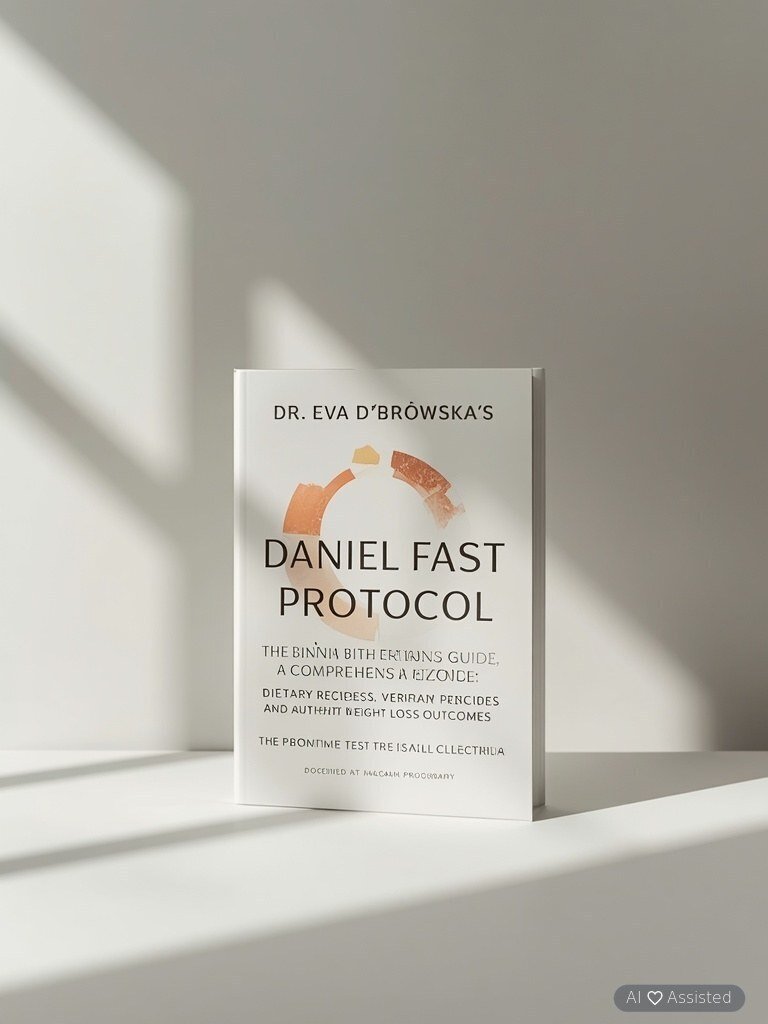
Dr. Eva Dąbrowska’s Daniel Fast Protocol – Evidence-Based Nutrition, Authentic Recipes, and Sustainable Weight Management

Dr. Eva Dąbrowska’s Daniel Fast Protocol – Evidence-Based Nutrition, Authentic Recipes, and Sustainable Weight Management

Dr. Eva Dąbrowska’s Daniel Fast Protocol is a structured nutritional approach rooted in detoxification, fat reduction, and metabolic optimization, drawing inspiration from biblical fasting traditions. This method integrates scientific evidence with ancient healing practices to systematically break down adipose tissue while enhancing the body’s natural detoxification pathways. But how does it work? What are the underlying physiological and biochemical mechanisms, and which specific dietary principles and recipes make this protocol unique? This comprehensive guide explores the evidence-based foundations, practical implementation, and potential health benefits—always with consideration for individual needs and medical guidance.

Leek (Allium porrum): Health benefits, nutritional values, and culinary applications

Leek (Allium porrum): Health benefits, nutritional values, and culinary applications

Leek (Allium porrum) is one of the most fragrant and versatile vegetables in European culinary heritage, serving as a cornerstone of traditional soup mirepoix. As a close botanical relative of garlic and onion, it is richly endowed with bioactive organosulfur compounds, kaempferol, prebiotic inulin, and vital micronutrients. This guide examines its cardioprotective actions, natural diuretic efficacy, support of intestinal microbiota, and delicious culinary techniques.

Comprehensive Guide to Blood Glucose Meters: Electrochemical Biosensors, Testing Technique, and Device Selection

Comprehensive Guide to Blood Glucose Meters: Electrochemical Biosensors, Testing Technique, and Device Selection

A blood glucose meter (glucometer) is a compact, point-of-care medical device designed for self-monitoring of blood glucose (SMBG) utilizing capillary whole blood. It serves as an essential tool for patients managing type 1 diabetes, insulin-treated type 2 diabetes, gestational diabetes, and severe insulin resistance. How do electrochemical biosensors operate within test strips, what constitute standard clinical glycemic targets, and which pre-analytical errors must be eliminated during capillary sampling?

Swimming for Health and Fitness: Physiological Benefits, Weight Loss Strategies, Gear, and Safety Guidelines

Swimming for Health and Fitness: Physiological Benefits, Weight Loss Strategies, Gear, and Safety Guidelines

Swimming represents one of the most comprehensive aerobic and muscular conditioning disciplines, recruiting over 80% of skeletal musculature while completely offloading compressive stress from joints and the spine. This clinical fitness guide examines water physiology, cardiovascular adaptations, targeted body composition protocols, stroke biomechanics, and essential aquatic gear.

Coltsfoot (Tussilago farfara) – medicinal properties, therapeutic use of leaves and syrup in herbal medicine

Coltsfoot (Tussilago farfara) – medicinal properties, therapeutic use of leaves and syrup in herbal medicine

Coltsfoot (Tussilago farfara) is one of the most venerated botanical remedies in respiratory phytotherapy. The mucilage compounds, tannins, and flavonoids concentrated within its leaves and blossoms exert powerful demulcent, antitussive, and anti-inflammatory properties. In this comprehensive monograph, we explore the physiological effects of coltsfoot, preparation methods for medicinal syrups and infusions, and essential safety guidelines regarding pyrrolizidine alkaloids.

Whole grain oat flakes – Micronutrient density, beta-glucan therapeutics, and cardiovascular health

Whole grain oat flakes – Micronutrient density, beta-glucan therapeutics, and cardiovascular health

Whole grain oat flakes rank among the most rigorously validated functional foods in nutritional medicine. As early as 1997, the US Food and Drug Administration (FDA) authorized the landmark health claim confirming that soluble dietary fiber from whole oats significantly mitigates the risk of coronary heart disease. Beyond beta-glucans, oats harbor unique bioactive polyphenols termed avenanthramides that exert potent anti-inflammatory and vasodilatory actions.

Emmer wheat – Unique nutritional profile and traditional applications in modern diets

Emmer wheat – Unique nutritional profile and traditional applications in modern diets

Emmer wheat (Triticum dicoccum), an ancient hulled grain, ranks among the ancestral progenitors of modern cultivated wheat. Revered since Neolithic and biblical eras, it is currently experiencing a prominent revival within nutritional science. Protected by robust outer glumes that safeguard the kernel against external pollutants, emmer delivers superior concentrations of high-quality plant proteins, magnesium, iron, zinc, and potent antioxidant carotenoids like lutein.

Health implications associated with the utilization of synthetic polymer containers in bottle form

Health implications associated with the utilization of synthetic polymer containers in bottle form

Synthetic polymers, colloquially known as plastic, constitute a structural material derived from organic polymeric compounds of either entirely artificial or partially natural origin. Throughout the manufacturing process, these compounds undergo modifications via the incorporation of diverse auxiliary substances designed to impart desired functional characteristics—among these are chromatic pigments for coloration, ultraviolet radiation-resistant compounds to prevent photodegradation, and combustion inhibitors that enhance fire resistance.

Common Wormwood – medicinal properties, therapeutic applications, and associated risks. Recipes for tea, wine, and homemade wormwood tincture

Common Wormwood – medicinal properties, therapeutic applications, and associated risks. Recipes for tea, wine, and homemade wormwood tincture

Common wormwood, scientifically termed Artemisia absinthium, has been a cornerstone of European and Asian traditional medicine for centuries. Its distinctive bitterness and the presence of bioactive compounds—including absinthin and thujone—render it effective in alleviating digestive discomfort, stimulating appetite, and aiding the body’s detoxification mechanisms. While contemporary herbal medicine has renewed interest in its therapeutic potential, prudence remains essential: excessive consumption or prolonged use of wormwood-based preparations may precipitate severe neurological disturbances or hepatotoxic injury.

Common Parsley (Petroselinum crispum): Medicinal Properties, Applications in Teas and Juices, and Its Potential for Weight Management – A Comprehensive Analysis

Common Parsley (Petroselinum crispum): Medicinal Properties, Applications in Teas and Juices, and Its Potential for Weight Management – A Comprehensive Analysis

Cultivated parsley (Petroselinum crispum) is a botanical possessing remarkable phytotherapeutic potency, traditionally employed for renal, urinary, and digestive conditions. This comprehensive guide details the biochemical actions of parsley leaf infusions, decoctions, and fresh juices, exploring their diuretic efficacy and critical safety contraindications in pregnancy.

Sarcopenic obesity: A geriatric syndrome marked by concurrent muscle atrophy and excessive adiposity

Sarcopenic obesity: A geriatric syndrome marked by concurrent muscle atrophy and excessive adiposity

Sarcopenic obesity constitutes a multifaceted pathophysiological condition that emerges with advancing age, defined by the paradoxical coexistence of two opposing phenomena: a progressive increase in overall body mass—primarily driven by excessive accumulation of adipose tissue—concomitant with degenerative muscle deterioration, manifested as reductions in both lean muscle mass and functional capacity. The diagnosis of this syndrome hinges on meeting strictly delineated criteria, which include a body mass index (BMI) exceeding 35 kilograms per square meter, a total body fat percentage surpassing 35%, a fat mass index of at least 9.5 kg/m², alongside a skeletal muscle mass index falling below two standard deviations from the mean reference values established for the 18–39-year-old population cohort.

Milk thistle (Silybum marianum) – therapeutic benefits for liver health, hair vitality, and weight management. Safety considerations during pregnancy

Milk thistle (Silybum marianum) – therapeutic benefits for liver health, hair vitality, and weight management. Safety considerations during pregnancy

Milk thistle, alternatively referred to as blessed thistle, St. Mary’s thistle, or Marian thistle, is a botanical remedy with well-documented hepatoprotective and metabolic regulatory properties. Its primary bioactive compound, silymarin—a complex of flavonolignans—not only enhances the secretion of digestive enzymes but also exhibits cytoprotective effects on hepatocytes, facilitating systemic detoxification and the neutralization of harmful metabolic byproducts.

Milk Thistle (Silybum marianum) – pharmacological profile, recommended dosage regimens, therapeutic applications, and usage restrictions

Milk Thistle (Silybum marianum) – pharmacological profile, recommended dosage regimens, therapeutic applications, and usage restrictions

Milk thistle (Silybum marianum) demonstrates remarkably beneficial health-promoting properties within the human body. Its consistent consumption facilitates effective systemic detoxification by eliminating harmful metabolic byproducts while concurrently aiding in lipid profile optimization. Furthermore, extracts derived from this plant play a pivotal role in supporting hepatic parenchyma regeneration during inflammatory conditions and toxic injury scenarios. The active constituents represent a rich reservoir of silymarin and other well-documented antioxidant agents that scavenge free radicals and protect cellular integrity.

Types of Nuts and Their Beneficial Impact on Health – Characteristics and Integration into Daily Nutrition

Types of Nuts and Their Beneficial Impact on Health – Characteristics and Integration into Daily Nutrition

The diversity of edible nuts available on the global market is remarkable, ranging from domestically cultivable varieties such as walnuts and hazelnuts to subtropical species including almonds, cashews, pistachios, and macadamias. As highly concentrated matrix foods, nuts provide unique combinations of unsaturated fatty acids, vegetable proteins, essential minerals, and polyphenolic antioxidants. This comprehensive nutritional guide explores botanical taxonomy, lipid profiles, clinical health outcomes, and dietary strategies for optimizing daily nut intake.

Omega-9 fatty acid (oleic acid) – biochemical profile, dietary sources, and functional roles in human physiology

Omega-9 fatty acid (oleic acid) – biochemical profile, dietary sources, and functional roles in human physiology

Monounsaturated fatty acids, with omega-9 (oleic acid) being a prominent representative, play a pivotal role in sustaining bodily homeostasis by modulating cellular membrane fluidity, metabolic pathways, and intercellular signaling mechanisms. Serving as both a structural constituent of cell membranes and a precursor to biologically active compounds, this fatty acid must be consistently supplied through a balanced diet to ensure the proper functioning of organ systems and to mitigate the risk of deficiencies that may contribute to metabolic dysregulation or degenerative conditions.

Share