






Preventive Health & Diagnostics • CLINICAL PROTOCOL

Functional Medicine Audits

Personalized, evidence-based nutrition guidelines (EBM) dedicated to Functional Medicine Audits. Balanced macronutrients, micronutrition, and elimination of pro-inflammatory factors.

Functional Medicine Audits
HOW TO START

It's Easy to Start Today!

Eat Healthy

Precisely selected nutrients supporting metabolic balance and tissue regeneration.

Workout Hard

Physical activity safely tailored to your clinical conditions and baseline endurance.

Enjoy Your Life

Psychoemotional balance, restful sleep, and stress reduction as indispensable pillars of recovery.

SERVICES & PROTOCOLS
Personal Health Program

Personal Health Program

Dedicated medical nutrition therapy and dietary protocols for Functional Medicine Audits.

Personal Fitness Trainer

Personal Fitness Trainer

Tailored workout plan and physical exercise supporting therapy.

Wellness Counseling

Wellness Counseling

Specialist support and continuous monitoring of health progress.

Diet Programs

Diet Programs

Precise calculation of BMR, TDEE, and micronutrient balance.

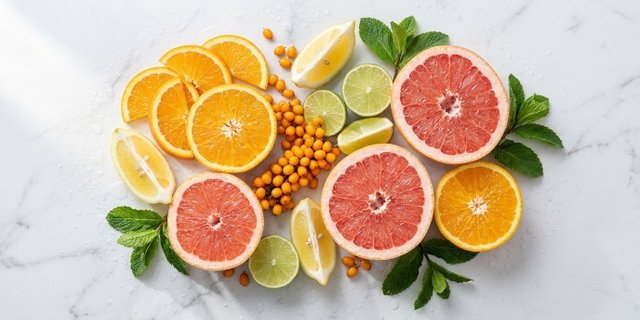
Refreshing Citrus Background
FREE RECOMMENDATIONS

Change Your Health in One Day!

Special Program for Sensitive Nutrition
POPULAR PROGRAMS & CLINICAL PROTOCOLS

Special Program for Sensitive Nutrition

Individually formulated nutrition protocols for individuals managing specific metabolic and allergic requirements in Functional Medicine Audits.

Allergen exclusion, gut microbiota support, and optimization of carbohydrate-lipid metabolism.

8
Programs
161
Happy Customers
7
Awards
117
Success Stories

Other Groups in Category: Preventive Health & Diagnostics

Articles and Guides in — Functional Medicine Audits

Publications, recommendations, and clinical analysis in Functional Medicine Audits

30 publications
Chronic Pancreatitis: Clinical Manifestations, Medical Management, and Dietary Guidelines

Chronic Pancreatitis: Clinical Manifestations, Medical Management, and Dietary Guidelines

Chronic pancreatitis (CP) is an insidious, irreversible inflammatory disease characterized by progressive parenchymal destruction, progressive fibrosis, and loss of both exocrine (digestive enzyme-secreting acinar cells) and endocrine (islets of Langerhans producing insulin and glucagon) compartments. In developed nations, chronic alcohol abuse compounded by heavy cigarette smoking represents the predominant etiology, alongside genetic mutations (PRSS1, CFTR, SPINK1), ductal obstruction, and autoimmune mechanisms. The disease severely compromises quality of life due to debilitating abdominal pain, maldigestion, profound malnutrition, and pancreatogenic diabetes, necessitating structured gastroenterological and clinical nutritional interventions.


A comparative examination of natural yogurt varieties: Key considerations for consumers

A comparative examination of natural yogurt varieties: Key considerations for consumers

While natural yogurts are broadly perceived as more nutritious than their sweetened, flavored, or dessert-style counterparts—which often fail to meet the technical definition of yogurt—substantial variations exist even within the "natural" category itself in terms of composition, production methods, and health implications. Not all commercially available options qualify as wholesome, health-promoting food products, a distinction that arises from differences in fat content, functional additives, and fermentation techniques employed during manufacturing.

Therapeutic Nutritional Formulations in Enteral and Parenteral Nutrition Therapy: Clinical Applications

Therapeutic Nutritional Formulations in Enteral and Parenteral Nutrition Therapy: Clinical Applications

In clinical nutrition therapy, enteral and parenteral formulations are indispensable for patients with impaired oral intake or compromised gastrointestinal function. Enteral nutrition is administered directly into the gastrointestinal tract, whereas parenteral nutrition bypasses the digestive system entirely, delivering essential nutrients intravenously. Both modalities require meticulous tailoring of macronutrient and micronutrient profiles to meet the patient’s unique metabolic demands, accounting for conditions such as metabolic disorders, critical illness, or chronic malnutrition. Contemporary formulations are designed to provide optimal metabolic support while minimizing adverse effects, such as osmotic stress or metabolic imbalances, through the use of osmotically balanced solutions and evidence-based nutrient ratios.

Comprehensive Guide to Blood Glucose Meters: Electrochemical Biosensors, Testing Technique, and Device Selection

Comprehensive Guide to Blood Glucose Meters: Electrochemical Biosensors, Testing Technique, and Device Selection

A blood glucose meter (glucometer) is a compact, point-of-care medical device designed for self-monitoring of blood glucose (SMBG) utilizing capillary whole blood. It serves as an essential tool for patients managing type 1 diabetes, insulin-treated type 2 diabetes, gestational diabetes, and severe insulin resistance. How do electrochemical biosensors operate within test strips, what constitute standard clinical glycemic targets, and which pre-analytical errors must be eliminated during capillary sampling?

Emmer wheat – Unique nutritional profile and traditional applications in modern diets

Emmer wheat – Unique nutritional profile and traditional applications in modern diets

Emmer wheat (Triticum dicoccum), an ancient hulled grain, ranks among the ancestral progenitors of modern cultivated wheat. Revered since Neolithic and biblical eras, it is currently experiencing a prominent revival within nutritional science. Protected by robust outer glumes that safeguard the kernel against external pollutants, emmer delivers superior concentrations of high-quality plant proteins, magnesium, iron, zinc, and potent antioxidant carotenoids like lutein.

Health implications associated with the utilization of synthetic polymer containers in bottle form

Health implications associated with the utilization of synthetic polymer containers in bottle form

Synthetic polymers, colloquially known as plastic, constitute a structural material derived from organic polymeric compounds of either entirely artificial or partially natural origin. Throughout the manufacturing process, these compounds undergo modifications via the incorporation of diverse auxiliary substances designed to impart desired functional characteristics—among these are chromatic pigments for coloration, ultraviolet radiation-resistant compounds to prevent photodegradation, and combustion inhibitors that enhance fire resistance.

Sarcopenic obesity: A geriatric syndrome marked by concurrent muscle atrophy and excessive adiposity

Sarcopenic obesity: A geriatric syndrome marked by concurrent muscle atrophy and excessive adiposity

Sarcopenic obesity constitutes a multifaceted pathophysiological condition that emerges with advancing age, defined by the paradoxical coexistence of two opposing phenomena: a progressive increase in overall body mass—primarily driven by excessive accumulation of adipose tissue—concomitant with degenerative muscle deterioration, manifested as reductions in both lean muscle mass and functional capacity. The diagnosis of this syndrome hinges on meeting strictly delineated criteria, which include a body mass index (BMI) exceeding 35 kilograms per square meter, a total body fat percentage surpassing 35%, a fat mass index of at least 9.5 kg/m², alongside a skeletal muscle mass index falling below two standard deviations from the mean reference values established for the 18–39-year-old population cohort.

Types of Nuts and Their Beneficial Impact on Health – Characteristics and Integration into Daily Nutrition

Types of Nuts and Their Beneficial Impact on Health – Characteristics and Integration into Daily Nutrition

The diversity of edible nuts available on the global market is remarkable, ranging from domestically cultivable varieties such as walnuts and hazelnuts to subtropical species including almonds, cashews, pistachios, and macadamias. As highly concentrated matrix foods, nuts provide unique combinations of unsaturated fatty acids, vegetable proteins, essential minerals, and polyphenolic antioxidants. This comprehensive nutritional guide explores botanical taxonomy, lipid profiles, clinical health outcomes, and dietary strategies for optimizing daily nut intake.

Omega-9 fatty acid (oleic acid) – biochemical profile, dietary sources, and functional roles in human physiology

Omega-9 fatty acid (oleic acid) – biochemical profile, dietary sources, and functional roles in human physiology

Monounsaturated fatty acids, with omega-9 (oleic acid) being a prominent representative, play a pivotal role in sustaining bodily homeostasis by modulating cellular membrane fluidity, metabolic pathways, and intercellular signaling mechanisms. Serving as both a structural constituent of cell membranes and a precursor to biologically active compounds, this fatty acid must be consistently supplied through a balanced diet to ensure the proper functioning of organ systems and to mitigate the risk of deficiencies that may contribute to metabolic dysregulation or degenerative conditions.

Black seed oil (Nigella sativa) – therapeutic properties, thymoquinone, dosage, and health benefits

Black seed oil (Nigella sativa) – therapeutic properties, thymoquinone, dosage, and health benefits

Black cumin seeds (Nigella sativa) represent one of the most thoroughly investigated botanical resources in modern phytotherapy. Cold-pressed black seed oil, enriched with a volatile fraction dominated by thymoquinone, essential unsaturated fatty acids, and natural antioxidants, exerts pronounced immunomodulatory, anti-inflammatory, and bronchodilatory actions that support metabolic and respiratory wellness.

Lacto-fermented cucumbers: Traditional lactic acid fermentation and health attributes

Lacto-fermented cucumbers: Traditional lactic acid fermentation and health attributes

Lacto-fermented cucumbers represent one of the crowning achievements of traditional biological food preservation. They are produced through spontaneous lactic acid fermentation of fresh pickling cucumbers submerged in saline brine supplemented with aromatic botanicals. Lactic acid bacteria (principally Lactobacillus species) ferment simple sugars into lactic acid, yielding the hallmark tart profile, lowering pH, and preventing putrefactive bacterial spoilage.

Pediatric Hypothyroidism: Clinical Manifestations, Growth Impairment, and Levothyroxine Management

Pediatric Hypothyroidism: Clinical Manifestations, Growth Impairment, and Levothyroxine Management

Pediatric hypothyroidism represents a critical endocrine priority because thyroid hormones govern neonatal neurodevelopment, myelination, and childhood epiphyseal linear bone growth. Pathology is divided into congenital hypothyroidism (targeted by neonatal screening heel-prick programs) and acquired hypothyroidism (predominantly juvenile autoimmune Hashimoto's thyroiditis). This clinical guide explores age-dependent symptomatology, bone age radiologic delays, neurocognitive preservation, and weight-adjusted pediatric levothyroxine titration.

Mirror Neurons – Neurobiology of Empathy, Imitation Learning, the Broken Mirror Hypothesis in Autism, and Neurorehabilitation

Mirror Neurons – Neurobiology of Empathy, Imitation Learning, the Broken Mirror Hypothesis in Autism, and Neurorehabilitation

Mirror neurons represent a specialized class of visuomotor neurons that fire both when an individual executes a goal-directed motor action and when observing the identical action performed by another agent. Their breakthrough identification fundamentally transformed cognitive neuroscience, establishing the biological substrate for social empathy, Theory of Mind, language development, and the intuitive deciphering of motor intentionality. This article outlines the landmark discoveries by the Parma research group, human mirror neuron system circuitry, the evaluation of the 'broken mirror' hypothesis in autism, and therapeutic mirror rehabilitation following cerebrovascular events.

Functional Gastrointestinal Disorders and the Brain-Gut-Microbiota Axis: Clinical Diagnostics and Care

Functional Gastrointestinal Disorders and the Brain-Gut-Microbiota Axis: Clinical Diagnostics and Care

Chronic neuropsychological stress and autonomic dysregulation exert direct control over enteric motility, barrier permeability, and visceral hyperalgesia. Colloquially termed 'gastric neurosis', these pathologies are clinically categorized under Rome IV Criteria as Disorders of Gut-Brain Interaction (DGBI), encompassing irritable bowel syndrome (IBS) and functional dyspepsia. This clinical guide covers neurogastroenterology, phytotherapy, and the low-FODMAP protocol.

Hemp Seeds (*Cannabis sativa L.*): Complete Protein Profile, Fatty Acid Ratios, and Clinical Value

Hemp Seeds (*Cannabis sativa L.*): Complete Protein Profile, Fatty Acid Ratios, and Clinical Value

Industrial hemp seeds (Cannabis sativa L.) represent an exceptional botanical whole food boasting an unparalleled nutrient matrix. Harvested from non-psychoactive fiber cultivars (free of delta-9-THC), hemp seeds deliver a complete plant-based protein profile, optimal polyunsaturated fatty acid ratios, and potent micronutrients vital for cardiovascular and metabolic well-being.

Nutrient-dense salvia hispanica seeds – the perfect functional ingredient for blended beverages

Nutrient-dense salvia hispanica seeds – the perfect functional ingredient for blended beverages

Salvia hispanica seeds, universally renowned as chia, represent one of the most nutritionally potent functional ingredients in modern dietetics. Characterized by outstanding hydrocolloid mucilage properties, exceptionally concentrated plant-based omega-3 fatty acids (ALA), complete proteins, and prebiotic soluble fiber, they serve as an optimal matrix enhancer for performance shakes, smoothies, and hydration beverages. This guide examines their physiological impact, proper culinary gel activation, and functional smoothie formulations tailored for recovery and sustained vitality.

The functional specificity of specialized beverages: Core distinctions between isotonic and stimulant formulations and their physiological impact on human biology

The functional specificity of specialized beverages: Core distinctions between isotonic and stimulant formulations and their physiological impact on human biology

Each category of functional beverages exhibits a unique mechanism of action within the human body. The first group ensures optimal hydrational balance, whereas the second systematically facilitates the regulation of water and electrolyte homeostasis. The third variant provides invaluable support in the process of muscular energy restoration, particularly with regard to glycogen reserve replenishment. The fourth category, when administered in a precisely calibrated dosage, exerts a substantial influence on nervous system function—enhancing concentration capabilities and stimulating heightened cognitive performance. Four distinct action profiles correspond to four separate beverage types, each representing the optimal solution within its dedicated domain, provided they are tailored to the individual metabolic requirements of the organism.

A scientific examination of the most frequently used performance-enhancing supplements in strength sports – evaluating genuine efficacy through expert-backed research

A scientific examination of the most frequently used performance-enhancing supplements in strength sports – evaluating genuine efficacy through expert-backed research

Drawing upon rigorous research conducted by specialists at the Central Institute of Sports Medicine alongside experts from the Medical Commission of the Polish Olympic Committee (COMS), this article presents a comprehensive analysis of the most widely used supplements—covering those designed to enhance muscle mass gain, accelerate fat loss, stimulate metabolic processes, or boost energy levels. The discussion also includes a critical review of functional foods, with certain findings potentially challenging widely held assumptions about their true effectiveness.

Lysine – pivotal biological roles, functional significance, and dietary sources in human nutrition

Lysine – pivotal biological roles, functional significance, and dietary sources in human nutrition

Lysine is classified among the essential exogenous amino acids that the human body cannot synthesize independently, with its deficiency potentially triggering severe health complications. Common manifestations of insufficient intake include persistent chronic fatigue, recurrent headaches, compromised immune function, degenerative alterations in hair structure, and the onset of anemic conditions. Are there natural dietary sources capable of effectively meeting the body’s requirement for this critical nutrient?

Fascioliasis (Liver Fluke Infection): Clinical Manifestations, Diagnostic Protocols, and Pharmacotherapy

Fascioliasis (Liver Fluke Infection): Clinical Manifestations, Diagnostic Protocols, and Pharmacotherapy

Fascioliasis is a major foodborne zoonotic trematodiasis caused by the common liver fluke (Fasciola hepatica), which parasitizes the biliary tracts of herbivores and humans. Transmission occurs through ingestion of metacercariae encysted on emergent freshwater aquatic plants (notably wild watercress) or via untreated contaminated surface water. Pathophysiologically, the disease manifests in two distinct stages: an acute hepatic parenchymal migratory phase and a chronic ductal biliary phase. This clinical review outlines life-cycle epidemiology, diagnostic laboratory criteria, and targeted anthelmintic pharmacotherapy.

Modafinil: Pharmacological Profile, Clinical Indications, Dosing Protocols, and Adverse Effects

Modafinil: Pharmacological Profile, Clinical Indications, Dosing Protocols, and Adverse Effects

Modafinil is an established wakefulness-promoting agent (eugeroic) primarily prescribed in clinical sleep medicine for narcolepsy, shift work sleep disorder, and obstructive sleep apnea. Contrasting classic sympathomimetic psychostimulants, it exhibits an atypical neurochemical profile and markedly reduced abuse liability. This clinical monograph examines its synaptic transporter interactions, approved therapeutic indications, titration schedules, and pharmacovigilance considerations.

Milk and dairy products in human nutrition – a comprehensive guide: nutritional value, product types, health benefits, and considerations

Milk and dairy products in human nutrition – a comprehensive guide: nutritional value, product types, health benefits, and considerations

Dairy products have long represented a cornerstone of traditional human nutrition. Consuming 2 to 3 servings of dairy daily is widely recommended by leading nutritional guidelines worldwide. Today’s dairy spectrum ranges from pasteurized fluid milk and functional fermented drinks fortified with targeted probiotic strains to diverse artisanal curd and rennet-ripened cheeses. Discover an evidence-based assessment of dairy nutritional density, clinical advantages, and specific conditions requiring personalized dietary adjustments.

Rapeseed-derived floral nectar substitute – bioactive composition, health-promoting attributes, and functional applications in culinary and cosmetic contexts

Rapeseed-derived floral nectar substitute – bioactive composition, health-promoting attributes, and functional applications in culinary and cosmetic contexts

The Republic of Poland has long maintained a leading position in European honey production, as evidenced by the record harvest of 2006, when a single bee colony succeeded in yielding up to twenty kilograms of this precious natural resource. Overlooking such critical data would represent not only a disregard for its rich nutritional profile but also an obstacle to fully harnessing the therapeutic and culinary potential inherent in this apicultural product.

How much water should you drink daily? Accurate methods for calculating your personalized fluid requirements

How much water should you drink daily? Accurate methods for calculating your personalized fluid requirements

Adequate hydration serves as the cornerstone of optimal bodily function, exerting influence over a multitude of critical physiological processes. Water acts as a universal solvent, facilitating efficient thermoregulation, metabolic optimization, and the targeted delivery of essential micronutrients and macronutrients to tissues throughout the body. Beyond these roles, it plays a pivotal part in detoxification by eliminating metabolic byproducts, enhances nutrient absorption within the gastrointestinal tract, maintains cellular hydration at optimal levels, and preserves homeostatic conditions across mucosal membranes, the musculoskeletal system (including joint lubrication), and ocular structures. Its functional scope further extends to catalyzing enzymatic reactions indispensable for synthesizing biologically active compounds.

Shoulder girdle anatomy and training: A comprehensive guide to structural composition, safe development principles, and optimal exercise techniques

Shoulder girdle anatomy and training: A comprehensive guide to structural composition, safe development principles, and optimal exercise techniques

The methodical development of shoulder girdle musculature represents a foundational component for both visual symmetry of physique and functional athletic performance. Owing to its highly intricate anatomical architecture and extraordinary range of motion, the shoulder joint ranks among the most injury-prone structures in the musculoskeletal system. This treatise outlines the critical morphological features alongside practical guidelines whose implementation serves to minimize injury risk while maximizing training outcomes. Particular emphasis is placed on preventive mechanisms, the disregard of which frequently results in chronic dysfunctions.

The physiological role of copper in humans: implications of deficiency and excess – biochemical characteristics and functional properties of this trace mineral

The physiological role of copper in humans: implications of deficiency and excess – biochemical characteristics and functional properties of this trace mineral

Copper represents an indispensable constituent for the proper functioning of all living organisms, playing a pivotal role in growth processes, developmental progression, and the maintenance of systemic homeostasis. Despite being classified as a trace element—present in minute quantities—it participates in critical metabolic, enzymatic, and structural reactions within the body. Both its chronic deficiency and excessive accumulation beyond physiological thresholds can precipitate severe physiological disruptions, thereby emphasizing the necessity of precise regulatory mechanisms governing its systemic balance.

Passion fruit – nutritional characteristics, purchasing locations, pricing, and practical guidelines for its consumption

Passion fruit – nutritional characteristics, purchasing locations, pricing, and practical guidelines for its consumption

Recent years have witnessed a growing consumer preference for both unrefined and exotic food items distinguished by their remarkable health-promoting properties. These products are abundant in vitamins, trace minerals, antioxidants, and a multitude of other bioactive constituents that exert beneficial effects on human physiological functions. Consequently, they frequently serve as the foundation for functional foods or are incorporated into dietary supplements and nutritional formulations designed to support overall well-being.

Share