



WELCOME & NUTRITION SUPPORT

Naturopathic Medicine and Herbalism

It's a familiar story: You pledge to honor a daily elliptical routine and count every last calorie. But soon, you're eating cupcakes at the office and grabbing happy hour drinks, thinking, 'Oops, diet over.'

I've helped people exactly like you – smart, ambitious, put together – figure out the one thing that eludes them: Their ideal weight and long-term metabolic health. If you're like lots of people I help, you don't like restrictive rules, feel tired often, have tried working out and cutting calories, but need a truly sustainable clinical approach.

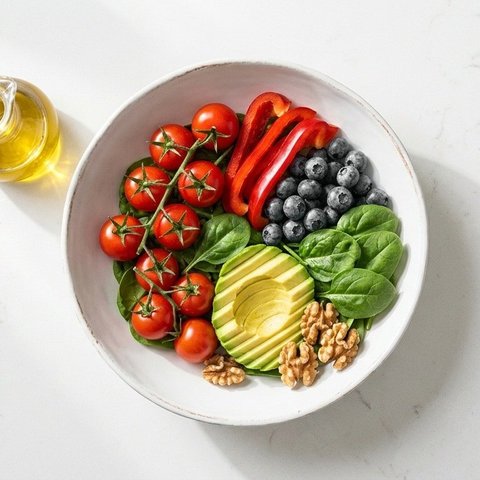
Fresh organic green produce in heart shape
HOW TO START

It's Easy to Start Today!

Eat Healthy

Eating habits should be regulated and controlled – only natural organic food will make our body healthy and strong.

Workout Hard

Diet is not the only ingredient of a long happy life. Physical exercise is also important for your health and vitality.

Enjoy Your Life

See how your life becomes a pleasant adventure, full of bright colors and fun activities with sustainable energy.

SERVICES
Personal Health Program

Personal Health Program

It does not matter if you want to lose weight, build lean muscle, or simply improve overall longevity and vitality.

Personal Fitness Trainer

Personal Fitness Trainer

A professional personal training and activity program created specifically with you and your individual goals.

Wellness Counseling

Wellness Counseling

We will be focused and working with you privately every step of the way to achieve permanent habit changes.

Diet Programs

Diet Programs

Healthy eating is one of the best things you can do to prevent and manage chronic health and metabolic problems.

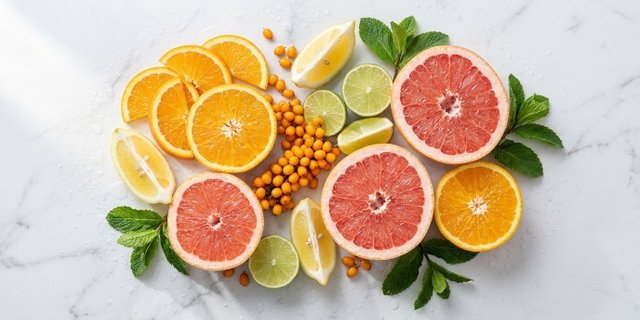
Refreshing Citrus Background
FREE RECOMMENDATIONS

Change Your Health in One Day!

Special Program for Pregnant Women
POPULAR PROGRAMS & CLINICAL PROTOCOLS

Special Program for Pregnant Women

Pregnancy, infancy and early childhood are periods of rapid physiological growth and development. Insufficient nutrition during these critical growth and developmental periods places health and vitality at risk.

As a result, our clinical protocols educate and support pregnant and postpartum women about the importance of balanced micronutrition, gentle exercise, and allergen safety to ensure vibrant health for both mother and child.

8
Programs
161
Happy Customers
7
Awards
117
Success Stories

Subcategories & Topics:

10 areas

Dedicated Articles and Guides

Scientific papers, diet templates, and recommendations in Naturopathic Medicine and Herbalism

30 publications
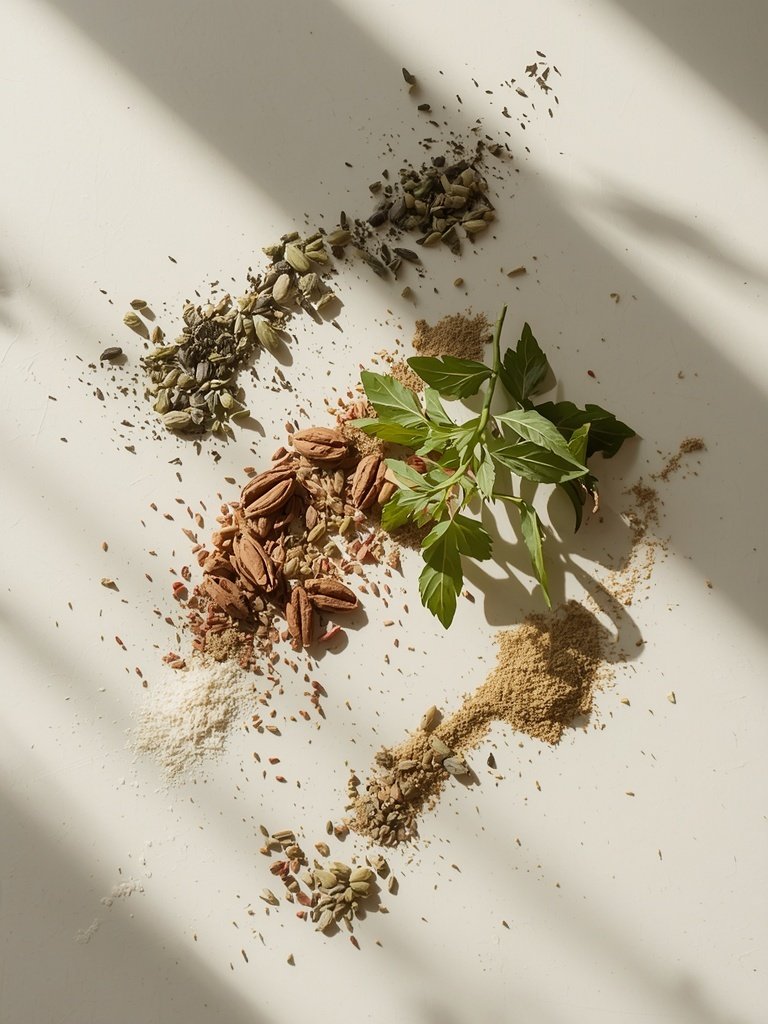
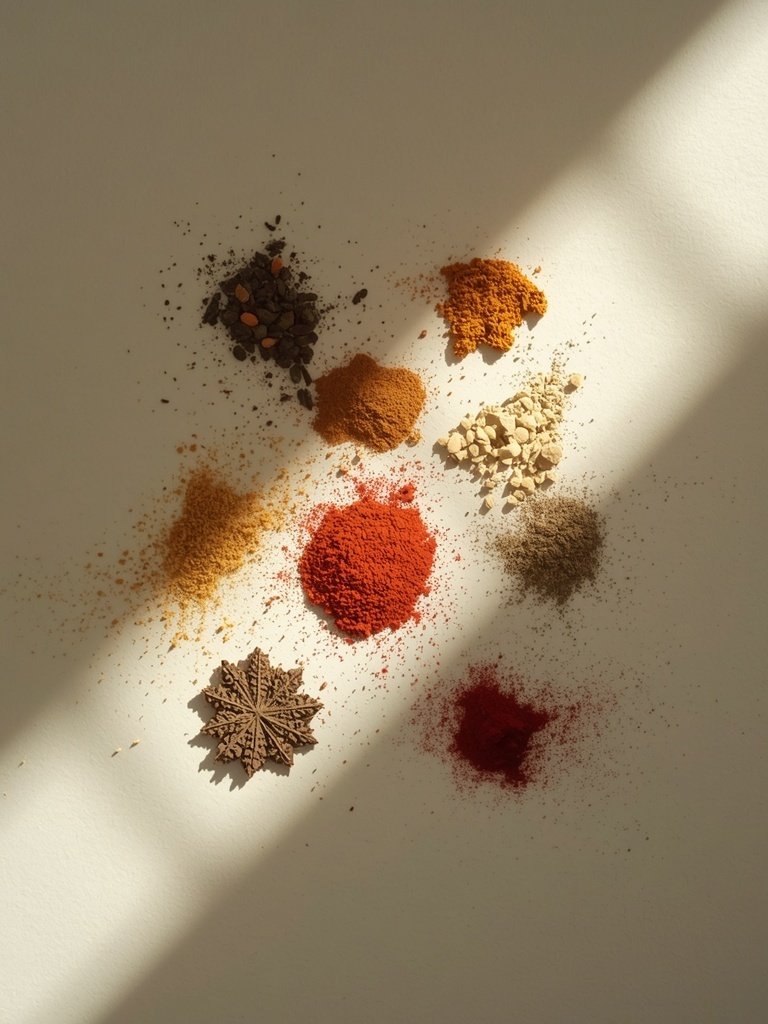
Aromatic culinary additions that revolutionize the taste of dishes and effectively replace salt in the daily diet

Aromatic culinary additions that revolutionize the taste of dishes and effectively replace salt in the daily diet

Table salt is universally embraced as a culinary flavor enhancer, yet excessive dietary sodium represents a primary clinical driver of hypertension, cerebrovascular accidents, and renal dysfunction. While the World Health Organization (WHO) urges limiting sodium intake to under 5 g of salt daily, the modern diet routinely delivers double this threshold. Slashing sodium never requires resigning oneself to bland, tasteless meals. Utilizing aromatic culinary herbs, pungent roots, citrus zests, and umami-rich natural spices unlocks intricate gastronomic dimensions, elevating everyday dining while safeguarding cardiovascular health.

Clinical Psychology: A Comprehensive Compendium of Research, Diagnostic Methods, and Career Perspectives

Clinical Psychology: A Comprehensive Compendium of Research, Diagnostic Methods, and Career Perspectives

Clinical psychology stands as one of the most prominent, rigorous, and rapidly advancing branches of applied psychology, dedicated to the scientific assessment, diagnosis, prevention, and evidence-based treatment of psychiatric, emotional, and behavioral disorders. Integrating empirical psychological science with clinical healthcare practice, it investigates the root mechanisms of psychological suffering to cultivate sustainable human flourishing and psychological resilience. Spanning neuropsychological assessment, psychotherapeutic interventions for mood and anxiety disorders, and psychosomatic health psychology, it represents an essential cornerstone of contemporary mental healthcare.

The Role of Spices in a Children's Diet – Beneficial, Permissible, and Contraindicated Flavorings

The Role of Spices in a Children's Diet – Beneficial, Permissible, and Contraindicated Flavorings

The foundational development of taste preferences begins in utero and during lactation, accelerating dramatically during complementary feeding introduction after 6 months of age. Pervasive misconceptions often lead caregivers to avoid seasonings entirely, serving bland, uninspiring purees. In reality, introducing natural herbs and gentle spices is not only developmentally safe but exceptionally beneficial: it cultivates broad palate acceptance, stimulates digestive secretions, and supplies natural phytonutrients. However, parental discernment is essential to clearly delineate gentle, therapeutic botanicals from contraindicated additives such as sodium chloride, synthetic flavor enhancers, and fiery irritants.

Psychodietetics: A holistic approach to lasting habit change and a harmonious relationship with food

Psychodietetics: A holistic approach to lasting habit change and a harmonious relationship with food

Psychodietetics is an interdisciplinary field integrating clinical nutrition, health psychology, psychotherapy, and behavioral neuroscience. It developed as an evidence-based response to the chronic failure of conventional diet culture, which relies on rigid meal plans, obsessive caloric accounting, and punitive rules. Psychodietetics acknowledges that humans are emotional beings; what we consume is inseparable from our cognitive schemas, emotional regulation capacities, interpersonal dynamics, and self-worth. Rather than merely prescribing what to eat, psychodietetic interventions investigate why, when, and how we eat, restoring a flexible, balanced, and sustainable relationship with food.

Factors, diagnostic methods, and therapies for male infertility: andrology, lifestyle, and diet therapy

Factors, diagnostic methods, and therapies for male infertility: andrology, lifestyle, and diet therapy

Couple infertility is clinically defined by the failure to achieve clinical pregnancy after 12 months of regular, unprotected sexual intercourse. Modern reproductive medicine demonstrates that male factor infertility contributes solely or in combination to approximately 50% of all infertility cases. Epidemiological data highlight a concerning, secular decline in global semen parameters over recent decades. While congenital anatomical defects and chromosomal abnormalities represent established etiologies, environmental pollutants, endocrine-disrupting chemicals (EDCs), systemic oxidative stress, obesity, and micronutrient-depleted diets play substantial roles in impaired spermatogenesis.

Hiatal hernia – symptoms, diagnosis, and diet for esophageal tumor hernia

Hiatal hernia – symptoms, diagnosis, and diet for esophageal tumor hernia

A hiatal hernia, colloquially referred to as gastric displacement into the chest cavity, occurs when the proximal portion of the stomach protrudes through the diaphragmatic esophageal hiatus into the mediastinum. The diaphragm serves as the primary respiratory barrier separating the abdominal and thoracic compartments, featuring a small hiatus through which the esophagus normally reaches the gastric cardia. When this muscular opening widens and supporting phrenoesophageal ligaments weaken, the lower esophageal sphincter is compromised, leading to severe gastroesophageal reflux and requiring structured nutritional and medical management.

Kidney Dysfunction – A Holistic Therapeutic Approach: The Role of Herbs in Kidney Regeneration and Protection

Kidney Dysfunction – A Holistic Therapeutic Approach: The Role of Herbs in Kidney Regeneration and Protection

A steadily growing patient population grapples with diverse renal dysfunctions, presenting a significant challenge to contemporary medical practice. The implementation of effective therapeutic strategies is paramount to halt disease progression, prevent severe complications—such as organ failure necessitating dialysis or transplantation—and avoid fatal outcomes. While modern pharmacotherapy provides an extensive array of advanced medications, it is critical to acknowledge that prolonged use may adversely affect not only hepatic function but also renal integrity, further burdening an already compromised system. In this context, natural alternatives in the form of medicinal plants emerge as invaluable assets, with properties validated by both traditional knowledge and cutting-edge research. These botanical remedies not only complement conventional treatments but may also facilitate complete tissue regeneration without inflicting additional harm on the organism.

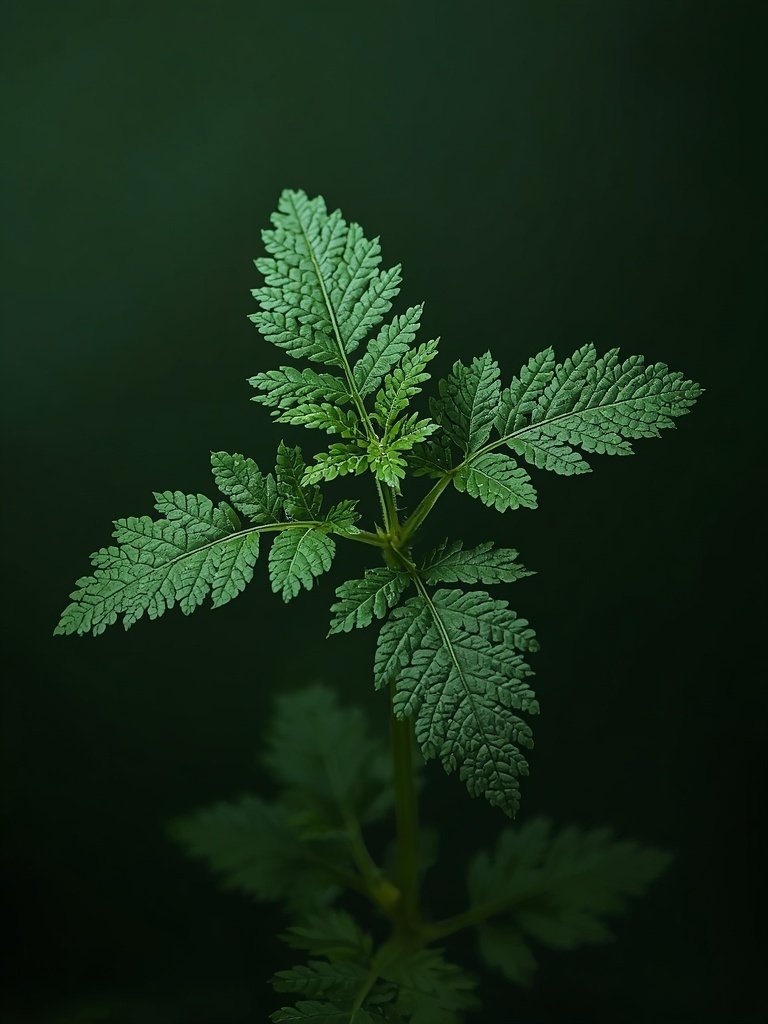
Common wormwood (*Tanacetum vulgare*): pharmacological profile, usage limitations, and thujone toxicity – a comprehensive guide

Common wormwood (*Tanacetum vulgare*): pharmacological profile, usage limitations, and thujone toxicity – a comprehensive guide

Common tansy (Tanacetum vulgare) is an aromatic herb with centuries of traditional use, which has become the subject of stringent toxicological reappraisal in modern clinical medicine. While historical folk practice utilized tansy infusions as anthelmintic and carminative remedies, contemporary pharmacognosy highlights severe neurotoxic and organotoxic hazards primarily driven by beta-thujone. The European Medicines Agency (EMA) and official pharmacopoeias firmly advise against the internal consumption of raw tansy preparations. This comprehensive guide outlines the plant's phytochemical matrix, the precise neuropharmacological mechanisms of thujone toxicity, absolute contraindications (with special emphasis on pregnancy), and the evidence-based parameters for its safe, strictly external application.

Key indicators necessary to create a personalized, nutritionally balanced diet plan

Key indicators necessary to create a personalized, nutritionally balanced diet plan

A meticulously tailored nutrition plan is the cornerstone of sustainable health and peak physical performance. However, no one-size-fits-all approach exists—each individual requires a unique adjustment based on biological markers and lifestyle factors. Designing a balanced dietary regimen demands precise calculations of basal metabolic rate (BMR), total daily energy expenditure (TDEE), physical activity levels, body composition, and metabolic health. This clinical guide outlines the critical metrics essential for crafting a personalized, evidence-based nutrition strategy that is both scientifically sound and practically implementable.

Leek in the Daily Diet: Nutritional Values, Calories, and Culinary Inspiration

Leek in the Daily Diet: Nutritional Values, Calories, and Culinary Inspiration

The leek (Allium porrum) belongs to the amaryllis family (Amaryllidaceae), closely related to garlic, onions, and chives. Its edible parts include a tender, elongated bulb with smooth contours and flat, ribbon-like leaves, while the stem forms the so-called “heel”—a shortened, thickened section. Leeks are renowned for their robust, slightly pungent flavor and aromatic profile, which can evoke strong reactions—from enthusiastic appreciation to outright aversion. Historically, they played a crucial role in European cuisine and herbal medicine, yet their nutritional value remains undervalued in modern diets.

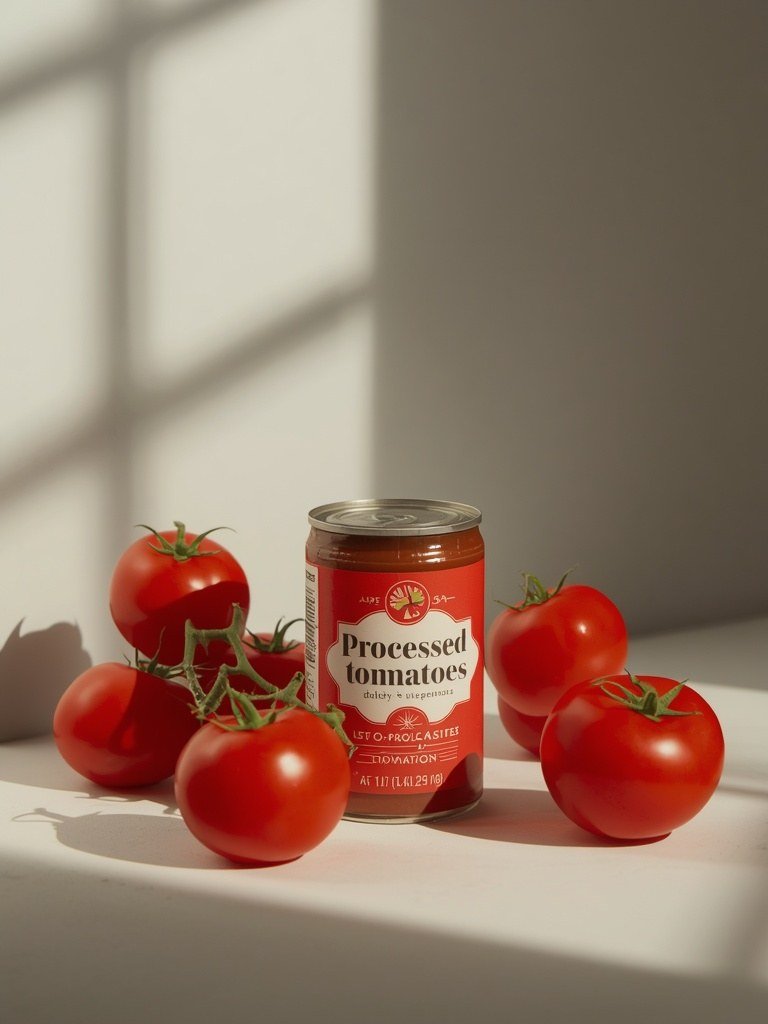
Canned tomatoes – nutritional values, production process, and culinary uses

Canned tomatoes – nutritional values, production process, and culinary uses

Processed tomato products, particularly canned whole peeled (pelati) and diced tomatoes, constitute an indispensable staple in contemporary wholesome cooking. Contrary to the common assumption that industrial food processing diminishes nutritional quality, thermal pasteurization drastically enhances the intestinal bioavailability of lycopene. How are canned tomatoes processed, which micronutrients survive thermal canning, and how are they optimally integrated into balanced meal preparation?

Nettle in trichology and phytotherapy: effect on hair growth, iron metabolism, and anemia prevention

Nettle in trichology and phytotherapy: effect on hair growth, iron metabolism, and anemia prevention

Stinging nettle (Urtica dioica) represents a cornerstone botanical in contemporary trichology and herbal medicine. Highly concentrated in bioavailable silica, elemental sulfur, zinc, B-complex vitamins, ascorbic acid, chlorophyll, and non-heme iron, nettle exerts systemic and localized benefits. How do nettle extracts inhibit 5-alpha-reductase to counter DHT-induced hair follicle miniaturization, how do they facilitate ferritin replenishment in iron-deficiency anemia, and how should topical rinses and internal infusions be safely deployed?

Coltsfoot (Tussilago farfara) – traditional properties and uses of leaves and syrup

Coltsfoot (Tussilago farfara) – traditional properties and uses of leaves and syrup

Coltsfoot (Tussilago farfara) is one of the most venerated botanical remedies in respiratory phytotherapy. The mucilage compounds, tannins, and flavonoids concentrated within its leaves and blossoms exert powerful demulcent, antitussive, and anti-inflammatory properties. In this comprehensive monograph, we explore the physiological effects of coltsfoot, preparation methods for medicinal syrups and infusions, and essential safety guidelines regarding pyrrolizidine alkaloids.

Hypericum perforatum – characteristics, mechanisms of action, preparations, and safety profile

Hypericum perforatum – characteristics, mechanisms of action, preparations, and safety profile

Black cohosh (Actaea racemosa, formerly Cimicifuga racemosa) represents an established North American medicinal herb recognized as a premier phytotherapeutic agent for climacteric complaints. Its underground rhizomes concentrate triterpene glycosides and phenolic acids that modulate neuroendocrine pathways, alleviating vasomotor hot flashes, diaphoresis, and sleep fragmentation without exerting unwanted estrogenic proliferation on uterine or mammary tissues.

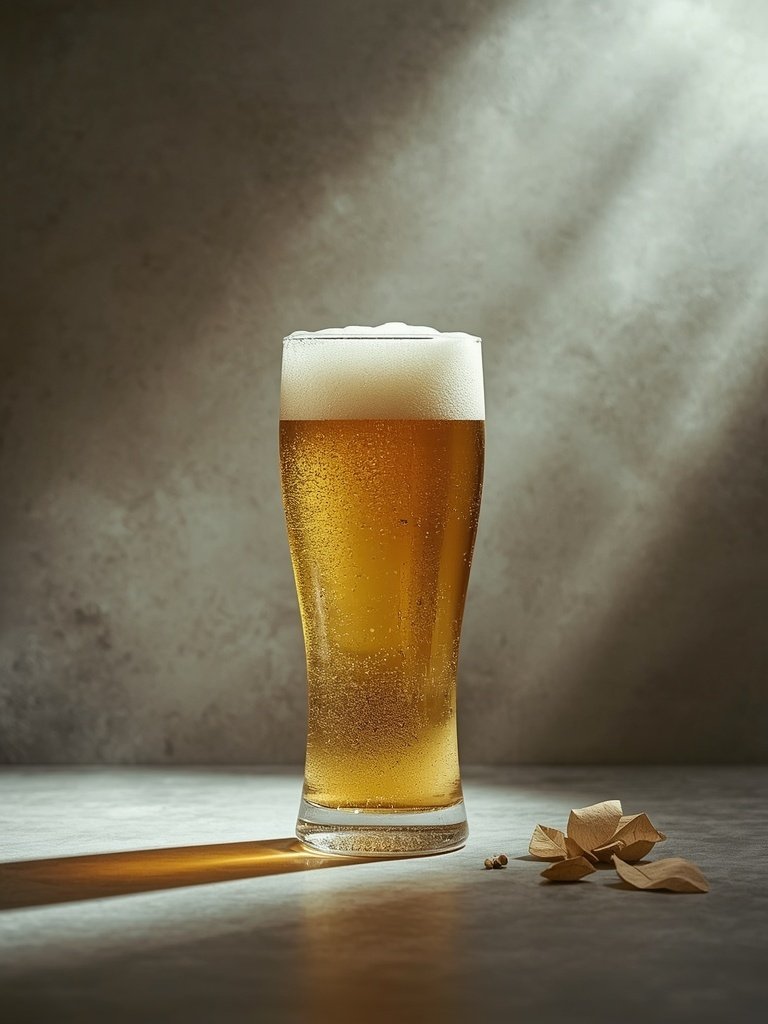
Traditional and modern beer compositions with herbs: characteristics of the varieties and benefits for the body

Traditional and modern beer compositions with herbs: characteristics of the varieties and benefits for the body

Contemporary breweries continually pursue innovative approaches by incorporating meticulously selected herbal blends into traditional beer formulations, which not only amplify and diversify the beverage’s inherent flavor-aroma complexity but also demonstrate well-documented health-promoting properties. These botanical additives—many with centuries-old medicinal applications—have the potential to support the functioning of multiple bodily systems, alleviate symptoms of common ailments, and provide essential trace elements alongside bioactive compounds.

Bitter wormwood – medicinal properties, methods of use, and potential hazards. Recipes for tea, wine, and liqueur from bitter wormwood

Bitter wormwood – medicinal properties, methods of use, and potential hazards. Recipes for tea, wine, and liqueur from bitter wormwood

Common wormwood, scientifically termed Artemisia absinthium, has been a cornerstone of European and Asian traditional medicine for centuries. Its distinctive bitterness and the presence of bioactive compounds—including absinthin and thujone—render it effective in alleviating digestive discomfort, stimulating appetite, and aiding the body’s detoxification mechanisms. While contemporary herbal medicine has renewed interest in its therapeutic potential, prudence remains essential: excessive consumption or prolonged use of wormwood-based preparations may precipitate severe neurological disturbances or hepatotoxic injury.

Parsley: medicinal properties, use in tea and juices, effect on weight loss – a comprehensive guide

Parsley: medicinal properties, use in tea and juices, effect on weight loss – a comprehensive guide

Cultivated parsley (Petroselinum crispum) is a botanical possessing remarkable phytotherapeutic potency, traditionally employed for renal, urinary, and digestive conditions. This comprehensive guide details the biochemical actions of parsley leaf infusions, decoctions, and fresh juices, exploring their diuretic efficacy and critical safety contraindications in pregnancy.

Healthy Eating Guidelines for Children and Adolescents: Strategies for Preventing Overweight in the Developmental Age Group

Healthy Eating Guidelines for Children and Adolescents: Strategies for Preventing Overweight in the Developmental Age Group

Nutritional habits established during childhood and adolescence fundamentally dictate peak bone mass, cognitive performance, and lifetime risk of obesity and type 2 diabetes. This comprehensive pediatric guide examines the youth food pyramid, essential developmental micronutrients (calcium, iron, vitamin D), and evidence-based family strategies to curtail ultra-processed foods.

Comprehensive facial care: cleansing methods, plants supporting skin detoxification, and natural ways to treat acne

Comprehensive facial care: cleansing methods, plants supporting skin detoxification, and natural ways to treat acne

Effective facial cleansing and cutaneous nourishment form the absolute foundation of a healthy complexion and long-term anti-aging defense. Implementing gentle double-cleansing techniques, evidence-based botanical extracts, and restorative home masks preserves the stratum corneum's delicate acid mantle and hydrolipidic integrity without causing irritation.

African Geranium (Pelargonium sidoides DC.) – medicinal properties, mechanism of action, and use in children

African Geranium (Pelargonium sidoides DC.) – medicinal properties, mechanism of action, and use in children

African geranium (Pelargonium sidoides DC.) is a medicinal perennial native to South Africa whose standardized root extract (traditionally known as Umckaloabo or EPs 7630) is backed by extensive randomized controlled clinical trials. Driven by a synergistic matrix of oxygenated coumarins (umckalin), phenolic acids, and oligomeric proanthocyanidins, it exerts a triple therapeutic action in acute respiratory tract infections: antiviral, antibacterial (anti-adhesive), and secretomotoric/immunomodulatory. Discover its clinical applications, dosage forms, and pediatric safety profile.

Enterobiasis – persistent itching, hyperactivity, and therapeutic strategies. Herbal medicine in combating intestinal parasites

Enterobiasis – persistent itching, hyperactivity, and therapeutic strategies. Herbal medicine in combating intestinal parasites

Persistent perianal pruritus, coupled with heightened motor restlessness—particularly during evening and nocturnal hours—constitutes hallmark symptoms of Enterobius vermicularis infection, commonly referred to as pinworm infestation. Is this parasitic invasion confined solely to pediatric populations, or may it likewise affect individuals across all age groups? What additional clinical manifestations accompany enterobiasis, and which therapeutic modalities—ranging from pharmacological interventions to evidence-based phytotherapeutic protocols—can be employed to achieve parasitic eradication and symptomatic relief?

Wild rose and its fruits: characterization of bioactive components, drying preservation methods, and potential practical applications in dietetics and herbal medicine

Wild rose and its fruits: characterization of bioactive components, drying preservation methods, and potential practical applications in dietetics and herbal medicine

Over recent years, there has been a notable resurgence of interest in medicinal and edible plants that, for centuries, formed the cornerstone of both traditional folk medicine and daily nutrition before being displaced by modern pharmaceutical formulations and industrially processed foods. Among these overlooked yet extraordinarily valuable species, the wild rose (Rosa spp.) occupies a distinguished position, with its fruits—commonly referred to as rose hips—exhibiting a distinctive phytochemical composition. Scientific evidence substantiates that the compounds present within these fruits demonstrate multifaceted health-promoting effects, rendering them a subject of rigorous investigation in the context of preventing lifestyle-related diseases and augmenting complementary therapeutic interventions.

Use of camphor oil in alleviating ear pain and other ailments – characteristics and definition of camphor

Use of camphor oil in alleviating ear pain and other ailments – characteristics and definition of camphor

Camphor oil represents a versatile natural preparation widely utilized in both therapeutic practices and cosmetic manufacturing. It is a common ingredient in various body ointments, aromatherapy formulations, and numerous plant-based skincare products. Nevertheless, how many individuals are fully aware of what this oil precisely entails—its constituent compounds, and the medicinal as well as cosmetic properties attributed to it in both traditional and contemporary applications?

Does castor oil actually bring benefits in facial and eye area skincare? Scientific analysis and practical application

Does castor oil actually bring benefits in facial and eye area skincare? Scientific analysis and practical application

For millennia, castor oil—derived from the seeds of Ricinus communis—has served as a cornerstone of traditional dermatological remedies. Its distinctive properties, including anti-inflammatory, deeply hydrating, and epidermis-regenerating effects, have earned it recognition in both Ayurvedic medicine and contemporary skincare practices. Across South Asia, it is widely employed not only to soothe skin irritations but also as an adjunctive therapy to accelerate tissue repair and modulate the body’s immune response.

Marshmallow oil – medicinal properties, joint regeneration, allantoin, and safe external use

Marshmallow oil – medicinal properties, joint regeneration, allantoin, and safe external use

Comfrey (Symphytum officinale) has been esteemed since antiquity as a preeminent botanical remedy for musculoskeletal repair. Comfrey-infused oil, prepared via traditional maceration of fresh roots in a nourishing carrier oil, is rich in allantoin, rosmarinic acid, and tannins. It relieves joint and spinal discomfort, accelerates soft tissue healing, and restores damaged skin, provided it is strictly utilized for topical applications only.

Black Seed Oil (Nigella sativa) – Properties, Thymochinone, Dosage, and Application

Black Seed Oil (Nigella sativa) – Properties, Thymochinone, Dosage, and Application

Black cumin seeds (Nigella sativa) represent one of the most thoroughly investigated botanical resources in modern phytotherapy. Cold-pressed black seed oil, enriched with a volatile fraction dominated by thymoquinone, essential unsaturated fatty acids, and natural antioxidants, exerts pronounced immunomodulatory, anti-inflammatory, and bronchodilatory actions that support metabolic and respiratory wellness.

Milk Thistle Oil – Hepatoprotective Properties, Silymarin, Dosage and Application

Milk Thistle Oil – Hepatoprotective Properties, Silymarin, Dosage and Application

Oil extracted from the seeds of milk thistle (Silybum marianum) represents an extraordinary botanical agent with rigorous empirical evidence supporting hepatoprotective efficacy. Combining silymarin flavonolignans, essential linoleic acid, and tocopherols, it promotes hepatocyte regeneration, assists systemic detoxification against xenobiotics, and improves digestive secretion.

Coconut oil and lipid profile: An analysis of the impact on cholesterol levels and cardiovascular health

Coconut oil and lipid profile: An analysis of the impact on cholesterol levels and cardiovascular health

Over the past several years, coconut oil has experienced a notable surge in popularity, becoming a focal point of discussion within nutritional science and healthy lifestyle communities. This natural fat, once sidelined due to its high saturated fat content, is now undergoing a revival—yet its physiological effects remain a subject of debate among researchers and healthcare professionals. Can it truly be considered a health-promoting dietary component, or does its consumption pose potential risks to cardiovascular function?

Proper diet and physical activity are the best way to prevent osteoporosis!

Proper diet and physical activity are the best way to prevent osteoporosis!

Osteoporosis, clinically dubbed the 'silent bone thief', is a systemic skeletal metabolic disorder characterized by low bone mineral density (BMD) and microarchitectural deterioration of osseous tissue. It progresses asymptomatically for decades until presenting catastrophically as a low-trauma fragility fracture (typically of the femoral neck, vertebral bodies, or distal radius). Proactive lifestyle interventions combining osteogenic nutrition with mechanical loading represent the most robust preventive shield.

Share