




WELCOME & NUTRITION SUPPORT

Naturopathic Medicine and Herbalism

It's a familiar story: You pledge to honor a daily elliptical routine and count every last calorie. But soon, you're eating cupcakes at the office and grabbing happy hour drinks, thinking, 'Oops, diet over.'

I've helped people exactly like you – smart, ambitious, put together – figure out the one thing that eludes them: Their ideal weight and long-term metabolic health. If you're like lots of people I help, you don't like restrictive rules, feel tired often, have tried working out and cutting calories, but need a truly sustainable clinical approach.

Fresh organic green produce in heart shape
HOW TO START

It's Easy to Start Today!

Eat Healthy

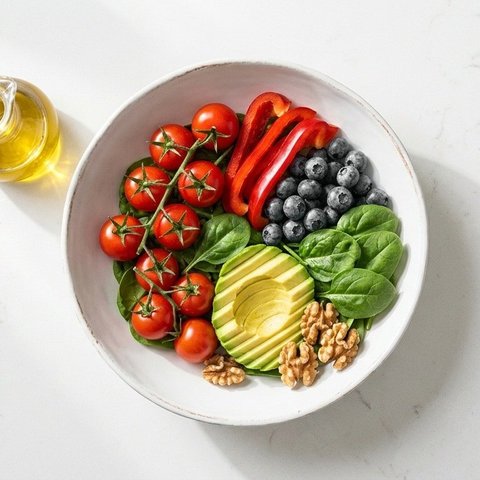
Eating habits should be regulated and controlled – only natural organic food will make our body healthy and strong.

Workout Hard

Diet is not the only ingredient of a long happy life. Physical exercise is also important for your health and vitality.

Enjoy Your Life

See how your life becomes a pleasant adventure, full of bright colors and fun activities with sustainable energy.

SERVICES
Personal Health Program

Personal Health Program

It does not matter if you want to lose weight, build lean muscle, or simply improve overall longevity and vitality.

Personal Fitness Trainer

Personal Fitness Trainer

A professional personal training and activity program created specifically with you and your individual goals.

Wellness Counseling

Wellness Counseling

We will be focused and working with you privately every step of the way to achieve permanent habit changes.

Diet Programs

Diet Programs

Healthy eating is one of the best things you can do to prevent and manage chronic health and metabolic problems.

Refreshing Citrus Background
FREE RECOMMENDATIONS

Change Your Health in One Day!

Special Program for Pregnant Women
POPULAR PROGRAMS & CLINICAL PROTOCOLS

Special Program for Pregnant Women

Pregnancy, infancy and early childhood are periods of rapid physiological growth and development. Insufficient nutrition during these critical growth and developmental periods places health and vitality at risk.

As a result, our clinical protocols educate and support pregnant and postpartum women about the importance of balanced micronutrition, gentle exercise, and allergen safety to ensure vibrant health for both mother and child.

8
Programs
161
Happy Customers
7
Awards
117
Success Stories

Subcategories & Topics:

10 areas

Dedicated Articles and Guides

Scientific papers, diet templates, and recommendations in Naturopathic Medicine and Herbalism

30 publications
Does turmeric aid in weight loss? An analysis of the effectiveness of supplementation in capsule form and its potential metabolic benefits

Does turmeric aid in weight loss? An analysis of the effectiveness of supplementation in capsule form and its potential metabolic benefits

Turmeric (Curcuma longa)—the golden-yellow rhizome prized for its distinctive earthy aroma—has formed a cornerstone of traditional Ayurvedic medicine for millennia. Its primary bioactive constituent is curcumin, a polyphenol with substantiated anti-inflammatory, antioxidant, and metabolic-modulating properties. Modern nutritional science increasingly evaluates curcumin's therapeutic role in facilitating visceral adipose tissue reduction and improving peripheral insulin sensitivity.

Liver regeneration and protection – optimal dietary strategies, herbal medicine, and natural methods to support liver cell regeneration

Liver regeneration and protection – optimal dietary strategies, herbal medicine, and natural methods to support liver cell regeneration

The liver serves as an indispensable hub for maintaining systemic equilibrium, engaging in detoxification processes, metabolic transformations, and the storage of essential nutrients—including fat-soluble vitamins and trace minerals. Its optimal performance may be compromised by factors such as chronic consumption of ultra-processed foods, substance abuse, prolonged pharmaceutical use, or environmental toxin exposure. Are there scientifically validated methods to facilitate the regeneration of this vital organ? Which dietary components and botanical agents demonstrate the most potent hepatoprotective and detoxifying properties?Contemporary clinical nutrition emphasizes that targeted dietary interventions and evidence-based herbal extracts can significantly improve hepatic function and reduce inflammatory pathways. This comprehensive guide explores the scientific mechanisms of liver regeneration, practical nutritional protocols, and proven botanical remedies designed to restore liver health.

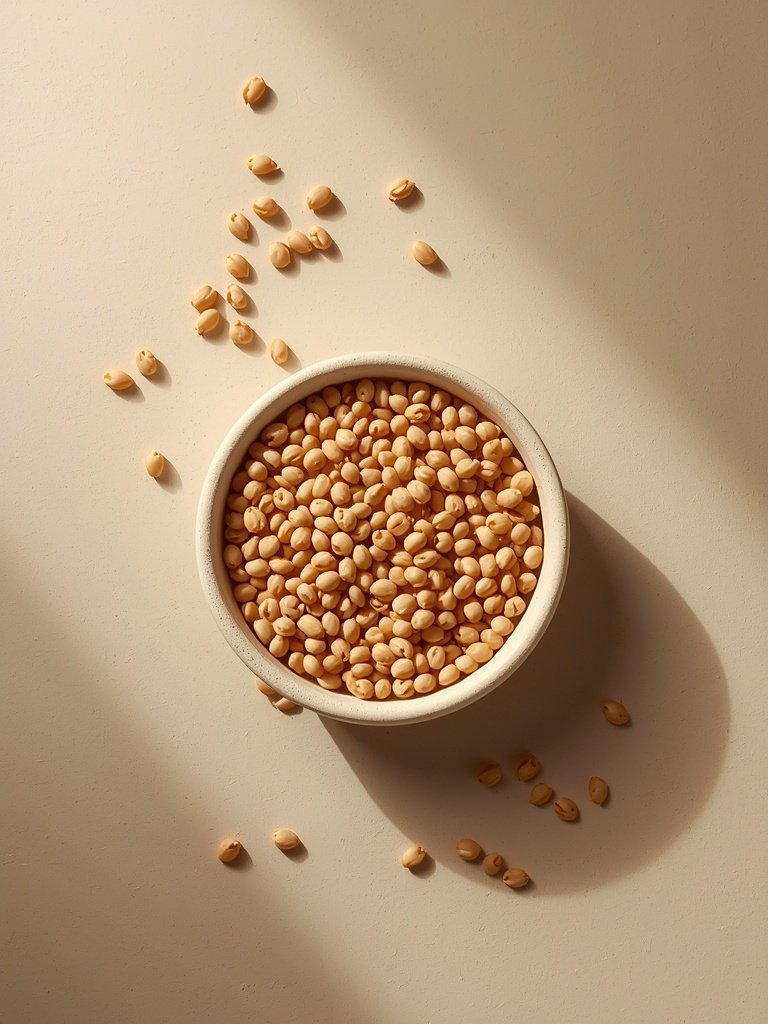
Natural body detoxification thanks to the properties of millet – how to choose the best product and utilize its full cleansing potential

Natural body detoxification thanks to the properties of millet – how to choose the best product and utilize its full cleansing potential

Amid the rising popularity of diverse detoxification aids—ranging from synthetic supplements to herbal concoctions—it is easy to overlook the fact that the most effective and simultaneously safest solutions often lie in traditional, minimally processed food products. Among these, millet groats stand out due to their unique detoxifying properties, which have been validated by both centuries-old culinary traditions and contemporary scientific research. What specific mechanisms underlie its ability to eliminate toxins from the body? And what criteria should guide the selection of the appropriate millet variety to ensure maximum efficacy in the cleansing process while minimizing the risk of adverse effects?

Natural liver cleansing methods: how to support its regeneration with herbs and a balanced diet!

Natural liver cleansing methods: how to support its regeneration with herbs and a balanced diet!

The liver plays a pivotal role within the human body by selectively absorbing essential nutrients while concurrently processing and neutralizing harmful metabolites derived from pharmaceuticals, alcoholic beverages, and various chemical compounds, which are ultimately excreted via the renal system. However, the accumulation of toxic substances within hepatic tissue progressively impairs its operational efficiency, thereby adversely affecting overall bodily functions—including digestive processes, detoxification pathways, and the synthesis of critical proteins and enzymes. Implementing targeted dietary modifications and herbal support is essential to foster tissue repair and maintain long-term metabolic health.

Complete travel first-aid kit: pharmacotherapy for traveler's diarrhea, electrolytes, disinfection, and specifics of trips to the tropics

Complete travel first-aid kit: pharmacotherapy for traveler's diarrhea, electrolytes, disinfection, and specifics of trips to the tropics

A meticulously curated medical travel kit forms the foundational baseline of travel health preparedness across domestic holidays and remote tropical expeditions. Acute traveler's diarrhea, mechanical soft-tissue trauma, solar erythema, and endemic vector-borne infections can abort itineraries and pose severe medical hazards in regions lacking tertiary infrastructure. This clinical travel medicine guide details emergency pharmaceutical kits, oral rehydration protocols, wound antiseptics, malaria chemoprophylaxis, and cold-chain logistics for temperature-sensitive drugs.

Non-alcoholic fatty liver disease (NAFLD/MASLD) – phytotherapy, groundsel and diet

Non-alcoholic fatty liver disease (NAFLD/MASLD) – phytotherapy, groundsel and diet

Metabolic dysfunction-associated steatotic liver disease (MASLD, formerly NAFLD) affects an estimated 25% to 30% of the global adult population. Characterized by intrahepatic triglyceride accumulation exceeding 5% of liver weight in the absence of significant alcohol intake, it is intrinsically coupled with peripheral insulin resistance, visceral adiposity, and systemic low-grade inflammation. This clinical review evaluates molecular disease pathways (lipotoxicity and oxidative stress), dietary interventions prioritizing fructose restriction and the Mediterranean paradigm, and evidence-based phytotherapeutics including silymarin, berberine, and artichoke extract.

Insomnia – causes, neurobiology of sleep, circadian hygiene principles, and phytotherapy in the treatment of insomnia

Insomnia – causes, neurobiology of sleep, circadian hygiene principles, and phytotherapy in the treatment of insomnia

Chronic insomnia afflicts approximately 30–40% of modern populations, representing a major independent risk factor for cardiovascular disease, major depressive disorder, and metabolic dysregulation. Characterized by prolonged sleep onset latency, frequent nocturnal awakenings, or non-restorative sleep, it demands comprehensive clinical evaluation. This guide reviews the neurobiology of sleep-wake cycles (suprachiasmatic nucleus, HPA axis, melatonin secretion), evidence-based behavioral sleep hygiene, and validated botanical medicines (valerian root, hops, passionflower, lemon balm).

Not training? That's like being on a high-fat diet

Not training? That's like being on a high-fat diet

A sedentary lifestyle triggers biochemical adaptations remarkably similar to a diet excessively loaded with saturated fats. During prolonged physical inactivity, the enzymatic activity responsible for hydrolyzing circulating triglycerides in skeletal muscle drops precipitously. This article explains why severe caloric restriction without mechanical stimulus fails and how exercise reprograms lipid clearance.

The therapeutic secrets of comfrey: from tradition to modern application

The therapeutic secrets of comfrey: from tradition to modern application

European goldenrod (Solidago virgaurea L.) is an esteemed botanical in European phytotherapy, formally endorsed for lower urinary tract flushing and inflammatory urological conditions. This review evaluates its phytochemical composition (flavonoids, triterpenoid saponins, leiocarposide), diuretic mechanisms, and practical clinical applications.

Homemade aphrodisiacs for both sexes – natural ingredients from the kitchen pantry that support intimate life

Homemade aphrodisiacs for both sexes – natural ingredients from the kitchen pantry that support intimate life

The term 'aphrodisiac' historically denotes natural foods enhancing libido, fertility, and sexual vitality. From the standpoint of modern endocrinology and nutritional physiology, substantiated natural aphrodisiacs act by optimizing endothelial nitric oxide synthesis (microvascular perfusion), dopamine signaling, and trace mineral availability for sex hormone synthesis.

Effective natural alternatives in the fight against depression: St. John's wort, cocoa, B and D vitamins, adaptogens, and omega-3

Effective natural alternatives in the fight against depression: St. John's wort, cocoa, B and D vitamins, adaptogens, and omega-3

Depressive disorders and subclinical mood disturbances demand multifaceted neurobiological modulation. Integrative nutritional psychiatry increasingly implements validated natural compounds that re-equilibrate monoaminergic neurotransmission, augment hippocampal neuroplasticity (BDNF), and attenuate systemic neuroinflammation.

Plant-based alternatives to antibiotics: natural substances with strong antimicrobial activity and their therapeutic potential

Plant-based alternatives to antibiotics: natural substances with strong antimicrobial activity and their therapeutic potential

Amid escalating global antimicrobial resistance (AMR), plant-derived phytoncides and secondary metabolites represent an indispensable reservoir of complementary antimicrobial therapeutics. This clinical review evaluates the pharmacology, molecular targets, and indications of leading natural agents: allicin from garlic, carvacrol from oregano, and the isoquinoline alkaloid berberine.

Comparison of the medicinal properties of comfrey seeds and root in pediatric therapy – analysis of applications

Comparison of the medicinal properties of comfrey seeds and root in pediatric therapy – analysis of applications

Yellow dock (genus Rumex, primarily Rumex crispus and Rumex obtusifolius) represents a traditional botanical agent characterized by potent astringent, anti-inflammatory, and motility-modulating properties. This clinical review evaluates the phytochemical divergence between dock root and seeds, emphasizing pediatric safety parameters, dosing precautions, and toxicity thresholds.

Calendula officinalis – comprehensive medicinal properties: ointment, infusion, oil, and tincture in phytotherapy

Calendula officinalis – comprehensive medicinal properties: ointment, infusion, oil, and tincture in phytotherapy

Pot Marigold (Calendula officinalis) represents one of the most clinically established botanical medicines in integrative dermatology. Rich in anti-inflammatory faradiol monoesters, flavonoids, carotenoids, and triterpene saponins, it accelerates epithelial granulation, stimulates cellular tissue repair, and resolves mucosal and dermal inflammation.

Hypertension in pregnant women – safe management, monitoring, and limitations of phytotherapy

Hypertension in pregnant women – safe management, monitoring, and limitations of phytotherapy

Hypertensive disorders of pregnancy affect approximately 6–10% of expectant mothers, representing a paramount obstetric challenge. Timely differentiation between chronic hypertension, gestational hypertension, and preeclampsia is essential to prevent maternal-fetal morbidity. Crucially, conventional hypotensive herbs are strictly contraindicated due to potential uterotonic and teratogenic actions.

Is phytotherapy truly an effective therapy based on plant ingredients? Scientific evidence and clinical practice

Is phytotherapy truly an effective therapy based on plant ingredients? Scientific evidence and clinical practice

Phytotherapy, or evidence-based herbal medicine, is undergoing a profound renaissance in modern integrative healthcare. Utilizing cutting-edge analytical methodologies such as high-performance liquid chromatography (HPLC) and DNA barcoding, botanical preparations have evolved from folkloric remedies into rigorous, standardized pharmaceuticals with verified pharmacokinetic and pharmacodynamic profiles.

Peppermint: a versatile remedy for digestive, liver, kidney problems, and diarrhea with documented effects

Peppermint: a versatile remedy for digestive, liver, kidney problems, and diarrhea with documented effects

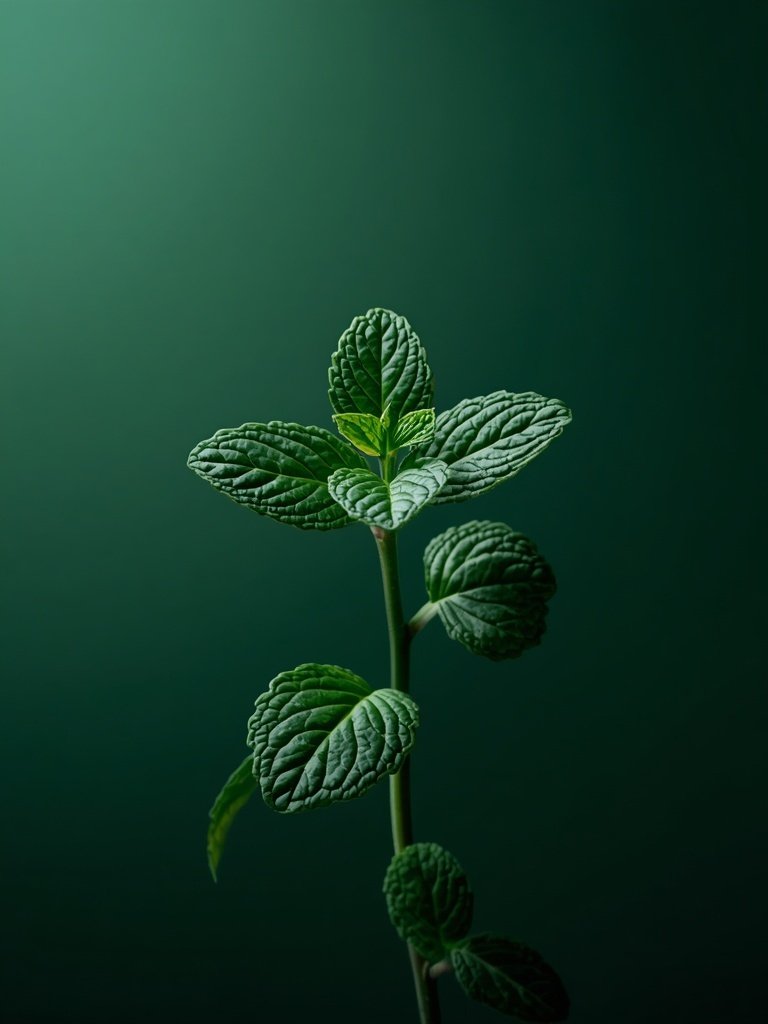
Peppermint (Mentha piperita), a natural sterile hybrid of watermint and spearmint, stands as one of the premier essential oil botanicals in gastroenterological phytotherapy. Its pharmacological potency is anchored in volatile menthol (comprising up to 50% of the oil), menthone, and antioxidant polyphenols (rosmarinic acid, luteolin). Peppermint exerts potent spasmolytic relaxation on intestinal smooth muscle by modulating calcium influx, stimulates hepatic bile flow, and relieves irritable bowel syndrome (IBS) distress. This guide explores physiological pathways, digestive benefits, and critical contraindications in GERD.

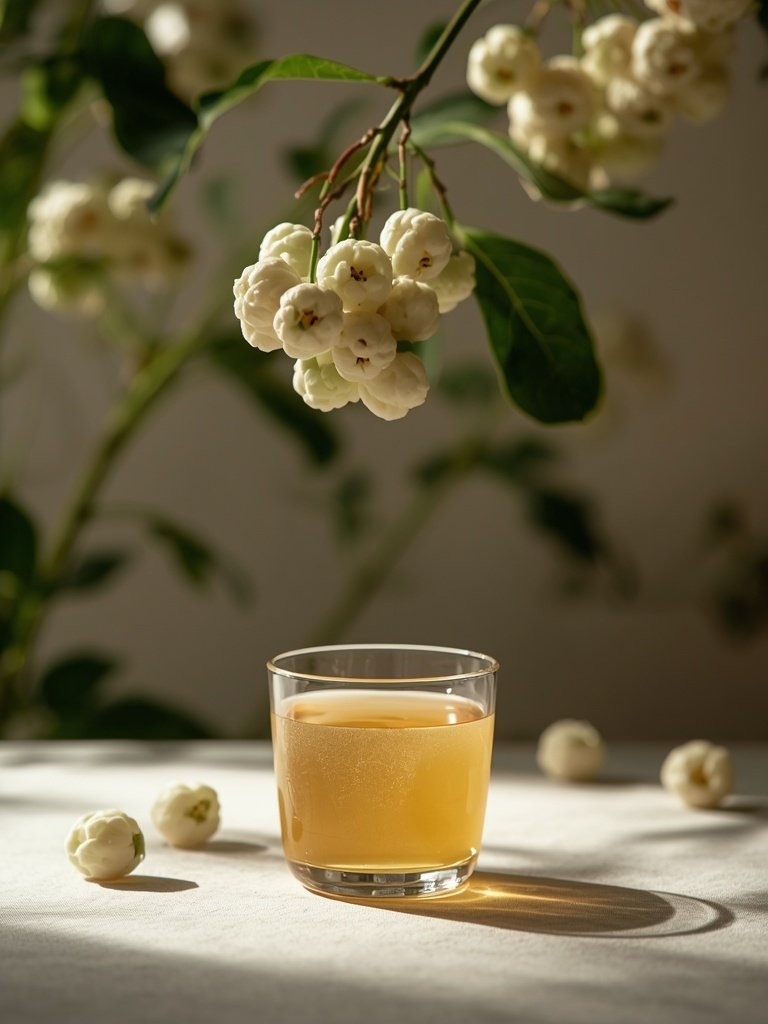
Use of white mulberries in weight loss – potential side effects and usage recommendations

Use of white mulberries in weight loss – potential side effects and usage recommendations

White mulberry (Morus alba) represents one of the premier botanical interventions for targeted adipose reduction and postprandial glycemic stabilization. The specialized iminosugar 1-deoxynojirimycin (1-DNJ) competitively blunts intestinal carbohydrate digestion, attenuating acute surges of insulin—the principal lipogenic hormone that halts ongoing adipose oxidation. This clinical guide covers cellular mechanisms in body composition, gastrointestinal tolerance profiles, adverse reactions, and practical dietary integration.

White mullein – characteristics, uses, and health benefits: tea and drinks from mullein leaves and fruits in metabolic prevention

White mullein – characteristics, uses, and health benefits: tea and drinks from mullein leaves and fruits in metabolic prevention

White mulberry (Morus alba) is an esteemed botanical in Asian integrative medicine, recognized for its metabolic regulatory capacity over carbohydrate and lipid pathways. The most potent bioactive constituent localized within mulberry leaves is 1-deoxynojirimycin (DNJ)—a polyhydroxylated piperidine alkaloid acting as a potent competitive inhibitor of intestinal alpha-glucosidase enzymes. This clinical review evaluates the postprandial glucose-lowering mechanisms of leaf teas, the antioxidant density of the sweet syncarpous fruits, and practical protocols for metabolic syndromic control.

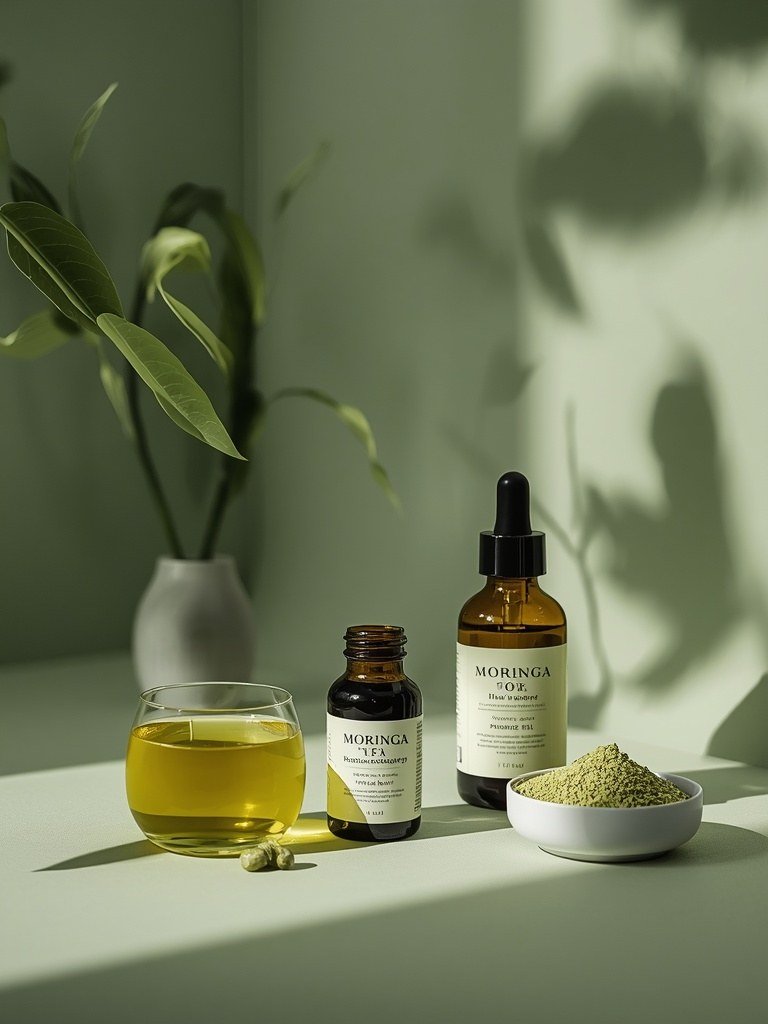
Moringa in different forms – how to recognize a genuine product and how to use it correctly: tea, oil, capsules, or powder?

Moringa in different forms – how to recognize a genuine product and how to use it correctly: tea, oil, capsules, or powder?

Moringa (Moringa oleifera), frequently hailed as the 'miracle tree', represents one of the most chemically rich botanical species utilized in ethnopharmacology. Its leaves, seeds, and extracted oils harbor dense concentrations of essential amino acids, isothiocyanates, flavonoids, and unsaturated fatty acids. This clinical guide details authentication criteria, bioavailability across various delivery formats (infusions, cold-pressed oils, standardized capsules, whole powders), and evidence-based safety parameters.

Common nettle – medicinal properties and practical applications in phytotherapy and traditional natural medicine

Common nettle – medicinal properties and practical applications in phytotherapy and traditional natural medicine

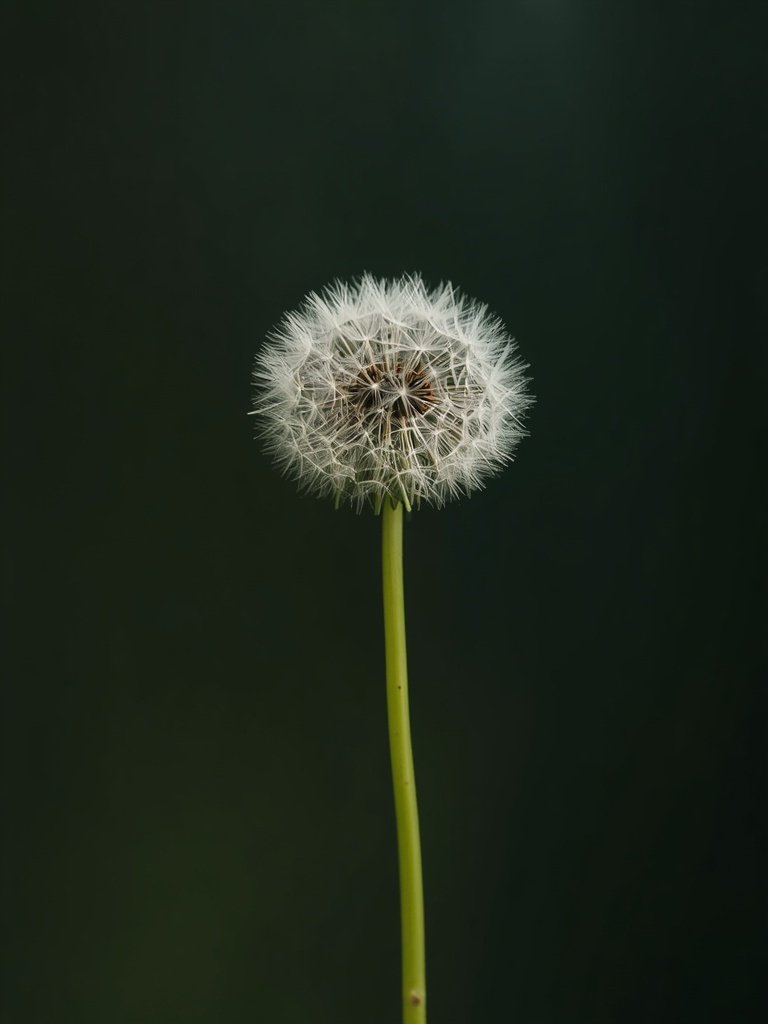
Common dandelion (Taraxacum officinale), frequently referred to in vernacular language as blowball or yellow weed, is among the most ubiquitous yet therapeutically versatile botanical species in European phytotherapy. While often dismissed by lawnkeepers as an obstinate garden weed, naturopathic and clinical traditions have long utilized its roots, leaves, and inflorescences as a potent liver cholagogue, natural diuretic, and metabolic stimulant. This monograph details its bioactive phytochemical profile and therapeutic applications.

Bee drops - for the stomach and duodenum, dosage, cost

Bee drops - for the stomach and duodenum, dosage, cost

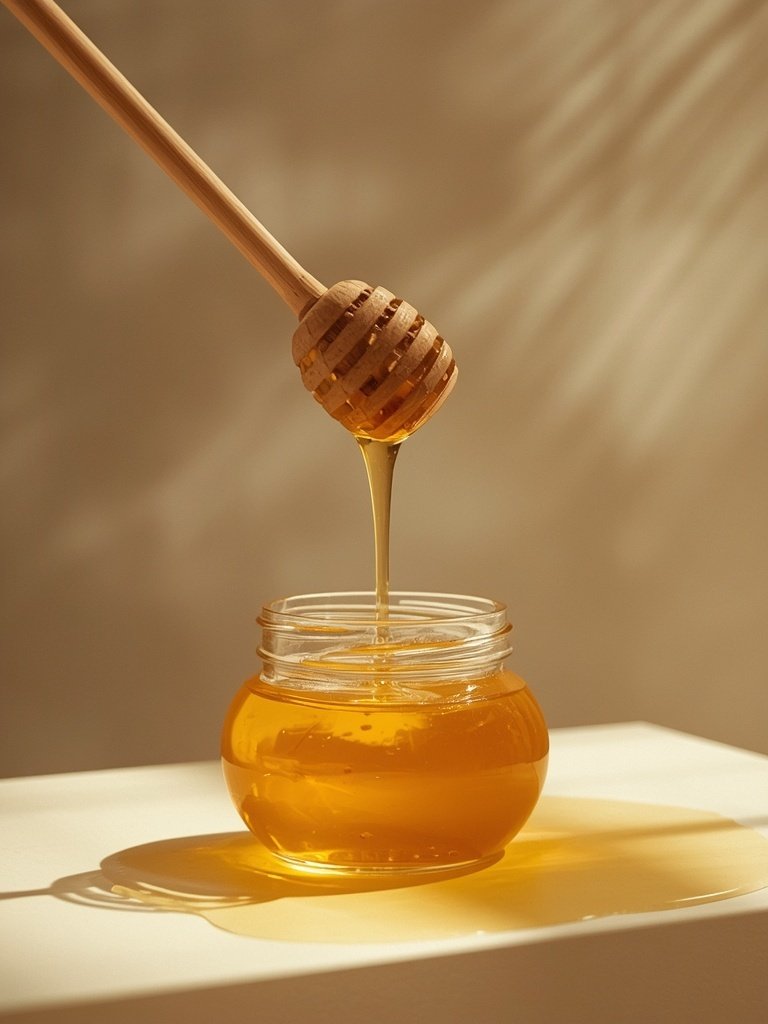
Apitherapy is a medical field that focuses on treating humans with products derived from bees, including honey, bee milk, flower pollen, and bee kit. Bee milk is a highly nutritious product for the body due to its high content of exogenous amino acids, minerals, vitamins, and enzymes that are well absorbed by the tissues. The mentioned bee product has regenerative and renewing properties for tissues, including the stomach and duodenal mucosa.

Drops of bee pollen for the stomach and duodenum, indications, dosage, price

Drops of bee pollen for the stomach and duodenum, indications, dosage, price

Apitherapy, the treatment of humans with beekeeping products such as honey, bee milk, flower pollen and bee kit, plays an important role in natural medicine. Bee milk, as a highly nutritious product, contains large amounts of exogenous amino acids, minerals, vitamins and enzymes that are well absorbed by the tissues. It is recommended to use bee milk in the treatment of digestive system diseases, including disorders of the stomach lining and duodenum.

Buckwheat honey: origin, unique characteristics, and practical use of this exceptional natural delicacy

Buckwheat honey: origin, unique characteristics, and practical use of this exceptional natural delicacy

Honeydew honey is regarded as one of the most valuable and expensive varieties of honey in Poland, a distinction stemming from the rare occurrence of honeydew—the sugary secretion produced by aphids and scale insects that serves as its primary raw material. Due to its limited availability, tied to the cyclical emergence of honeydew in only select regions of the country, this product remains relatively obscure, and its exceptional health-promoting properties are frequently overlooked. This extraordinary honey is characterized by a rich, spiced flavor profile, with both its taste nuances and color varying depending on the specific tree species from which the honeydew was harvested. Its extensive range of applications arises from its multifaceted preventive action, which aids the body in warding off a variety of ailments while simultaneously alleviating their troublesome symptoms, thereby establishing it as a prized component of natural wellness practices.

Acacia honey nectar – health benefits and nutrients of exceptional value

Acacia honey nectar – health benefits and nutrients of exceptional value

Within the vast array of natural remedies available for alleviating various ailments, acacia honey stands out not merely for its exquisite taste but also for its remarkable spectrum of potential health benefits. Its distinctive properties, derived from a rich biochemical composition, render it a substance of virtually limitless applicative potential—both in preventive care and as an adjunct to therapeutic interventions. It is therefore worthwhile to examine this natural gift from bees more closely, as its golden hue conceals a veritable treasure trove of nutritional value.

Mentha piperita: A comprehensive analysis of the properties and applications of peppermint in the context of health and pharmacology

Mentha piperita: A comprehensive analysis of the properties and applications of peppermint in the context of health and pharmacology

This document provides an exhaustive exploration of the botanical, biochemical, and clinical dimensions of *Mentha × piperita*, with an emphasis on its role in evidence-based medicine, herbal therapeutics, and industrial applications of its extracts. The discussion is grounded in contemporary research and meta-analyses to ensure a rigorous and authoritative treatment of the subject.

Menopause – somatic and emotional symptoms. Dietary recommendations and herbal preparations supporting the menopausal period

Menopause – somatic and emotional symptoms. Dietary recommendations and herbal preparations supporting the menopausal period

Menopause, representing the final menstrual cycle in a woman’s lifespan, constitutes a pivotal biological transition in reproductive capacity. From an evolutionary standpoint, questions arise regarding potential benefits derived from the cessation of fertility, given that it precludes the transmission of one’s genetic material. The so-called "grandmother hypothesis"—a complement to the "maternal hypothesis"—posits that older women may enhance the survival prospects of their genes by actively investing in the care of grandchildren rather than risking late-term pregnancy, which carries an escalating threat of perinatal complications that endanger both maternal and fetal survival. This adaptive mechanism may have evolved as a long-term strategy to maximize reproductive success across generations.

Hormonal metamorphosis in women – early symptoms, home support strategies, plant therapies, and nutritional optimization – duration of endocrine imbalance

Hormonal metamorphosis in women – early symptoms, home support strategies, plant therapies, and nutritional optimization – duration of endocrine imbalance

While it may seem astonishing, as recently as a century ago, most women did not undergo the distinctive age-related hormonal transition observed today. With advances in medicine and improved living conditions, the average female lifespan now approaches 80 years, meaning the post-reproductive phase—commonly referred to as menopause or climacteric—comprises nearly one-third of a modern woman’s total lifespan. This phenomenon exerts profound effects on both physical and mental well-being, necessitating a comprehensive approach to symptom management and preventive care.

Menopause and adipose tissue: dietary, herbal, and exercise strategies to counteract adverse changes during menopause

Menopause and adipose tissue: dietary, herbal, and exercise strategies to counteract adverse changes during menopause

Comprehensive studies conducted by endocrinologists and nutrition specialists consistently demonstrate that the menopausal transition is associated with an elevated propensity for adipose tissue accumulation, particularly in the visceral region. The hormonal fluctuations inherent to this stage not only disrupt metabolic efficiency but also impair the body’s capacity for optimal calorie expenditure. Furthermore, mood volatility and psychological stress may precipitate compensatory overeating or reliance on energy-dense, nutrient-poor foods. Nevertheless, the deliberate adoption of a balanced dietary pattern—supplemented by botanical interventions and structured physical activity—can substantially mitigate the risk of weight gain while enhancing overall well-being during this challenging physiological transition.

Homemade plantain ointment – regenerative properties and anti-wrinkle action. Recipe for making a natural anti-aging cosmetic yourself

Homemade plantain ointment – regenerative properties and anti-wrinkle action. Recipe for making a natural anti-aging cosmetic yourself

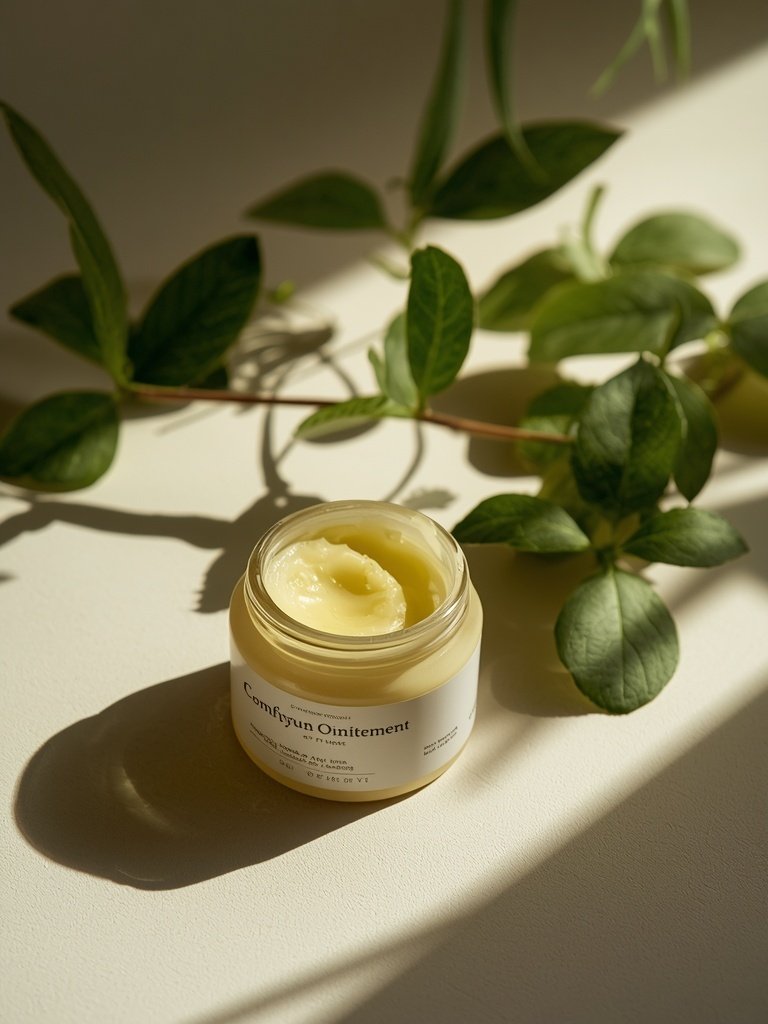
Herbal medicine leverages the bioactive compounds found in plants to support the body’s healing processes, both internally and externally. Among the most revered botanical remedies is comfrey (*Symphytum officinale*), whose roots and leaves are rich in allantoin—a compound renowned for accelerating tissue repair, soothing irritation, and smoothing the skin’s texture. Preparations derived from comfrey, including homemade ointments, are not only employed in wound care and anti-inflammatory treatments but also serve as a potent ingredient in anti-aging skincare, effectively diminishing the appearance of fine lines and promoting epidermal elasticity.

Share