





Supplements and Herbs • CLINICAL PROTOCOL

Protein Supplements

Personalized, evidence-based nutrition guidelines (EBM) dedicated to Protein Supplements. Balanced macronutrients, micronutrition, and elimination of pro-inflammatory factors.

Protein Supplements
HOW TO START

It's Easy to Start Today!

Eat Healthy

Precisely selected nutrients supporting metabolic balance and tissue regeneration.

Workout Hard

Physical activity safely tailored to your clinical conditions and baseline endurance.

Enjoy Your Life

Psychoemotional balance, restful sleep, and stress reduction as indispensable pillars of recovery.

SERVICES & PROTOCOLS
Personal Health Program

Personal Health Program

Dedicated medical nutrition therapy and dietary protocols for Protein Supplements.

Personal Fitness Trainer

Personal Fitness Trainer

Tailored workout plan and physical exercise supporting therapy.

Wellness Counseling

Wellness Counseling

Specialist support and continuous monitoring of health progress.

Diet Programs

Diet Programs

Precise calculation of BMR, TDEE, and micronutrient balance.

Refreshing Citrus Background
FREE RECOMMENDATIONS

Change Your Health in One Day!

Special Program for Sensitive Nutrition
POPULAR PROGRAMS & CLINICAL PROTOCOLS

Special Program for Sensitive Nutrition

Individually formulated nutrition protocols for individuals managing specific metabolic and allergic requirements in Protein Supplements.

Allergen exclusion, gut microbiota support, and optimization of carbohydrate-lipid metabolism.

8
Programs
161
Happy Customers
7
Awards
117
Success Stories

Other Groups in Category: Supplements and Herbs

Articles and Guides in — Protein Supplements

Publications, recommendations, and clinical analysis in Protein Supplements

30 publications
Rainbow Trout: Farming secrets, nutritional properties, omega-3 acid profile, and culinary inspirations

Rainbow Trout: Farming secrets, nutritional properties, omega-3 acid profile, and culinary inspirations

Rainbow trout (Oncorhynchus mykiss) is one of the most celebrated and commercially significant freshwater fish across Europe. Originally native to the cold-water tributaries of North America, it has adapted seamlessly to European aquaculture, thriving exclusively in pristine, cold, highly oxygenated running waters. Trout flesh offers an exceptionally delicate texture, clean buttery flavor, and outstanding nutritional density—providing complete bioavailable protein, long-chain omega-3 polyunsaturated fatty acids (EPA and DHA), vitamin D, and essential B vitamins, serving as a clean, sustainable alternative to marine species.

Protein powders as support for weight loss – benefits, risks, and potential consequences of use

Protein powders as support for weight loss – benefits, risks, and potential consequences of use

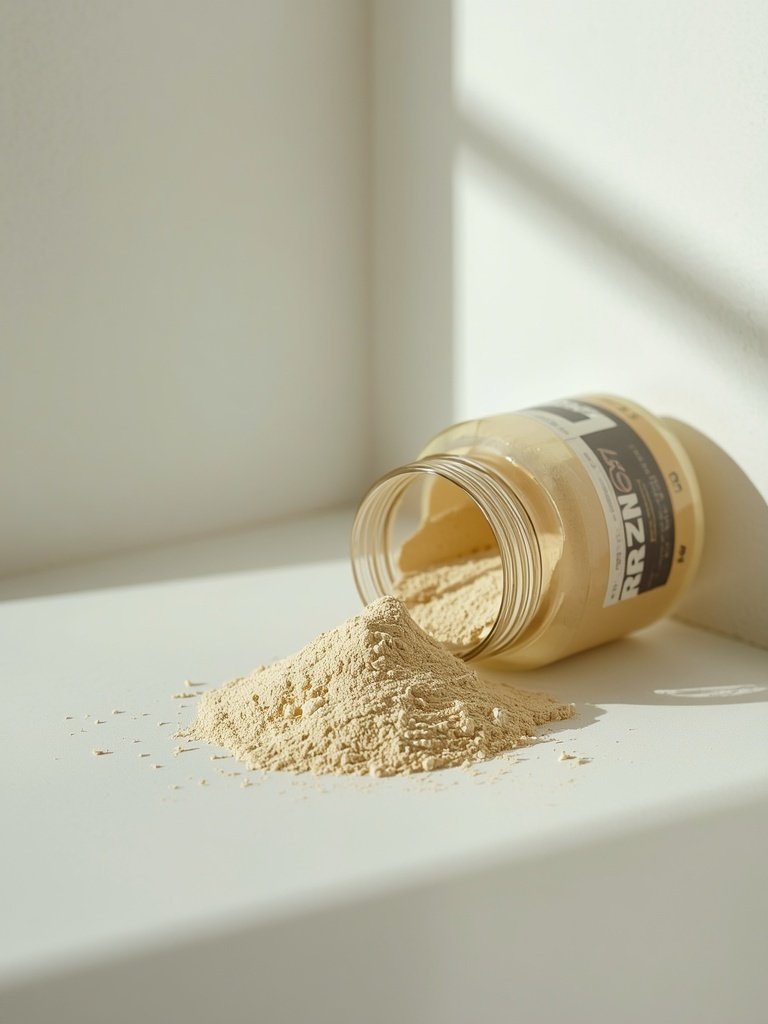
Powdered protein supplements have emerged as one of the most widely utilized dietary aids, embraced not only by competitive strength athletes but increasingly by individuals pursuing adipose tissue reduction and favorable body recomposition. While these formulations provide a remarkably convenient and bioavailable vehicle for fulfilling essential amino acid requirements, their precise physiological contribution to weight loss is frequently misunderstood or overstated. A multitude of misconceptions surrounds protein supplementation—ranging from exaggerated assertions of inherent fat-burning properties to unfounded anxieties regarding renal and hepatic compromise in healthy populations. This comprehensive analysis evaluates the biochemical characteristics and clinical utility of protein powders, elucidating their genuine metabolic advantages, possible adverse manifestations, and evidence-based protocols for integration into a caloric deficit regimen.

Optimal nutrition after physical exercise: how to compose a post-workout meal for maximum recovery and muscle adaptation?

Optimal nutrition after physical exercise: how to compose a post-workout meal for maximum recovery and muscle adaptation?

Peri-workout nutrition represents a paramount determinant of athletic success in both competitive sports and fitness training, directly governing the rate of post-exercise recovery, muscular adaptation, and body composition. Strenuous physical exertion precipitates intramuscular glycogen depletion, accelerates contractile protein degradation, induces mechanical micro-tears in myofibrils, and induces acute fluid and electrolyte deficits. The post-workout meal serves to terminate catabolic signaling, initiate muscle protein synthesis (MPS) cascades, and accelerate glycogen replenishment. This evidence-based guide delineates optimal post-exercise dietary strategies: optimal protein-to-carbohydrate ratios, the physiology of the anabolic window, and practical recovery nutrition following late-evening training sessions.

Iron deficiency in the children's diet – mechanisms of development, warning signs, and nutritional strategies supporting optimal intake of this key micronutrient

Iron deficiency in the children's diet – mechanisms of development, warning signs, and nutritional strategies supporting optimal intake of this key micronutrient

Iron constitutes an indispensable component in the developmental and metabolic processes of a child’s body, serving as a critical constituent of hemoglobin—the protein tasked with oxygen delivery to tissues. The body’s reserves of this trace mineral, stored as compounds such as ferritin (in the liver and spleen) and hemosiderin (in bone marrow), act as a safeguard during periods of elevated demand. Persistent or untreated iron deficiency may precipitate severe complications, including cognitive impairment and compromised immune function. Consequently, the deliberate design of a child’s diet—prioritizing iron-rich foods and enhancing their absorption through strategic nutrient pairings—represents a cornerstone of preventive and corrective nutritional strategies.

Protein deficiency in the daily diet – characteristic symptoms, potential health risks, and strategies for effectively supplementing protein deficiencies in the body

Protein deficiency in the daily diet – characteristic symptoms, potential health risks, and strategies for effectively supplementing protein deficiencies in the body

The optimal performance of the human body relies heavily on a balanced intake of essential nutrients—including macronutrients, micronutrients, and bioactive compounds—whose appropriate ratios ensure the maintenance of homeostasis. Among these, protein stands out as a cornerstone nutrient, serving as the primary building block for tissues, enzymes, and hormones. What signals does the body emit when protein levels fall below physiological thresholds? What long-term health repercussions may arise from a chronic deficiency of this nutrient, and what measures can be taken to prevent its occurrence or correct existing shortages?

Spelt flakes – nutritional profile, culinary uses, and gluten considerations

Spelt flakes – nutritional profile, culinary uses, and gluten considerations

Spelt flakes (crafted from Triticum spelta) stem from an ancient wheat species celebrated across European holistic traditions, notably lauded by medieval herbalist Hildegard of Bingen for its digestibility and vitality. Encased within protective glumes that shield the grain against external contaminants, spelt preserves its genetic integrity. Spelt flakes provide premium plant protein, bioavailable rhodanide, neuroprotective B vitamins, and essential fatty acids.

Oatmeal flakes – a complete source of nutrients, beta-glucan, and minerals

Oatmeal flakes – a complete source of nutrients, beta-glucan, and minerals

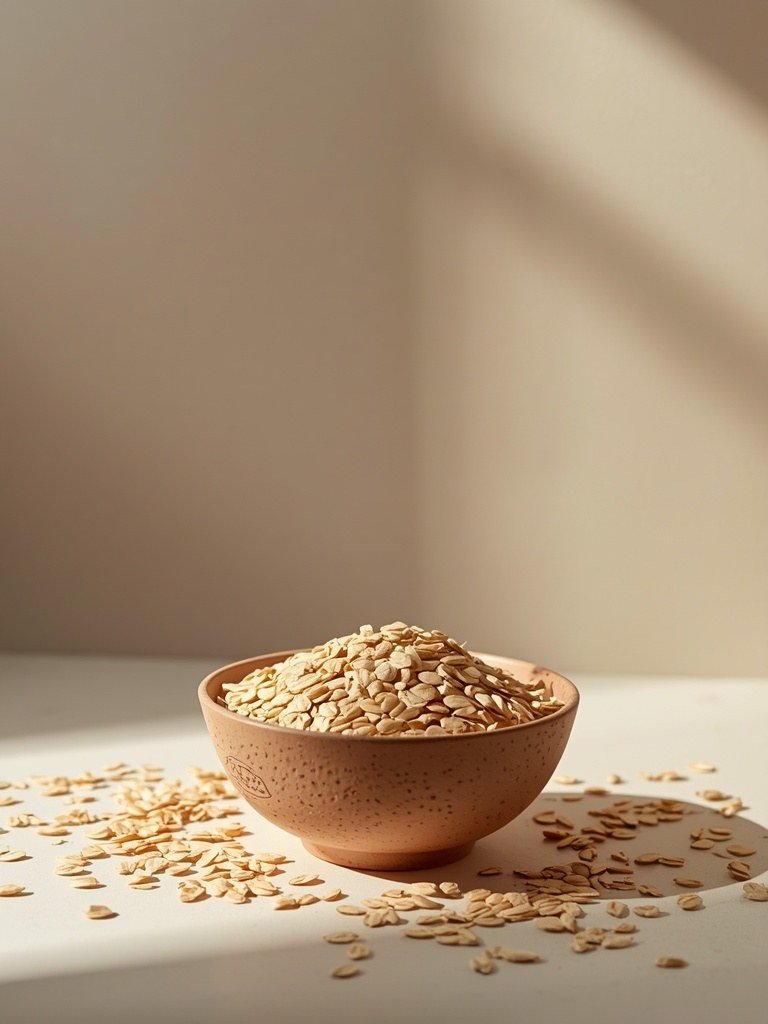
Whole grain oat flakes rank among the most rigorously validated functional foods in nutritional medicine. As early as 1997, the US Food and Drug Administration (FDA) authorized the landmark health claim confirming that soluble dietary fiber from whole oats significantly mitigates the risk of coronary heart disease. Beyond beta-glucans, oats harbor unique bioactive polyphenols termed avenanthramides that exert potent anti-inflammatory and vasodilatory actions.

Complete and incomplete proteins – amino acid profile, complementarity, and muscle mass building

Complete and incomplete proteins – amino acid profile, complementarity, and muscle mass building

Dietary proteins fulfill indispensable structural, enzymatic, transport, and immunological roles in the human body. The biological quality of dietary protein is determined not merely by total gram intake, but primarily by the concentration and stoichiometric ratio of essential amino acids (EAAs), which human metabolism cannot synthesize de novo and must obtain consistently through nutrition.In clinical and sports nutrition, proteins are classified as complete (high biological value) or incomplete (containing one or more limiting amino acids), evaluated quantitatively via digestibility indices such as PDCAAS and DIAAS. How do animal and plant proteins differ, how does amino acid complementarity work, and how should protein intake be structured to maximize muscle protein synthesis (MPS)?

Creamy sesame tahini paste – health benefits, nutritional ingredients, and dietary use

Creamy sesame tahini paste – health benefits, nutritional ingredients, and dietary use

Creamy tahini paste, crafted from lightly toasted and stone-ground sesame seeds (Sesamum indicum), is a nutritional cornerstone of Mediterranean, Middle Eastern, vegetarian, and vegan diets. Distinguished by its high concentration of non-heme iron, calcium, magnesium, and zinc, tahini plays a vital role in preventing micronutrient deficiencies among women of reproductive age and individuals excluding meat or dairy products.Alongside complete plant-based protein, tahini delivers unique sesame lignans (sesamin, sesamolin, and sesamol), phytosterols, and unsaturated fatty acids that actively support cardiovascular and metabolic health.

Cheese protein treasure: Parmesan – tradition, aging process, and nutritional value in the diet

Cheese protein treasure: Parmesan – tradition, aging process, and nutritional value in the diet

Authentic Parmigiano Reggiano (PDO) stands out for its remarkably high concentration of complete, highly bioavailable protein—just 100 g of this long-aged artisanal cheese delivers 32–36 g of protein, equivalent to the protein content of nearly 180–200 g of lean beef. Its exceptional quality stems from strict geographical protection in northern Italy's Emilia-Romagna region and premium raw cow's milk.Crafted exclusively from raw milk, natural whey starter cultures, calf rennet, and sea salt without any artificial additives or preservatives, Parmigiano Reggiano undergoes prolonged maturation that imparts unique digestive and cardiometabolic benefits.

Peanuts – characteristics, cultivation methods, and health impact: analysis of nutritional value and potential consumption benefits

Peanuts – characteristics, cultivation methods, and health impact: analysis of nutritional value and potential consumption benefits

Annual global peanut production reaches millions of metric tons, with the legume available in diverse forms—ranging from whole kernels to confectionery products, peanut butter, oil, and high-protein food formulations. Due to their cost-efficient protein-to-price ratio, they represent a highly sought-after ingredient for food manufacturers, who continually expand their applications. But does their regular consumption yield measurable health benefits? Are there evidence-based reasons to incorporate them into daily dietary patterns?

Pistachios – salted, roasted and pregnancy: are peanuts worth eating during this special period?

Pistachios – salted, roasted and pregnancy: are peanuts worth eating during this special period?

Peanuts, botanically classified as legumes (Arachis hypogaea) yet nutritionally consumed as nuts, rank among the most widely enjoyed functional foods worldwide. They feature a concentrated nutritional matrix rich in heart-healthy monounsaturated and polyunsaturated fats, plant-derived proteins, dietary fiber, and critical micronutrients including magnesium, potassium, vitamin E, and folate. Regular consumption supports lipid metabolism, endothelial function, and glycaemic regulation. However, commercial processing techniques—such as heavy salting, deep frying, or sweetened coatings—alter their dietary quality, while their potent allergenic proteins raise common clinical questions regarding safety during pregnancy and lactation.

The use of castor oil during pregnancy and as a method to aid labor: an analysis of safety and efficacy based on traditional and modern experiences

The use of castor oil during pregnancy and as a method to aid labor: an analysis of safety and efficacy based on traditional and modern experiences

When circumstances necessitate the acceleration of the birthing process, many expectant mothers seek out natural, non-invasive alternatives capable of stimulating the body’s physiological responses without medical intervention. Among the considered options is castor oil—a substance with a millennia-spanning history of use, originating in ancient civilizations such as Egypt, where it was employed for both therapeutic and cosmetic purposes. Despite advancements in modern medicine, this oil continues to garner attention among pregnant women, who actively share their personalized accounts of its effects on dedicated online platforms focused on motherhood, breastfeeding, and neonatal care.

Borage oil – a scientific analysis of its role in acne therapy, fertility support, and potential side effects. Is there evidence of its influence on the body's hormonal balance?

Borage oil – a scientific analysis of its role in acne therapy, fertility support, and potential side effects. Is there evidence of its influence on the body's hormonal balance?

Derived from the seeds of the evening primrose plant (Oenothera biennis), this botanical oil has been employed for decades across diverse domains of natural medicine—ranging from the alleviation of dermatological conditions such as rosacea and atopic dermatitis to the mitigation of chronic physical and mental fatigue syndromes. Its distinctive biochemical composition, abundant in gamma-linolenic acid (GLA) and other essential polyunsaturated fatty acids, theoretically positions it as a potential modulator of various physiological pathways. However, despite promising anecdotal reports and its longstanding use in folk medicine, many of its attributed therapeutic benefits lack definitive validation through rigorous clinical trials. This discrepancy underscores the imperative for a meticulous, evidence-based evaluation of existing scientific literature prior to considering its integration into supplementary regimens.

Various varieties of peas and their nutritional properties – a practical guide to preparing and using them in the kitchen

Various varieties of peas and their nutritional properties – a practical guide to preparing and using them in the kitchen

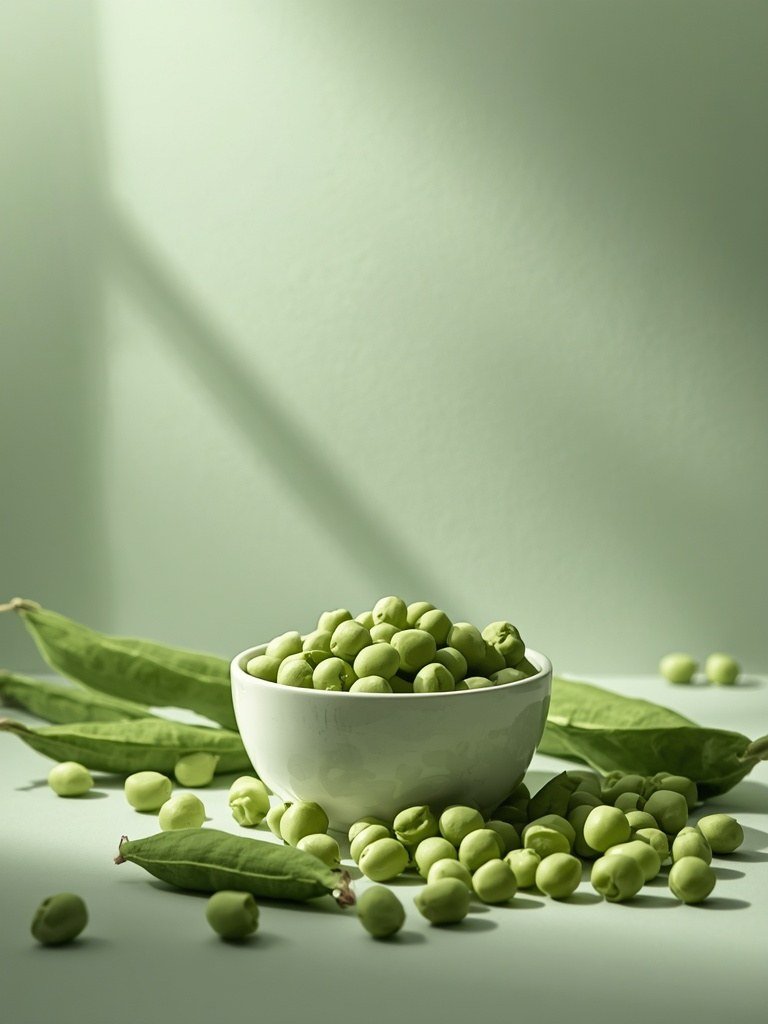
Field pea (Pisum sativum) stands as one of the oldest and nutritionally richest legumes in agricultural history. It serves as an outstanding source of dietary plant protein, complex low-glycemic carbohydrates, resistant starch, B-complex vitamins, and essential minerals including iron, phosphorus, magnesium, and potassium. Meticulous culinary preparation neutralizes antinutrients and optimizes bioavailability for superior gastrointestinal tolerance.

Iron and ferritin deficiency: clinical symptoms, differential diagnosis, and nutritional strategies for replenishing stores

Iron and ferritin deficiency: clinical symptoms, differential diagnosis, and nutritional strategies for replenishing stores

Iron deficiency represents the most prevalent micronutrient disorder globally, disproportionately impacting women of reproductive age, endurance athletes, and individuals adhering to restrictive diets. A vital clinical distinction must be drawn between non-anemic latent iron deficiency (subnormal serum ferritin with preserved hemoglobin) and overt microcytic hypochromic anemia. This article reviews comprehensive laboratory indices, the biochemical divergence between heme and non-heme iron, absorption enhancers and inhibitors, and safe repletion regimens.

Excessive protein intake in the diet – symptoms, impact on kidneys and liver, and safe intake norms

Excessive protein intake in the diet – symptoms, impact on kidneys and liver, and safe intake norms

Dietary protein is an indispensable macronutrient vital for myofibrillar repair, immune competence, and enzymatic synthesis. However, amidst fitness trends championing ultra-high-protein diets and concentrated supplements, exceeding bodily metabolic clearance capacities risks renal hyperfiltration, systemic acid-base load, and dermatological flare-ups.

Blood Urea Nitrogen Level: Laboratory Norms, Clinical Interpretation, and Dietary Recommendations

Blood Urea Nitrogen Level: Laboratory Norms, Clinical Interpretation, and Dietary Recommendations

Urea is the primary nitrogenous end-product of protein catabolism in humans, synthesized exclusively within hepatocytes via the ornithine urea cycle to detoxify ammonia. Filtered and excreted predominantly by renal glomeruli, serum urea (and Blood Urea Nitrogen - BUN) serves as a fundamental biochemical marker of renal function and protein homeostasis. This monograph details reference ranges, diagnostic etiologies of azotemia, and therapeutic renal nutrition.

Soy milk: benefits and limitations of the classic drink from your store

Soy milk: benefits and limitations of the classic drink from your store

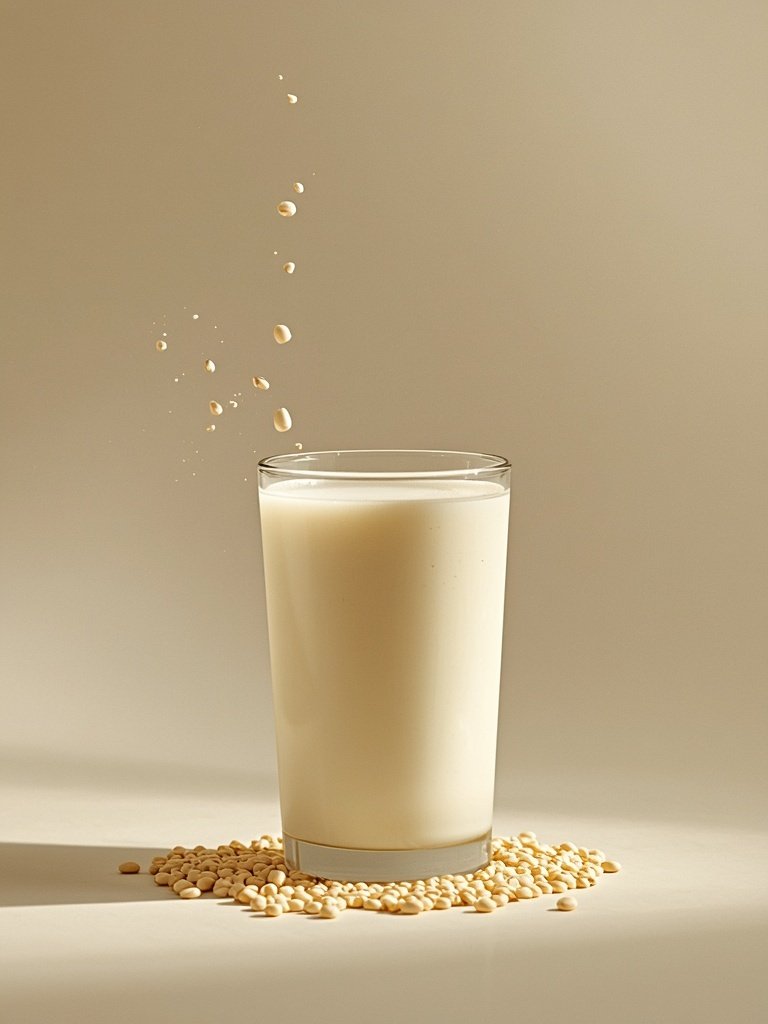
Soy milk is a traditional aqueous extract of whole soybeans with centuries-old roots in East Asian gastronomy. Unique among mainstream plant-based milk alternatives, it delivers high-biological-value protein featuring an amino acid score comparable to bovine milk. This guide explores its historical origins, cardiovascular advantages, and the clinical reality surrounding soy isoflavones, endocrine interactions, and allergen management.

Characteristics and composition of sheep whey – does it contain lactose? Analysis of nutritional and comparative properties

Characteristics and composition of sheep whey – does it contain lactose? Analysis of nutritional and comparative properties

Beyond conventional cow’s milk, today’s consumers have access to a diverse array of mammalian milk products, including those derived from sheep, goats, donkeys, and even camels. Additionally, the term "milk" is colloquially extended to plant-based beverages such as those made from soy, oats, rice, or almonds. It is critical to note, however, that the biochemical composition of animal-derived milk varies substantially depending on the source, exhibiting marked differences in protein, fat, carbohydrate, vitamin, and mineral content—factors that significantly influence nutritional value and potential dietary applications.

Is this really milk adapted for infants – from what age can it be used and which ones are the most suitable?

Is this really milk adapted for infants – from what age can it be used and which ones are the most suitable?

Adapted infant formula represents cow’s milk that has undergone deliberate compositional adjustments to closely replicate the nutritional profile of human breast milk. These breast milk substitutes are subjected to a sequence of technological processing steps, including: the reduction of total protein content, the alteration of protein fraction ratios, the augmentation of unsaturated fatty acid proportions, the elevation of lactose concentration, the diminution of electrolyte levels—specifically potassium, sodium, and chlorides—as well as fortification with critical vitamins, such as retinol (vitamin A), tocopherol (vitamin E), ascorbic acid (vitamin C), cholecalciferol (vitamin D), and phylloquinone (vitamin K).

Miraculina – characteristics, natural sources, supplementation in tablets, and current prices on the Polish market

Miraculina – characteristics, natural sources, supplementation in tablets, and current prices on the Polish market

Miraculin is a rarely encountered protein in Poland, distinguished by its unique taste-modifying properties, yet its acquisition is fraught with logistical challenges. The product is distributed almost exclusively through online sales platforms, which significantly restricts its accessibility to the average consumer. Moreover, owing to the intricate extraction process and limited supply, its price remains at a comparatively elevated level. This article introduces readers to the potential benefits of miraculin supplementation, examines its biochemical characteristics, and evaluates whether investing in this compound may yield tangible health or sensory benefits.

Rabbit meat – nutritional properties, culinary uses, and recipes for children

Rabbit meat – nutritional properties, culinary uses, and recipes for children

Those committed to maintaining a balanced diet should regularly incorporate lean protein sources such as poultry, beef, veal, and the frequently overlooked yet highly nutritious rabbit and hare meat. While these latter options are less commonly featured in daily meals, their limited consumption stems primarily from reduced market availability. Nevertheless, owing to their rich nutritional profile and beneficial effects on health, they ought to constitute a vital component of every family’s diverse diet—including meals prepared specifically for children.

Does eating meat really signify masculinity? What factors shape testosterone levels in men?

Does eating meat really signify masculinity? What factors shape testosterone levels in men?

For generations, societal narratives have perpetuated the notion that high meat consumption serves as a definitive indicator of physical strength, vigor, and conventionally defined masculinity. A widely held belief suggests that a balanced male diet must fundamentally rely on consistent intake of animal-based protein, particularly through diverse meat sources. Yet, does empirical evidence substantiate this claim as universally valid and beyond reproach?

The Atkins Diet: A Protein and Fat-Based Weight Loss Method – Efficacy and Forgetfulness Analysis

The Atkins Diet: A Protein and Fat-Based Weight Loss Method – Efficacy and Forgetfulness Analysis

Once a cornerstone of dietary discourse, this nutritional strategy—centered on drastic carbohydrate restriction paired with elevated protein and fat intake—has since receded into relative obscurity among both practitioners and patients. For decades, it garnered acclaim for delivering rapid, tangible results in weight management. Yet why has its prominence waned, despite countless anecdotal and clinical accounts attesting to its efficacy in shedding excess body mass and even improving certain metabolic markers? Is this decline attributable to shifting dietary fads, a dearth of long-term empirical validation, or perhaps the lingering debates surrounding its potential adverse effects?

Muscle tissue architecture: optimizing diet and training – which foods support hypertrophy?

Muscle tissue architecture: optimizing diet and training – which foods support hypertrophy?

ARTICLE STRUCTURE: Fundamental nutritional principles for muscle mass development • Key nutrients and their roles in protein synthesis • Training strategies tailored to hypertrophic objectives • Sample high-biological-value meal plans • Supplementation versus natural nutrient sources – comparative efficacy • Common dietary mistakes and how to avoid them • Scientifically validated methods for tracking muscle-building progress.

Gluten-free flours – types, nutritional profile, technological properties, and use in a gluten-free diet

Gluten-free flours – types, nutritional profile, technological properties, and use in a gluten-free diet

Strict lifelong avoidance of dietary gluten remains the sole effective therapeutic intervention for celiac disease, dermatitis herpetiformis, and non-celiac gluten sensitivity. Successfully replacing conventional wheat requires comprehensive knowledge of alternative gluten-free flours, which vary widely in macronutrient composition, starch gelatinization, and baking performance. This guide explores certified gluten-free oat, rice, buckwheat, and corn flours, detailing their micronutrient densities, culinary functionalities, and optimal blending ratios for wholesome home baking.

Does pasta cause weight gain in a diet? The effect of pasta consumption on body weight, glycemic index, and clinical studies

Does pasta cause weight gain in a diet? The effect of pasta consumption on body weight, glycemic index, and clinical studies

Popular weight-loss diets frequently demonize pasta, branding it as an obesogenic carbohydrate source that must be eliminated. However, large-scale nutritional cohorts—such as the Italian Moli-sani and INHES studies—demonstrate that moderate consumption of quality pasta is not associated with elevated body mass index and can seamlessly integrate into healthy dietary patterns. This article explores how the dense protein-starch matrix of durum wheat, al dente cooking, and cooling-induced resistant starch modulate digestion and metabolic health.

Mackerel – nutritional values, omega-3 fatty acids (EPA and DHA), selenium, and culinary uses of the sea fish

Mackerel – nutritional values, omega-3 fatty acids (EPA and DHA), selenium, and culinary uses of the sea fish

Atlantic mackerel (Scomber scombrus) is an exceptionally nutrient-dense pelagic oily marine fish. It stands out due to its profound concentrations of long-chain polyunsaturated omega-3 fatty acids (eicosapentaenoic acid EPA and docosahexaenoic acid DHA), complete biological protein, vitamin D3, and selenium. Consistent mackerel consumption confers proven cardioprotective, neuroprotective, and systemic anti-inflammatory benefits, anchoring evidence-based preventative nutrition.

Rice noodle ingredients, uses, and preparation methods – a culinary guide with recipes and dietary tips

Rice noodle ingredients, uses, and preparation methods – a culinary guide with recipes and dietary tips

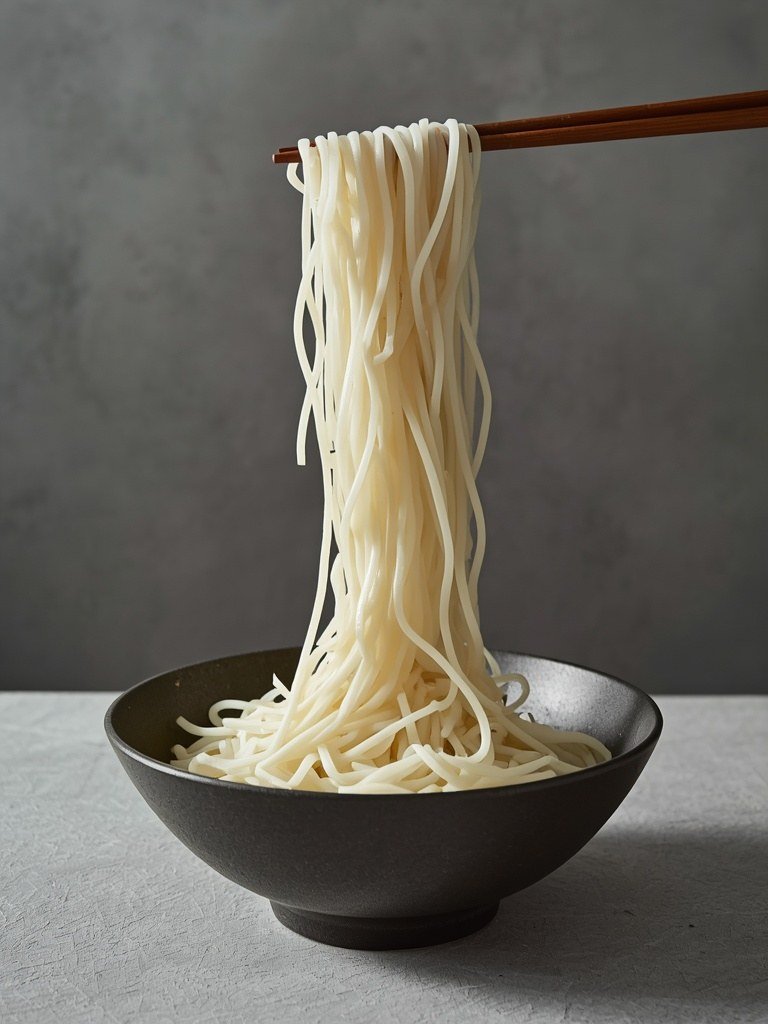
Rice noodles form the bedrock of Asian gastronomy, produced from milled rice flour and pure water. Naturally gluten-free, easily digestible, and devoid of dietary fat or cholesterol, their neutral flavor matrix absorbs the vibrant aromatics of sauces, herbs, and broths. This guide covers the nutritional anatomy of rice noodles, proper culinary soaking techniques, and tested wholesome recipes.

Share