





Supplements and Herbs • CLINICAL PROTOCOL

Protein Supplements

Personalized, evidence-based nutrition guidelines (EBM) dedicated to Protein Supplements. Balanced macronutrients, micronutrition, and elimination of pro-inflammatory factors.

Protein Supplements
HOW TO START

It's Easy to Start Today!

Eat Healthy

Precisely selected nutrients supporting metabolic balance and tissue regeneration.

Workout Hard

Physical activity safely tailored to your clinical conditions and baseline endurance.

Enjoy Your Life

Psychoemotional balance, restful sleep, and stress reduction as indispensable pillars of recovery.

SERVICES & PROTOCOLS
Personal Health Program

Personal Health Program

Dedicated medical nutrition therapy and dietary protocols for Protein Supplements.

Personal Fitness Trainer

Personal Fitness Trainer

Tailored workout plan and physical exercise supporting therapy.

Wellness Counseling

Wellness Counseling

Specialist support and continuous monitoring of health progress.

Diet Programs

Diet Programs

Precise calculation of BMR, TDEE, and micronutrient balance.

Refreshing Citrus Background
FREE RECOMMENDATIONS

Change Your Health in One Day!

Special Program for Sensitive Nutrition
POPULAR PROGRAMS & CLINICAL PROTOCOLS

Special Program for Sensitive Nutrition

Individually formulated nutrition protocols for individuals managing specific metabolic and allergic requirements in Protein Supplements.

Allergen exclusion, gut microbiota support, and optimization of carbohydrate-lipid metabolism.

8
Programs
161
Happy Customers
7
Awards
117
Success Stories

Other Groups in Category: Supplements and Herbs

Articles and Guides in — Protein Supplements

Publications, recommendations, and clinical analysis in Protein Supplements

30 publications
Are plant and animal proteins really better?

Are plant and animal proteins really better?

Proteins play a critical role as a structural and functional component of the human body, and their synthesis within the body necessitates the availability of appropriate amino acids. Proper growth and functioning of the body is closely dependent on the adequate intake of protein, which should constitute between 10 to 20 percent of dietary energy value. From a health standpoint, not only the quantity of protein in food is significant but also the diversity of protein sources.

Whey protein – function, consumption before or after training, user reviews

Whey protein – function, consumption before or after training, user reviews

Whey protein stands as one of the most thoroughly researched and clinically proven nutritional supplements in modern sports nutrition and clinical dietetics. Renowned for its outstanding biological value (BV), rapid digestibility, and abundant branched-chain amino acid (BCAA) profile—particularly leucine, the primary trigger of muscle protein synthesis via the mTOR signaling pathway—it plays a vital role in recovery and body composition. When is the optimal time for consumption: before or after physical training? What physiological benefits does it confer on immune health, muscle hypertrophy, and metabolic homeostasis?

Protein bars – homemade recipe. When is the best time to eat protein bars?

Protein bars – homemade recipe. When is the best time to eat protein bars?

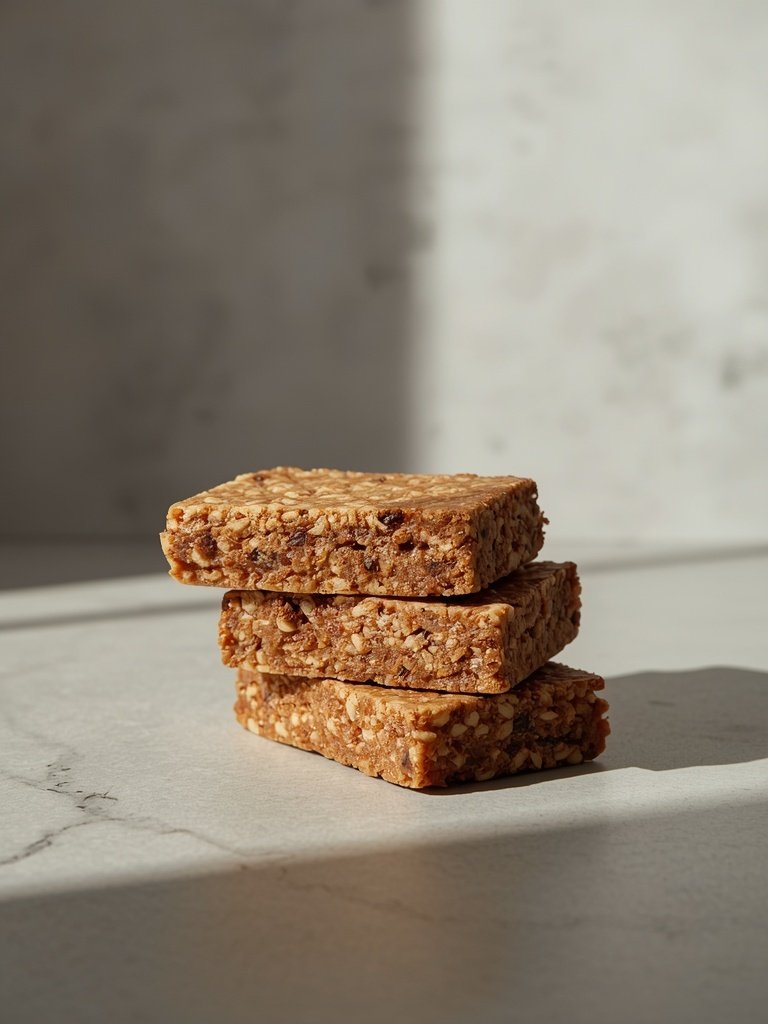
Protein bars are proving to be an interesting solution for people who lead a healthy, active lifestyle. These types of products can serve as substitutes for confectionery products and are also convenient to consume while providing beneficial calories. Of course, it is best to prepare protein bars by oneself rather than buying ready-made, which usually belong to highly processed products.

Vitamin deficiencies – causes, symptoms, and consequences of avitaminosis

Vitamin deficiencies – causes, symptoms, and consequences of avitaminosis

Certainly, everyone knows that vitamins should be ingested, though not everyone is aware of precisely what they are. The first vitamin was discovered by a distinguished Polish researcher who unknowingly contributed to this discovery. He observed that dogs fed with plant-based protein were losing weight and weakening, and when meat was added to their diet, these animals regained strength. Indisputably, this was one of the stimuli that prompted Kazimierz Funk to carry out further research. In 1910, he started investigations that led to the official discovery of vitamin B1 in 1913. Upon examining beri-beri patients, he observed that patients consuming polished rice were more prone to the disease than patients consuming rice with a lower degree of processing.

Amaranth – preparation methods, places to buy, and recipes

Amaranth – preparation methods, places to buy, and recipes

Amaranth seeds are nutritious and gluten-free, containing more protein and calcium than other cereals.. They are attributed with many health benefits, including lowering cholesterol levels in the blood, boosting the immune system, exerting anti-cancer activity, and reducing blood glucose levels.. Additionally, it is believed to have anti-inflammatory and antioxidant properties.

Amaranth – The valuable health properties of the grain plant of the 21st century and methods of its preparation

Amaranth – The valuable health properties of the grain plant of the 21st century and methods of its preparation

Known as 'Incan Gold', amarantus, or simply charlotte, is one of the oldest cultivated plants on earth. It is beneficial to focus on its useful healthful attributes, particularly regarding protein or fiber content, as it surpasses traditional cereal crops.

Allergic reaction to cow's milk protein in children – nutritional deficiencies and nutrition

Allergic reaction to cow's milk protein in children – nutritional deficiencies and nutrition

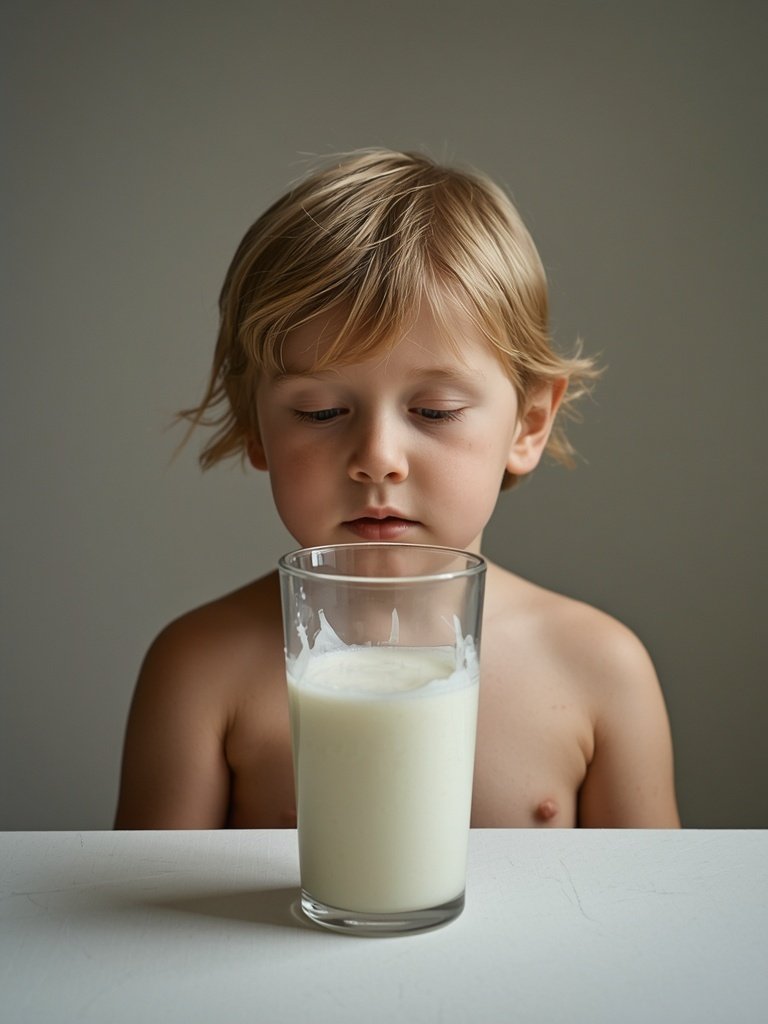
Cow's milk protein is among the most frequent triggers of allergic reactions in the diet of infants and children. In order to avoid undesirable outcomes that can have a harmful impact on proper development and well-being, it is necessary to follow a suitable diet that does not contain allergenic proteins.

Collagen for joints – in tablets, powder, or for consumption

Collagen for joints – in tablets, powder, or for consumption

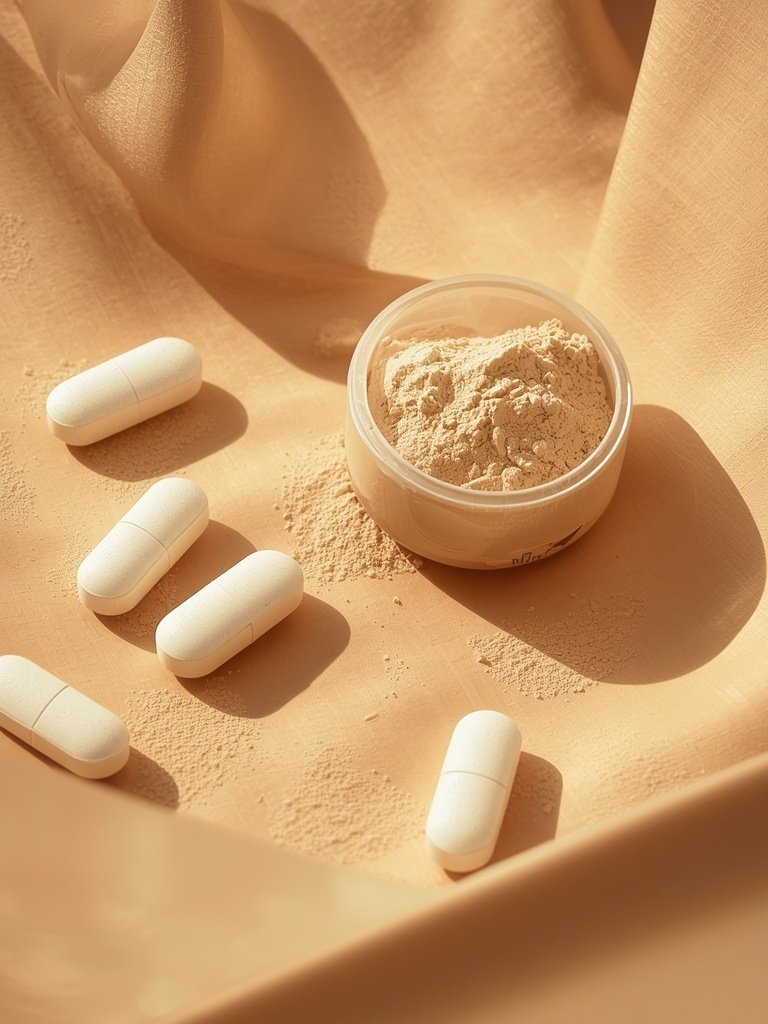
Joints that cause pain are not only a curse for athletes, but also for people over fifty. Collagen protein is responsible for their appropriate functioning, however, unfortunately, its quantity decreases over time. It is worth taking advantage of collagen-containing supplements, which are available on the market in the form of tablets, powders, and liquid supplements.

Muscle wasting – definition, causes, symptoms and prevention

Muscle wasting – definition, causes, symptoms and prevention

Catabolism can prove to be particularly dangerous for individuals aiming to enhance their physique. The process of muscle protein breakdown can be induced by diverse factors, but there are protective methods against this phenomenon. To diminish the negative impact of catabolism on the body, it is necessary to first comprehend the mechanism of its operation.

Collagen: powder, liquid, food, and tablets – how to use?

Collagen: powder, liquid, food, and tablets – how to use?

Collagen is one of the most indispensable proteins in animal organisms. It is not a single protein, but a family of proteins with a similar arrangement. Collagen forms a mixture of amino acids that is an irreplaceable component of the construction of some human tissues - such as bones, skin, or cornea. It usually occurs in most organs and is estimated to make up about 25–30% of the total amount of proteins in the body.

Egg in a child's diet – nutrients and recipes

Egg in a child's diet – nutrients and recipes

Eggs are renowned for their high nutritional value and are appreciated by many. They are a source of high-quality protein, which is often compared to other protein sources in food. Additionally, they provide a wide range of essential nutrients, such as vitamins and minerals, which are crucial for healthy growth and functioning of the body. However, it is important to note that chicken eggs are considered to be the second most allergenic food after milk.

Chicken Eggs in Human Diet – Nutritional Values, Calories, and Culinary Uses

Chicken Eggs in Human Diet – Nutritional Values, Calories, and Culinary Uses

Chicken eggs are a rich source of essential vitamins and minerals, boasting a reference biological value protein and high-quality fatty acids crucial for daily bodily functions. The complete amino acid profile of egg protein supports healthy development in children, post-exercise recovery in athletes, and the prevention of sarcopenia in older adults. Their balanced fatty acid profile supports overall cardiovascular health. Discover why chicken eggs deserve a regular place in a wholesome, balanced diet!

Sole (fish) – nutritional values, health benefits and culinary uses

Sole (fish) – nutritional values, health benefits and culinary uses

Common sole (Solea solea) is widely regarded as one of the finest marine flatfishes in fine dining and clinical nutrition. Celebrated for its exceptionally lean, snow-white, and velvety fillets with a delicate buttery aroma and minimal bone structure, sole delivers an extraordinary concentration of easily digestible protein, selenium, iodine, phosphorus, and vitamin B12 with very low caloric density. This comprehensive guide explores the nutritional profile of sole, its metabolic and cardiovascular health benefits, classic culinary techniques, and practical criteria for distinguishing authentic sole from lower-grade commercial fish substitutes.

Legumes and fruits

Legumes and fruits

Legumes should play a significant role in a meat-free diet, as they are an excellent source of protein, rich in exogenous amino acids, which are ingredients that the human body can't produce by itself, so they must be supplied with food.

Dorsal fillet without skin

Dorsal fillet without skin

Codfish, provided it's not prepared in deep oil, is a light and nutrient-rich fish. Its main constituent is protein, which makes up as much as 40% of the daily requirement of the body for this macronutrient (in a 100 gram portion). The principles of a balanced diet, such as those developed by the World Health Organization (WHO), recommend the consumption of fish meat three times a week. Cod is a lean fish with only 78 kcal per 100 g.

Bean seeds

Bean seeds

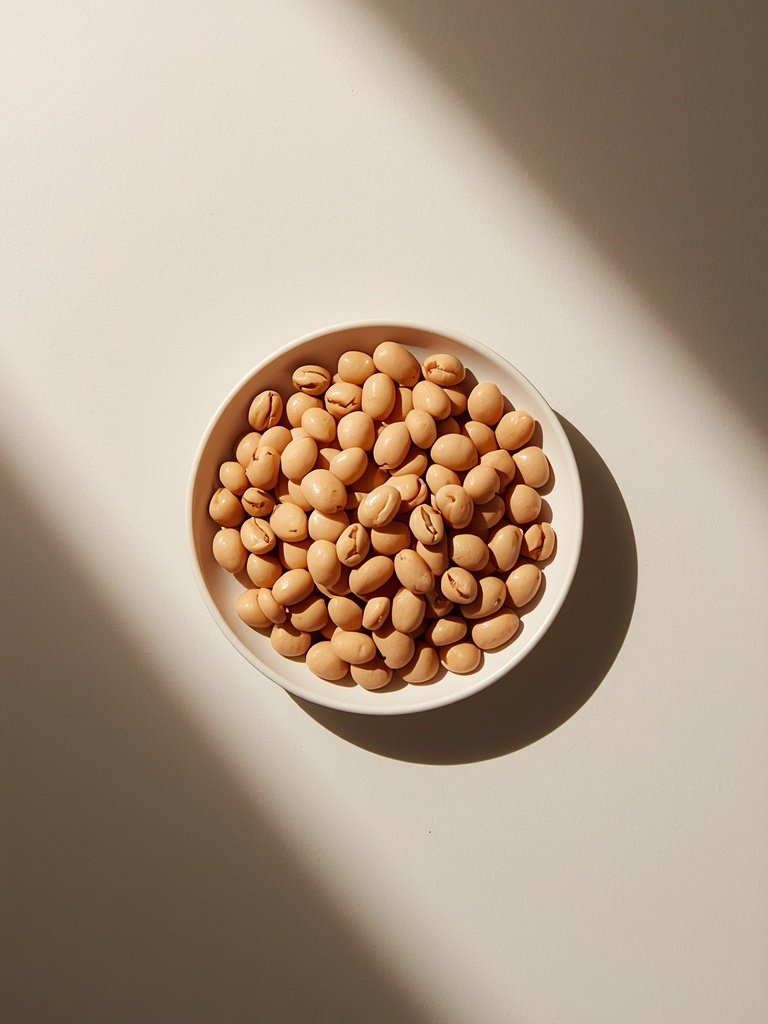
Beans seeds, regardless of the variety, contain a significant amount of protein. Fresh seeds are a good choice as they are a rich source of vitamins A and C. Dried beans seeds lose many of these nutrients. They contain potassium, calcium and phosphorus, and unlike other legumes, they do not contain sodium. They also contain a lot of starch, which helps to feel full for a longer period of time.

Can this valuable spirulina, i.e., valuable cyanobacteria, be consumed?

Can this valuable spirulina, i.e., valuable cyanobacteria, be consumed?

Spirulina is a type of microscopic, blue-green algae belonging to the group of cyanobacteria. They are an exceptionally rich source of high-quality protein and easily digestible vitamins, mainly B vitamins but also A, D, E, K, and beta-carotene. The product contains immulin, a specific compound that enhances our immunity. Is this all that the mysterious spirulina has to offer?

Share