Cheese protein treasure: Parmesan – tradition, aging process, and nutritional value in the diet
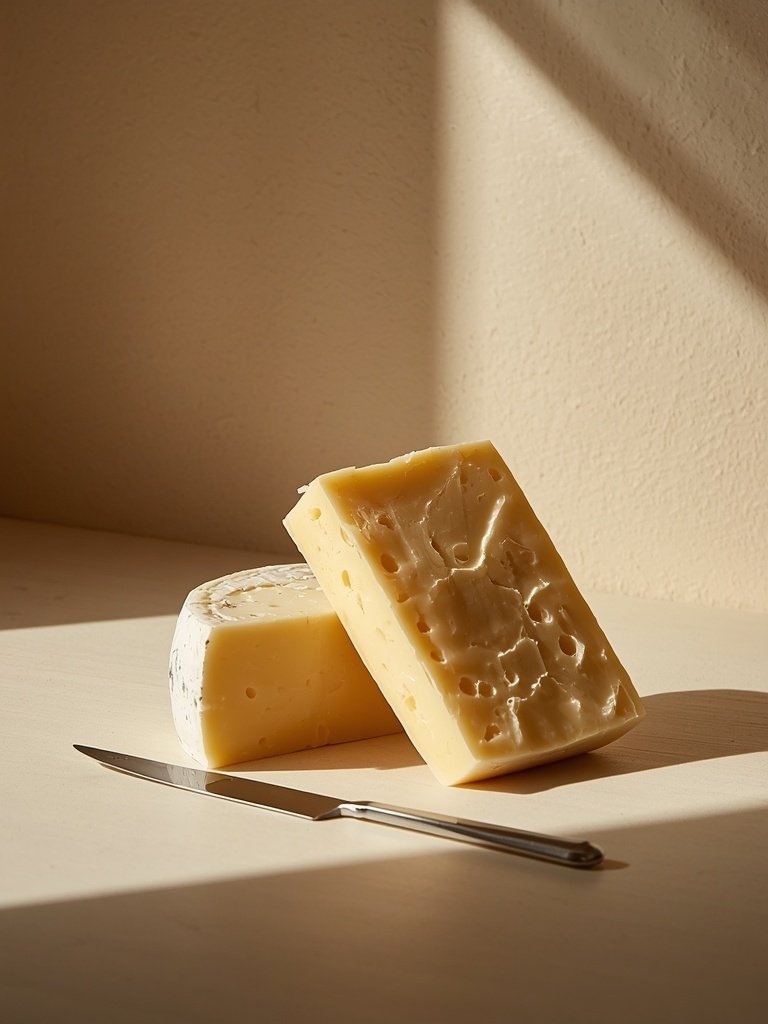
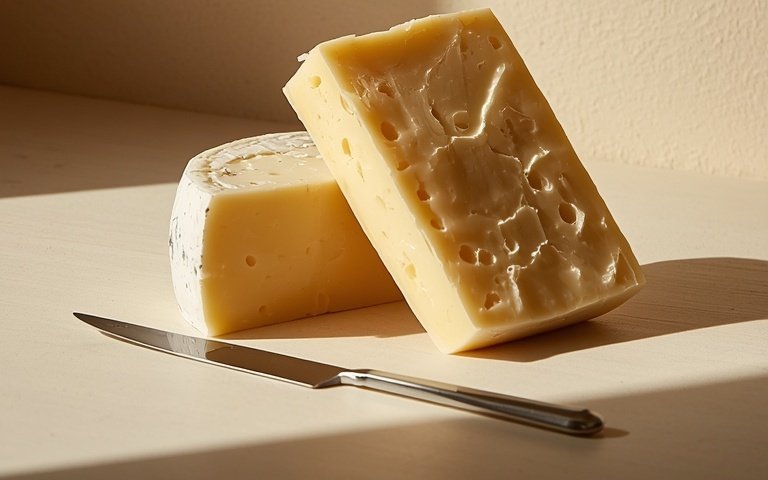
Table of Contents 4
Medical & Editorial Disclaimer (§3 Terms): This article is for informational and educational purposes only, does not constitute medical advice, diagnosis, or treatment, and is used at your own risk. Consult a qualified physician for medical conditions.
Throughout its extensive aging process, natural enzymatic proteolysis pre-digests the dense protein structures into easily absorbed free amino acids and small peptides. This unique biochemical transformation significantly reduces the digestive workload, making the nutrients rapidly available and exceptionally suitable for athletes, seniors, and individuals with sensitive digestive systems. The prolonged maturation also yields concentrated levels of bioavailable calcium and phosphorus in a synergistic ratio that supports bone mineral density and dental health, while naturally eliminating lactose.
In daily meal preparation, Parmigiano Reggiano acts as a rich natural source of umami, elevating the flavor profile of soups, roasted vegetables, whole-grain pastas, and fresh salads without relying on excess table salt. Enjoyed in shaved curls or paired with fresh fruits and nuts, it offers an effortless way to enhance daily protein intake and mineral status while supporting overall digestive comfort and metabolic wellness.
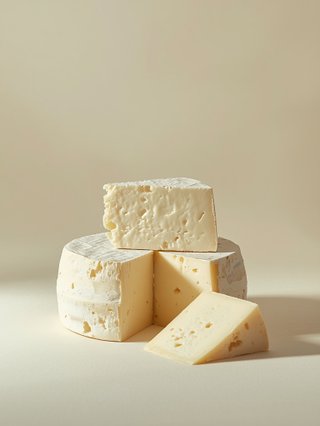
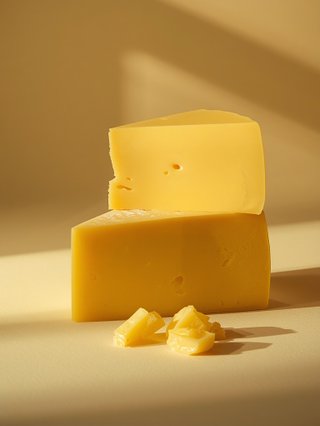
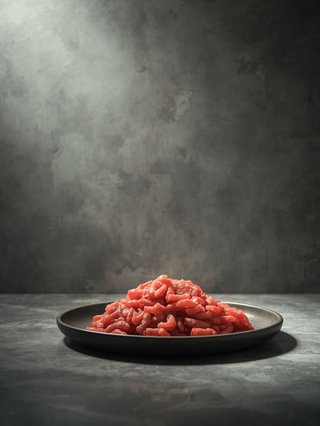
Authentic Parmigiano Reggiano (PDO) stands out for its remarkably high concentration of complete, highly bioavailable protein—just 100 g of this long-aged artisanal cheese delivers 32–36 g of protein, equivalent to the protein content of nearly 180–200 g of lean beef. Its exceptional quality stems from strict geographical protection in northern Italy's Emilia-Romagna region and premium raw cow's milk.
Crafted exclusively from raw milk, natural whey starter cultures, calf rennet, and sea salt without any artificial additives or preservatives, Parmigiano Reggiano undergoes prolonged maturation that imparts unique digestive and cardiometabolic benefits.
Tradition of Production and Amino Acid Profile of Parmigiano Reggiano
Authentic Parmigiano Reggiano carries Protected Designation of Origin (PDO) status and may only be crafted within designated provinces of northern Italy (Parma, Reggio Emilia, Modena, and parts of Bologna and Mantua). Dairy cows supplying milk for its production are fed strictly on fresh local pasture grass and natural hay, with a total ban on fermented silage. Producing a single kilogram of Parmigiano Reggiano requires roughly 14–16 liters of raw milk, explaining its extraordinary nutrient concentration.
During prolonged maturation—lasting a minimum of 12 months and frequently 24, 36, or 48 months—proteolytic enzymes naturally break down intact milk casein into short-chain peptides and free amino acids (accounting for up to 20–25% of total protein, visible as crunchy white tyrosine crystals). Moreover, bioactive lactotripeptides (such as VPP and IPP) generated during aging exhibit natural angiotensin-converting enzyme (ACE) inhibitory activity, supporting healthy blood pressure regulation.
Bioavailable Calcium, Phosphorus, and Natural Absence of Lactose
Parmigiano Reggiano ranks among the richest and most bioavailable dietary sources of calcium and phosphorus. A 100 g portion supplies approximately 1,150–1,180 mg of calcium and 680 mg of phosphorus in an optimal physiological ratio that promotes bone mineral density and dental enamel integrity. Consequently, a modest 40–50 g serving covers more than half of the daily adult requirement for both minerals while also delivering zinc, selenium, and vitamins A, B2, and B12.
An equally important clinical attribute of Parmigiano Reggiano is that it is naturally lactose-free. Within the first 48 hours of cheesemaking, thermophilic lactic acid bacteria completely ferment milk sugar (lactose) into lactic acid and metabolize residual galactose (leaving less than 0.01 g of lactose per 100 g). As a result, authentic Parmigiano Reggiano is exceptionally well tolerated by individuals with lactose intolerance or those following a low-FODMAP diet.
Parmigiano Reggiano in the Diet of Athletes, Children, and Seniors
Because extensive enzymatic proteolysis occurs throughout its long aging process, the proteins in Parmigiano Reggiano are effectively 'pre-digested' into free amino acids and small peptides prior to consumption. This allows the human gastrointestinal tract to assimilate Parmigiano Reggiano much more rapidly and effortlessly than cooked meats or unripened cheeses, making it ideal for seniors, convalescents, and individuals with delicate digestion.
Its high concentration of branched-chain amino acids (BCAAs—leucine, isoleucine, and valine) also makes Parmigiano Reggiano a valuable recovery food for athletes. Furthermore, pediatricians frequently recommend stirring a small spoonful of freshly grated Parmigiano Reggiano into vegetable purees and soups for growing children to boost calcium, phosphorus, and protein intake—while keeping portion sizes moderate (10–20 g) to account for its natural salt content (approx. 1.6 g per 100 g).
Culinary Applications, Differences from Grana Padano, and Proper Storage
Parmigiano Reggiano is the cornerstone of Italian gastronomy and a powerhouse of natural umami flavor (owing to the high concentration of free glutamic acid formed during aging). Even a modest 10–15 g dusting of freshly grated cheese transforms pasta dishes, risottos, minestrone soups, roasted vegetables, and salads without requiring extra table salt. Broken into rustic shards, it pairs exquisitely with fresh figs, pears, grapes, balsamic vinegar, and walnuts.
A closely related cheese often compared to Parmigiano Reggiano is Grana Padano, produced across a wider area of the Po Valley (including Lombardy and Piedmont). The key distinction is that cows producing milk for Grana Padano may be fed silage, which requires adding lysozyme (an egg-white protein preservative) to the milk, and its maturation period is shorter (9 to 20 months). To preserve Parmigiano Reggiano's texture and aroma, store it in the refrigerator (4–8°C) wrapped in parchment or wax paper rather than airtight plastic wrap.
Want to apply these guidelines in your daily diet?
Our smart diet generator creates a tailored meal plan in 3 minutes based on the recommendations in this article.
Tags

mgr Emilia Szymańska
• 25.11.2026Diets Premium Expert
Diets Premium team expert. Specializes in nutrition plans, strength sports, and training plans.