PRO
7 min read
Duel! Isolate vs. Protein Concentrate

1 photo
576
Smart Voice
AI
0:00
0:00
Listen to the article content live
Table of Contents 13
PRO Content
PRO
This article is professional premium content (PRO) provided in its entirety.
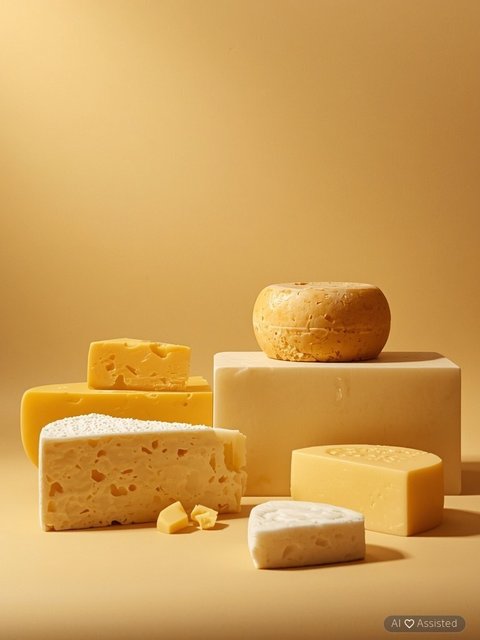
Whey is a byproduct of the cheese manufacturing process. Whey protein is a complete protein that contains all the essential exogenous amino acids. Our article aims to present the two most popular forms of this supplement - concentrate and isolate. If you want to discover which protein is more advantageous for you, please read the text underneath.
01 / 13
What is whey protein concentrate?
Whey protein concentrate is a type of milk protein that is obtained through micro- or ultrafiltration. A notable characteristic is a high content of exogenous amino acids, which contributes to the high nutritional value of this product. Its composition typically includes: – 65–80% protein, – 3–8% carbohydrates (lactose), – 2–6% fat. Whey protein concentrates also contain biologically active components such as α- and β-lactoglobulins, transferrin, proteozykopeptides, and immunoglobulins. These compounds form a specific reservoir of vitamin A and iron. Other key features are the ease of digestion and the excellent consistency of the concentrate. This type of protein can be used not only during intense training phases, but also as an addition to meals to enhance their nutritional value.
02 / 13
Dosing of whey protein concentrate
The dosing of whey protein concentrate, similar to other supplements, is strictly dependent on the user. It is primarily based on individual requirements and lifestyle (daily energy expenditure, type and frequency of physical activity). General guidelines for the use of whey protein are as follows: - a daily serving of 0.8 g/kg body weight should be consumed by individuals who do not engage in any physical activity and do not wish to alter their physical build, - a daily dose of 1.5-2.2 g/kg body weight is intended for athletes or highly physically active individuals.
03 / 13
Research on Whey Protein Concentrate
Scientific research from the University of Wisconsin confirms that the consistent application of serum concentrate effectively decreases the incidence of colon cancer more than similar supplementation. The actual size of the cancer was considerably smaller than in the other two study groups. Other tests also suggest the anti-cancer properties of WPC, as the regular consumption of serum concentrates has been shown to reduce the frequency of breast cancer in rats compared to soy-based or casein supplementation.
04 / 13
The procedure is underway
The primary task of applying protein supplements in sports is the construction of muscle mass. Muscle development depends on the type of proteins provided to the body. Serum protein is regarded as one of the most complete protein forms and constitutes the basis of every athlete's diet. Physical exertion and increased energy expenditure lead to an increased requirement for all nutrients. Physical activity leads to the initiation of catabolic processes, which are undesirable for the muscular system. Serum protein consumed prior to training diminishes these reactions, boosts training effectiveness (influencing anabolic processes), and lessens post-workout fatigue.
05 / 13
The hour for absorption is upon us
Dietary supplements that are based on serum concentrates are generally considered permissible.
06 / 13
In which instances can protein concentrates be utilized?
Pertains to products with an average absorption period. The duration of absorption of nutrients from this composition is dependent on the presence of fiber, carbohydrates, and fats in the composition. The estimated absorption period of the substance by the human body is 1-3 hours. In the context of physical activity, concentrates are predominantly utilized during the muscle-building phase. Carbohydrates and fats present in them constitute an excellent source of nutrients essential for constructing robust muscle mass. They can also be used during reduction phases, however, they should be employed judiciously, as a higher quantity of carbohydrates and fats, as well as (frequently) employed sweeteners, can complicate the weight loss process. It is recommended to administer protein concentrates 30 minutes prior to and immediately following training, as their application is substantiated by the inhibition of detrimental catabolic reactions.
07 / 13
What is whey protein isolate?
Whey protein isolate is another variant of the previously described concentrate. It is obtained by a more advanced method of cross-flow microfiltration, which takes place at a low temperature, preventing the destruction of valuable and bioactive ingredients. The main difference between isolate and concentrate lies in their composition. Isolates contain a higher amount of protein itself (85-90%) as well as accompanying exogenous amino acids. Another important factor is the reduced content of carbohydrates (0-3%) and fat (1-3%). The digestion process of this protein form is even more efficient, allowing for a faster delivery of aminokwasów to the blood. It is also worth noting that the solubility of isolates in liquids is significantly better than that of concentrates. A difference can also be seen in the price - products containing isolate are usually 30% more expensive than products containing concentrate.
08 / 13
Dosing of whey protein isolate
The recommended dose of whey protein isolate depends on individual needs and lifestyle (daily energy expenditure, type and frequency of physical activity). The general guidelines for consuming serum protein are as follows: – individuals who do not engage in any physical activity and do not want to change their body structure should consume 0.8 g/kg body weight daily, – athletes or very active individuals should consume 1.5–2.2 g/kg body weight daily.
09 / 13
Whey Isolate and Weight Loss
Investigations concerning the effect of whey protein isolate on weight reduction reveal the following findings: a group of individuals ingesting 60 g of this preparation daily recorded a decrease in the body's ability to store glucose, lower cortisol levels, and an enhanced sense of fullness. Other contemporary scientific studies confirm the proreductive nature of isolates. One research group consumed a portion (10 g) of the dietary supplement 20 minutes before meals, while another group, the control group, consumed maltodextrin and a calorie-restricted diet. Following a 12-week treatment, the control group observed a decrease in body fat by 6.1% and a lesser reduction in lean muscle mass.
10 / 13
Applications of protein isolate and its role in compensating for protein deficiencies in diet
The main purpose of protein isolate, similar to any protein product, is to compensate for protein deficiencies in the diet. Scientific research proves that protein shakes can be effectively used by individuals who, due to independent reasons, have limited access to this nutrient (e.g. diseases, milk intolerance, digestive problems). Protein-based nutritional supplements with whey isolate work very well as a source of rapidly absorbable protein in the diet of athletes. The 'leaner' composition of carbohydrates and fats, as well as additional substances, enables the isolate to be considered a low-calorie source of nutritional value. A low content of sweetening agents is an additional advantage for individuals in the phase of weight reduction and reduction.
11 / 13
Side effects of use
Potential adverse effects of using whey protein may stem from an allergy to this product. Another reason may be excessively high doses of the product compared to the body's requirements, which allow for proper functioning. Indications of improper supplement use may include: abdominal pain, stomach cramping, decreased appetite, fatigue, nausea. Long-term use of supplementation (without any breaks) and an excess of protein may lead to overloading of the kidneys and liver. Consequences of these disorders are, however, cardiovascular diseases, hypertension, and issues with the digestive system.
12 / 13
How to appropriately utilize whey protein isolate?
The utilization of a dietary supplement based on whey protein isolate should transpire at an opportune moment. The recommended time for employing this measure is the moment prior to training and immediately ensuing physical exertion. This is attributed to the extremely rapid absorption time, thereby the efficacy of the action will have the most benefit. This will not only inhibit the previously mentioned catabolism but will enable the complete utilization of high-quality protein and exogenous amino acids.
13 / 13
Segregated proteins
Both isolate and whey protein concentrate constitute high-quality sources of easily digestible milk proteins. They are distinguished by reduced absorption times and increased nutrient content. Fewer additives will be an exceptional advantage for those battling with overweight and valuing high-quality supplements. Whey concentrates are, however, recommended for individuals whose primary aim is muscle mass building. A greater amount of carbohydrates and fats will be an additional benefit for the newly formed muscle tissue. Their cost is also more accessible than isolates, so if you desire to save money on other supplements, select this supplement.
Meal Plan
Want to apply these guidelines in your daily diet?
Our smart diet generator creates a tailored meal plan in 3 minutes based on the recommendations in this article.

Scientifically reviewed by a clinical dietitian
• 23.10.2026
Anna Schmidt
Diets Premium Expert
Diets Premium team expert. Specializes in nutrition plans, strength sports, and training plans.
USDA FoodData Central
EFSA
PubMed Clinical Guidelines