White bell pepper – unique characteristics of the Igolomska variety, vitamin content, and nutritional profile in the diet
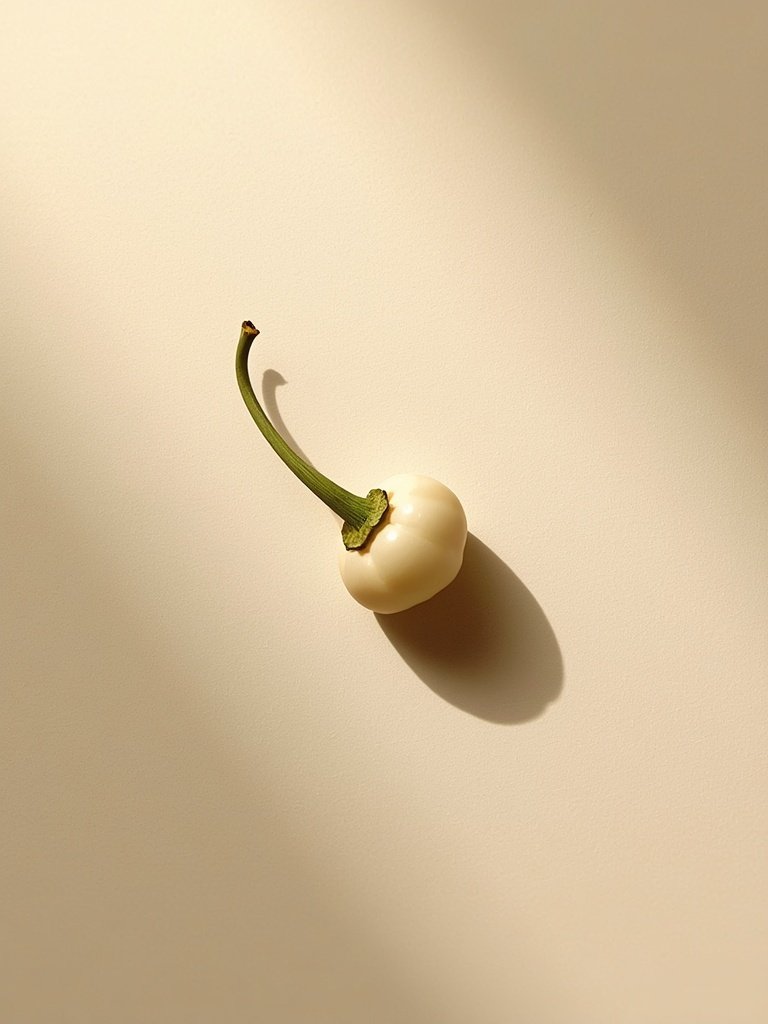
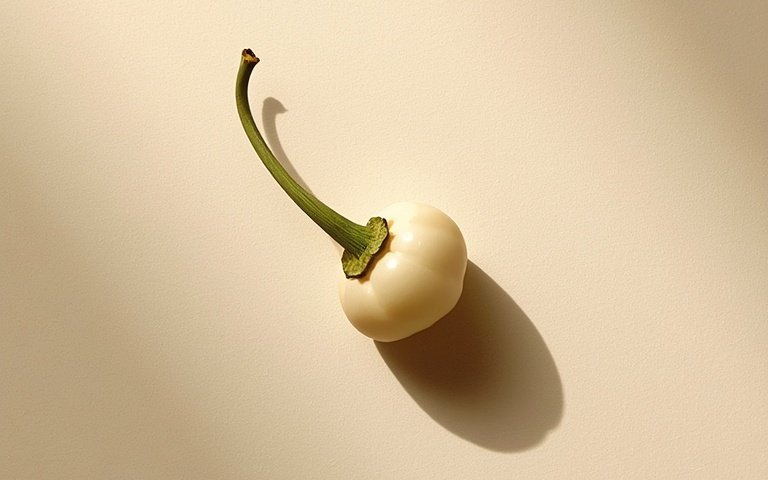
Table of Contents 4
Medical & Editorial Disclaimer (§3 Terms): This article is for informational and educational purposes only, does not constitute medical advice, diagnosis, or treatment, and is used at your own risk. Consult a qualified physician for medical conditions.
From a physiological perspective, white bell pepper combines minimal caloric density and a gentle glycemic impact with a high proportion of structured water enriched with natural electrolytes such as potassium, magnesium, and calcium, supporting cellular hydration and systemic acid-base balance. Although it contains fewer deeply pigmented carotenoids than fully ripened red cultivars, its succulent flesh supplies abundant ascorbic acid, phenolic acids, and flavonoids that help shield cellular membranes from lipid peroxidation while supporting immune defense and duodenal non-heme iron absorption. Furthermore, its micronutrient profile delivers B-complex vitamins, fat-soluble tocopherols, provitamin A, and lutein, which contribute to visual acuity and help maintain the integrity of mucosal epithelia along the respiratory and digestive tracts.
In daily meal planning, white bell pepper serves as a versatile culinary ingredient that bridges traditional recipes and modern nutritional standards. Its conical architecture and delicate pericarp make it particularly well suited for oven-baked stuffed dishes and gently braised meals. To gain the full benefits of both its heat-sensitive water-soluble vitamins and its fat-soluble antioxidants, it is beneficial to pair cooked preparations with fresh, raw slices tossed into everyday salads alongside a wholesome lipid source.
Sweet white bell pepper (Capsicum annuum L.), distinguished by its conical, ivory-to-pale-butter colored pods, is gaining increasing recognition in both contemporary gastronomy and clinical dietetics. Thanks to its exceptionally thin, tender skin, compact seed core, and mild, velvety flavor profile, it is remarkably well tolerated by individuals with sensitive digestive tracts. While especially prized for stuffed and oven-baked dishes, its rich supply of vitamin C, B-complex vitamins, and hydrating electrolytes makes it an outstanding addition to fresh salads and braised meals alike.
White Bell Pepper – Botanical Characteristics and the Polish 'Igołomska' Heritage Cultivar
White bell pepper (Capsicum annuum L.) derives its name from the milky-ivory to pale buttery hue of its pericarp at harvest maturity. Its fruits form a tapered, conical pyramid weighing approximately 90 to 130 g. Although originally native to tropical Central and South America and widely cultivated across Central Europe (notably in Hungary as Fehérözön or Cecei types), it holds special regional prestige in southern Poland (Małopolska), where it is protected as a traditional regional specialty known as Igołomska pepper (papryka igołomska).
From a culinary and food-science perspective, white bell pepper offers distinct structural advantages. It features a remarkably small placental core with very few seeds, leaving a spacious, uniform interior chamber. Its flesh is crisp, juicy, and far milder and sweeter than green bell pepper, with a thinner epidermis that makes it easier to digest. Furthermore, during baking or braising, the pods resist splitting and retain their structural integrity and velvety texture.
Health-Promoting Properties and Digestive Gentleness of White Bell Pepper
White bell pepper exerts multifaceted health benefits across human physiology. Rich in phenolic acids, flavonoids, and ascorbic acid, it provides robust antioxidant protection—scavenging reactive oxygen species (free radicals) and shielding cellular membranes from lipid peroxidation. Its bioactive micronutrients actively reinforce immune defense and support hematopoietic (blood-forming) pathways by enhancing duodenal non-heme iron absorption and red blood cell maturation.
A major clinical advantage of white bell pepper over thicker-skinned cultivars is its superior digestibility. Because its outer cuticle is noticeably thinner and more tender, it rarely triggers postprandial bloating or gastric discomfort in individuals with sensitive digestion. Additionally, its synergy of antioxidants and sulfur-supporting cofactors stimulates dermal microcirculation and collagen cross-linking, strengthening hair, skin, and nails while supporting cellular energy metabolism.
Vitamin Spectrum of White Bell Pepper
Although white bell pepper contains fewer deeply pigmented carotenoids than fully ripened red cultivars, it remains an exceptional source of vitamin C (approx. 80 to 120 mg per 100 g), easily supplying over 100% of the daily adult requirement in a single serving. Its succulent flesh also provides essential fat-soluble vitamins:
- Provitamin A and lutein: Maintain visual acuity and preserve the integrity of mucosal epithelia along the respiratory and digestive tracts.
- Vitamin E (tocopherols): Protects polyunsaturated membrane phospholipids against oxidative degradation.
- Vitamin K (phylloquinone): Regulates coagulation cascades and osteocalcin activation in bone tissue.
Furthermore, white bell pepper supplies a comprehensive array of B-complex vitamins—thiamine (B1), riboflavin (B2), niacin (B3), pantothenic acid (B5), pyridoxine (B6), folate (B9)—alongside choline, all of which are indispensable for synaptic neurotransmission, mitochondrial energy production, and homocysteine methylation.
Nutritional Value, Trace Minerals, and Hydration Profile of White Bell Pepper
White bell pepper features a minimal caloric density of just 20 to 25 kcal per 100 g coupled with a low glycemic index (GI = 15). Because 92 g per 100 g of the vegetable consists of structured water enriched with natural electrolytes (principally potassium, magnesium, and calcium), incorporating white bell pepper into meals actively supports cellular hydration and systemic acid-base balance.
Its flesh also furnishes vital trace minerals that serve as cofactors for endogenous antioxidant enzymes (such as superoxide dismutase and glutathione peroxidase), including selenium, copper, manganese, and zinc. Combining generous portion volume, gentle dietary fiber (approx. 1.8 g/100 g), and negligible caloric load, white bell pepper—whether stuffed with lean meat and whole grains, braised in Hungarian lecso, or enjoyed raw—is an ideal staple in weight-management, easily digestible, and heart-healthy diets.
Want to apply these guidelines in your daily diet?
Our smart diet generator creates a tailored meal plan in 3 minutes based on the recommendations in this article.

Julia Wójcik
• 23.10.2026Diets Premium Expert
Diets Premium team expert. Specializes in nutrition plans, strength sports, and training plans.