Pork – real nutritional value and the impact of pork on health
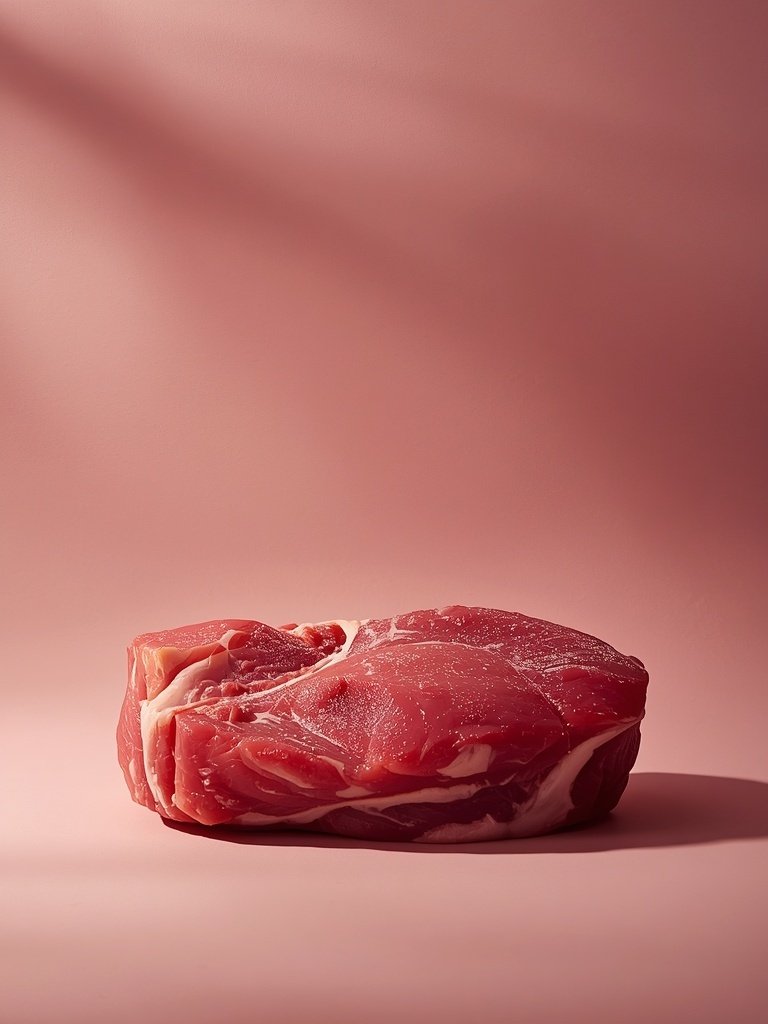
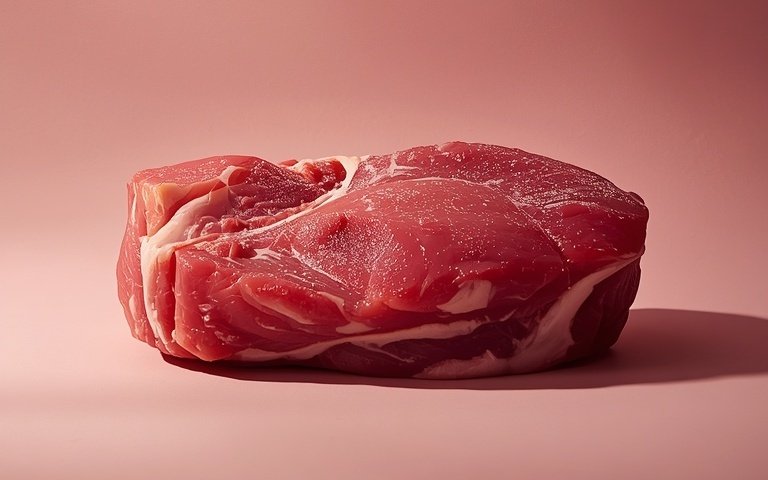
Table of Contents 3
Medical & Editorial Disclaimer (§3 Terms): This article is for informational and educational purposes only, does not constitute medical advice, diagnosis, or treatment, and is used at your own risk. Consult a qualified physician for medical conditions.
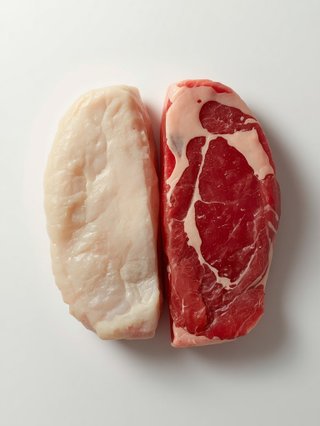
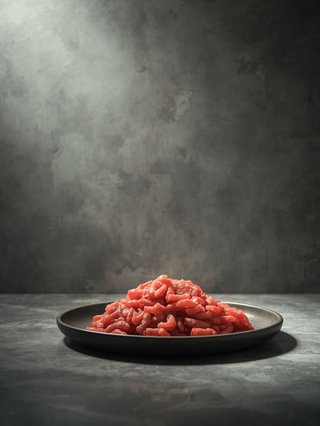
Physiologically, the health impact of pork is largely determined by the specific cut and the quality of animal husbandry practices. Recent advancements in farming standards have led to improvements in the nutrient density and fat composition of pork products. Lean cuts provide a significant source of high-quality protein, essential B vitamins, and bioavailable minerals that support various metabolic functions. By distinguishing between lean portions and those with higher fat content, individuals can better manage their intake of fatty acids while still benefiting from the protein-rich nature of the meat.
For practical daily nutrition, the focus should remain on selecting lean cuts such as tenderloin or loin and employing healthy cooking methods. Developing a deeper knowledge of meat selection allows for more strategic meal planning, ensuring that dietary needs are met without unnecessary caloric density. By prioritizing quality and moderation, pork can be integrated into a well-rounded diet that supports long-term health goals and provides a satisfying, nutrient-dense component to a variety of meals.
Fresh or chilled pigs
Pork has a nutritional value
That's a lot of calories
Want to apply these guidelines in your daily diet?
Our smart diet generator creates a tailored meal plan in 3 minutes based on the recommendations in this article.

Laura Schneider
Diets Premium Expert
Diets Premium team expert. Specializes in nutrition plans, strength sports, and training plans.