





Ailments and Health • CLINICAL PROTOCOL

Hypertension

Personalized, evidence-based nutrition guidelines (EBM) dedicated to Hypertension. Balanced macronutrients, micronutrition, and elimination of pro-inflammatory factors.

Hypertension
HOW TO START

It's Easy to Start Today!

Eat Healthy

Precisely selected nutrients supporting metabolic balance and tissue regeneration.

Workout Hard

Physical activity safely tailored to your clinical conditions and baseline endurance.

Enjoy Your Life

Psychoemotional balance, restful sleep, and stress reduction as indispensable pillars of recovery.

SERVICES & PROTOCOLS
Personal Health Program

Personal Health Program

Dedicated medical nutrition therapy and dietary protocols for Hypertension.

Personal Fitness Trainer

Personal Fitness Trainer

Tailored workout plan and physical exercise supporting therapy.

Wellness Counseling

Wellness Counseling

Specialist support and continuous monitoring of health progress.

Diet Programs

Diet Programs

Precise calculation of BMR, TDEE, and micronutrient balance.

Refreshing Citrus Background
FREE RECOMMENDATIONS

Change Your Health in One Day!

Special Program for Sensitive Nutrition
POPULAR PROGRAMS & CLINICAL PROTOCOLS

Special Program for Sensitive Nutrition

Individually formulated nutrition protocols for individuals managing specific metabolic and allergic requirements in Hypertension.

Allergen exclusion, gut microbiota support, and optimization of carbohydrate-lipid metabolism.

8
Programs
161
Happy Customers
7
Awards
117
Success Stories

Other Groups in Category: Ailments and Health

Articles and Guides in — Hypertension

Publications, recommendations, and clinical analysis in Hypertension

30 publications
Hypotension (low blood pressure) – clinical symptoms, etiological factors, and the role of nutrition in prevention and therapy

Hypotension (low blood pressure) – clinical symptoms, etiological factors, and the role of nutrition in prevention and therapy

Circulatory disorders represent a widespread health challenge in modern society, predominantly manifested through conditions such as hypertension, ischemic heart disease, cardiac arrhythmias, and chronic venous insufficiency. However, clinical practice frequently encounters the inverse disturbance: chronically reduced arterial blood pressure, known as hypotension. An evidence-based nutritional protocol, targeted fluid balance, and lifestyle adaptations serve as foundational interventions to mitigate hypotensive symptoms. Understanding the neurovascular regulatory mechanisms facilitates effective prevention of orthostatic episodes and restores optimal functional capacity in affected individuals.


Skipping breakfast and late dinners – how meal pattern disturbances lead to metabolic syndrome

Skipping breakfast and late dinners – how meal pattern disturbances lead to metabolic syndrome

Modern fast-paced routines lead millions of individuals to rush through mornings fueled solely by black coffee, shifting primary caloric intake to late evening hours. Groundbreaking research in chrononutrition – the study of metabolic interactions with internal circadian clocks – demonstrates that this pattern severely dysregulates glucose and lipid homeostasis. This monograph explores the pathophysiological underpinnings of metabolic syndrome, hepatic steatosis driven by nocturnal nutrient excess, and circadian-aligned time-restricted feeding protocols.

The Role of Phenolic Compounds in Preventing Cardiovascular Diseases: Scientific Evidence from the BACCHUS Project

The Role of Phenolic Compounds in Preventing Cardiovascular Diseases: Scientific Evidence from the BACCHUS Project

The pan-European BACCHUS research consortium yielded groundbreaking empirical evidence confirming the cardioprotective efficacy of dietary polyphenols and bioactive peptides. Phenolic compounds abundant in green tea, pome fruits, raw cacao, and extra virgin olive oil modulate critical signaling cascades within vascular endothelial cells. This monograph reviews the molecular inhibition of VEGF angiogenic signaling, improvements in arterial elasticity, and dietary applications.

Cereal bran (byproducts of grain milling) – production technology, nutritional profile, properties, and classification

Cereal bran (byproducts of grain milling) – production technology, nutritional profile, properties, and classification

This frequently overlooked byproduct generated during the transformation of cereals into flour represents a valuable reservoir of essential nutrients required by the human body to sustain optimal physiological function. Beyond the fibrous fraction—a critical component that promotes healthy intestinal motility and supports gut microbiome equilibrium—these industrial residuals contain substantial quantities of micro- and macronutrients, a spectrum of B-complex vitamins, and antioxidant compounds. Systematic incorporation of these residues into dietary patterns may contribute to mitigating the risk of metabolic disorders, including hypercholesterolemia, hypertension, and insulin resistance, while also facilitating weight management through enhanced satiety perception coupled with relatively low caloric density.

Obesity specialist and dietitian – competition or synergy? Key professions for public health in the era of metabolic epidemics

Obesity specialist and dietitian – competition or synergy? Key professions for public health in the era of metabolic epidemics

Epidemiological records reveal that excess body weight and obesity are directly responsible for millions of fatalities globally, imposing an unprecedented burden on healthcare systems. Forecasts paint a grim picture: the prevalence of obesity continues to rise steadily, while comorbidities such as type 2 diabetes and hypertension reach epidemic proportions. In response to these alarming trends, medical professionals emphasize the urgent need for an interdisciplinary approach and clearly defined professional roles. What specific competencies distinguish an obesity specialist, how do they differ from the role of a clinical dietitian, and does the relationship between these professions revolve around professional rivalry or synergistic collaboration in therapeutic interventions?

Beneforte – an innovative variety of broccoli with proven hypocholesterolemic effects

Beneforte – an innovative variety of broccoli with proven hypocholesterolemic effects

Beneforte is an innovative broccoli cultivar, meticulously developed through advanced yet entirely natural breeding techniques. It has been clinically demonstrated to significantly and rapidly reduce harmful LDL cholesterol levels in the bloodstream. These distinctive properties position Beneforte as a valuable dietary intervention in the prevention of cardiovascular diseases, including atherosclerosis and hypertension. These conditions remain leading causes of morbidity and mortality globally, particularly in high-income populations, underscoring the critical importance of effective cholesterol management.

Excess salt in the daily diet and arterial hypertension: sodium pathophysiology, hidden sources, and the DASH diet

Excess salt in the daily diet and arterial hypertension: sodium pathophysiology, hidden sources, and the DASH diet

Sodium chloride represents an indispensable physiological electrolyte governing extracellular fluid homeostasis and neural membrane potential. In contemporary western diets, daily intake surpasses physiological requirements by two- to three-fold, averaging 10 to 12 g per day against the World Health Organization threshold of

High blood pressure in pregnant women and children – diagnostic specifics, differentiation, and safe treatment strategies

High blood pressure in pregnant women and children – diagnostic specifics, differentiation, and safe treatment strategies

Arterial hypertension in vulnerable demographic cohorts—specifically pediatric populations and pregnant women—demands specialized clinical stratification diverging substantially from standard adult medicine. Utilizing normative pediatric blood pressure percentiles and recognizing early signs of preeclampsia prevents organ damage.

Hypertension in pregnant women – safe management, monitoring, and limitations of phytotherapy

Hypertension in pregnant women – safe management, monitoring, and limitations of phytotherapy

Hypertensive disorders of pregnancy affect approximately 6–10% of expectant mothers, representing a paramount obstetric challenge. Timely differentiation between chronic hypertension, gestational hypertension, and preeclampsia is essential to prevent maternal-fetal morbidity. Crucially, conventional hypotensive herbs are strictly contraindicated due to potential uterotonic and teratogenic actions.

Arterial atherosclerosis: symptoms, risk factors, and treatment methods – how to prevent and treat blood vessel narrowing?

Arterial atherosclerosis: symptoms, risk factors, and treatment methods – how to prevent and treat blood vessel narrowing?

While the majority of individuals can provide a basic definition of atherosclerosis, few fully grasp the profound ways in which this progressive vascular disease undermines both daily well-being and long-term cardiovascular health. Disregarding routine preventive screenings—such as blood pressure monitoring, cholesterol panels, or carotid Doppler ultrasounds—often delays the detection of asymptomatic plaque accumulation, which may silently advance for years. Untreated atherosclerosis significantly elevates the risk of life-threatening complications, including myocardial infarction, ischemic stroke, or peripheral artery disease. It is therefore imperative not only to assess one’s genetic predispositions and lifestyle factors that accelerate endothelial dysfunction (e.g., sedentary habits, hyperlipidemic diets, or chronic stress) but also to implement evidence-based preventive strategies. These may include adopting a Mediterranean-style diet rich in monounsaturated fats and polyphenols, engaging in moderate-intensity aerobic exercise, rigorously managing hypertension and diabetes, and eliminating tobacco exposure—all of which collectively mitigate further vascular damage and promote endothelial repair.

Liver cirrhosis – etiopathogenesis, clinical symptoms, complications, and advanced diet therapy and nutritional treatment

Liver cirrhosis – etiopathogenesis, clinical symptoms, complications, and advanced diet therapy and nutritional treatment

Hepatic cirrhosis constitutes the common advanced end-stage pathway of progressive chronic liver diseases, pathologically defined by diffuse parenchymal fibrogenesis, vascular architecture disruption, and conversion of normal hepatic lobules into structurally abnormal regenerative nodules. This histological disruption culminates in critical hepatocyte functional insufficiency and portal hypertension. Cirrhosis frequently remains clinically silent for years (compensated phase) until catastrophic decompensation ensues—manifesting as ascites, hepatic encephalopathy, esophageal variceal hemorrhage, or hepatorenal syndrome. Notably, protein-calorie malnutrition and sarcopenia affect between 60% and 80% of cirrhotic patients, representing powerful independent determinants of mortality. This review integrates pathophysiology, clinical presentation, and clinical nutrition standards established by EASL and ESPEN.

Diet for kidney stones – what food products are recommended? Can beer really help treat kidney stones?

Diet for kidney stones – what food products are recommended? Can beer really help treat kidney stones?

Kidney stones are classified as a systemic condition affecting approximately 5–20% of the population, with men being more commonly diagnosed. Due to their prevalence and associated clinical scenarios, they can significantly increase the risk of cardiovascular diseases such as hypertension and coronary artery disease. In this article, we will provide a comprehensive overview of this condition and offer practical advice on selecting appropriate food products to aid in the treatment process. We invite you to explore the content!

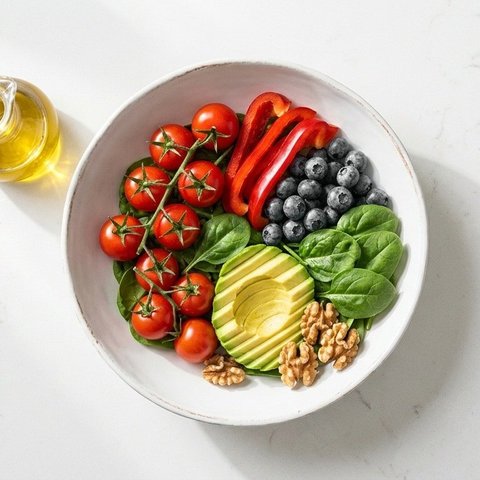
Diet for hypertension: Which products are recommended, and which should be avoided with high blood pressure?

Diet for hypertension: Which products are recommended, and which should be avoided with high blood pressure?

Hypertension is a condition that typically presents without noticeable symptoms. Individuals should monitor their blood pressure regularly and follow a suitable diet. Untreated hypertension can result in severe complications, including cardiovascular damage. Discover the essential dietary and lifestyle adjustments needed to manage blood pressure effectively.

Diet to support blood pressure reduction - restrictions, guidelines, and difficult-to-treat hypertension

Diet to support blood pressure reduction - restrictions, guidelines, and difficult-to-treat hypertension

Blood pressure represents the force exerted by blood against the vessel walls. It is categorized into systolic (higher value) and diastolic (lower value) readings. The reference ranges are shown in the table below. Measurement is conducted using a manometer, with results expressed in millimeters of mercury [mmHg].

DASH Plan – key principles, recommendations... Sample weekly nutrition plan according to DASH

DASH Plan – key principles, recommendations... Sample weekly nutrition plan according to DASH

The latest data on hypertension is alarming – this condition affects nearly 30% of the population in most countries, while those unaware of high blood pressure may account for as much as 50%. Fortunately, the DASH diet (Dietary Approaches to Stop Hypertension) has clinically proven efficacy and delivers measurable benefits for those who adhere to it. What are the fundamental guidelines of its application and what outcomes can be achieved?

Is replacing salt with alternative ingredients an effective way to reduce its intake?

Is replacing salt with alternative ingredients an effective way to reduce its intake?

While salt is a staple in global cuisine, excessive intake can lead to health risks such as hypertension and cardiovascular diseases. At the same time, it remains vital for bodily functions due to its sodium and chlorine content. Thus, the question arises whether salt substitutes can serve as a healthier option and effectively mitigate the adverse effects of overconsumption.

Type 2 Diabetes – Complications and Prevention. How to prevent the progression of this disease?

Type 2 Diabetes – Complications and Prevention. How to prevent the progression of this disease?

Over the past decades, there has been a sharp rise in the incidence of various lifestyle-related diseases, including hypertension, dyslipidemia, and diabetes. In 2000, 177 million people were affected by diabetes, but projections suggest this number could reach 366 million by 2030. This condition significantly diminishes quality of life and leads to severe health complications. Read the article to learn about its mechanisms and effective prevention strategies.

Diabetes, overweight, and hypertension – serious health challenges for contemporary youth

Diabetes, overweight, and hypertension – serious health challenges for contemporary youth

In recent years, there has been a significant rise in metabolic disorders, which are directly linked to the adverse effects of environmental factors on human health. Previously, such conditions were predominantly associated with adults. However, they are now increasingly diagnosed in children and adolescents as well. Among the most serious health risks are metabolic syndrome, type 2 diabetes, obesity, and hypertension.

Is it possible to accurately measure blood pressure at home and which blood pressure monitor should I choose?

Is it possible to accurately measure blood pressure at home and which blood pressure monitor should I choose?

During a visit from a home doctor, we can undergo a blood pressure measurement. The procedure for performing the measurement may differ depending on the equipment and testing method used by the specialist. The aim is to determine the blood pressure value and initiate appropriate treatment in the event of abnormal results. Blood pressure measurements are very important for health, especially for those taking hypotensive medications and those suffering from hypertension. Which methods can we use when measuring blood pressure independently at home?

Low sodium content in salt compared to traditional

Low sodium content in salt compared to traditional

According to the recommendations of the European Society of Hypertension and the World Health Organization (WHO), daily consumption of cooking salt should not exceed 5 g per day, which corresponds to a flat spoon. However, most Poles consume more than this, even up to three times the recommended amount! One possible solution that can help reduce the intake of added salt in dishes and meals is low-sodium salt.. But what exactly is it and how does it differ from traditional cooking salt?

Indian Gooseberry (Amla) – Weight Loss Supporting Properties

Indian Gooseberry (Amla) – Weight Loss Supporting Properties

Agrest is a plant that can be found in our gardens. India has its own version of this plant, which is extremely rich in antioxidant substances. Amla not only effectively reduces the risk of civilization diseases, such as hypertension, atherosclerosis, diabetes, and obesity, but also supports the fight against more serious diseases, such as cancer and liver diseases. Read the article to learn more about the health benefits that Indian agrest can offer during the weight loss process.

Nine tips for quickly gaining weight

Nine tips for quickly gaining weight

Throughout their life, most individuals follow weight-reduction diets, while some desire to add a few extra kilograms... Gaining weight healthily is not straightforward... Consuming fast food or sweets in excess over an extended period results in an excess of fat tissue, especially around the abdomen, but also in a deterioration of general mental health and the development of diet-related disorders, such as atherosclerosis, hypertension, and even type 2 diabetes... Are there truly healthy methods to achieve the desired dimensions?

Coffee and blood pressure – properties of coffee. Is coffee healthy?

Coffee and blood pressure – properties of coffee. Is coffee healthy?

A significant portion of Poles start their day with a cup of coffee. It is one of the most consumed beverages in the world, which eliminates the feeling of sleepiness and fatigue. There are also many misconceptions about coffee, which put it in a bad light. However, it is time for verification! Can coffee have a positive impact on our health and well-being? Should we consider coffee as the cause of many diseases?

Rowanberry preserves – juice, liqueur, wine, jam, and confiture

Rowanberry preserves – juice, liqueur, wine, jam, and confiture

The common rowan tree (Sorbus aucuparia), or mountain ash, is a quintessential feature of European woodlands. Its bright red berries are a rich repository of vitamin C, tannins, and organic acids. For generations, rowanberry preserves have been cherished in folk medicine for supporting urinary tract health, digestion, and seasonal immunity. Discover time-tested recipes for homemade juices, warming tinctures, artisanal wines, and flavorful rowanberry jams.

Homocysteine – what is this substance, norms, testing, hyperhomocysteinemia… How to lower homocysteine levels?

Homocysteine – what is this substance, norms, testing, hyperhomocysteinemia… How to lower homocysteine levels?

Depending on whether the folic acid metabolic processes in the body are functioning correctly, subsequent reactions depend on them, including the conversion of a crucial amino acid, which is homocysteine, and disorders in these reactions lead to a series of unwanted health consequences in the body, including the development of atherosclerosis, heart diseases, stroke, hypertension, mental and neurological disorders.

Reishi mushrooms – properties, side effects, price

Reishi mushrooms – properties, side effects, price

Reishi fungus (Ganoderma lucidum), also known as yellow lacquer in Poland, belongs to the lacquer family. It is widely recognized in traditional Chinese medicine, meaning its composition and health effects are well understood. Its Chinese name is reishi, and in Japan it is called lingzhi. It served as a means to extend the life of the sick and improve the health of society - it was used as a remedy for allergies, arthritis, hypertension, and liver inflammation. Contemporarily, its applications have been expanded, including anticancer [1].

The effect of overweight on blood pressure

The effect of overweight on blood pressure

Excessive body weight is a significant predictor of the development of hypertension. It is estimated to affect nearly 800 million people worldwide, and according to research conducted in Poland, the problem of excessive body weight affects more than half of Poles. Excess weight and obesity not only contribute to the development of hypertension but can also lead to the onset of type 2 diabetes, insulin resistance, and hypercholesterolemia. Reducing body weight and adhering to a few nutritional recommendations can significantly reduce the risk of developing these diseases.

Share