






WELCOME & NUTRITION SUPPORT

Goals & Transformation

It's a familiar story: You pledge to honor a daily elliptical routine and count every last calorie. But soon, you're eating cupcakes at the office and grabbing happy hour drinks, thinking, 'Oops, diet over.'

I've helped people exactly like you – smart, ambitious, put together – figure out the one thing that eludes them: Their ideal weight and long-term metabolic health. If you're like lots of people I help, you don't like restrictive rules, feel tired often, have tried working out and cutting calories, but need a truly sustainable clinical approach.

Fresh organic green produce in heart shape
HOW TO START

It's Easy to Start Today!

Eat Healthy

Eating habits should be regulated and controlled – only natural organic food will make our body healthy and strong.

Workout Hard

Diet is not the only ingredient of a long happy life. Physical exercise is also important for your health and vitality.

Enjoy Your Life

See how your life becomes a pleasant adventure, full of bright colors and fun activities with sustainable energy.

SERVICES
Personal Health Program

Personal Health Program

It does not matter if you want to lose weight, build lean muscle, or simply improve overall longevity and vitality.

Personal Fitness Trainer

Personal Fitness Trainer

A professional personal training and activity program created specifically with you and your individual goals.

Wellness Counseling

Wellness Counseling

We will be focused and working with you privately every step of the way to achieve permanent habit changes.

Diet Programs

Diet Programs

Healthy eating is one of the best things you can do to prevent and manage chronic health and metabolic problems.

Refreshing Citrus Background
FREE RECOMMENDATIONS

Change Your Health in One Day!

Special Program for Pregnant Women
POPULAR PROGRAMS & CLINICAL PROTOCOLS

Special Program for Pregnant Women

Pregnancy, infancy and early childhood are periods of rapid physiological growth and development. Insufficient nutrition during these critical growth and developmental periods places health and vitality at risk.

As a result, our clinical protocols educate and support pregnant and postpartum women about the importance of balanced micronutrition, gentle exercise, and allergen safety to ensure vibrant health for both mother and child.

8
Programs
161
Happy Customers
7
Awards
117
Success Stories

Subcategories & Topics:

10 areas

Dedicated Articles and Guides

Scientific papers, diet templates, and recommendations in Goals & Transformation

30 publications
Fermented Sourdough Kvass vs Sugary Carbonated Sodas: Cellular Hydration, Microbiome, and Heat Resilience

Fermented Sourdough Kvass vs Sugary Carbonated Sodas: Cellular Hydration, Microbiome, and Heat Resilience

During intense summer heatwaves, individuals frequently turn to ice-cold commercial sodas—unwittingly impairing cellular hydration and provoking insulin spikes. In contrast, authentic fermented sourdough kvass represents a physiologically superior rehydration beverage. Formed via mixed lactic-alcoholic fermentation, its optimal osmolality, organic acids, and bioavailable electrolyte matrix restore fluid-electrolyte equilibrium while fortifying intestinal integrity. This monograph examines comparative cellular hydration kinetics, gut microbiome modulation, and traditional brewing.


The Mayo Clinic Diet: Scientific Foundations, Food Pyramid, Phased Protocols, and Myth Deconstruction

The Mayo Clinic Diet: Scientific Foundations, Food Pyramid, Phased Protocols, and Myth Deconstruction

The official Mayo Clinic Diet is not a restrictive crash regimen, but an evidence-based lifestyle and behavioral intervention engineered by premier clinical researchers at the Mayo Clinic. Rooted in an inverted-energy-density food pyramid, it emphasizes sustainable weight loss, habit remodeling, and metabolic resilience. This monograph explores its structured two-phase protocol ('Lose It!' and 'Live It!'), dispels the notorious grapefruit-and-egg diet myth falsely attributed to the clinic, and provides an expert nutritional assessment.

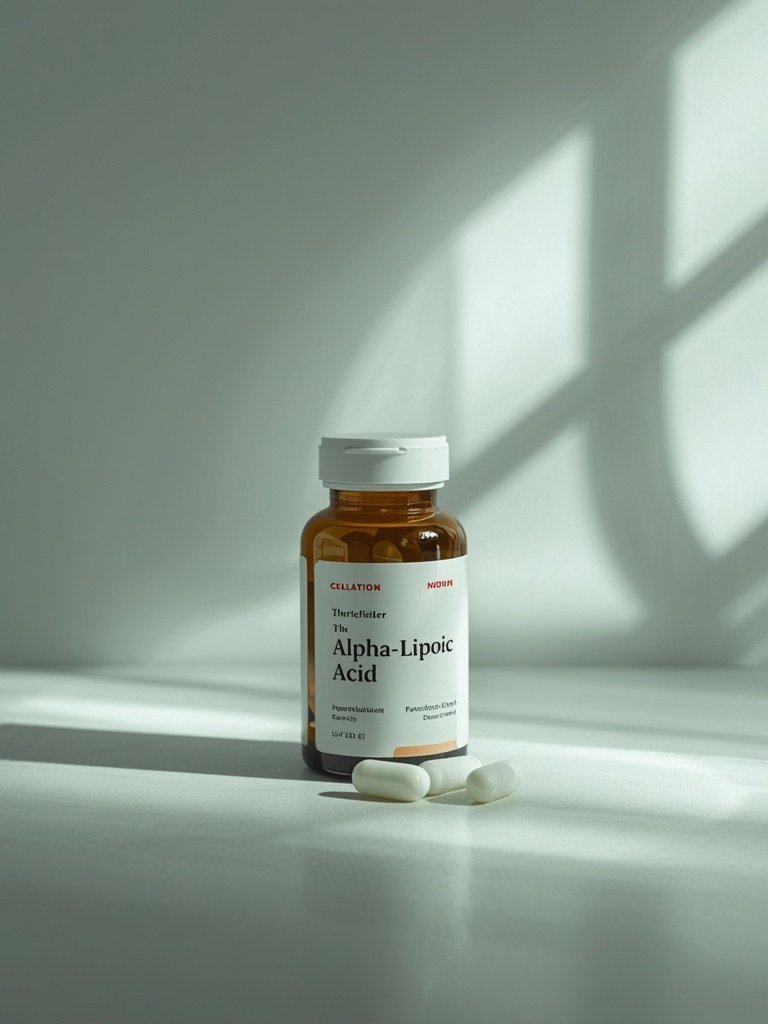
Role of Thioctic Acid in Hyperglycemic Complications: Molecular Mechanisms, Dosage, and Clinical Efficacy

Role of Thioctic Acid in Hyperglycemic Complications: Molecular Mechanisms, Dosage, and Clinical Efficacy

Chronic hyperglycemia in diabetes mellitus triggers pervasive oxidative stress, microvascular degeneration, and debilitating neuropathic complications, most prominently diabetic sensorimotor polyneuropathy. Thioctic acid (alpha-lipoic acid), functioning as a catalytic cofactor in mitochondrial multienzyme complexes and a versatile antioxidant, represents a premier pathogenetically oriented therapy. This comprehensive review examines its molecular pathways, evidence-based dosing regimens derived from landmark trials (ALADIN, SYDNEY), and clinical tolerability.

Alpha-Lipoic Acid: Available Formulations, Adverse Effects, Dosage, and Market Analysis

Alpha-Lipoic Acid: Available Formulations, Adverse Effects, Dosage, and Market Analysis

Alpha-lipoic acid (thioctic acid, ALA) plays a pivotal role in cellular bioenergetics and serves as an established adjunctive therapeutic agent in metabolic disorders, including type 2 diabetes mellitus, insulin resistance, and diabetic polyneuropathy. Functioning as a unique amphiphilic antioxidant, it protects both lipid membranes and aqueous intracellular compartments. This comprehensive guide reviews clinical efficacy, safety profiles, contraindications, pharmaceutical formulations, and market availability.

Alpha-lipoic acid (ALA): biochemical mechanisms, mitochondrial bioenergetics, antioxidant network recycling, and clinical applications

Alpha-lipoic acid (ALA): biochemical mechanisms, mitochondrial bioenergetics, antioxidant network recycling, and clinical applications

Alpha-lipoic acid (1,2-dithiolane-3-pentanoic acid, thioctic acid; ALA) is an extraordinary organosulfur compound possessing singular biochemical attributes. Originally misclassified as a vitamin, it is synthesized endogenously in minute concentrations within mammalian mitochondria. In scientific literature, it is universally celebrated as the 'universal antioxidant' due to its amphiphilic solvency—dissolving seamlessly in both aqueous and lipid cellular compartments. This unique trait allows ALA to effortlessly cross the blood-brain barrier and protect cytosol, organelles, and plasma membranes from oxidative destruction. Beyond direct radical neutralization, ALA functions as an obligatory catalytic cofactor in mitochondrial multienzyme complexes driving cellular ATP generation and coordinates the recycling of glutathione, ascorbic acid, and alpha-tocopherol. This monograph reviews ALA biochemistry, enantiomeric distinctions (R-ALA vs racemic RS-ALA), clinical utility in diabetic polyneuropathy, and evidence-based supplementation.

Alpha-linolenic acid (ALA): health benefits, biochemical pathways, and the essential plant-derived omega-3 fatty acid

Alpha-linolenic acid (ALA): health benefits, biochemical pathways, and the essential plant-derived omega-3 fatty acid

Alpha-linolenic acid (ALA; 18:3, n-3) is an eighteen-carbon polyunsaturated fatty acid holding indispensable biological rank within the omega-3 family. Because mammalian cells lack the specific delta-12 and delta-15 desaturase enzymes required to insert double bonds toward the methyl end of carbon chains, ALA represents a strictly essential fatty acid (EFA) that must be obtained exogenously through diet. Beyond serving as the biological parent precursor to long-chain eicosapentaenoic acid (EPA) and docosahexaenoic acid (DHA), ALA exerts autonomous, potent cardioprotective, anti-arrhythmic, anti-inflammatory, and neurovascular benefits. This comprehensive scientific synthesis explores ALA biochemistry, enzymatic conversion kinetics, cardiovascular risk modulation, and optimal plant-based dietary sources.

Tombak’s lemon cure protocol: biochemical mechanisms, detoxification myths, and clinical evidence-based dietary recommendations

Tombak’s lemon cure protocol: biochemical mechanisms, detoxification myths, and clinical evidence-based dietary recommendations

The aggressive lemon juice regimen popularized by natural health author Mikhail Tombak represents one of the most controversial alternative wellness protocols. The regimen dictates consuming staggering volumes of pure, unadulterated lemon juice—ranging from 30 lemons over 10 days in its preventative format, up to an extreme 200 lemons across 12 days in its purported 'therapeutic' tier. Proponents claim miraculous therapeutic benefits: dissolving calcified deposits, flushing uric acid crystals, clearing kidney stones, and achieving total bodily alkalinization. From the standpoint of contemporary gastroenterology, nephrology, and restorative dentistry, however, megadose citrus consumption poses substantial clinical hazards. This evidence-based critique examines citrus biochemistry, deconstructs alternative detoxification fallacies, and outlines safe, sustainable nutritional strategies.

Canned sweetcorn – comprehensive nutritional evaluation, carotenoid bioavailability, and dietary role

Canned sweetcorn – comprehensive nutritional evaluation, carotenoid bioavailability, and dietary role

Canned sweetcorn stands among the world's most widely consumed preserved vegetable staples, favored for culinary convenience, extended shelf stability, and crisp natural sweetness. Despite frequent misconceptions regarding carbohydrate density and thermal nutrient loss, scientific food analysis demonstrates that industrial canning preserves vital fiber and actually enhances the biological availability of critical lipophilic carotenoids – lutein, zeaxanthin, and cell-wall-bound ferulic acid essential for macular eye health. An authoritative examination of caloric metrics, glycemic load, micronutrient retention, and culinary applications.

The professional personal trainer: distinguishing true experts from amateurs and vital selection criteria

The professional personal trainer: distinguishing true experts from amateurs and vital selection criteria

Amidst the unprecedented surge of fitness culture and health consciousness, selecting a personal trainer represents a critical investment directly determining athletic progress, biomechanical integrity, and injury prevention. Unfortunately, deregulation across the personal training market has led to an influx of unvetted practitioners wielding low-standard weekend certifications without foundational grounding in functional anatomy, kinesiology, and exercise physiology. A true fitness professional is not an influencer, but an evidence-based specialist capable of executing structured orthopedic screening, physiological intake, and scientific periodization. An authoritative guide to auditing qualifications and identifying authentic coaching expertise.

Xylitol – properties, expert consensus, and metabolic profile: scientific analysis and practical guidance

Xylitol – properties, expert consensus, and metabolic profile: scientific analysis and practical guidance

Modern clinical nutrition and food science offer numerous alternatives to sucrose, among which xylitol (E967) – a five-carbon polyol with unique metabolic properties – holds a prominent position. Featuring a low glycemic index (GI = 7–13), 40% fewer calories than table sugar, and clinically substantiated anti-cariogenic efficacy, xylitol represents a potent functional sweetener. A thorough analysis of metabolic pathways, gastrointestinal tolerance, culinary applications, and vital canine safety considerations.

Xylitol: Comprehensive Benefit-Risk Assessment and Source Comparison (Birch vs. Corn)

Xylitol: Comprehensive Benefit-Risk Assessment and Source Comparison (Birch vs. Corn)

Xylitol represents one of the most thoroughly investigated functional polyols in nutritional medicine. Combining a 40% caloric deficit relative to table sucrose with a negligible glycemic footprint (GI ~7–13) and robust anti-cariogenic efficacy, it delivers substantial metabolic benefits. Nonetheless, clinical questions regarding gastrointestinal tolerance thresholds, FODMAP status, and source extraction methods (traditional birch wood vs. agricultural corn cobs) frequently arise. This comprehensive article presents an objective benefit-risk analysis and compares industrial production pathways regarding purity, environmental footprint, and cost.

Xylitol (Birch Sugar): Nutritional Profile, Dental Caries Prevention, and Culinary Applications

Xylitol (Birch Sugar): Nutritional Profile, Dental Caries Prevention, and Culinary Applications

Among functional sugar substitutes, xylitol (birch sugar) occupies a premier standing in clinical dietetics. Crystalline xylitol mirrors table sucrose in appearance and sweetness intensity while providing approximately 40% fewer calories. Metabolized largely independently of insulin, it represents a valuable tool in diabetic nutrition, while its anti-cariogenic efficacy is celebrated by dental authorities worldwide. This article provides a comprehensive evaluation of its nutritional profile, metabolic fate, gastrointestinal tolerance limits, and practical baking properties.

Xenobiotics in Human Physiology: Environmental Sources, Hepatic Biotransformation, and Detoxification

Xenobiotics in Human Physiology: Environmental Sources, Hepatic Biotransformation, and Detoxification

In contemporary industrial environments, humans face chronic exposure to thousands of synthetic exogenous chemical compounds foreign to biological systems—collectively designated as xenobiotics. These include pharmaceuticals, synthetic pesticides, microplastics, endocrine-disrupting phthalates, and industrial heavy metals. To avert catastrophic intracellular bioaccumulation in adipose tissue and vital organs, the body relies upon an intricate hepatic biotransformation network (Phase I, Phase II, and Phase III antiporter systems). This article examines exposure vectors, cellular metabolic transformations, and nutritional interventions supporting physiological detoxification.

Home Circuit Training and Core Strengthening: Principles, Biomechanics, and Workout Plan

Home Circuit Training and Core Strengthening: Principles, Biomechanics, and Workout Plan

A resilient, functional core constitutes the biomechanical kinetic powerhouse of the human body. Moving beyond outdated spinal flexion crunches, contemporary exercise physiology prioritizes anti-rotational core stabilization coupled with metabolic circuit conditioning. This approach triggers the EPOC (afterburn) effect, shields the lumbar spine, and reinforces deep stabilizing musculature. This comprehensive guide details biomechanical foundations and a structured 20-minute home circuit protocol.

Alkaline Diet – Products, Meal Plan, Recipes

Alkaline Diet – Products, Meal Plan, Recipes

Many of us have likely encountered the concept of acid-base balance in the human body. Maintaining this balance is closely linked to the blood's ability to regulate pH levels. Acids are continuously generated in body tissues, with their quantity increasing notably during strenuous physical activity. This equilibrium can be sustained through the elimination of excess carbon dioxide via the respiratory system and the excretion of acids and bases by the kidneys. An alkaline diet can support this balance and promote overall well-being.

High-Fat Diet: Principles, Applications, Effects, and Nutritional Assessment

High-Fat Diet: Principles, Applications, Effects, and Nutritional Assessment

Over the past few years, the high-fat and low-carb diet has gained popularity due to its rapid weight loss effects, attracting many followers. However, despite the quick reduction in body weight, this dietary approach also carries potential adverse effects for overall health. This article explores the principles, applications, potential benefits, and risks of a high-fat diet from a nutritional perspective.

High-fat diet: Recipes, meal plan, and weight loss strategies

High-fat diet: Recipes, meal plan, and weight loss strategies

As nutritional and metabolic science has advanced, a variety of diets have been developed that claim to be healthy or even therapeutic. However, scientific statements without proper context frequently fail to demonstrate their true effectiveness in practice, much like weight loss diets. This article explores the principles of a high-fat diet, provides practical recipes and a meal plan, and discusses its role in weight loss to foster a comprehensive understanding.

High-Fiber Diet: Principles, Products, Indications, and Limitations

High-Fiber Diet: Principles, Products, Indications, and Limitations

Constipation is a widespread issue, particularly affecting women. Typically, it involves functional constipation, characterized by slowed movement of food through the digestive tract. The primary cause is usually an imbalanced diet and insufficient physical activity. A common deficiency is inadequate fiber intake, stemming from excessive consumption of highly processed foods with minimal fiber content. To enhance digestive function, it is advisable to first implement lifestyle and dietary modifications (unless constipation is caused by electrolyte imbalances, bowel disorders, cancers, or other serious conditions). This article will delve into the principles, recommended products, indications, and potential limitations of a high-fiber diet to help you optimize your digestive health.

Dietary Approach Supporting Kidney Health and Toxin Elimination

Dietary Approach Supporting Kidney Health and Toxin Elimination

The kidneys play a vital role in eliminating harmful substances from the body. Their primary function is to filter the blood, remove metabolic byproducts, and maintain fluid balance. Filtered components are excreted through urine. Without proper nutrition and regular detoxification, toxins can accumulate, impairing kidney, liver, and overall system function. This may lead to kidney stone formation and other health complications. A targeted dietary approach can significantly support kidney function and contribute to effective detoxification, minimizing the risk of complications.

Peptic Ulcer Diet – Meal Plan and Recipes

Peptic Ulcer Diet – Meal Plan and Recipes

Abdominal discomfort or pain of varying severity, accompanied by symptoms such as vomiting, bloating, nausea, or weight loss, are hallmark indicators of peptic ulcer disease affecting the stomach and duodenum. Historically, dietary management was a cornerstone of treatment, but today it serves as a supplementary measure alongside pharmacological interventions. This article provides a comprehensive guide to the peptic ulcer diet, including practical tips, a sample meal plan, and delicious recipes designed to alleviate symptoms and promote healing.

Share