






WELCOME & NUTRITION SUPPORT

Goals & Transformation

It's a familiar story: You pledge to honor a daily elliptical routine and count every last calorie. But soon, you're eating cupcakes at the office and grabbing happy hour drinks, thinking, 'Oops, diet over.'

I've helped people exactly like you – smart, ambitious, put together – figure out the one thing that eludes them: Their ideal weight and long-term metabolic health. If you're like lots of people I help, you don't like restrictive rules, feel tired often, have tried working out and cutting calories, but need a truly sustainable clinical approach.

Fresh organic green produce in heart shape
HOW TO START

It's Easy to Start Today!

Eat Healthy

Eating habits should be regulated and controlled – only natural organic food will make our body healthy and strong.

Workout Hard

Diet is not the only ingredient of a long happy life. Physical exercise is also important for your health and vitality.

Enjoy Your Life

See how your life becomes a pleasant adventure, full of bright colors and fun activities with sustainable energy.

SERVICES
Personal Health Program

Personal Health Program

It does not matter if you want to lose weight, build lean muscle, or simply improve overall longevity and vitality.

Personal Fitness Trainer

Personal Fitness Trainer

A professional personal training and activity program created specifically with you and your individual goals.

Wellness Counseling

Wellness Counseling

We will be focused and working with you privately every step of the way to achieve permanent habit changes.

Diet Programs

Diet Programs

Healthy eating is one of the best things you can do to prevent and manage chronic health and metabolic problems.

Refreshing Citrus Background
FREE RECOMMENDATIONS

Change Your Health in One Day!

Special Program for Pregnant Women
POPULAR PROGRAMS & CLINICAL PROTOCOLS

Special Program for Pregnant Women

Pregnancy, infancy and early childhood are periods of rapid physiological growth and development. Insufficient nutrition during these critical growth and developmental periods places health and vitality at risk.

As a result, our clinical protocols educate and support pregnant and postpartum women about the importance of balanced micronutrition, gentle exercise, and allergen safety to ensure vibrant health for both mother and child.

8
Programs
161
Happy Customers
7
Awards
117
Success Stories

Subcategories & Topics:

10 areas

Dedicated Articles and Guides

Scientific papers, diet templates, and recommendations in Goals & Transformation

30 publications
How Probiotics May Support Weight Loss: A Guide to Selecting the Most Effective Bacterial Strains

How Probiotics May Support Weight Loss: A Guide to Selecting the Most Effective Bacterial Strains

The health of our digestive system is intricately linked to the balance of microorganisms residing in our intestines. Research indicates that dysbiosis—a disruption in gut microbiota composition—can lead to more than just digestive issues; it may also impair metabolism and contribute to weight gain tendencies. This guide explores how you can strategically enhance the bacterial composition of your gastrointestinal tract to support a healthier body weight and overall metabolic function.


Specialized Probiotic Strains for Vaginal Microbiota Support: Solutions for Pregnant Women and Beyond

Specialized Probiotic Strains for Vaginal Microbiota Support: Solutions for Pregnant Women and Beyond

The female urogenital tract represents a delicate, dynamic ecosystem whose homeostasis is critically dependent on a balanced vaginal microbiome. Dysbiosis disrupts this equilibrium, facilitating overgrowth of pathogenic bacteria and fungi, which precipitates recurrent infections such as bacterial vaginosis and vulvovaginal candidiasis. Clinically validated gynäkologische probiotics restore physiological pH levels, fortify mucosal integrity, and mitigate infection recurrence—particularly during pregnancy or post-antibiotic therapy. This evidence-based review explores the mechanistic rationale, therapeutic delivery modalities, and evidence-supported guidelines for probiotic intervention in gynecological health.

Pregnancy-Related Weight Loss: Causes, Symptoms, and Long-Term Consequences of Gestational Anorexia on Fetal and Neonatal Health

Pregnancy-Related Weight Loss: Causes, Symptoms, and Long-Term Consequences of Gestational Anorexia on Fetal and Neonatal Health

Modern society perpetuates an often unrealistic beauty standard, which can drive hazardous behaviors, particularly among expectant mothers. The desire to maintain what is perceived as a ‚perfect‘ physique—even during pregnancy—is frequently driven by societal pressures or personal anxieties about losing attractiveness. Unfortunately, some pregnant women prioritize weight control over nutritional adequacy, posing severe risks to both maternal health and fetal development. This behavior may lead to gestational anorexia, a condition whose consequences extend beyond pregnancy, potentially impacting the child’s long-term health and well-being.

Probiotics for Infants and Children: Evidence-Based Strain Selection and Clinical Applications

Probiotics for Infants and Children: Evidence-Based Strain Selection and Clinical Applications

The gut microbiome of infants and children undergoes critical maturation during the first years of life, directly influencing systemic immunity, metabolic health, and even neurocognitive development. During this sensitive window—particularly within the first 1000 days—strategic probiotic interventions can modulate immune tolerance, reduce allergy risk, and mitigate gastrointestinal dysfunction. This clinical review synthesizes evidence-based guidelines for pediatric probiotic use, emphasizes strain-specific efficacy, and addresses safety considerations alongside natural dietary sources. Key focus areas include optimal timing for intervention, clinically validated strains, and the integration of probiotics into preventive and therapeutic pediatric care.

Do foods genuinely contain natural prebiotics? Mechanisms of action and practical dietary applications in human nutrition

Do foods genuinely contain natural prebiotics? Mechanisms of action and practical dietary applications in human nutrition

From birth, the human gastrointestinal tract hosts a dynamic ecosystem of gut microbiota, which serves as a critical barrier against pathogens. Prebiotics—non-digestible dietary fibers—selectively stimulate the growth of beneficial bacterial strains, including Bifidobacteria and Faecalibacterium prausnitzii. These compounds, naturally occurring in specific plant-based foods, enhance gut health, modulate metabolic pathways, bolster immune function, and even influence mental well-being through the gut-brain axis. Their strategic incorporation into diets holds both preventive and therapeutic potential.

Debunking the Myth: Why 'Miracle' Diets Are Just a Temporary Illusion of Success – Not a Sustainable Weight-Loss Strategy

Debunking the Myth: Why 'Miracle' Diets Are Just a Temporary Illusion of Success – Not a Sustainable Weight-Loss Strategy

The promise of diets that deliver dramatic results within weeks—such as losing multiple kilograms—continues to captivate many people, despite persistent scientific skepticism. While proponents insist that strict adherence to these diets guarantees an ideal physique, a critical question remains unanswered: How many individuals can sustain these results long-term without experiencing the dreaded yo-yo effect? The extreme restrictions often lacking nutritional balance can be harmful in the long run, leading not only to nutrient deficiencies but also to psychological stress and a disturbed relationship with food.

Night Shift Work and Its Impact on Fertility

Night Shift Work and Its Impact on Fertility

Night shift work imposes profound physiological stress, disrupting endogenous circadian rhythms through erratic sleep patterns, nocturnal blue-light exposure, and misaligned eating windows. These desynchronizations profoundly impact neuroendocrine signaling, with robust epidemiological evidence linking circadian disruption to diminished reproductive health in both males and females. This clinical review explores the underlying pathophysiology and outlines evidence-based countermeasures to mitigate fertility risks associated with shift work.

Inappropriate and complication-prone weight loss methods: Mechanisms, risks, and systemic health consequences

Inappropriate and complication-prone weight loss methods: Mechanisms, risks, and systemic health consequences

The phenomenon of cyclical and extreme dietary restriction affects both physically active individuals and those seeking weight loss without structured exercise. Common practices include drastic caloric restriction, highly restrictive elimination diets, or prolonged fasting, all of which often lead to inadequate nutrient intake. While short-term weight loss may occur, these methods pose significant long-term health risks. Frequently, the observed weight loss does not reflect fat reduction but rather water loss, muscle atrophy, or metabolic disturbances. This predisposes individuals to the yo-yo effect and disrupts systemic homeostasis.

Intermittent Fasting – Definition, Mechanisms, and Evidence-Based Principles of Time-Restricted Eating

Intermittent Fasting – Definition, Mechanisms, and Evidence-Based Principles of Time-Restricted Eating

In an era where evidence-based nutrition and sustainable body composition management dominate health discourse, intermittent fasting (IF) has emerged as one of the most scientifically validated dietary paradigms. Unlike traditional calorie-restrictive diets or macronutrient-exclusion protocols, IF shifts focus to temporal eating patterns, optimizing metabolic flexibility through cyclical feeding and fasting windows. This approach leverages endogenous biochemical pathways—such as ketogenesis, autophagy, and hormonal recalibration—to enhance fat oxidation, cellular repair, and long-term metabolic health. Its clinical relevance spans weight management, metabolic syndrome mitigation, and even neurodegenerative disease prevention, making it a cornerstone of modern nutritional science.

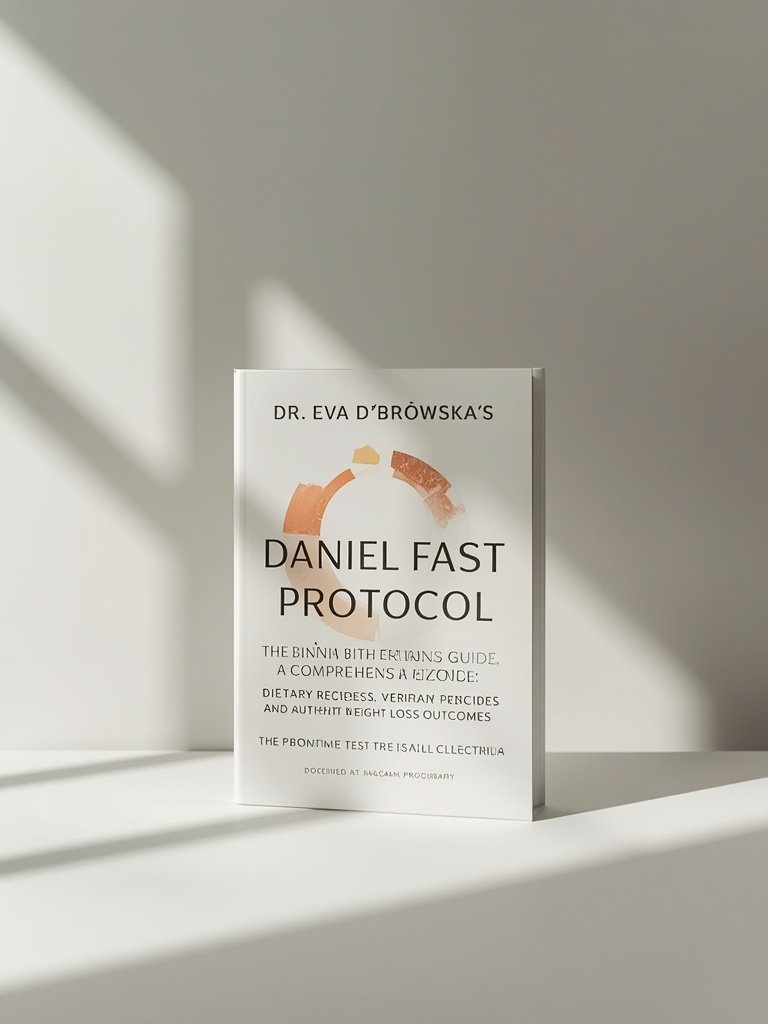
Dr. Eva Dąbrowska’s Daniel Fast Protocol – Evidence-Based Nutrition, Authentic Recipes, and Sustainable Weight Management

Dr. Eva Dąbrowska’s Daniel Fast Protocol – Evidence-Based Nutrition, Authentic Recipes, and Sustainable Weight Management

Dr. Eva Dąbrowska’s Daniel Fast Protocol is a structured nutritional approach rooted in detoxification, fat reduction, and metabolic optimization, drawing inspiration from biblical fasting traditions. This method integrates scientific evidence with ancient healing practices to systematically break down adipose tissue while enhancing the body’s natural detoxification pathways. But how does it work? What are the underlying physiological and biochemical mechanisms, and which specific dietary principles and recipes make this protocol unique? This comprehensive guide explores the evidence-based foundations, practical implementation, and potential health benefits—always with consideration for individual needs and medical guidance.

Bitter Orange (Citrus aurantium): Pharmacological Properties, Synephrine Standardization, Lipolysis, and Safety Profile

Bitter Orange (Citrus aurantium): Pharmacological Properties, Synephrine Standardization, Lipolysis, and Safety Profile

Bitter orange (Citrus aurantium), commonly referred to as Seville orange, is a citrus botanical with an extensive phytochemical profile that has attained prominence in thermogenic and sports supplements. Its primary protoalkaloid is p-synephrine, recognized for stimulating lipolysis and resting metabolic expenditure. How does synephrine interact with adrenergic receptors, what are its documented metabolic benefits and cardiovascular considerations, and what nutritional characteristics define the whole fruit?

Skipping breakfast and late-night dining: How circadian meal disruption fuels metabolic syndrome

Skipping breakfast and late-night dining: How circadian meal disruption fuels metabolic syndrome

Modern fast-paced routines lead millions of individuals to rush through mornings fueled solely by black coffee, shifting primary caloric intake to late evening hours. Groundbreaking research in chrononutrition – the study of metabolic interactions with internal circadian clocks – demonstrates that this pattern severely dysregulates glucose and lipid homeostasis. This monograph explores the pathophysiological underpinnings of metabolic syndrome, hepatic steatosis driven by nocturnal nutrient excess, and circadian-aligned time-restricted feeding protocols.

Navigating weight loss challenges: Evidence-based strategies for managing cravings, setbacks, and plateaus

Navigating weight loss challenges: Evidence-based strategies for managing cravings, setbacks, and plateaus

Sustainable weight reduction transcends simplistic caloric mathematics; it is inherently a complex psychological and behavioral challenge. Many individuals surrender during initial weeks due to acute food cravings, social pressures, or demoralizing weight plateaus. This guide investigates the physiological drivers of hunger signaling, metabolic adaptations, and evidence-based psychological frameworks to overcome dietary setbacks permanently.

Indian coleus (Coleus forskohlii): Forskolin mechanisms, metabolic impacts, and safety evaluation

Indian coleus (Coleus forskohlii): Forskolin mechanisms, metabolic impacts, and safety evaluation

Indian coleus (Coleus forskohlii or Plectranthus barbatus) is a perennial botanical historically utilized in Ayurvedic medical practice. The primary bioactive constituent concentrated in its tuberous roots is forskolin – a unique diterpene that directly stimulates the adenylate cyclase enzyme, elevating intracellular cyclic AMP (cAMP). This guide examines forskolin's mechanisms in adipose tissue lipolysis, cardiovascular hemodynamics, as well as critical safety cautions and drug interactions.

Evidence-Based Food Selection Criteria: Nutrition Density, Quality Labels, and Additive Awareness

Evidence-Based Food Selection Criteria: Nutrition Density, Quality Labels, and Additive Awareness

The contemporary food environment is saturated with ultra-processed formulations whose commercial marketing frequently obscures poor nutritional quality. This dietary guide provides practical criteria for selecting nutrient-dense whole foods, evaluating food additives, deciphering certification labels, and reading ingredient statements effectively.

Basal, Resting, and Total Energy Expenditure (BMR, PAL, TDEE): Metabolic Rate and Energy Balance Optimization

Basal, Resting, and Total Energy Expenditure (BMR, PAL, TDEE): Metabolic Rate and Energy Balance Optimization

Understanding the fundamental components of daily energy expenditure is the cornerstone of evidence-based nutritional programming, whether for fat loss or lean muscle hypertrophy. Total energy balance comprises basal metabolic rate (BMR), non-basal expenditure, and total daily energy expenditure (TDEE). Which physiological variables dictate metabolic pace, and how can energy expenditure be sustainably optimized across different life stages?

Core tenets, the four operational phases, and clinical safety evaluation of the Dukan diet methodology

Core tenets, the four operational phases, and clinical safety evaluation of the Dukan diet methodology

The Dukan diet represents a high-protein, low-carbohydrate nutritional protocol that achieved global renown. Structured into four sequential stages, it aims to produce rapid initial fat loss followed by progressive stabilization. This guide examines the physiological mechanisms underlying each phase, the functional role of oat bran and hydration, and clinical considerations regarding renal strain, micronutrient balance, and metabolic safety.

Swimming for Health and Fitness: Physiological Benefits, Weight Loss Strategies, Gear, and Safety Guidelines

Swimming for Health and Fitness: Physiological Benefits, Weight Loss Strategies, Gear, and Safety Guidelines

Swimming represents one of the most comprehensive aerobic and muscular conditioning disciplines, recruiting over 80% of skeletal musculature while completely offloading compressive stress from joints and the spine. This clinical fitness guide examines water physiology, cardiovascular adaptations, targeted body composition protocols, stroke biomechanics, and essential aquatic gear.

Beer: Nutritional Properties, Effects on Weight Management, Diabetes, Renal Function, and Physical Exercise – A Comprehensive Examination

Beer: Nutritional Properties, Effects on Weight Management, Diabetes, Renal Function, and Physical Exercise – A Comprehensive Examination

The summer season is frequently synonymous with social barbecues, where a bottle or can of one’s preferred beer often takes center stage. The spectrum of available varieties is vast: from traditional light and dark ales to specialty brews infused with honey or buckwheat, alongside wheat-based, gluten-free, rice-derived, and differently filtered options. Beyond its gustatory and cultural appeal, however, this beverage warrants closer examination of its biochemical composition, potential health benefits, and possible risks—particularly in relation to weight-loss diets, blood glucose regulation, urinary system function, and its impact on physical performance during exercise.

Strategic interruption in physical activity – a regenerative process for the body

Strategic interruption in physical activity – a regenerative process for the body

Consistent physical exertion coupled with a rigorous dietary regimen imposes substantial physiological stress on the human body, necessitating the periodic incorporation of structured recovery phases. During a deliberately scheduled regenerative interval, both the psychological domain and the nervous system—alongside the musculoskeletal framework, encompassing joint structures and muscle tissue—are afforded the opportunity for comprehensive restoration. The consequence of such an intervention extends beyond the mere alleviation of fatigue; it also yields a marked enhancement in bodily performance during subsequent training sessions. Furthermore, resuming activity following this type of hiatus is associated with a perceptible surge in vitality and superior outcome metrics. The critical question, then, is how to optimally integrate this pivotal component of a training regimen to fully capitalize on the benefits of recovery?

Piperine – characteristics, adverse effects, and usage recommendations

Piperine – characteristics, adverse effects, and usage recommendations

When the term "piperine" is entered into a search engine, the predominant results focus on its role in facilitating weight management processes. Yet the scope of potential benefits associated with this bioactive compound extends far beyond its effects on lipid metabolism, encompassing a broad array of mechanisms that may prove valuable in the therapeutic management of diverse conditions—ranging from metabolic disorders to inflammatory diseases.

Common Parsley (Petroselinum crispum): Medicinal Properties, Applications in Teas and Juices, and Its Potential for Weight Management – A Comprehensive Analysis

Common Parsley (Petroselinum crispum): Medicinal Properties, Applications in Teas and Juices, and Its Potential for Weight Management – A Comprehensive Analysis

Cultivated parsley (Petroselinum crispum) is a botanical possessing remarkable phytotherapeutic potency, traditionally employed for renal, urinary, and digestive conditions. This comprehensive guide details the biochemical actions of parsley leaf infusions, decoctions, and fresh juices, exploring their diuretic efficacy and critical safety contraindications in pregnancy.

Black pepper: A comprehensive examination of its properties and health benefits as an indispensable traditional spice with culinary and therapeutic significance

Black pepper: A comprehensive examination of its properties and health benefits as an indispensable traditional spice with culinary and therapeutic significance

Black pepper (Piper nigrum) is far more than a universal culinary seasoning; it is an evidence-supported phytotherapeutic botanical. Its key alkaloid, piperine, stimulates gastric hydrochloric acid secretion, optimizes digestive motility, accelerates thermogenesis, and protects cellular lipids from oxidative breakdown. This guide examines scientific facts and myths surrounding the therapeutic efficacy of black pepper.

Is this your initial gym session—conducted with a personal trainer or independently?

Is this your initial gym session—conducted with a personal trainer or independently?

Entering a gym environment for the first time can provoke apprehension and uncertainty. The decision to embark on structured physical conditioning alongside a qualified personal trainer versus exercising solo profoundly influences musculoskeletal injury prevention, biomechanical pattern acquisition, and athletic longevity. This comprehensive guide details trainer collaboration benefits, initial session structure, and essential gym etiquette.

Cayenne Pepper – Medicinal Properties, Recommended Dosages, and Its Role in Weight Loss: A Comprehensive Guide

Cayenne Pepper – Medicinal Properties, Recommended Dosages, and Its Role in Weight Loss: A Comprehensive Guide

Cayenne pepper, despite its colloquial name, is a pungent pulverized chili pepper derived from Capsicum annuum and Capsicum frutescens. Its primary bioactive alkaloid—capsaicin—exerts clinically verified cardioprotective, analgesic, and thermogenic properties. This comprehensive guide outlines the physiological mechanisms of cayenne, evidence-based dosing protocols, and critical pharmacological contraindications.

Chicken breast fillet – nutritional profile and dietary significance

Chicken breast fillet – nutritional profile and dietary significance

Skinless chicken breast fillet represents a premier source of lean dietary protein in clinical and athletic nutrition. It features a complete exogenous amino acid profile, minimal total lipid content, and abundant B-complex vitamins, notably niacin (B3) and pyridoxine (B6). This guide examines its nutritional profile and explores the impact of culinary techniques on digestibility and tenderness.

Crispbread – types (baked wholegrain vs. extruded), ingredients, calories, and role in weight loss

Crispbread – types (baked wholegrain vs. extruded), ingredients, calories, and role in weight loss

Crispbread is widely perceived by consumers as a low-calorie staple for weight loss diets and a light substitute for traditional loaf bread. Because an individual slice weighs very little, it creates the impression of a diet-friendly food that can be eaten almost without restriction.From the standpoint of food technology and clinical dietetics, however, the category of crispbread encompasses two fundamentally different products: traditional oven-baked whole-grain rye crispbread (Scandinavian-style knäckebröd) and ultra-processed extruded light crispbread. How do they compare in terms of caloric density per 100 g, glycemic index, and satiety value?

Drinking yeast – nutritional properties, effects on hair and skin, side effects, and safe preparation

Drinking yeast – nutritional properties, effects on hair and skin, side effects, and safe preparation

Yeast (Saccharomyces cerevisiae) is a unicellular fungus widely utilized in baking, brewing, and nutritional biotechnology. For decades, oral regimens based on thermally inactivated baker’s yeast or standardized brewer’s yeast supplements have been used as traditional adjuncts for acne-prone skin, brittle nails, and diffuse hair thinning.Yeast cells provide a rich matrix of B-complex vitamins (including biotin, pantothenic acid, niacin, and thiamine), trace minerals (zinc, selenium, chromium, phosphorus), sulfur-containing amino acids, and cell-wall beta-glucans. Why must fresh baker’s yeast be completely inactivated with boiling water before consumption, what clinical results can be expected, and which medical conditions contraindicate yeast intake?

Optimal timing for drinking water: before, during, or after meals?

Optimal timing for drinking water: before, during, or after meals?

Optimal hydration is a fundamental pillar of metabolic homeostasis, thermoregulation, and efficient gastrointestinal function. Yet the timing of fluid intake relative to meals remains surrounded by popular myths—ranging from advice to drink water before eating to fears that sipping water during meals dilutes digestive enzymes.What does modern digestive physiology and clinical nutrition say about drinking water before, during, and after meals? When is sipping fluids helpful, when should patients with gastrointestinal disorders space out their fluid intake, and which beverages impair mineral absorption?

Pumpkin seeds – health properties, vitamins, nutritional value, and role in weight loss

Pumpkin seeds – health properties, vitamins, nutritional value, and role in weight loss

Pumpkin seeds (the edible kernels of Cucurbita pepo), commonly incorporated into salads, porridge bowls, artisan breads, or enjoyed raw and lightly toasted as a snack, represent one of the most nutrient-dense plant foods in clinical dietetics.Their remarkable biochemical profile combines high-quality plant protein (rich in L-tryptophan and L-arginine), essential unsaturated fatty acids (omega-6 and omega-9), tocopherols (vitamin E), phytosterols, and critical trace minerals including magnesium, zinc, iron, potassium, and selenium. What evidence-based health benefits do pumpkin seeds offer, and how can they support healthy weight loss?

Share