






WELCOME & NUTRITION SUPPORT

Goals & Transformation

It's a familiar story: You pledge to honor a daily elliptical routine and count every last calorie. But soon, you're eating cupcakes at the office and grabbing happy hour drinks, thinking, 'Oops, diet over.'

I've helped people exactly like you – smart, ambitious, put together – figure out the one thing that eludes them: Their ideal weight and long-term metabolic health. If you're like lots of people I help, you don't like restrictive rules, feel tired often, have tried working out and cutting calories, but need a truly sustainable clinical approach.

Fresh organic green produce in heart shape
HOW TO START

It's Easy to Start Today!

Eat Healthy

Eating habits should be regulated and controlled – only natural organic food will make our body healthy and strong.

Workout Hard

Diet is not the only ingredient of a long happy life. Physical exercise is also important for your health and vitality.

Enjoy Your Life

See how your life becomes a pleasant adventure, full of bright colors and fun activities with sustainable energy.

SERVICES
Personal Health Program

Personal Health Program

It does not matter if you want to lose weight, build lean muscle, or simply improve overall longevity and vitality.

Personal Fitness Trainer

Personal Fitness Trainer

A professional personal training and activity program created specifically with you and your individual goals.

Wellness Counseling

Wellness Counseling

We will be focused and working with you privately every step of the way to achieve permanent habit changes.

Diet Programs

Diet Programs

Healthy eating is one of the best things you can do to prevent and manage chronic health and metabolic problems.

Refreshing Citrus Background
FREE RECOMMENDATIONS

Change Your Health in One Day!

Special Program for Pregnant Women
POPULAR PROGRAMS & CLINICAL PROTOCOLS

Special Program for Pregnant Women

Pregnancy, infancy and early childhood are periods of rapid physiological growth and development. Insufficient nutrition during these critical growth and developmental periods places health and vitality at risk.

As a result, our clinical protocols educate and support pregnant and postpartum women about the importance of balanced micronutrition, gentle exercise, and allergen safety to ensure vibrant health for both mother and child.

8
Programs
161
Happy Customers
7
Awards
117
Success Stories

Subcategories & Topics:

10 areas

Dedicated Articles and Guides

Scientific papers, diet templates, and recommendations in Goals & Transformation

30 publications
Rapid weight loss before pivotal occasions: Physiological mechanisms, safe nutritional menus, and yo-yo effect prevention

Rapid weight loss before pivotal occasions: Physiological mechanisms, safe nutritional menus, and yo-yo effect prevention

Approaching major social milestones, weddings, or summer vacations, many individuals seek rapid, visible improvements in body contours. While crash starvation diets trigger muscle catabolism and metabolic slowing, a thoughtfully structured short-term protocol—focused on water retention reduction, gastrointestinal debloating, and moderate caloric deficits—safely diminishes waist circumference without compromising physiological vitality.


How to effectively reduce body fat without sacrificing lean muscle mass in active individuals

How to effectively reduce body fat without sacrificing lean muscle mass in active individuals

Optimizing body composition requires maximizing adipose tissue loss while preserving lean body mass (LBM). Excessive caloric deficits, inadequate dietary protein, and improper exercise regimens accelerate skeletal muscle catabolism, depressing resting metabolic rate (RMR) and predisposing individuals to weight regain. A scientifically structured nutritional and resistance protocol effectively shields muscle architecture during cutting phases.

Dietary smoothies for weight management: Guidelines for formulating nutrient-dense beverages for fat loss

Dietary smoothies for weight management: Guidelines for formulating nutrient-dense beverages for fat loss

Smoothies have emerged as a ubiquitous dietary staple for individuals pursuing sustainable weight management and overall wellness. When thoughtfully formulated, a smoothie serves as a nutrient-dense meal replacement that supplies vital micronutrients, polyphenols, and dietary fiber. Conversely, cocktails reliant on high-sugar fruits and fruit juices generate steep glycemic excursions, sabotaging lipolysis and long-term satiety.

Does turmeric support weight loss? An analysis of capsule supplementation efficacy and metabolic benefits

Does turmeric support weight loss? An analysis of capsule supplementation efficacy and metabolic benefits

Turmeric (Curcuma longa)—the golden-yellow rhizome prized for its distinctive earthy aroma—has formed a cornerstone of traditional Ayurvedic medicine for millennia. Its primary bioactive constituent is curcumin, a polyphenol with substantiated anti-inflammatory, antioxidant, and metabolic-modulating properties. Modern nutritional science increasingly evaluates curcumin's therapeutic role in facilitating visceral adipose tissue reduction and improving peripheral insulin sensitivity.

Overnight weight loss: scientific mechanisms of nocturnal fat metabolism

Overnight weight loss: scientific mechanisms of nocturnal fat metabolism

During nocturnal sleep, the human body never enters absolute metabolic inactivity. Although overall basal metabolic rate declines by approximately 10–15% compared to wakefulness, critical cellular repair pathways, protein synthesis, and fatty acid oxidation peak during the night.Experiencing a measurable reduction in body weight upon waking is a physiological phenomenon driven partly by insensible perspiration and respiration, but predominantly by uninterrupted basal energy expenditure. Harnessing the neuroendocrine mechanisms of sleep metabolism enables targeted dietary adjustments that accelerate fat loss.

Weight management with white mulberry: clinical evidence on Morus alba

Weight management with white mulberry: clinical evidence on Morus alba

White mulberry (Morus alba), a botanical with deep roots in traditional Eastern herbal medicine, has gained significant recognition in modern clinical dietetics. Its leaves harbor unique phytochemical compounds proven to modulate postprandial blood glucose excursions and improve lipid metabolism.In an era characterized by widespread insulin resistance and metabolic dysfunction, preparations derived from white mulberry serve as evidence-backed natural adjuncts for appetite control and glycemic stabilization. This comprehensive guide reviews the biochemical mechanisms of Morus alba, its optimal dosage protocols, and key safety considerations.

Does sparkling or still water truly support weight loss?

Does sparkling or still water truly support weight loss?

Upon initial inspection, they appear virtually indistinguishable—both are clear, colorless, devoid of distinct taste or aroma, and neither contains calories, while simultaneously harboring varying concentrations of dissolved mineral compounds. Where, then, does the notion arise that carbonated water might possess distinct properties compared to its still counterpart—beyond the obvious presence of effervescence—and how might these nuanced differences translate into tangible effects on the efficacy of weight management strategies?

Gastrointestinal detoxification – Nutritional guidelines, impact of contaminant exposure, and long-term health implications

Gastrointestinal detoxification – Nutritional guidelines, impact of contaminant exposure, and long-term health implications

A structured gastrointestinal cleansing regimen through dietary modification should not exceed a three-day duration. Upon completion, a gradual transition to balanced eating patterns that minimize digestive strain is strongly advised. Particular emphasis should be placed on consistent dietary fiber consumption alongside a substantial increase in daily vegetable intake. These measures not only support optimal gastrointestinal function but also serve as a critical component of systemic disease prevention, offering protection against the development of various metabolic and immune-related disorders.

Achieving body weight loss through the complete exclusion of meat products from daily nutritional intake

Achieving body weight loss through the complete exclusion of meat products from daily nutritional intake

Does the elimination of meat-based products from one’s dietary regimen represent an effective approach to achieving reductions in body weight? Indeed, such a nutritional framework relies primarily on vegetables and fruits, whose energy density tends to be lower compared to meat-containing dishes. While this premise may appear valid upon initial examination, the reality proves to be far more nuanced and necessitates a comprehensive understanding of physiological processes as well as nutritional composition factors.Plant-based eating does not automatically guarantee a caloric deficit. Highly processed meat alternatives, sugary snacks, and calorie-dense vegetable oils or nuts can easily disrupt energy balance. Nevertheless, a well-structured meat-free diet offers numerous metabolic and health benefits, provided it is managed carefully with a solid understanding of micronutrient and macronutrient requirements.

Identification, therapeutic approaches, and comprehensive management of eating disorders

Identification, therapeutic approaches, and comprehensive management of eating disorders

Balanced nutrition represents one of the foundational components for sustaining good health and overall physical well-being. A personalized dietary strategy allows for the maintenance of an optimal body weight without necessitating the complete elimination of occasional high-calorie indulgences. In certain instances, however, the process of food consumption becomes disrupted, potentially resulting in severe weight loss, recurrent episodes of overeating, or an unhealthy preoccupation with weight management.Within medical classification, such phenomena are designated as eating disorders. This diagnostic category encompasses three primary nosological entities: anorexia nervosa (a psychogenic aversion to food intake), bulimia nervosa (a psychogenic cycle of binge eating and purging), and binge eating disorder (BED), characterized by recurrent episodes of consuming abnormally large quantities of food while experiencing a perceived loss of control. Comprehensive management requires an integrated approach involving medical, psychological, and nutritional specialists to ensure long-term recovery and restoration of metabolic health.

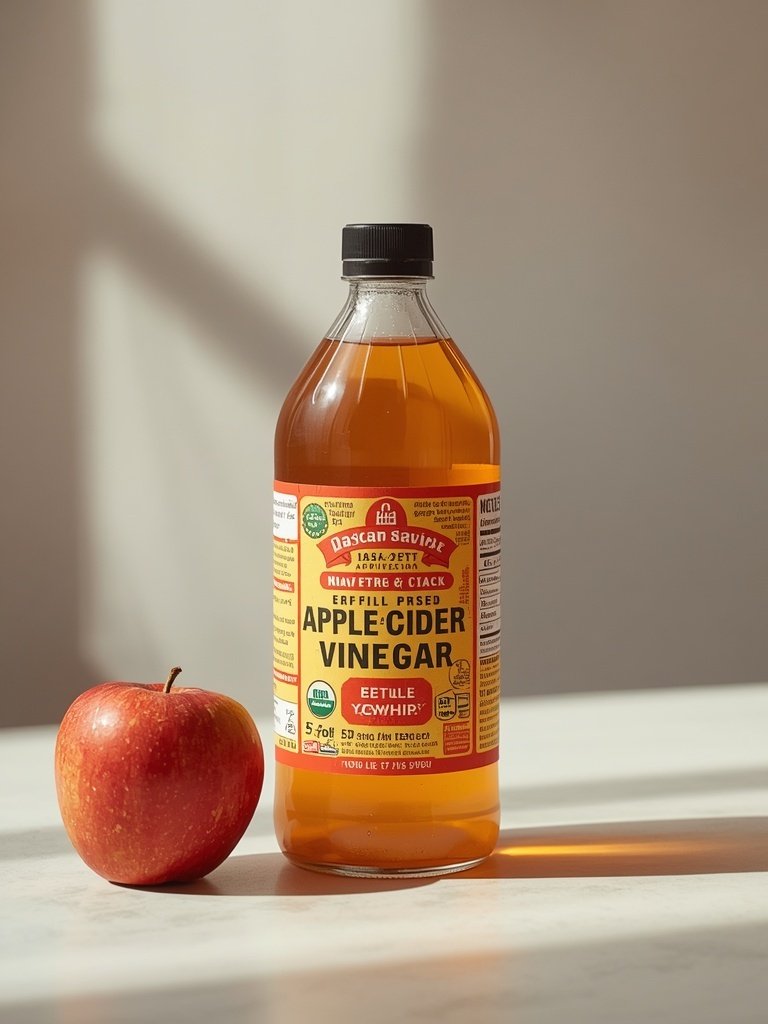
Does apple cider vinegar genuinely aid in weight reduction? A critical examination of scientific evidence and practical applications

Does apple cider vinegar genuinely aid in weight reduction? A critical examination of scientific evidence and practical applications

For centuries, apple cider vinegar has been employed in natural healing practices—ranging from alleviating throat discomfort to its antiseptic properties and support in managing diverse metabolic conditions. In recent years, this traditional product has surged in popularity among individuals seeking to shed excess weight.However, does the growing enthusiasm for this remedy rest on robust scientific foundations, or is it merely a fleeting dietary fad lacking substantive evidence? In this article, we examine the biochemical mechanisms, pharmacological properties, and actual scientific backing of apple cider vinegar within the context of weight reduction and metabolic health.

Essential nutritional considerations for optimizing the dietary regimen of physically active individuals

Essential nutritional considerations for optimizing the dietary regimen of physically active individuals

Individuals engaged in systematic, high-intensity physical activity—particularly professional athletes—constitute a distinct demographic whose nutritional requirements deviate substantially from conventional guidelines. This discrepancy arises primarily from the necessity to offset substantial energy deficits incurred through regular, grueling training sessions and competitive events. Much like a high-performance engine demands meticulously formulated fuel to achieve peak efficiency, the human body—a sophisticated network of biological interactions—requires a precisely calibrated intake of macro- and micronutrients to operate at an optimal level. Implementing a scientifically grounded nutritional strategy is the cornerstone of athletic excellence, accelerating recovery and effectively preventing overtraining syndrome.

Pediatric diabetes: warning signs and the potential hereditary nature of genetic predisposition

Pediatric diabetes: warning signs and the potential hereditary nature of genetic predisposition

Comprehensive epidemiological analyses conducted under the auspices of the EURODIAB Study Group have documented a troubling trend: within the pediatric and adolescent population, there is a sustained increase in the incidence of insulin-dependent diabetes mellitus (type 1), with an annual growth rate of 7–8%. Critical to mitigating the risk of severe metabolic complications is the early detection of distinctive clinical markers. What specific warning signs should prompt caregivers to seek consultation with a pediatric endocrinologist to rule out or confirm the development of hyperglycemia? This comprehensive guide explores current medical insights and dietary strategies.

Obesity specialist versus dietitian: rivalry or collaboration? Essential professions in the era of metabolic disease epidemics

Obesity specialist versus dietitian: rivalry or collaboration? Essential professions in the era of metabolic disease epidemics

Epidemiological records reveal that excess body weight and obesity are directly responsible for millions of fatalities globally, imposing an unprecedented burden on healthcare systems. Forecasts paint a grim picture: the prevalence of obesity continues to rise steadily, while comorbidities such as type 2 diabetes and hypertension reach epidemic proportions. In response to these alarming trends, medical professionals emphasize the urgent need for an interdisciplinary approach and clearly defined professional roles. What specific competencies distinguish an obesity specialist, how do they differ from the role of a clinical dietitian, and does the relationship between these professions revolve around professional rivalry or synergistic collaboration in therapeutic interventions?

Genetic predispositions in nutrition: The role of food genomics and nutritional genetics in the therapeutic management of metabolic and diet-related disorders

Genetic predispositions in nutrition: The role of food genomics and nutritional genetics in the therapeutic management of metabolic and diet-related disorders

Scientific disciplines such as food genomics and nutritional genetics address the growing demand for an in-depth understanding of the interactions between dietary components and the unique genetic profiles of individuals. Increasingly precise research focuses on identifying individual physiological responses to specific nutrients, which is of paramount importance for both the prevention and treatment of a broad spectrum of diet-related, metabolic, and immune-mediated disorders.Integrating advanced molecular biology techniques into clinical practice paves the way for truly personalized nutritional therapy. These evidence-based approaches enable clinicians to tailor dietary interventions precisely to a patient's genetic background, significantly enhancing therapeutic efficacy and long-term health outcomes.

Nutridrink Nutritional Supplements: Clinically Tailored Oral Solutions for Diabetic Patients, Pediatric Use, and Lactose-Free Dietary Management in Medical and Home Care Settings

Nutridrink Nutritional Supplements: Clinically Tailored Oral Solutions for Diabetic Patients, Pediatric Use, and Lactose-Free Dietary Management in Medical and Home Care Settings

The Nutridrink product line constitutes an innovative class of high-value medical nutrition formulations that have gained substantial recognition in both hospital and outpatient care environments in recent years. Their expanding adoption stems from their indispensable role in supporting patients whose capacity to consume conventional meals is compromised—whether due to prolonged immobilization or medical conditions that induce metabolic disturbances or gastrointestinal impairments, such as persistent anorexia or food intolerances. Notably, clinical experts emphasize that these formulations play a pivotal role in the nutritional therapy of individuals requiring tailored dietary regimens, thereby facilitating the optimization of bodily recovery processes through methodical, evidence-based replenishment of macro- and micronutrient deficiencies in a controlled manner. These specialized oral nutritional supplements provide a concentrated source of essential nutrients in an easily consumable format, making them a cornerstone in the management of malnutrition and support for recovery.

Nordic Walking: Technique, Benefits, and Scientific Foundations

Nordic Walking: Technique, Benefits, and Scientific Foundations

The physical activity known as Nordic walking has achieved widespread adoption owing to its remarkable accessibility and minimal equipment requirements. This recreational pursuit, which involves a purposeful walking motion augmented by the use of specially designed poles, can be engaged in by individuals across all age groups and fitness levels, regardless of geographic setting or urban infrastructure. What has proven particularly surprising, however, is that rigorous scientific research has demonstrated how mastering the precise technique of this discipline yields an extensive array of health benefits—benefits whose scope far exceeds the initial expectations of both casual participants and sports medicine professionals alike. This article delves into the correct execution, various training levels, and the proven positive effects on health.

Glycemic optimization through low-glycemic-index foods in the nutritional strategy of endurance athletes

Glycemic optimization through low-glycemic-index foods in the nutritional strategy of endurance athletes

The nutritional framework for athletes engaged in endurance disciplines incorporates a range of foundational components whose comprehension facilitates effective metabolic regulation. Among these, the glycemic index (GI) of consumed foods emerges as a pivotal factor, playing a critical role in blood glucose modulation, the optimization of the body’s energy resource utilization, and the enhancement of athletic performance outcomes. Its judicious application enables precise tailoring of dietary intake to individual physiological demands, thereby fostering improvements in endurance capacity and post-exertion recovery efficiency. Understanding and strategically utilizing the GI can stabilize energy levels, delay fatigue, and accelerate recovery, which is paramount for athletes in sports such as running, triathlon, and cycling.

Essential Unsaturated Fatty Acids (EUFAs): Biological Role, Dietary Sources, and Health Implications of Deficiency in the Human Body

Essential Unsaturated Fatty Acids (EUFAs): Biological Role, Dietary Sources, and Health Implications of Deficiency in the Human Body

In contemporary society, the fats consumed exhibit diverse nutritional properties and varied effects on human physiological processes. Several decades ago, there was a prevailing belief that fats represented a harmful component of daily nutrition, leading to their systematic exclusion from dietary regimens. Nevertheless, scientific advancements have since demonstrated that specific lipid fractions—particularly essential unsaturated fatty acids (EUFAs)—play pivotal metabolic, hormonal, and structural roles, rendering them an indispensable component of a balanced diet that supports optimal health outcomes. This article explores their biological significance, identifies key dietary sources, and discusses the health implications of their deficiency.

Cutting-Edge Scientific Discoveries Regarding the Health Effects of Gluten Intake: A Comprehensive Review of Clinical Implications

Cutting-Edge Scientific Discoveries Regarding the Health Effects of Gluten Intake: A Comprehensive Review of Clinical Implications

Cereal grains have served as a foundational dietary staple across human civilizations, yet the storage proteins of wheat, rye, and barley—collectively termed gluten—have become a focal point of intense clinical investigation. Advances in molecular gastroenterology and neuroimmunology have elucidated how gliadin peptides modulate intestinal tight junctions via the zonulin pathway, differentiated non-celiac gluten sensitivity (NCGS) from autoimmune enteropathy, and mapped gut-brain axis signaling. This review examines when strict gluten elimination is medically imperative and why unwarranted avoidance in healthy individuals carries nutritional risks.

Methodical Approaches to Reducing High-Fat Food Consumption in Daily Nutrition – An Evidence-Based Practical Guide

Methodical Approaches to Reducing High-Fat Food Consumption in Daily Nutrition – An Evidence-Based Practical Guide

For decades, dietary lipids were broadly stigmatized as a monolithic driver of obesity and coronary artery disease. Contemporary clinical nutrition strictly differentiates cardioprotective unsaturated fatty acids from atherogenic trans isomers and excess saturated fats. Nonetheless, in specific medical conditions—including chronic pancreatitis, cholelithiasis, post-cholecystectomy states, gastroesophageal reflux disease (GERD), and severe hypertriglyceridemia—a structured, evidence-based reduction in total dietary fat intake remains a cornerstone of medical nutrition therapy.

Diminished Testosterone Synthesis: Causes of Hypogonadism and Evidence-Based Strategies for Hormonal Optimization

Diminished Testosterone Synthesis: Causes of Hypogonadism and Evidence-Based Strategies for Hormonal Optimization

Steroid hormones act as master biological messengers governing metabolic homeostasis, bone mineral density, erythropoiesis, and both sexual and neurocognitive function. In men, testosterone—synthesized primarily by testicular Leydig cells under the tight regulation of the hypothalamic-pituitary-gonadal (HPG) axis—represents the principal circulating androgen. While a gradual age-related decline (late-onset hypogonadism, LOH) is physiological, modern epidemiological data reveal a concerning drop in serum testosterone among younger men driven by visceral adiposity, chronic sleep restriction, and endocrine-disrupting chemicals.

Dark vs Truly Whole-Grain Bread: Caramel Coloring Deceptions, Flour Types, Sourdough, and Contraindications

Dark vs Truly Whole-Grain Bread: Caramel Coloring Deceptions, Flour Types, Sourdough, and Contraindications

Consumers routinely purchase deep-brown loaves under the mistaken assumption that dark pigmentation inherently denotes unrefined, nutrient-dense whole-grain bread. In industrial baking reality, dark coloration is frequently an engineered cosmetic deception achieved by tinting refined, bleached white flour with ammonia caramel (E150c), roasted barley malt extracts, or chicory syrups. Authentic whole-grain bread is milled exclusively from whole caryopses incorporating bran, germ, and endosperm (flour extraction types 1850–2000), ideally leavened via traditional lactobacillus sourdough that degrades anti-nutritive phytic acid. This consumer guide dissects label deception, sourdough biochemistry, and clinical gastrointestinal contraindications.

Comprehensive Travel First Aid Kit: Traveler's Diarrhea Management, Electrolytes, Wound Care, and Tropical Prophylaxis

Comprehensive Travel First Aid Kit: Traveler's Diarrhea Management, Electrolytes, Wound Care, and Tropical Prophylaxis

A meticulously curated medical travel kit forms the foundational baseline of travel health preparedness across domestic holidays and remote tropical expeditions. Acute traveler's diarrhea, mechanical soft-tissue trauma, solar erythema, and endemic vector-borne infections can abort itineraries and pose severe medical hazards in regions lacking tertiary infrastructure. This clinical travel medicine guide details emergency pharmaceutical kits, oral rehydration protocols, wound antiseptics, malaria chemoprophylaxis, and cold-chain logistics for temperature-sensitive drugs.

Food Combining Principles vs Digestive Physiology: The Hay Diet Myth, Enzyme Biochemistry, and Nutrient Interactions

Food Combining Principles vs Digestive Physiology: The Hay Diet Myth, Enzyme Biochemistry, and Nutrient Interactions

The popular dogma of 'food combining' (originating in Dr. William Hay's trophology) asserts that concurrent ingestion of proteins and carbohydrates paralyzes human digestion due to conflicting gastric acid-base requirements. From the standpoint of contemporary digestive physiology, this premise is utterly unfounded. The human gastrointestinal tract evolved to hydrolyze complex food matrices via coordinated exocrine pancreatic secretion of amylases, proteases, and lipases into the neutral duodenal lumen. Nevertheless, genuine, evidence-based biochemical nutrient interactions exist. This monograph deconstructs pseudoscientific myths while elucidating validated principles of nutritional synergy.

Appetite Regulation and Hunger Control: Neurobiology of Satiety, Protein and Fiber, and Glycemic Stability

Appetite Regulation and Hunger Control: Neurobiology of Satiety, Protein and Fiber, and Glycemic Stability

Hunger represents an evolutionary survival drive coordinated by the hypothalamic-gut axis, yet modern obesogenic environments characterized by hyper-palatable ultra-processed foods severely distort homeostatic signaling. Disentangling homeostatic hunger (caloric and substrate deficit) from hedonic hunger (dopaminergic reward-driven craving) constitutes the cornerstone of successful weight management. This clinical review explores the neuroendocrinology of ghrelin, leptin, GLP-1, and PYY, macronutrient satiating power, and evidence-based behavioral strategies to neutralize compulsive cravings.

Anorexia of Aging and Senior Malnutrition: Sarcopenia, Sensory Blunting, and Nutritional Intervention (ONS)

Anorexia of Aging and Senior Malnutrition: Sarcopenia, Sensory Blunting, and Nutritional Intervention (ONS)

Protein-energy malnutrition within geriatric populations constitutes an insidious syndrome driving elevated rates of falls, decubitus ulcers, nosocomial infections, and premature mortality. The physiological anorexia of aging, sensory blunting (olfactory/gustatory hypogeusia), polypharmacy, and oral health deficits synergize with progressive sarcopenia and anabolic resistance. This clinical monograph examines the neurohormonal drivers of senior appetite loss, standardized screening instruments (Mini Nutritional Assessment – MNA), culinary caloric fortification, and oral nutritional supplement (ONS) protocols.

Hypochlorhydria (Low Stomach Acid): Etiology, Diagnostics, Complications (SIBO, Malabsorption), and Dietary Protocol

Hypochlorhydria (Low Stomach Acid): Etiology, Diagnostics, Complications (SIBO, Malabsorption), and Dietary Protocol

Physiological hydrochloric acid (HCl) secretion by gastric mucosal parietal cells serves as the critical gatekeeper of dietary protein denaturation, zymogen activation, and antimicrobial bolus sterilization. Hypochlorhydria (suboptimal gastric acidity, pH > 3.0) represents a widespread yet frequently misdiagnosed syndrome, paradoxically presenting with pseudo-hyperchlorhydric reflux sensations. This clinical review explores parietal cell atrophy, proton pump inhibitor overuse, secondary SIBO, micronutrient malabsorption (B12, iron, calcium), and evidence-based restorative protocols.

Gestational Hypothyroidism: TSH Therapeutic Targets, Iodine Prophylaxis, and Fetal Neuroprotection

Gestational Hypothyroidism: TSH Therapeutic Targets, Iodine Prophylaxis, and Fetal Neuroprotection

Maternal thyroid homeostasis is of paramount significance for embryonic survival and fetal neurogenesis. During the initial 16 to 20 gestational weeks, the fetal thyroid gland is functionally immature, rendering central nervous system development and neocortical myelination utterly dependent upon transplacental maternal thyroxine (T4) flux. This clinical review explores stringent trimester-specific TSH targets, mandatory empirical levothyroxine dose escalations upon pregnancy confirmation, and standardized iodine repletion guidelines.

Hypothyroidism and Hashimoto's Thyroiditis: Serological Diagnostics, Levothyroxine Therapy, and Nutritional Protocols

Hypothyroidism and Hashimoto's Thyroiditis: Serological Diagnostics, Levothyroxine Therapy, and Nutritional Protocols

Hypothyroidism designates the clinical and biochemical syndrome arising from insufficient tissue exposure to active iodothyronines (free thyroxine – fT4, and triiodothyronine – fT3). In iodine-replete geographic regions, chronic autoimmune thyroiditis (Hashimoto's disease) accounts for the vast majority of cases. This comprehensive monograph details etiopathogenesis, autoantibody surveillance (anti-TPO, anti-Tg), ultrasound parenchymal scoring, levothyroxine substitution guidelines, and anti-inflammatory gut-thyroid axis nutrition.

Share