1 / 1
1 zdjęcie
375
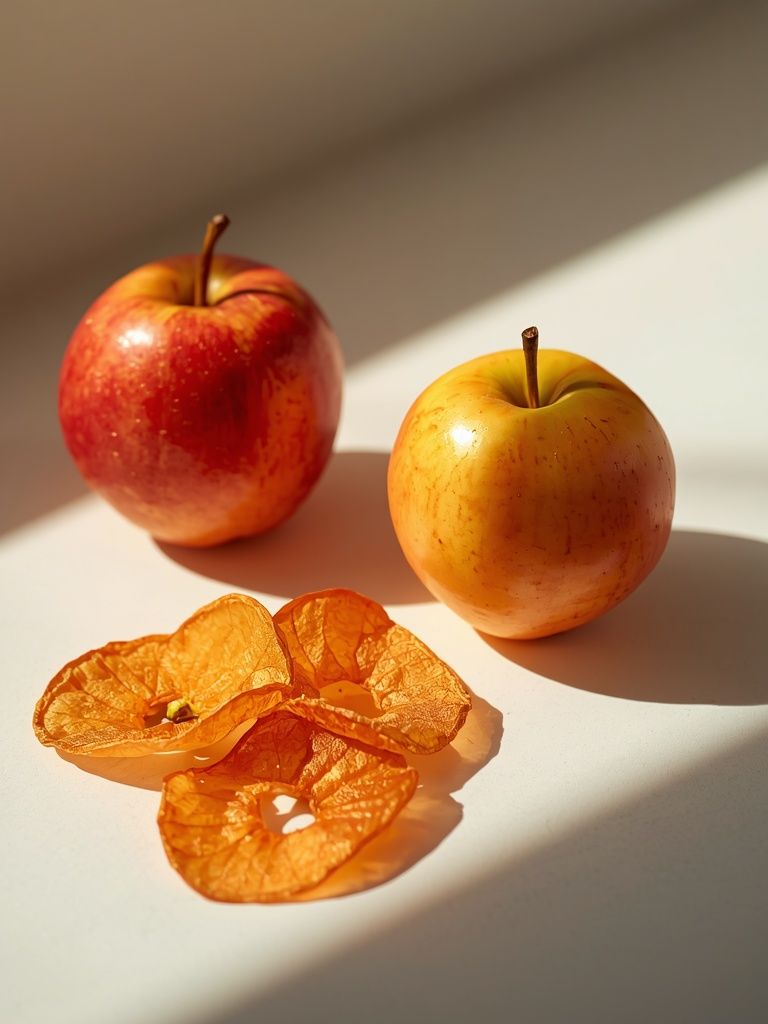
Getrocknete Äpfel - Eigenschaften... Wie man Äpfel trocknet... Das Rezept für Apfelchips
Nährstoffreich
Kalorienarm
Snacks
Snack
Kalorien
Freizeit
Apfel
Äpfel
Tim Klein
Autor
2026-09-24
Datum
3 Min. Lesezeit
article.read_time
4
Kapitel
Jeder von uns mag es, in seiner Freizeit nach Snacks zu greifen, aber häufiges Essen derselben zwischen den Mahlzeiten kann zu einer übermäßigen Körpermasse führen... In einer solchen Situation eignen sich Apfelchips hervorragend! Ein gesunder Snack, der wenige Kalorien und viele Nährstoffe enthält, ist die ideale Lösung sowohl für diejenigen, die gerne snacken, als auch für diejenigen, die keine Idee für ein Nachmittagssnack haben.
Getrocknete Apfelfrüchte – Eigenschaften und Verwendungspotenzial
Äpfel zählen in Polen zu den grundlegenden Nahrungsmitteln mit ganzjähriger Verfügbarkeit durch heimischen Anbau und Importe. Ihr Reichtum an bioaktiven Substanzen – darunter Ballaststoffe, Polyphenole, Vitamin C sowie Kalium – macht sie zu einer wertvollen Komponente einer ausgewogenen Ernährung. Die Trocknung, eine traditionelle Konservierungsmethode, ermöglicht die Bewahrung des Großteil dieser Nährstoffe bei gleichzeitiger erheblicher Verlängerung der Haltbarkeit. Getrocknete Äpfel eignen sich sowohl als eigenständiger Snack mit intensiviertem Aroma als auch als geschmackvolle Zutat für Süßspeisen, Backwaren oder Fruchtgetränke, denen sie natürliche Süße und eine besondere Textur verleihen.
Effektive Methoden zum Trocknen von Äpfeln – eine Schritt-für-Schritt-Anleitung
Das Trocknen gehört zu den wirksamsten Verfahren, um die Haltbarkeit von Lebensmitteln zu verlängern, wobei Geschmack und Nährstoffgehalt weitgehend erhalten bleiben. Die herkömmliche Methode, Äpfel im Backofen zu trocknen, besteht darin, die Apfelscheiben auf einem mit Backpapier ausgelegten Blech zu verteilen, um ein Ankleben zu verhindern, und sie anschließend bei konstanter Hitze zu backen, bis sie eine knusprige Textur erreichen. Allerdings erfordert dieser Prozess eine präzise Temperaturregelung sowie eine ausreichende Luftzirkulation, was in Haushaltsbacköfen oft nur schwer zu realisieren ist, da die Wärmeverteilung meist ungleichmäßig erfolgt. Hinzu kommt, dass die auf dem Blech liegenden Früchte nicht ausreichend belüftet werden, was zu einem spürbaren Verlust wertvoller Nährstoffe führen kann. Eine deutlich bessere Alternative stellt hier ein spezieller Dörrautomat dar, der in den meisten Haushaltswarengeschäften erhältlich ist. Dieses kompakte Gerät besteht aus einer Basis, mehreren Siebeinsätzen und einem Deckel mit integriertem Gebläse, das für eine gleichmäßige Verteilung warmer Luft sorgt – ideale Bedingungen für schonendes Trocknen. Besonders für Anhänger einer gesunden und natürlichen Ernährung ist dieses Gerät empfehlenswert: Die Äpfel werden einfach in Scheiben geschnitten, auf den Sieben verteilt und der Dörrautomat eingeschaltet – nach wenigen Stunden sind die getrockneten Apfelstücke verzehrfertig. Eine weitere, wenn auch zeitaufwendigere Methode ist das Trocknen auf der Heizung, wobei die Apfelstücke vor Staub und anderen Verunreinigungen geschützt werden müssen, etwa durch Abdecken mit einem sauberen Tuch oder Mull.
Merkmale und gesundheitliche Auswirkungen von entzogenen Äpfeln
Getrocknete Äpfel behalten nahezu sämtliche biologische und ernährungsphysiologische Vorzüge frischer Früchte bei. Ein herausragendes Merkmal ist der hohe Gehalt an Ballaststoffen, die das Stuhlvolumen deutlich erhöhen und somit Verstopfungen effektiv vorbeugen. Darüber hinaus verzögern diese Nahrungsfasern den Verdauungsprozess, was zu einem anhaltenden Sättigungsgefühl führt. Das in Äpfeln enthaltene Pektin spielt eine entscheidende Rolle bei der Senkung des LDL-Cholesterinspiegels („schlechtes Cholesterin“) im Blutserum und neutralisiert schädliche Metaboliten sowie Toxine. Getrocknete Äpfel besitzen zudem eine milde harntreibende Wirkung, die die Nierenfunktion positiv beeinflusst. Sie liefern wertvolle Vitamine wie Ascorbinsäure (Vitamin C), Retinol (Vitamin A) und den B-Vitamin-Komplex, die die Haut ernähren, das Immunsystem stärken und Stoffwechselprozesse regulieren. In Bezug auf Spurenelemente deckt eine halbe Tasse getrockneter Äpfel etwa 4 % des täglichen Kaliumbedarfs – ein essenzieller Elektrolyt für den Flüssigkeitshaushalt – sowie geringe Mengen an Kupfer, Mangan, Selen (die sich günstig auf Haarstruktur und Nagelplatte auswirken) und Eisen, einem zentralen Bestandteil des Hämoglobins. Zudem enthalten getrocknete Äpfel Quercetin, ein Flavonoid mit nachgewiesener antioxidativer Wirkung, das die periphere Durchblutung fördert, die Herzmuskelfunktion unterstützt und atheroprotektive Eigenschaften aufweist, indem es der Entwicklung von Arteriosklerose entgegenwirkt.
Knusprige Zimt-Apfelchips selbst gemacht – eine einfache Schritt-für-Schritt-Anleitung
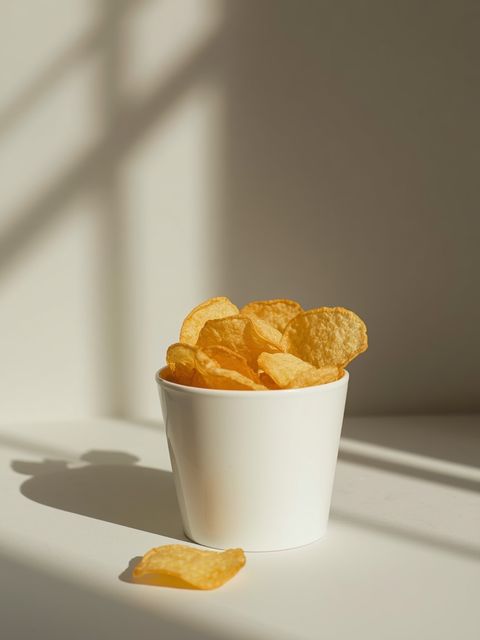
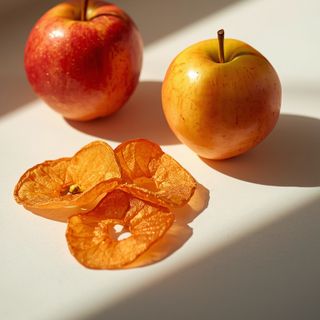
Diese ausführliche Anleitung erläutert die Zubereitung von köstlichen, knusprigen Apfelchips in den eigenen vier Wänden. Mit nur drei mittelgroßen Äpfeln und einem Teelöffel duftendem Zimt lässt sich eine gesunde Alternative zu gekauften Snacks herstellen. Der Prozess beginnt mit dem gründlichen Waschen der Früchte, dem Entfernen des Kerngehäuses und dem Schneiden in gleichmäßige Scheiben von etwa zwei Zentimetern Dicke. Anschließend werden die Scheiben – je nach verfügbarer Ausrüstung in einem Dörrautomaten oder im herkömmlichen Backofen – bei einer kontrollierten Temperatur von etwa 60 Grad Celsius für zwei bis drei Stunden getrocknet, bis sie die gewünschte Knusprigkeit erreichen. Ein entscheidender Faktor ist die ausreichende Luftzirkulation, die durch leicht geöffnete Ofentür gewährleistet werden kann. Getrocknete Früchte, insbesondere Äpfel, sind eine wertvolle Komponente einer ausgewogenen Ernährung, da sie dem Körper essentielle Nährstoffe, Ballaststoffe und natürliche Süße liefern. Sie eignen sich ideal als Snack für die Arbeit, beim Entspannen vor dem Bildschirm oder als gesunde Alternative für Kinder, um von klein auf gesunde Essgewohnheiten zu fördern – anstatt zu stark verarbeiteten Süßigkeiten oder fettigen Chips aus dem Supermarkt zu greifen.