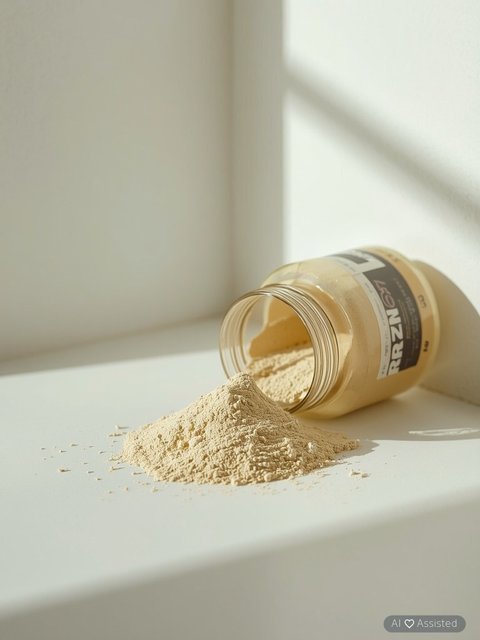
Vitamin C overconsumption in the human system – clinical manifestations and recommended daily intake guidelines

| Diets Premium Expert Wojciech Wiśniewski | min read 4 min | Scientifically reviewed by a clinical dietitian 23.10.2026 |

Smart Voice
•Listen to the article content live
L-ascorbic acid, universally recognized as vitamin C, is a paramount water-soluble antioxidant indispensable for cellular redox balance, collagen biosynthesis, and catecholamine metabolism. As an obligate micronutrient that humans cannot endogenously synthesize owing to evolutionary pseudogenization of L-gulonolactone oxidase, it must be continuously supplied via dietary intake. A pervasive cultural belief in the absolute benignity of vitamin C and its effortless urinary excretion has catalyzed popular megadosing trends. However, supraphysiological ascorbic acid intake produces tangible metabolic disruptions, gastrointestinal distress, and heightened nephrolithiasis risk. This article provides a comprehensive physiological analysis of ascorbic acid absorption kinetics, verifies established daily allowances, and delineates the clinical manifestations of excessive intake.
Want to apply these guidelines in your daily diet?
Our smart diet generator creates a tailored meal plan in 3 minutes based on the recommendations in this article.
Physiological Requirements, RDA Guidelines, and Intestinal Transporter Saturation Dynamics
According to established guidelines from the Institute of Medicine and the European Food Safety Authority (EFSA), the Recommended Dietary Allowance (RDA) for vitamin C is 75 mg daily for adult women and 90 mg daily for adult men, with an additional 35 mg/day recommended for tobacco smokers due to elevated metabolic turnover driven by oxidant exposure. A nutrient-dense diet emphasizing botanical whole foods—such as bell peppers, blackcurrants, parsley, rosehips, kiwifruit, and cruciferous vegetables—effortlessly fulfills this biological baseline, routinely providing 70–150 mg per day.
A critical evolutionary safeguard against systemic toxicity is the active, saturable carrier-mediated transport governed by sodium-dependent vitamin C transporters (SVCT1 and SVCT2) along the intestinal apical brush border. At physiological dietary intakes (under 200 mg), fractional bioavailability approaches 80–90%. As single bolus doses escalate into pharmacological ranges, active transport saturates rapidly: bioavailability drops below 50% at 1000 mg, and plummets to under 15% at doses exceeding 5000 mg. The large residual pool of unabsorbed ascorbic acid lingers in the intestinal lumen, driving acute gastrointestinal pathology.
Pharmacokinetics of Megadosing and Thresholds of Ascorbic Acid Toxicity
Once circulating plasma ascorbate concentrations reach complete steady-state physiological saturation—approximately 70–80 µmol/L, achievable through sustained intakes of 200–400 mg daily—renal tubular reabsorption mediated by SVCT1 becomes totally saturated. At this biological inflection point, the renal clearance threshold is breached, and surplus ascorbate is quantitatively and rapidly excreted in urine as intact ascorbic acid or degraded metabolites. Consequently, administering multi-gram oral regimens yields negligible gains in cellular concentrations, merely creating significant metabolic turnover for the renal excretion apparatus.
Authoritative clinical bodies establish the Tolerable Upper Intake Level (UL) for vitamin C at 2000 mg (2.0 grams) daily in adult populations. Dosing beyond this pharmacological boundary confers no demonstrated prophylactic advantage while substantially increasing adverse event probability. Extreme caution is warranted in patients diagnosed with hereditary hemochromatosis, thalassemia, or secondary iron overload; ascorbic acid robustly reduces non-heme iron from ferric (Fe³⁺) to ferrous (Fe²⁺) states, profoundly accentuating intestinal iron uptake and promoting organ-damaging parenchymal hemosiderosis.
Clinical Manifestations of Overdose: Osmotic Enteropathy, Nephrolithiasis, and Mineral Antagonism
The most acute and prevalent presentation of excessive ascorbic acid consumption is osmotic gastrointestinal distress. Unabsorbed ascorbate within the distal ileum and colon creates a potent hypertonic luminal environment, drawing systemic water into the bowel lumen. This manifests as profuse osmotic diarrhea, abdominal cramping, nausea, and pyrosis. Although transient and self-limiting upon dosage cessation, recurrent episodes induce significant dehydration and electrolyte depletion.
Of substantially greater clinical concern is the established link between chronic megadosing and hyperoxaluria-induced nephrolithiasis. In vivo, a significant fraction of catabolized ascorbic acid is converted into oxalic acid. High urinary oxalate excretion promotes calcium oxalate supersaturation, accelerating microcrystal nucleation and renal calculi formation. Longitudinal epidemiological cohorts confirm that supplemental intakes exceeding 1000 mg daily nearly double the relative risk of symptomatic kidney stones in adult males. Furthermore, systemic ascorbate excess interferes with routine clinical assays, falsely suppressing stool occult blood detection and skewing peroxidase-based glucose strips. In summary, dietary vitamin C from whole foods provides optimal health benefits without the clinical hazards of megadose supplementation.

Wojciech Wiśniewski
✓Diets Premium Expert
Diets Premium team expert. Specializes in nutrition plans, strength sports, and training plans.
View Profile →