Sorrel (Rumex acetosa): Nutritional Value, Oxalate Content, Pregnancy Safety, and Recipes

Emilia Szymańska
✓
Diets Premium Expert • 23.10.2026
✓
Scientifically reviewed by a clinical dietitian:
This article has been peer-reviewed for adherence to IŻŻ, WHO, and PTGiP clinical nutritional standards.
| Diets Premium Expert Emilia Szymańska | min read 6 min | Scientifically reviewed by a clinical dietitian 23.10.2026 |
Smart Voice
•Listen to the article content live
0:00
/
0:00
Key Takeaways
Sorrel is a distinctive leafy plant valued for its characteristic tangy flavor and rich nutritional profile. While providing an abundance of vitamin C, beta-carotene, and iron, it also contains oxalic acid, warranting careful dietary planning, particularly for individuals prone to kidney stones and during pregnancy. This comprehensive guide covers sorrel's nutritional breakdown, health implications, and culinary applications.
Meal Plan
Want to apply these guidelines in your daily diet?
Our smart diet generator creates a tailored meal plan in 3 minutes based on the recommendations in this article.
PRO Content
PRO
This article is professional premium content (PRO) provided in its entirety.
Sorrel and related greens: A botanical treasure with multifaceted culinary and therapeutic utility
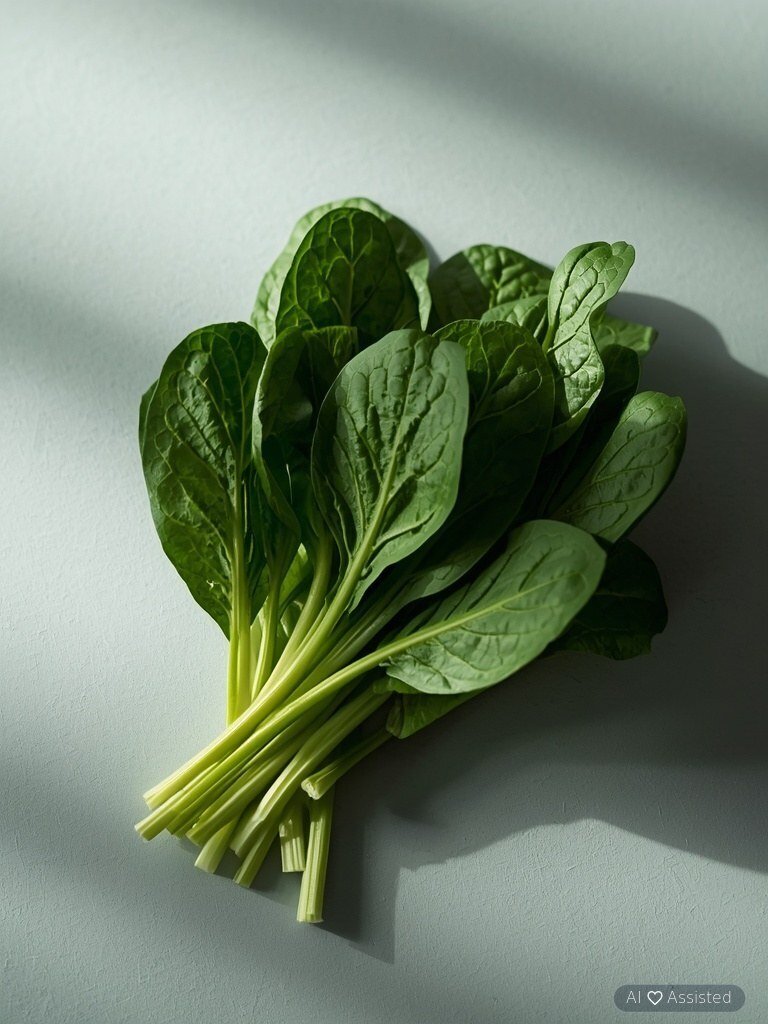
Sorrel (*Rumex* spp.) is a member of the buckwheat family (*Polygonaceae*), a botanical group comprising over 200 species whose morphological similarities often complicate field identification. Its native habitats predominantly include moist ecosystems—meadows, floodplains, and riverbanks. Among its diverse species, edible varieties such as common sorrel (*Rumex acetosa*) and garden sorrel (*Rumex patientia*) have been culinary staples for centuries, imparting a distinctive tart flavor to dishes. Other species, including curly dock (*Rumex crispus*), exhibit documented medicinal properties; historically, they were employed as astringent remedies for gastrointestinal ailments, particularly diarrhea. Additionally, certain sorrel varieties serve ornamental or agricultural purposes. While its biodiversity hotspot lies in the temperate regions of Europe and Asia, human-mediated dispersal has rendered sorrel a cosmopolitan genus, now found across all continents and adapted to varied climatic conditions. Its use dates back to ancient Egypt, where it functioned as a spice, whereas Greek physicians administered it to reduce fevers and treat insect bites. During the Middle Ages, it was regarded as a potential scurvy remedy—a vitamin C deficiency disorder that disproportionately affected sailors on prolonged voyages. In contemporary Poland, sorrel remains a culinary favorite, primarily featured in traditional sorrel soup with eggs, as well as in salads, meat dishes, and seafood preparations. Its flavor profile ranges—depending on the species—from subtly citrus-like to sharply acidic, making it a versatile culinary enhancement.
It's all about properties
Sorrel (Rumex acetosa) is highly recommended for individuals on a weight reduction diet, providing merely about 20 kcal per 100 grams while delivering an exceptional array of vitamins and minerals: vitamins C, E, A, B6, niacin (vitamin PP), iron, potassium, calcium, silicon, and dietary fiber. Its rich nutrient density underpins both its gastronomic and therapeutic value.
Owing to its high vitamin C and bioflavonoid content, sorrel provides robust antioxidant protection, mitigating oxidative stress linked to atherosclerosis and cellular aging. It strengthens the immune response, assists wound healing, and aids respiratory recovery during seasonal colds, which is why sorrel extracts frequently feature in traditional bronchial tonics. Vitamin A and beta-carotene content contribute to ocular health and night vision support.
From a gastrointestinal perspective, sorrel stimulates pancreatic and liver function, while its natural tannins exert an astringent, soothing effect on the intestinal mucosa, promoting bowel regularity. Furthermore, its substantial potassium content supports healthy arterial blood pressure and cardiovascular balance.
In skincare, antioxidant flavonoids in sorrel protect against premature dermal aging and hyperpigmentation, prompting its use in revitalizing cosmetic formulations and herbal infusions for oily or acne-prone skin.
Clinical Caution on Oxalates: Despite its substantial benefits, sorrel contains notable concentrations of oxalic acid (oxalates). Oxalates bind dietary calcium to form insoluble calcium oxalate crystals, reducing calcium bioavailability and posing a risk of renal calculi (kidney stones). Consequently, individuals with a history of nephrolithiasis, gout, rheumatoid arthritis, or osteoporosis should strictly moderate their intake of sorrel.
Consuming sorrel during pregnancy: oxalate-related risks and dietary recommendations
Medical professionals advise that pregnant women should exercise caution when consuming foods high in oxalates, such as sorrel, rhubarb, and beets, due to an elevated risk of developing kidney stones during this physiological state. Oxalates bind with calcium ions to form insoluble calcium oxalate crystals, which can be detected in routine urine tests conducted on expectant mothers. Statistically, episodes of renal colic associated with stone formation most commonly occur in the second and third trimesters, necessitating the implementation of preventive measures from the earliest stages of pregnancy. Beyond restricting intake of oxalate-rich foods, increasing fluid consumption—particularly water—is critical to facilitate the excretion of these compounds. Additionally, given the widespread calcium deficiencies observed in pregnant women, limiting sorrel and similar vegetables may represent a balanced dietary approach that prioritizes both renal safety and optimal fetal development [2].
Culinary Creations with Sorrel: Step-by-Step Recipes for Nutritious and Flavorful Dishes
A meticulously curated collection of culinary recipes featuring sorrel—a nutrient-dense leafy green with versatile applications. Included are step-by-step guides for preparing a classic sorrel soup with eggs and potatoes, a savory omelette enriched with mozzarella shavings, and elegant chicken rolls stuffed with feta cheese and sorrel leaves. Each recipe provides a precise sequence of instructions, a comprehensive ingredient list, and serving suggestions. Additionally, the compilation explores sorrel’s health benefits and potential contraindications for specific consumer groups, making it an all-encompassing resource for both novice cooks and seasoned gastronomes.

mgr Emilia Szymańska
✓Diets Premium Expert
Diets Premium team expert. Specializes in nutrition plans, strength sports, and training plans.
View Profile →