PRO
7 min read
Plums - Nutritional Value and Culinary Utilization: Compote, Liqueur, Juice

Anna Schmidt
✓
Diets Premium Expert • 24.09.2026
✓
Scientifically reviewed by a clinical dietitian:
This article has been peer-reviewed for adherence to IŻŻ, WHO, and PTGiP clinical nutritional standards.
| Diets Premium Expert Anna Schmidt | min read 7 min | Scientifically reviewed by a clinical dietitian 24.09.2026 |
Smart Voice
•Listen to the article content live
0:00
/
0:00
Key Takeaways
Plums are not only delectable but also highly nutritious. They have a wide range of culinary applications, including the preparation of juices, jams, preserves, compotes, and jams, as well as their use as an ingredient in cakes, pies, and meats. They are especially recommended for individuals suffering from bowel and digestive disorders, those looking to lose weight, and those who desire beautiful, smooth skin and shiny hair.
Meal Plan
Want to apply these guidelines in your daily diet?
Our smart diet generator creates a tailored meal plan in 3 minutes based on the recommendations in this article.
PRO Content
PRO
This article is professional premium content (PRO) provided in its entirety.
It's the spit
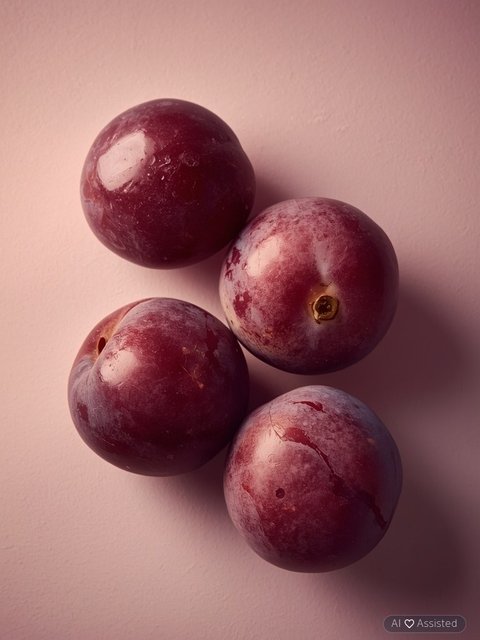
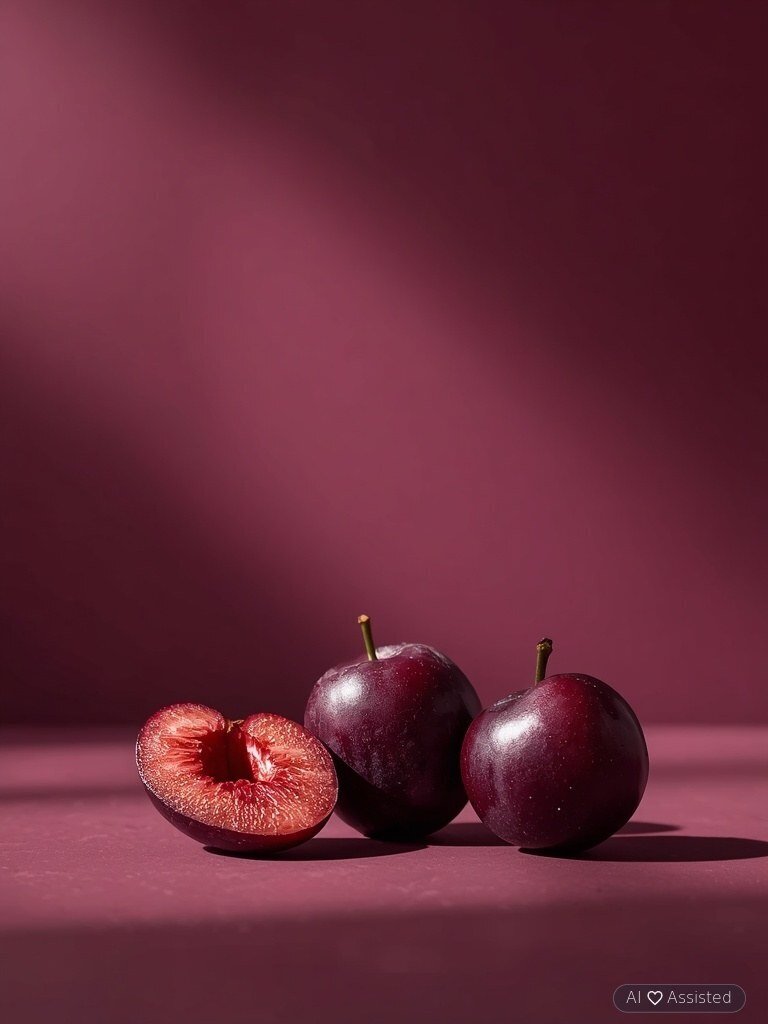
In ancient Egypt these fruits were placed in the tombs of the dead to provide a decent meal in the world. Today, there are about 6,000 varieties of them. Its most popular varieties in Poland are the so-called: mirabelki the most popular in our country. The fruits are the smallest and the most spicy, their taste is juicy and sweet, but the aromatic flavor is golden-yellow. However, mirabelks are also very good in preparation, even when they are long-lived. Their characteristics are that they retain most of their characteristic sweetness. They can be used as a flavoring spice from the end of the day to the end, but they can be quite delicate in appearance.
Health Properties of Plums – A Comprehensive Review of Nutritional and Cosmetic Benefits
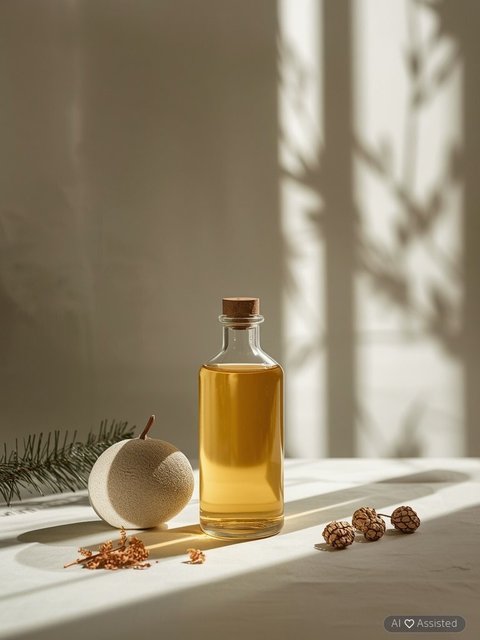
All varieties of plums exhibit a closely aligned nutritional profile, serving as a rich source of vitamins C, A, E, B6, and K. Additionally, these fruits provide essential minerals—including calcium, potassium, iron, phosphorus, and magnesium—as well as bioactive compounds such as polyphenols and dietary fiber. Their caloric content ranges between 80 and 120 kcal per 100 grams. Owing to their high fiber content, regular consumption of plums promotes healthy intestinal motility, prevents constipation, and demonstrates protective effects against colorectal cancer. Darker varieties, in particular, possess potent antioxidant properties, facilitate the elimination of excess fat and cholesterol from cells, and support nervous system function due to their vitamin B6 and magnesium content. Both fresh and dried plums exert beneficial effects on skin health, enhancing smoothness, imparting a healthy complexion, and delaying the aging process. In cosmetics, plum extract—abundant in oleic and linoleic acids—is utilized for its deep hydrating, nourishing, and skin-replenishing properties. Furthermore, plums aid in reducing spider veins, strengthen bone density, and lower the risk of osteoporosis. Given their attributes, they can be incorporated into weight-loss diets as a satiating, low-calorie snack that boosts metabolism, enhances digestive clearance, and inhibits the absorption of sugars and fats.
Homemade Plum Infusion with a Hint of Cinnamon – A Step-by-Step Traditional Recipe
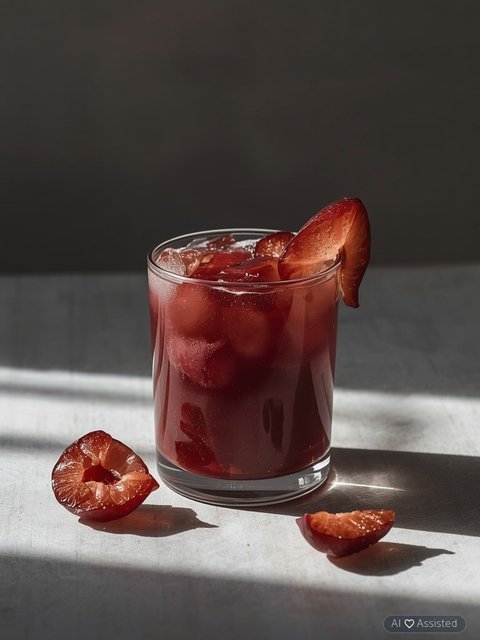
Below is a meticulously detailed guide for crafting a fragrant beverage from ripe plums, enhanced with a touch of cinnamon and adjustable sweetness to suit personal taste. This time-honored recipe relies on minimal yet essential ingredients—half a kilogram of fresh plums, four liters of purified water, and optional white or brown sugar—to yield a refreshing, fruit-forward infusion. The preparation involves thorough washing, halving, and pitting the fruit, followed by brief simmering in boiling water and final seasoning with spices, resulting in a versatile drink perfect for both everyday meals and special gatherings.
Homemade Plum Juice – Two Traditional Preparation Methods Explained
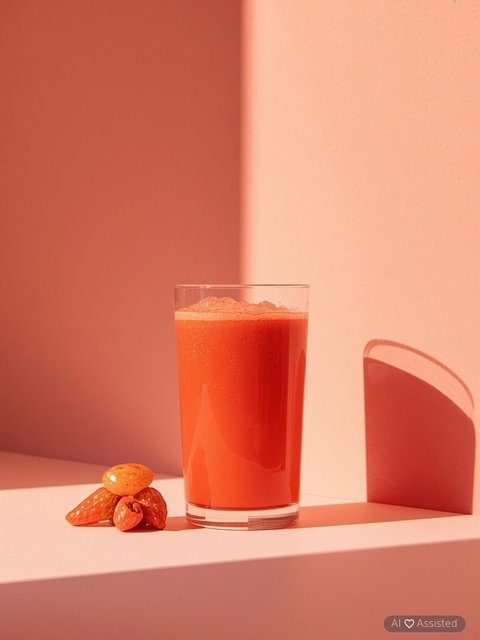
A comprehensive guide to preparing homemade plum juice using **two distinct methods**: one **with a steam juicer** and another **through traditional stovetop processing**. The first approach involves placing approximately 2 kg of washed and pitted plums (such as prunes) into a steam juicer and cooking them for 30 minutes until their skins burst and release the juice. The extracted liquid is then sweetened with roughly 0.5 kg of sugar, heated until the sugar fully dissolves and the mixture begins to boil, and subsequently poured into bottles or jars while hot—**without pasteurization**. The second, more labor-intensive method requires about 12 kg of plums, which are washed, pitted, chopped, layered with sugar (1.5–2 kg), and left covered overnight. The following day, 6–7 liters of water are added, and the mixture is simmered for 30 minutes, strained, and the resulting syrup boiled again before being transferred into jars, which are then pasteurized for 20 minutes to ensure long-term preservation.
Homemade damson plum butter – a traditional sugar-free recipe for concentrated fruit preserve
This traditional damson plum butter is prepared without any added sugar, allowing the fruit’s inherent sweetness and depth of flavor to fully develop. The cooking process spans three days, with the mixture being gently simmered for approximately one and a half hours each day. Due to significant volume reduction through evaporation—two kilograms of fresh plums yield only about 400 grams of finished preserve—it is advisable to process larger batches at once. The resulting plum butter boasts an exceptionally concentrated taste, meaning even modest servings suffice as a complement to pastries, bread, or cheese platters.
Homemade Hungarian Plum Liqueur – A Traditional Recipe for Rich Fruit Infusion
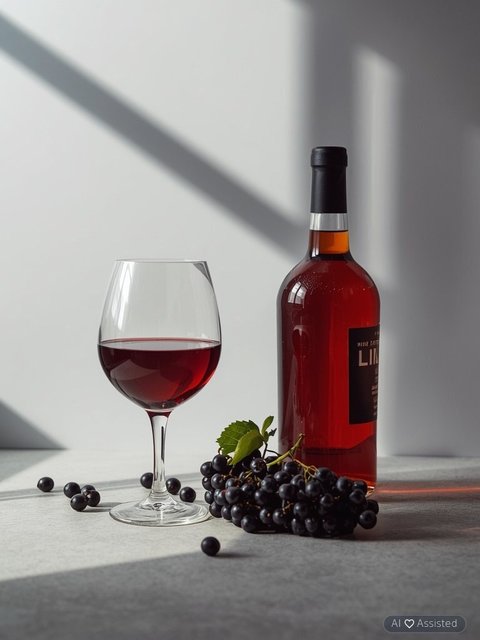
Crafting an exquisite Hungarian plum liqueur—commonly referred to as *śliwkówka*—demands meticulous selection of ingredients and strict adherence to the critical stages of maceration and infusion. To yield approximately 3–4 liters of the finished beverage, the following components are essential: three kilograms of thoroughly washed and pitted Hungarian plums, one liter of high-proof rectified spirit, one kilogram of granulated white sugar, and one liter of distilled or boiled-and-cooled water. The process commences by placing the prepared plums into a clean, five-liter (or larger) glass vessel, after which they are submerged in a blend of spirit and water. The container is then sealed hermetically and stored in a cool, darkened environment for a duration of four weeks to facilitate optimal flavor extraction. Upon completion of this period, the liquid is strained through a sterile cheesecloth or a fine-mesh sieve lined with cotton fabric to separate it from the fruit pulp. The plums are subsequently layered with sugar and left to steep for seven to fourteen days—this duration varies depending on the rate of juice release; periodic agitation of the vessel accelerates sugar dissolution. Finally, the resulting syrup is combined with the previously strained alcohol, and the finished liqueur is decanted into opaque bottles. It is worth noting that its organoleptic qualities—particularly its depth of flavor and aromatic complexity—substantially enhance after several months of aging under stable conditions.

Anna Schmidt
✓Diets Premium Expert
Diets Premium team expert. Specializes in nutrition plans, strength sports, and training plans.
View Profile →