Durian: The polarizing "King of Fruits" from Southeast Asia – origins, nomenclature, and botanical classification
Encountering the term *durian* may spark curiosity—what exactly lies behind this unfamiliar name? This extraordinary fruit derives its designation from the Malay word *duri* (translating to "thorn" or "spike"), and is alternately referred to in botanical contexts as *Durio* or colloquially as the "civet fruit" in certain regions. While its native habitat spans the rainforests of Indonesia—particularly Sumatra and Borneo—it is now cultivated extensively throughout Southeast Asia, from Thailand and Malaysia to the Philippines. Renowned for its distinctive spiky exterior and infamous for its pungent aroma, durian stands as one of the most recognizable yet divisive tropical fruits globally, eliciting reactions ranging from reverence to outright aversion.
Durian: The "King of Fruits" renowned for its distinctive aroma and striking morphology
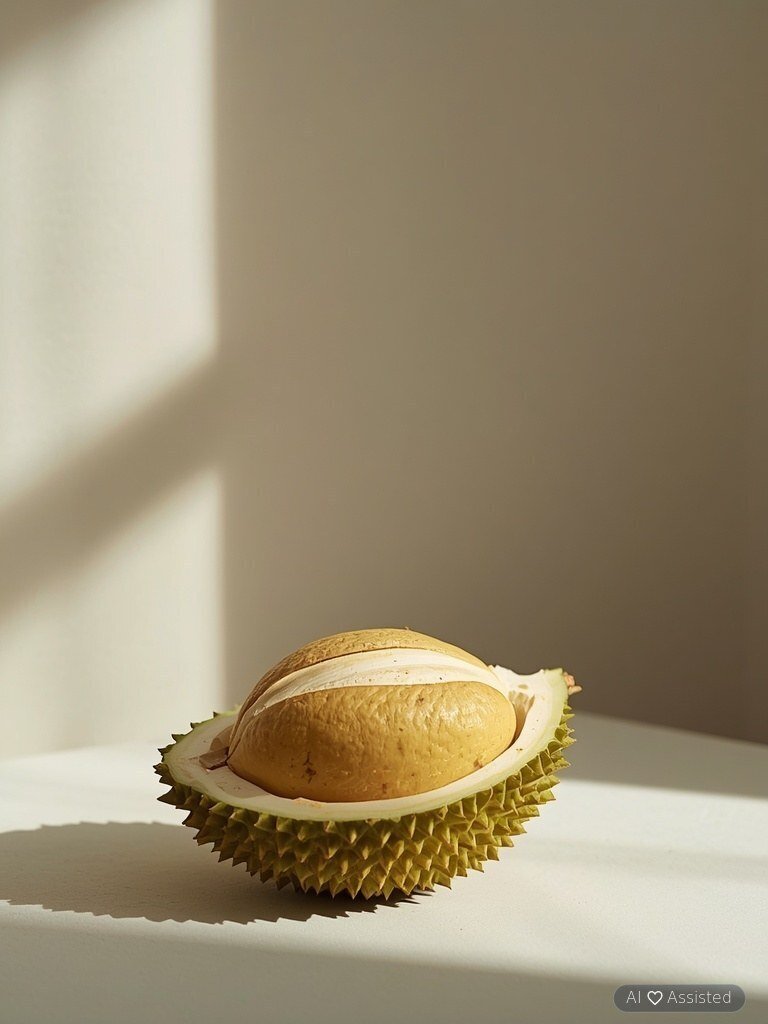
The common durian, scientifically designated as *Durio zibethinus* (as documented by Murray), stands as one of the most iconic yet contentious tropical fruits, distinguished by its elongated, oval morphology. Its exterior is encased in an exceptionally rigid, thick husk ranging in hue from deep emerald to brownish-green, densely studded with sharp, conical thorns arranged in a uniform pattern. Mature specimens attain substantial proportions—often exceeding 40 centimeters in length—with a mass fluctuating around four kilograms. Internally, the fruit houses a luscious, pale-yellow to cream-colored pulp of velvety texture, typically enveloping several large, brown seeds. The plant thrives on colossal trees whose trunks may ascend to heights of up to forty meters, rendering the harvest of these fruits a logistically complex endeavor and labor-intensive undertaking.
Durian: The divisive aroma that defines a fruit’s global reputation
A single, defining trait has cemented the durian’s international notoriety: its potent, polarizing scent, which many find profoundly off-putting. Descriptions often liken it to the pungency of blue cheese or the foulness of decomposing meat, underscoring its divisive nature. Yet, beyond its olfactory controversy, the fruit boasts an intense sweetness that can border on cloying, occasionally inducing mild nausea in the uninitiated. Nevertheless, across Asia, the durian is celebrated as the "king of fruits," revered as a gastronomic treasure and a symbol of culinary excellence in the region.
Durian – sourcing locations and current pricing for this tropical delicacy (2024)
This remarkably fragrant yet polarizing fruit remains exceptionally scarce across Poland. Where, then, might one procure durian to personally assess its distinctive sensory profile—both its pungent aroma and complex flavor? For those intrigued by this tropical delicacy, specialized exotic fruit retailers or Asian grocery importers represent the most viable domestic sources. When traveling to Southeast Asian destinations—such as Malaysia, Indonesia, or Thailand—local markets invariably stock durian as a staple commodity. Current price estimates for a single fruit typically range from approximately 12 to 16 euros (or roughly 50–70 PLN), with variations depending on seasonal availability, cultivar, and point of purchase.
Durian: Distinctive attributes and health applications of a polarizing tropical fruit
The velvety, custard-like texture of durian is attributable to its nutrient-dense composition, comprising approximately 12% complex carbohydrates and 5% plant-based fats. Across Asian cultures, its flavor profile is celebrated as extraordinary and highly coveted, though comparisons vary widely: some detect notes reminiscent of toasted almonds, while others associate it with the richness of a creamy cheesecake. Paradoxically, its most defining characteristic—the pungent, pervasive aroma that many perceive as repulsive—has cemented its status as one of the world’s most divisive fruits. Beyond its gastronomic appeal, durian is recognized in traditional medicine for its gastroprotective properties, particularly in alleviating irritation caused by spicy foods. Due to its rapid oxidation upon exposure to air, the fruit’s pulp deteriorates quickly after peeling, necessitating vacuum-sealed packaging for retail. Scientific discourse has explored potential adverse interactions between durian consumption and alcohol or caffeine intake, though conclusive evidence remains elusive. In herbal medicine, extracts derived from durian leaves are employed as antipyretic, antidepressant, and hematinic agents, while also being purported to enhance immune defense and hepatic function. The fruit itself is often regarded as a natural aphrodisiac, and its bioactive compounds are incorporated into skincare formulations for their purported anti-aging benefits.
Durian: A comprehensive breakdown of nutritional components and health benefits of this exotic fruit
A 100-gram serving of durian pulp provides the body with approximately 147 kilocalories of energy. While its pungent aroma and distinctive texture may initially deter some consumers, this tropical fruit stands out as one of the most nutrient-dense options available from a dietary perspective. Its composition includes not only a substantial amount of vitamin A—critical for maintaining optimal vision and skin health—as well as vitamin C, which bolsters immune function and acts as a potent antioxidant, but also a complete spectrum of B vitamins: thiamine (B1), riboflavin (B2), niacin (B3), pantothenic acid (B5), pyridoxine (B6), and folate (B9), all of which play indispensable roles in energy metabolism, neurological function, and red blood cell synthesis. Furthermore, durian is abundant in a diverse array of macro- and micronutrients, among which calcium—essential for bone and dental integrity, magnesium—regulating muscular and nervous system activity, iron—preventing anemia, phosphorus—supporting mineralization processes, manganese—involved in collagen formation, potassium—helping to stabilize blood pressure, sodium—maintaining electrolyte balance, and zinc—strengthening immune defenses all feature prominently. Owing to this extraordinary nutritional profile, durian—despite its polarizing flavor, which is revered as a delicacy in many Asian cultures yet often rejected elsewhere due to its strong odor—rightfully earns its reputation as a superfruit with unparalleled dietary benefits.
Durian – culinary and industrial applications with practical implementations
Durian, renowned for its distinctive aroma and rich, custard-like texture, is utilized in a multitude of ways across culinary and industrial sectors, particularly in Asian regions. While it is most commonly consumed raw—with its sweet, velvety pulp scooped directly from the husk using a spoon—its versatility extends far beyond this method. The fruit undergoes various forms of processing, including boiling, pan-frying, baking, and preservation through drying or freezing to enhance shelf life. Additionally, durian serves as a foundational ingredient in an extensive array of food products, ranging from desserts and ice creams to sauces and beverages. Its seeds, often overlooked, possess a nut-like flavor and texture, making them a valuable addition to diverse dishes. Beyond its culinary applications, the wood derived from durian trees exhibits remarkable durability and resistance to environmental conditions, rendering it a preferred material in furniture manufacturing, decorative craftsmanship, and even traditional construction practices.
Durian confections: exotic treats with unparalleled aroma and nutritional benefits
Durian transcends its role as a mere culinary ingredient or standalone snack, serving as the foundation for an extensive array of confectionery products—ranging from jams and jellies to custard-based desserts, crispy snacks, and even intensely flavored ice cream. These processed derivatives are substantially more accessible through online retailers than the fresh fruit itself, the transportation and storage of which pose significant logistical challenges due to its perishable nature and pungent odor. Durian candies are primarily stocked in specialty Asian grocery stores, where a 180-gram package typically retails for approximately 15 PLN. The fruit’s infamous moniker, "the world’s smelliest fruit," is not without merit: its aroma—a complex blend reminiscent of onions, gym socks, and sewage—has sparked global debate, yet paradoxically underscores its distinctiveness. Beyond its polarizing scent, durian is celebrated for its rich, custard-like texture and exceptional nutritional profile, boasting high levels of dietary fiber, B vitamins, potassium, and antioxidant compounds. Across Southeast Asian cultures, it is revered as the "King of Fruits" and a symbol of prestige, with its consumption regarded as a gastronomic experience that justifies overcoming initial olfactory aversion. For those hesitant to embrace durian’s challenges, the market offers a diverse selection of other exotic fruits—such as rambutan, mangosteen, or dragon fruit—that captivate with their visual appeal and unique flavor profiles.