3 min read

Kohlrabi – Properties, Nutritional Value and Glycemic Index. How to Eat Kohlrabi

Julia Wójcik
Julia Wójcik ✓
Diets Premium Expert • 25.09.2026
✓
Scientifically reviewed by a clinical dietitian: This article has been peer-reviewed for adherence to IŻŻ, WHO, and PTGiP clinical nutritional standards.
Diets Premium Expert Julia Wójcik min read 3 min Scientifically reviewed by a clinical dietitian 25.09.2026
Kohlrabi – Properties, Nutritional Value and Glycemic Index. How to Eat Kohlrabi

Smart Voice

•

Listen to the article content live

0:00 / 0:00
Key Takeaways
Kalarepa is recognized for its high vitamin C content... It is easy to prepare and available in most food stores... Kalarepa aids in lowering cholesterol levels and improving liver and kidney function.
Meal Plan

Want to apply these guidelines in your daily diet?

Our smart diet generator creates a tailored meal plan in 3 minutes based on the recommendations in this article.

Botanical Characteristics and Flavor Profile of Kohlrabi

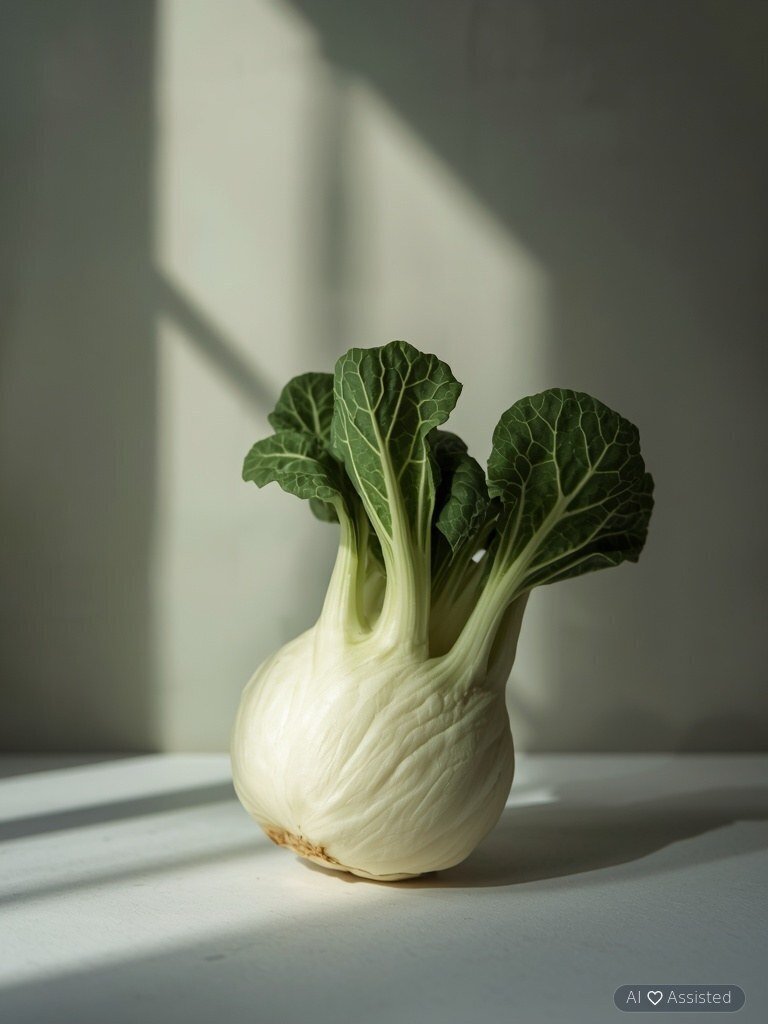
Kalerab—often referred to as stem cabbage or Kohlrabi—exhibits a nuanced yet distinctive flavor profile reminiscent of tender broccoli stalks, albeit devoid of their pronounced bitterness. Its taste is frequently likened to a refined blend of crisp, mildly pungent radish undertones and the succulent, subtly sweet notes of fresh cabbage. As a member of the *Brassicaceae* family (commonly known as cruciferous vegetables), it displays a diverse color spectrum ranging from vibrant green to creamy white and deep purple, contingent upon the specific cultivated variety. Notably, like its botanical relatives, kalerab is rich in phytochemical compounds—including glucosinolates and flavonoids—whose consistent dietary intake has been linked to multifaceted health benefits, such as antioxidant activity and potential protective effects on the digestive system.

Health attributes and preventive benefits of kohlrabi as a cruciferous vegetable with protective properties

Vegetables belonging to the Brassicaceae family, including kohlrabi, represent a valuable source of bioactive sulfur-containing compounds classified as glucosinolates, which activate the body’s detoxification pathways and stimulate the synthesis of isothiocyanates—metabolites with well-documented anticancer properties. Systematic reviews of epidemiological data consistently demonstrate an inverse correlation between regular consumption of cruciferous vegetables and the incidence of malignant tumors, particularly breast, colorectal, and lung cancers. The American Institute for Cancer Research (AICR) actively advocates for the inclusion of kohlrabi in daily diets, publishing specialized culinary recipes on its website aimed at minimizing oncological risk. Furthermore, a diet rich in vegetables such as kohlrabi exerts a protective effect on the cardiovascular system, as confirmed by population-based studies involving adults aged 25 to 74, where a statistically significant reduction in cardiovascular disease incidence and overall mortality was observed in the group with higher fruit and vegetable intake. A meta-analysis published in the *Journal of Nutrition* further emphasizes the inverse relationship between the consumption of plant-based foods and the risk of developing coronary heart disease. In the context of weight management, kohlrabi—like other vegetables—is characterized by high water and dietary fiber content, which promotes satiety and may support the process of excess weight reduction. Obesity, a primary risk factor for type 2 diabetes, can thus be modulated through a rationally designed, vegetable-rich diet, as evidenced by a study involving 2,332 Finnish men. Additionally, kohlrabi leaves should not be overlooked, as they provide a source of readily absorbable iron—a critical micronutrient in anemia therapy—as well as chlorophyll, a compound with documented detoxifying, anti-inflammatory, and tissue-regenerative effects.

A comprehensive guide to consuming kalarepa: Culinary techniques for preparing and serving this cabbage variety

Kalarepa, a distinct cultivar within the cabbage family, thrives in cooler climates, which is why its peak flavor period spans from early autumn through to spring. This versatile vegetable lends itself to a multitude of culinary applications—it can be enjoyed boiled, baked, pan-fried, or even raw in crisp snacks. Edible portions include not only the swollen stem base (which should be thoroughly peeled before cooking or raw consumption) but also the succulent stalk and tender young leaves. Characterized by its mild, subtly nutty undertones and satisfying texture, kalarepa serves as a valuable ingredient across diverse dishes, ranging from hearty stews and fragrant soups to vibrant salads and fresh vegetable medleys.

Kohlrabi – Nutritional Profile, Health Benefits, and Impact on Blood Glucose Levels (Glycemic Index Analysis)

This unassuming root vegetable serves as a valuable source of vitamin C, with a single serving sufficient to meet the body’s daily requirement—this compound plays a pivotal role in neutralizing harmful free radicals and detoxifying the system while simultaneously activating the immune defense mechanisms. Its edible above-ground portion is also rich in B-complex vitamins (thiamine, riboflavin, and pyridoxine), essential for optimal nervous system function, as well as vitamin K, which governs blood coagulation processes. Additionally, kohlrabi contains significant amounts of provitamin A (beta-carotene), which safeguards vision from degenerative changes and supports cellular regeneration, along with bioflavonoids—potent antioxidants with documented anticancer properties. This vegetable is further abundant in dietary fiber, which accelerates the excretion of bile acids and LDL cholesterol fractions, thereby reducing the risk of atherosclerosis and coronary artery disease. Moreover, fiber enhances intestinal peristalsis and promotes prolonged satiety. The glycemic index (GI) serves as a metric for the rate at which a consumed food product elevates blood glucose concentrations—high values of this indicator rapidly trigger pronounced insulin spikes, whereas kohlrabi is characterized by an exceptionally low glycemic index (GI of roughly 20). Consequently, it does not induce postprandial glycemic fluctuations, making it an ideal dietary component for individuals managing insulin resistance, type 2 diabetes, or pursuing sustainable fat loss.
Julia Wójcik

Julia Wójcik

✓

Diets Premium Expert

Diets Premium team expert. Specializes in nutrition plans, strength sports, and training plans.

View Profile →
Recommended articles in this category

Related Articles

Discover similar publications and expert insights.

Star Fruit – Effects, Nutritional Value, and Uses
Nutritional Value Of Fruits
Star Fruit – Effects, Nutritional Value, and Uses
⏱ 3 min czytania
#Nutritional Value Of Fruits #Nutritional Value Of Food
Swiss Chard: Properties, Nutritional Value, Uses, and Recipes
Winter Nutrition
Swiss Chard: Properties, Nutritional Value, Uses, and Recipes
⏱ 4 min czytania
#Winter Nutrition #Nutritional Properties
Kalettes – Origin, Characteristics, and Application of the New Vegetable Kind
Health
Kalettes – Origin, Characteristics, and Application of the New Vegetable Kind
⏱ 3 min czytania 📚 Health
#Nutritional Properties #Vegetable
White Turnip – Properties, Uses, Recipes
Easy
White Turnip – Properties, Uses, Recipes
⏱ 2 min czytania
#Easy #Nutritional Properties
Kohlrabi – Health Benefits, Nutritional Value, and Delicious Recipes
Nutritional Composition
Kohlrabi – Health Benefits, Nutritional Value, and Delicious Recipes
⏱ 4 min czytania
#Nutritional Composition #Nutritional Properties
Green Legumes – Characteristics and Applications
Legumes And Health
Green Legumes – Characteristics and Applications
⏱ 3 min czytania
#Legumes And Health #Nutritional Properties
Supervision of herring fish - occurrence, characteristics, nutrients, application, and guidelines
Nutritional Ingredients
Supervision of herring fish - occurrence, characteristics, nutrients, application, and guidelines
⏱ 3 min czytania
#Nutritional Ingredients #Nutritional Properties
Maitake Mushrooms – Properties and Recipes
Nutritional Benefits
Maitake Mushrooms – Properties and Recipes
⏱ 4 min czytania
#Nutritional Benefits #Health Benefits Of Mushrooms
Health attributes and vitamin source of strawberries... Companion for good well-being
Nutritional Properties
Health attributes and vitamin source of strawberries... Companion for good well-being
⏱ 2 min czytania
#Nutritional Properties #Strawberries
Coral Bead Shrub - Properties and Uses
Health
Coral Bead Shrub - Properties and Uses
⏱ 2 min czytania 📚 Health
#Protein Deficiency And Excess #Proper Hydration
Dehydrated tomatoes
Nutritional Properties
Dehydrated tomatoes
⏱ 2 min czytania
#Nutritional Properties #Dried Tomatoes
Pigeon juice offers a multitude of advantageous characteristics... Let's conduct a thorough analysis of its application
Nutritional Value Of Food
Pigeon juice offers a multitude of advantageous characteristics... Let's conduct a thorough analysis of its application
⏱ 3 min czytania
#Nutritional Value Of Food #Nutritional Analysis
Plums - Nutritional Value and Culinary Utilization: Compote, Liqueur, Juice
Nutritional Properties
Plums - Nutritional Value and Culinary Utilization: Compote, Liqueur, Juice
⏱ 7 min czytania
#Nutritional Properties #Digestive Disorders
Game Meat – Nutritional Values, Uses, and Consumption Limitations
Nutrition
Game Meat – Nutritional Values, Uses, and Consumption Limitations
⏱ 4 min czytania 📚 Nutrition
#Nutritional Values #Health Benefits
Carob – Properties, Nutritional Value, Calories and Uses
Nutritional Value Of Desserts
Carob – Properties, Nutritional Value, Calories and Uses
⏱ 2 min czytania
#Nutritional Value Of Desserts #Nutritional Properties
Buckwheat: Cooking Method and 6 Reliable Recipes for Meals All Day
Nutritional Cooking
Buckwheat: Cooking Method and 6 Reliable Recipes for Meals All Day
⏱ 6 min czytania
#Nutritional Cooking #Nutritional Properties
Mango: Nutritional properties, its role in weight-loss diets, and practical methods for preparation and consumption in everyday cooking
Fruits
Mango: Nutritional properties, its role in weight-loss diets, and practical methods for preparation and consumption in everyday cooking
⏱ 6 min czytania 📚 Fruits
#Nutritional Properties #Bioactive Compounds
Lactoferrin: Immunological Mechanisms, Iron Chelation, Pediatric Applications, Formulations, and Market Pricing
Nutritional Science
Lactoferrin: Immunological Mechanisms, Iron Chelation, Pediatric Applications, Formulations, and Market Pricing
⏱ 4 min czytania 📚 Nutritional Science
#Pediatric Dietary Guidelines #Child Health And Diet
Characteristics and Potential Health Benefits of Raspberry Leaves – How Herbal Infusions Support Vitality
Food & Ingredients
Characteristics and Potential Health Benefits of Raspberry Leaves – How Herbal Infusions Support Vitality
⏱ 4 min czytania 📚 Food & Ingredients
#Nutritional Benefits Of Raspberries #Medicinal Plant Applications
Turmeric (Curcuma longa): nutritional profile, mechanisms of action, piperine synergy, and functional culinary applications
Food & Ingredients
Turmeric (Curcuma longa): nutritional profile, mechanisms of action, piperine synergy, and functional culinary applications
⏱ 4 min czytania 📚 Food & Ingredients
#Bioactive Compounds In Plants #Anti-inflammatory Compounds
Fermented Sourdough Kvass vs Sugary Carbonated Sodas: Cellular Hydration, Microbiome, and Heat Resilience
Nutritional Science
Fermented Sourdough Kvass vs Sugary Carbonated Sodas: Cellular Hydration, Microbiome, and Heat Resilience
⏱ 1 min czytania 📚 Nutritional Science
#Water And Electrolyte Balance #Glycemic Index And Health
How to Utilize Zucchini in Cooking? Top 8 Recipes
Nutritional Value Of Pumpkin
How to Utilize Zucchini in Cooking? Top 8 Recipes
⏱ 5 min czytania
#Nutritional Value Of Pumpkin #Nutritional Value Of Fruits
The sap derived from birch trees, recognized in our country as "oskoła", enjoys a high reputation due to its advantageous health and nutritional attributes.
Nutritional Properties
The sap derived from birch trees, recognized in our country as "oskoła", enjoys a high reputation due to its advantageous health and nutritional attributes.
⏱ 5 min czytania
#Nutritional Properties #Birch Sap
Mandarins – nutritional properties, caloric value, and a homemade recipe for fragrant mandarin liqueur
Fruits
Mandarins – nutritional properties, caloric value, and a homemade recipe for fragrant mandarin liqueur
⏱ 4 min czytania 📚 Fruits
#Nutritional Properties #Bioactive Compounds
Comparative Analysis of Soy Milk and Rice Milk: Nutritional Profiles, Glycemic Impact, and Culinary Roles
Nutritional Properties
Comparative Analysis of Soy Milk and Rice Milk: Nutritional Profiles, Glycemic Impact, and Culinary Roles
⏱ 4 min czytania
#Nutritional Properties #Essential Amino Acids
Citrus Fruits, Lemon and Lime Juice: Phytochemical Composition, Vitamin C, Citric Acid, and Physiological Health Benefits
Nutritional Science
Citrus Fruits, Lemon and Lime Juice: Phytochemical Composition, Vitamin C, Citric Acid, and Physiological Health Benefits
⏱ 2 min czytania 📚 Nutritional Science
#Natural Sources Of Vitamin C #Trace Elements In The Body
Optimal ingredients to enhance salad flavors – Essential knowledge for selecting the right vegetable oil
Nutritional Properties
Optimal ingredients to enhance salad flavors – Essential knowledge for selecting the right vegetable oil
⏱ 2 min czytania
#Nutritional Properties #Vegetable Oils
Chickpea Flour (Besan) – Nutritional Value, Plant Protein, Culinary Uses, and Tested Recipes
Food Science
Chickpea Flour (Besan) – Nutritional Value, Plant Protein, Culinary Uses, and Tested Recipes
⏱ 5 min czytania 📚 Food Science
#Gluten-free Alternatives #Nutritional Properties
Linoleic Acid (Omega-6): Essential Functions, Epidermal Permeability Barrier, and Dietary Ratios
Nutritional Science
Linoleic Acid (Omega-6): Essential Functions, Epidermal Permeability Barrier, and Dietary Ratios
⏱ 3 min czytania 📚 Nutritional Science
#Nutritional Impact On Health #Dietary Fats And Health
Baltic, Atlantic, and Farmed Salmon – Nutritional Analysis, Health Benefits, and Safety Criteria
Food & Ingredients
Baltic, Atlantic, and Farmed Salmon – Nutritional Analysis, Health Benefits, and Safety Criteria
⏱ 5 min czytania 📚 Food & Ingredients
#Cardiovascular Disease Prevention #Cardiovascular Health Risks

Share