5 min read

In reality, which are healthier – plant or animal fats?

Olivia Davis
Olivia Davis ✓
Diets Premium Expert • 24.09.2026
✓
Scientifically reviewed by a clinical dietitian: This article has been peer-reviewed for adherence to IŻŻ, WHO, and PTGiP clinical nutritional standards.
Diets Premium Expert Olivia Davis min read 5 min Scientifically reviewed by a clinical dietitian 24.09.2026
In reality, which are healthier – plant or animal fats?

Smart Voice

•

Listen to the article content live

0:00 / 0:00
Key Takeaways
Fatty acids are categorized based on the type of bonds between their molecules. In the event of double bonds, we refer to unsaturated fatty acids (mono- or polyunsaturated). However, in the absence of such bonds, we are dealing with saturated fatty acids.
Meal Plan

Want to apply these guidelines in your daily diet?

Our smart diet generator creates a tailored meal plan in 3 minutes based on the recommendations in this article.

Plant-derived lipid sources: metabolic properties and cardiovascular health implications

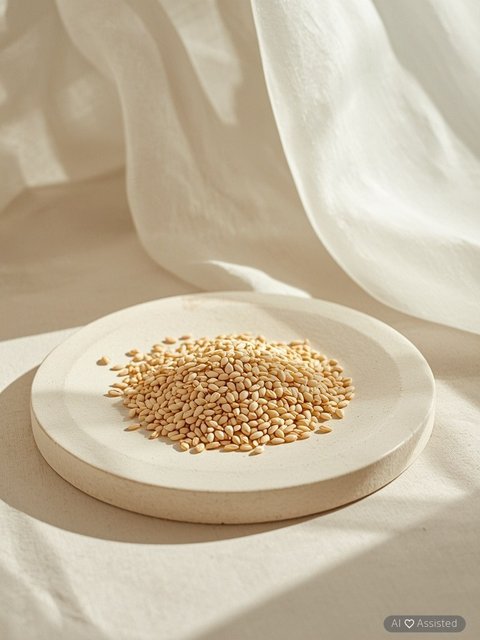
Plant-based lipids are distinguished by their high content of unsaturated fatty acids—both monounsaturated and polyunsaturated—particularly those belonging to the omega-6 (n-6) and omega-3 (n-3) families. Due to the human body’s inability to synthesize them *de novo*, **linoleic acid (LA, n-6)** and **alpha-linolenic acid (ALA, n-3)** are classified as **essential unsaturated fatty acids (EUFAs)**, necessitating their exclusive dietary acquisition. Primary sources of these compounds (beyond marine oils) include high-quality vegetable oils such as canola, flaxseed, soybean, corn, and olive oil. Robust epidemiological evidence demonstrates an inverse relationship between LA intake and low-density lipoprotein (LDL) cholesterol concentrations—commonly referred to as "bad cholesterol"—while concurrently elevating high-density lipoprotein (HDL) levels, thereby mitigating atherosclerotic risk. The metabolic conversion of LA is critically dependent on the enzyme **delta-6-desaturase**, whose activity may be compromised by factors including excessive saturated fat consumption, micronutrient deficiencies (zinc, magnesium), tobacco smoking, or chronic alcohol use. Impaired enzymatic function can lead to inefficient conversion of LA into **gamma-linolenic acid (GLA)**, a compound with putative anti-inflammatory properties. Furthermore, an imbalanced omega-6 to omega-3 ratio (frequently observed in Western diets at ratios as high as 20:1) promotes the overproduction of **arachidonic acid**, a pro-inflammatory eicosanoid precursor. Alpha-linolenic acid (ALA) serves as a biochemical precursor for the long-chain fatty acids **EPA** and **DHA**, whose daily supplementation (~1 g) has been linked to reduced triglyceride levels, improved platelet function, and attenuated inflammatory biomarkers. Rich dietary sources of ALA include flaxseed oil, walnuts, and chia seeds. Emerging research also suggests potential therapeutic benefits of omega-3 fatty acids in neurodegenerative disorders (dementia), autoimmune conditions (rheumatoid arthritis), and dermatological diseases (atopic dermatitis). However, industrial processes such as **partial hydrogenation** can induce the isomerization of *cis*-unsaturated fatty acids into *trans*-configured variants, which exhibit atherogenic properties akin to saturated fats. Consequently, consumers are advised to avoid products labeled as containing "partially hydrogenated vegetable oils" to preserve the cardiometabolic advantages of plant-derived lipids.

Animal-derived fats: composition, nutritional role, and health considerations

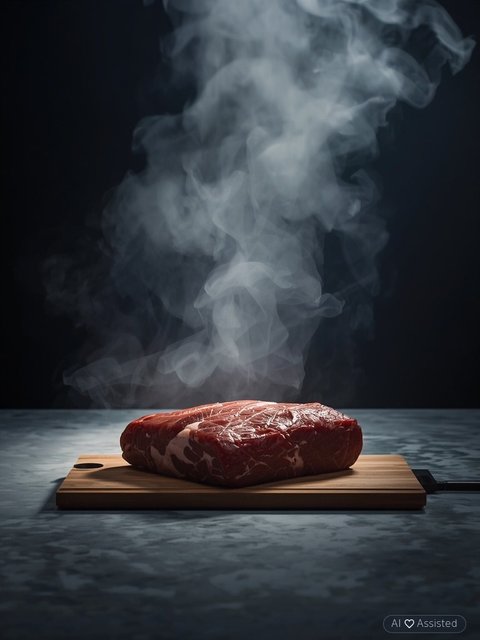
While animal fats do contain a proportion of unsaturated fatty acids, they primarily serve as the main dietary source of saturated fatty acids (NKT). Fish, however, represent an exception, as they are the most valuable source of omega-3 fatty acids, specifically EPA and DHA. Although saturated fats play essential roles in the body, endogenous synthesis fully meets the body’s requirements, eliminating the necessity for external supplementation. Nonetheless, foods rich in NKT also provide other critical nutrients, including calcium (from dairy products), zinc, and vitamin B12 (from meat). It is advisable, however, to opt for low-fat versions of these products, particularly due to the established link between excessive NKT intake and an elevated risk of cardiovascular diseases. Their contribution to the diet should not exceed 10% of total daily energy intake.

Plant-based or animal fats—how to make the healthiest dietary choice?

Resolving this dilemma proves remarkably straightforward from the standpoint of modern nutritional science. Experts unanimously emphasize that plant-based fats should constitute a staple component of daily nutrition, whereas animal fats—with the notable exception of fish-derived fats, whose consumption in the average Polish diet remains insufficient—should be minimized to the greatest possible extent. In accordance with the latest guidelines from the Institute of Food and Nutrition, fish should be consumed at least twice weekly. It is crucial to note that rapeseed oil, owing to its high smoke point, represents the optimal choice for high-temperature cooking methods such as frying, baking, or braising. Other vegetable oils, including rapeseed oil itself, are best suited for cold applications like salad dressings and should never be exposed to high heat. Additionally, oils intended for raw consumption must be cold-pressed (unrefined); it is important to distinguish that the term "cold-filtered" is not synonymous with "cold-pressed" and may be deliberately misleading, as the refining process strips the product of its most valuable nutritional, aromatic, and flavor compounds. While fats are indispensable in the diet, they possess an exceptionally high caloric density (9 kcal per gram), meaning their intake—even within a health-conscious framework—must be monitored, though not reduced below 20% of total dietary energy requirements. We also invite you to read our article on phosphatidylcholine, which plays a pivotal role in lipid metabolism!
Olivia Davis

Olivia Davis

✓

Diets Premium Expert

Diets Premium team expert. Specializes in nutrition plans, strength sports, and training plans.

View Profile →
Recommended articles in this category

Related Articles

Discover similar publications and expert insights.

The Action of Citrulline – In Which Foods Does This Amino Acid Occur?
Sports Nutrition
The Action of Citrulline – In Which Foods Does This Amino Acid Occur?
⏱ 3 min czytania 📚 Sports Nutrition
#Amino Acid #Fatty Acids
Phosphatidylcholine: Mechanism of Action and Potential Side Effects
Fatty Acids
Phosphatidylcholine: Mechanism of Action and Potential Side Effects
⏱ 4 min czytania
#Fatty Acids
Avocado – Properties and Health Benefits. How to Identify a Ripe Fruit? Ways to Speed Up Ripening
Salads
Avocado – Properties and Health Benefits. How to Identify a Ripe Fruit? Ways to Speed Up Ripening
⏱ 3 min czytania
#Salads #Fatty Acids
Avocado Cultivated in the Warm Regions of Central and South America
Fatty Acids
Avocado Cultivated in the Warm Regions of Central and South America
⏱ 3 min czytania
#Fatty Acids #Avocado
Raspberry seed oil usage. The fundamental effect of raspberry seed oil on acne.
Health Benefits Of Raspberries
Raspberry seed oil usage. The fundamental effect of raspberry seed oil on acne.
⏱ 3 min czytania
#Health Benefits Of Raspberries #Health Benefits
Evening Primrose – Medicinal Properties, Cosmetic Benefits, and Evening Primrose Oil
Fruits
Evening Primrose – Medicinal Properties, Cosmetic Benefits, and Evening Primrose Oil
⏱ 4 min czytania 📚 Fruits
#Traditional Medicine #Fatty Acids
Meat alternatives: how to replace classic meat products in your diet
Meat Alternatives
Meat alternatives: how to replace classic meat products in your diet
⏱ 4 min czytania
#Meat Alternatives #Meat Consumption
Another Valuable Property of Coconut Oil – An Effective Defense Against *Candida albicans*: Lauric Acid, Antifungal Mechanisms, and Dietary Protocols
Polyunsaturated Fatty Acids
Another Valuable Property of Coconut Oil – An Effective Defense Against *Candida albicans*: Lauric Acid, Antifungal Mechanisms, and Dietary Protocols
⏱ 2 min czytania
#Polyunsaturated Fatty Acids #Fatty Acids
Butter: A nutritional treasure or a hidden threat to cardiovascular well-being?
Dairy-Based
Butter: A nutritional treasure or a hidden threat to cardiovascular well-being?
⏱ 3 min czytania 📚 Dairy-Based
#Culinary Traditions #Dietary Guidelines
Prepared in diverse manners - which type of fish contains the highest amount of omega fatty acids?
Omega Fatty Acids
Prepared in diverse manners - which type of fish contains the highest amount of omega fatty acids?
⏱ 1 min czytania
#Omega Fatty Acids #Fatty Acids
Harmful Effects of Trans Fats. List of Products Containing Trans Fats
Dairy Products
Harmful Effects of Trans Fats. List of Products Containing Trans Fats
⏱ 3 min czytania
#Dairy Products #Vegetable Fat
Cynthia Sass' flat-belly diet plan - rules, ingredients and effects
Dark Chocolate
Cynthia Sass' flat-belly diet plan - rules, ingredients and effects
⏱ 5 min czytania
#Dark Chocolate #Fatty Acids
Sesame seeds
Fatty Acids
Sesame seeds
⏱ 3 min czytania
#Fatty Acids #Sesame Seeds
Fats – acidic and unsuitable, MCT and trans-... what purpose do fats serve in our body?
Fatty Acids
Fats – acidic and unsuitable, MCT and trans-... what purpose do fats serve in our body?
⏱ 5 min czytania
#Fatty Acids
Poppy Seeds (Papaver) – Varieties, Nutritional Density, Calcium, Culinary Uses, and Safety
Food Science
Poppy Seeds (Papaver) – Varieties, Nutritional Density, Calcium, Culinary Uses, and Safety
⏱ 13 min czytania 📚 Food Science
#Culinary Versatility #Culinary Preparation
Homemade almond butter – health benefits, tested recipes, and a step-by-step guide to preparing it in your own kitchen
Food & Ingredients
Homemade almond butter – health benefits, tested recipes, and a step-by-step guide to preparing it in your own kitchen
⏱ 5 min czytania 📚 Food & Ingredients
#Essential Nutrients #Flavor Enhancement
The Vital Role of EPA and DHA in Pregnancy and Infancy: Fetal Neurodevelopment, Retinal Maturation, and Preterm Birth Prevention
Nutritional Science
The Vital Role of EPA and DHA in Pregnancy and Infancy: Fetal Neurodevelopment, Retinal Maturation, and Preterm Birth Prevention
⏱ 6 min czytania 📚 Nutritional Science
#Omega-3 And Omega-6 Fatty Acids #Polyunsaturated Fatty Acids
Culinary Processing of Meat: Preserving Bioactive Nutrients, Flavor, and Digestibility
Essential Amino Acids
Culinary Processing of Meat: Preserving Bioactive Nutrients, Flavor, and Digestibility
⏱ 5 min czytania
#Essential Amino Acids #Complete Protein
Black cumin seed oil – health properties, management of acne, allergies, and hair care
Dietary Supplementation
Black cumin seed oil – health properties, management of acne, allergies, and hair care
⏱ 5 min czytania
#Dietary Supplementation #Dermatological
Expressing breast milk: A comprehensive clinical guide to safe breast pump operation and human milk storage protocols
Polyunsaturated Fatty Acids
Expressing breast milk: A comprehensive clinical guide to safe breast pump operation and human milk storage protocols
⏱ 7 min czytania
#Polyunsaturated Fatty Acids #Maintenance
Sea buckthorn oil – bioactive properties and practical applications in health and cosmetics
Culinary Traditions
Sea buckthorn oil – bioactive properties and practical applications in health and cosmetics
⏱ 3 min czytania
#Culinary Traditions #Dermatological
Corn germ oil: Cold-pressed maize extract with high unsaturated fatty acid density
Polyunsaturated Fatty Acids
Corn germ oil: Cold-pressed maize extract with high unsaturated fatty acid density
⏱ 2 min czytania
#Polyunsaturated Fatty Acids #Maize Germ Oil
Olive oil – biochemical composition and nutritional properties
Nutritional Properties
Olive oil – biochemical composition and nutritional properties
⏱ 3 min czytania
#Nutritional Properties #Antioxidants
Avocado oil – nutritional composition, health-promoting properties, and applications in culinary arts and skincare
Polyunsaturated Fatty Acids
Avocado oil – nutritional composition, health-promoting properties, and applications in culinary arts and skincare
⏱ 4 min czytania
#Polyunsaturated Fatty Acids #Nutritional Composition
Surimi Crab Sticks – Technological Composition, Nutritional Value, Market Price, and Culinary Recipes
Food & Ingredients
Surimi Crab Sticks – Technological Composition, Nutritional Value, Market Price, and Culinary Recipes
⏱ 5 min czytania 📚 Food & Ingredients
#Nutritional Composition #Omega-3 Fatty Acids
White button mushrooms in the daily diet – nutritional properties, calories, vitamins, and culinary uses
Food & Ingredients
White button mushrooms in the daily diet – nutritional properties, calories, vitamins, and culinary uses
⏱ 3 min czytania 📚 Food & Ingredients
#Champignon Mushrooms #Carbohydrates
Clinical Applications of Chia Seeds in Weight Management: Metabolic Effects and Protocols
Dietary Supplement
Clinical Applications of Chia Seeds in Weight Management: Metabolic Effects and Protocols
⏱ 3 min czytania
#Dietary Supplement #Weight Management
Applications and health benefits of Plantago ovata (psyllium) seeds: dietary fiber profile, gastrointestinal wellness, and culinary integration
Health Benefits
Applications and health benefits of Plantago ovata (psyllium) seeds: dietary fiber profile, gastrointestinal wellness, and culinary integration
⏱ 3 min czytania
#Health Benefits #Traditional Remedies
Seeds of Spanish Medicinal Sage: A Potent Source of Omega-3 Fatty Acids and Antioxidative Compounds
Polyunsaturated Fatty Acids
Seeds of Spanish Medicinal Sage: A Potent Source of Omega-3 Fatty Acids and Antioxidative Compounds
⏱ 2 min czytania
#Polyunsaturated Fatty Acids #Cardiovascular Diseases
Folate Acids - Action, Sources in Food, Consequences of Deficiency, Supplementation
Pregnancy & Motherhood
Folate Acids - Action, Sources in Food, Consequences of Deficiency, Supplementation
⏱ 6 min czytania 📚 Pregnancy & Motherhood
#Pregnancy

Share