Fruits – A rich source of health-enhancing compounds

Tomasz Jankowski
✓
Diets Premium Expert • 17.03.2026
✓
Scientifically reviewed by a clinical dietitian:
This article has been peer-reviewed for adherence to IŻŻ, WHO, and PTGiP clinical nutritional standards.
| Diets Premium Expert Tomasz Jankowski | min read 6 min | Scientifically reviewed by a clinical dietitian 17.03.2026 |

Smart Voice
•Listen to the article content live
0:00
/
0:00
Key Takeaways
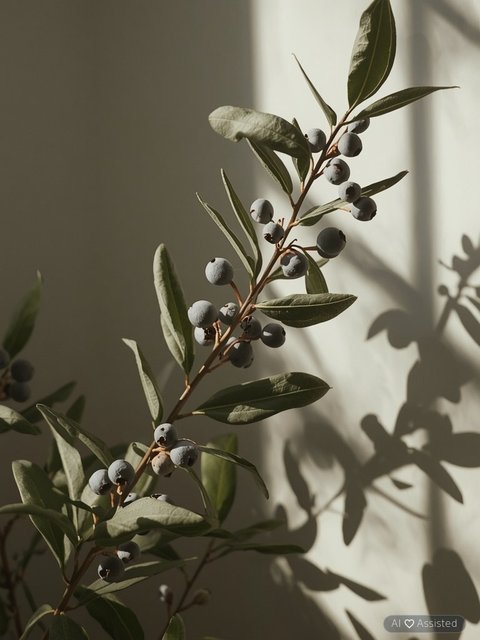
Berries, renowned for their high content of health-promoting constituents, play a pivotal role in our diet. These delicate fruits can prevent the onset of numerous diseases, support the functioning of various systems in the human body, and decelerate the aging process.
Meal Plan
Want to apply these guidelines in your daily diet?
Our smart diet generator creates a tailored meal plan in 3 minutes based on the recommendations in this article.
PRO Content
PRO
This article is professional premium content (PRO) provided in its entirety.
Fundamental insights about blackberries
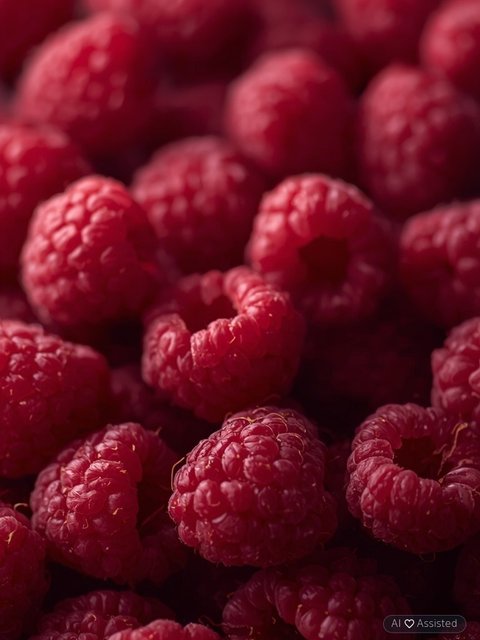
Blackberries belong to the genus Rubus from the family Rosaceae. There are many varieties of this plant, such as Navaho, Orkan, Ouachita, and Chester. In Poland, they are known by many names, depending on the region, such as grandparents, blackheads, scallops, or garlic. They grow in meadows, forests, on roads, and also in open ground. They bloom from late May to autumn and produce fruit from mid-August to November (D. Grabek-Lejko 2016). The main places of production are North America, Europe (especially Serbia), and Asia. Blackberries have a long history of use in traditional medicine and are often used in cooking, mainly for desserts. The taste of the fruits can be sweet or sour, depending mainly on the type of blackberry, and the sour fruits are the least ripe (J. Macierzyński et al. 2014).
Nutritional composition of blackberries
Blackberries are a fruit with an extremely low calorie content, which is particularly beneficial for those on a weight-loss diet. 100 grams of blackberries contain only 43 kcal. The fruit has a high nutrient density, meaning it contains large quantities of valuable nutrients (such as vitamins and minerals) while also having a low calorie level. The main source of energy in blackberries is carbohydrates (9.6 g/100 g of product). The fruit also contains a substantial amount of fiber (5.3 g/100 g), which is extremely important for the proper functioning of the digestive system. Blackberries are also a rich source of vitamins A, C, E, and K and minerals such as manganese, calcium, magnesium, and potassium.
Blackberries – health-promoting properties and nutritional values
Free radicals are reactive forms of oxygen to which the human body is exposed. Their action can be harmful and contribute to the development of various diseases such as Alzheimer's disease, Parkinson's disease, hypercholesterolemia, diabetes or atherosclerosis. To prevent this, it is recommended to consume foods rich in antioxidants, such as berries. Blackberries are particularly rich in polyphenols, which are powerful antioxidants. Anthocyanins, which belong to polyphenols, have an antioxidant, anti-inflammatory and anticancer effect. Flavonoids and phenolic acids, which also occur in blackberries, have strong antioxidant and antibacterial properties. Blackberries are also a good source of vitamin C and K and dietary fiber, which contribute to maintaining the health of the body.
The utilization of blackberry fruits in cooking
Blackberries are highly suitable for a wide range of desserts, ice creams, and cakes. Their addition brings freshness and variety to the dish. These fruits can serve as a base for cocktails, juices, liqueurs, or preserves. Products based on blackberries will be a concentrated source of antioxidants, bringing health benefits. Blackberries can also be utilized for preparing main courses. Their tart flavor harmonizes ideally with meats, cold cuts, or cheeses. Including blackberries in salads will also be a fantastic idea. This enhances not only the taste of the dish but also its nutritional value.
Beverage with the inclusion of blackberries
Preparation time: 10 minutes Ingredients (per 1 serving): – spinach – a handful (25 g), – banana – piece (120 g), – blackberries – handful (70 g), – milk – glass (240 ml), – nut butter – 1⁄2 teaspoon (7.5 g). Preparation: 1. Rinse spinach and blackberries thoroughly, place in a tall container. 2. Divide banana into smaller segments, adding them to the container. 3. Pour milk over ingredients, add nut butter, and then blend. Nutritional value (per serving): – energy: 306 kcal, – protein: 12.7 g, – fat: 9.3 g, – carbohydrates: 48.2 g.
Colorful salad with chicken and berries
Preparation time: 35 minutes Ingredients (per serving): – spinach – handful (25 g), – chicken fillet – portion (100 g), – berries – handful (70 g), – avocado – 1 1⁄2 pieces (70 g), – olive oil – tablespoon (5 g), – tomato – piece (170 g), – cucumber – piece (100 g), – pumpkin seeds – tablespoon (5 g), – sweet peppers – pinch (0,2 g), – salt – pinch (0,2 g), – pepper – pinch (0,2 g). Preparation 1. Preheat the oven to 180°C. 2. Rinse the chicken, pat dry, and then marinate in spices and oil. Let stand in the refrigerator for 10 minutes. 3. Rinse the spinach thoroughly, cut into smaller pieces, and place in a bowl. 4. Rinse the tomato and cucumber, cut into large dice, and add to the spinach. Halve the avocado, cut into strips, and add to the bowl. 5. Place the marinated chicken on a baking sheet lined with parchment paper and bake for 20 minutes. 6. Cut the cooked chicken into strips and add to the vegetables. 7. Rinse the berries, cut into smaller pieces, and sprinkle over the salad. 8. Finally, add the pumpkin seeds. Nutritional value (per serving): – energy: 382 kcal, – protein: 29.1 g, – fat: 21.2 g, – carbohydrates: 22.9 g.
Chia Seed Pudding with Blueberries
Preparation time: 10 minutes + refrigerated storage time. Ingredients (per 1 serving): chia seeds - 3 teaspoons (24 g), milk - a glass (240 ml), erythritol - 2 tablespoons (10 g), blueberries - a handful (70 g), water - 3 teaspoons (30 ml), hazelnuts - 3 pieces (12 g). Preparation: 1. Place chia seeds in a bowl, add 1 tablespoon erythritol and milk. Mix well. 2. Refrigerate for 30 minutes, then stir the pudding and refrigerate again for at least 3 hours. 3. Before serving, wash the blueberries, place them in a pot, add 1 tablespoon erythritol, cover with water and cook for about 5 minutes. 4. Pour the hot blueberry puree over the pudding and sprinkle with chopped hazelnuts. Nutritional value (per serving): energy - 345 kcal, protein - 14.7 g, fat - 20.3 g, carbohydrates - 30 g.

mgr Tomasz Jankowski
✓Diets Premium Expert
Diets Premium team expert. Specializes in nutrition plans, strength sports, and training plans.
View Profile →