Hues of Fruits and Vegetables and Their Impact on Health

Emilia Szymańska
✓
Diets Premium Expert • 25.03.2026
✓
Scientifically reviewed by a clinical dietitian:
This article has been peer-reviewed for adherence to IŻŻ, WHO, and PTGiP clinical nutritional standards.
| Diets Premium Expert Emilia Szymańska | min read 5 min | Scientifically reviewed by a clinical dietitian 25.03.2026 |

Smart Voice
•Listen to the article content live
0:00
/
0:00
Key Takeaways
The hues of fruits and vegetables act as an indicator of their nutritional components and health properties. These colors are imparted by natural plant pigments such as carotenoids, chlorophyll, or anthocyanins. Red and red fruits support heart and kidney functions, yellow and orange have a positive impact on the appearance of skin and hair as well as strengthening the immune system, green prevents anemia and heart-related diseases, white serves as a natural remedy against infections, while blue and purple support eye health and inhibit the body's aging process.
Meal Plan
Want to apply these guidelines in your daily diet?
Our smart diet generator creates a tailored meal plan in 3 minutes based on the recommendations in this article.
Fruits and vegetables as the foundation of a varied diet
There is no doubt that vegetables and fruits serve as the foundation of a varied and balanced diet and are a critical component of the healthy eating pyramid. As Mirosław Jarosz, director of the Institute of Food and Nutrition, pointed out, vegetables and fruits provide a wide range of valuable minerals and vitamins that significantly reduce the risk of diseases of the circulatory system, diabetes, or cancer, as well as associated mortality. It is especially important to maintain the correct proportions of vegetables and fruits in daily diet: three-quarters vegetables, at least 400 g, and one-quarter fruits, 100 g. It is crucial to highlight that vegetables can be consumed without restrictions, while the amount of fruits should be controlled due to their content of simple sugars, whose excess can negatively affect achieving a healthy body weight. Furthermore, it is recommended to consume whole fruits instead of juices, even freshly squeezed ones, as their consumption provides a greater feeling of satiety.
Segmentation of fruit and vegetable products into five color categories
To make nutrition not just accurate, but also engaging and diverse, it is essential to adhere to the five-color principle, which involves paying attention to the color of the eaten fruit and vegetable products. Each color has a host of health-promoting features, and the color diversity on the plate assists in providing an assortment of various nutrients, such as carotenoids, flavonoids, folic acid, fiber, mineral components, and vitamins.
Fruits and vegetables are classified by colour in the following manner:
1. green, 2. yellow and orange, 3. red, 4. purple, 5. white. This categorization is arbitrary, as some fruits and vegetables are difficult to assign to the appropriate category.
Green plant-based products
All plant-based products that adopt this color in their fully mature state contain lutein. This substance plays a particularly crucial role in maintaining the proper functioning of the eye, especially by protecting the delicate vessels of the retina. Furthermore, lutein shields low-density lipoproteins from oxidation processes, which decreases the likelihood of asthma and coronary heart disease. Vegetables such as broccoli, cauliflower, and cabbage are rich in indole-3-carbinol. This compound exhibits anticancer activity, particularly against breast cancer. Green plant-based products also contain chlorophyll, which supports liver function and aids in eliminating toxins from the body. They are also a source of folic acid, fiber, and vitamins A, C, E, and K. Examples of food sources include: spinach, lettuce, arugula, kale, green peas, broccoli, asparagus, cauliflower, mustard greens, zucchini, cucumber, avocado, and kiwi.
Yellow and orange
They are an ideal source of beta-carotene, a precursor of vitamin A, which has a beneficial effect on the appearance of the hair, nails and the proper curing of the skin. They also provide proper function of the visual system at dusk, protect against the so-called "blindness of the eye" and play a significant role in the prevention of asthma. They reduce total cholesterol.
Red Fruits and Vegetables
Fruits and vegetables with a red hue are a source of anthocyanins, compounds belonging to the flavonoid group. They exhibit anti-inflammatory, antiviral, and antibacterial properties. Furthermore, they provide protection against civilized diseases, such as diabetes, asthma, and hypertension. These properties primarily stem from their ability to neutralize free oxygen sources. Tomatoes are sources of lycopene, a carotenoid dye, which decreases the likelihood of developing cardiovascular diseases. Lycopene also lowers blood pressure in asthmatic patients. A strong correlation exists between lycopene consumption and a reduction in the incidence of specific types of cancer, particularly prostate cancer. It is noteworthy that tomato products, such as concentrate, puree, or ketchup, contain more lycopene than fresh tomatoes, and the addition of fat enhances its bioavailability. Peppers contain rutin, which seals blood vessels, strawberries exhibit diuretic properties and thus support kidney function, while cranberries decrease the risk of heart disease. Red fruits and vegetables encompass tomatoes, red peppers, cherries, sour cherries, strawberries, raspberries, cranberries, red grapefruits, and pomegranates.
Violet food items
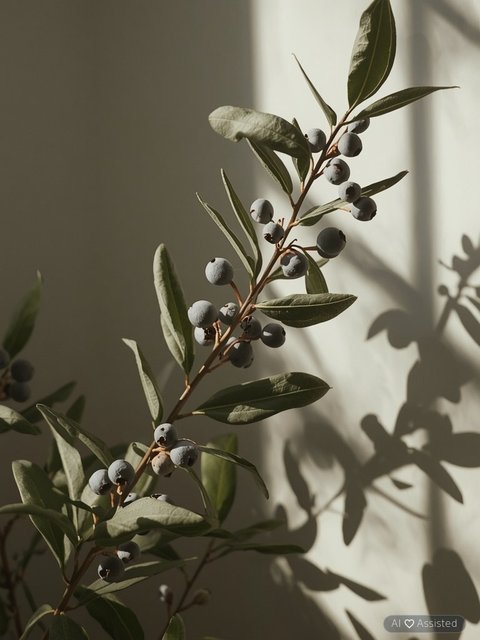
Vegetables and fruits with a characteristic purple hue contain anthocyanins – dyes that have the ability to trap free radicals and are used in the body as natural antioxidants. They seal off blood vessels, primarily capillaries, and also stimulate the production of rhodopsin – a key substance in the vision process. Additionally, they reduce the oxidation of cholesterol, which is an ingredient in blood glucose. It has been observed that the consumption of large amounts of grapes and red wine by the French, which are abundant in anthocyanins, contributes to reducing the risk of coronary disease in their organisms compared to residents of other European countries. It is also important to mention resveratrol, a substance found for instance in the skin of red grapes. This compound exhibits a wide range of biological activity: it has antioxidant, antioxidant, antiangiogenic, and anti-inflammatory properties. It also protects the body from diseases of the circulatory system and prevents the oxidation of LDL cholesterol and platelet aggregation. Food sources: plums, eggplant, red grapes, aronia, black currants, American blueberries, blackberries, berries.
This is white
Fruits and vegetables that are coloured white or grey contain numerous antibacterial components. They strengthen the immune system and lower the total cholesterol level. In addition, they also act antivirally and anti-inflammatory. Garlic, whose main active ingredient is allicin, exhibits antifungal and antimicrobial activity. White vegetables contain sulphur, which helps maintain the proper ratio of LDL and HDL cholesterol. Sulphur is also necessary for the maintenance of good hair and skin condition. Food sources: onion, garlic, shallot, leek, chicory, Chinese cabbage.
To preserve the health advantages of fruits and vegetables, specific guidelines must be adhered to
1. Vegetables and fruits should always be fresh and thoroughly cleaned. They should not be soaked in water as they lose vitamin C. 2. It is recommended to consume the majority of seasonal vegetables and fruits in their raw state. 3. Due to the rapid deterioration of vitamin C, fruits and vegetables should be crushed immediately before consumption, and for picking, cutting and crushing, stainless steel knives and tools should be used. 4. Brief cooking in small quantities of water to prevent further vitamin loss. 5. Avoid contact with air, light and heat of peeled and cut fruits and vegetables. They should always be covered and refrigerated. 6. When selecting canned vegetables, choose those without added salt.

mgr Emilia Szymańska
✓Diets Premium Expert
Diets Premium team expert. Specializes in nutrition plans, strength sports, and training plans.
View Profile →