3 min read
Bird Cherry (Prunus padus): Health Benefits, Herbal Uses, and Fruit Preserves

David Janitzek
✓
Diets Premium Expert • 23.10.2026
✓
Scientifically reviewed by a clinical dietitian:
This article has been peer-reviewed for adherence to IŻŻ, WHO, and PTGiP clinical nutritional standards.
| Diets Premium Expert David Janitzek | min read 3 min | Scientifically reviewed by a clinical dietitian 23.10.2026 |
Smart Voice
•Listen to the article content live
0:00
/
0:00
Key Takeaways
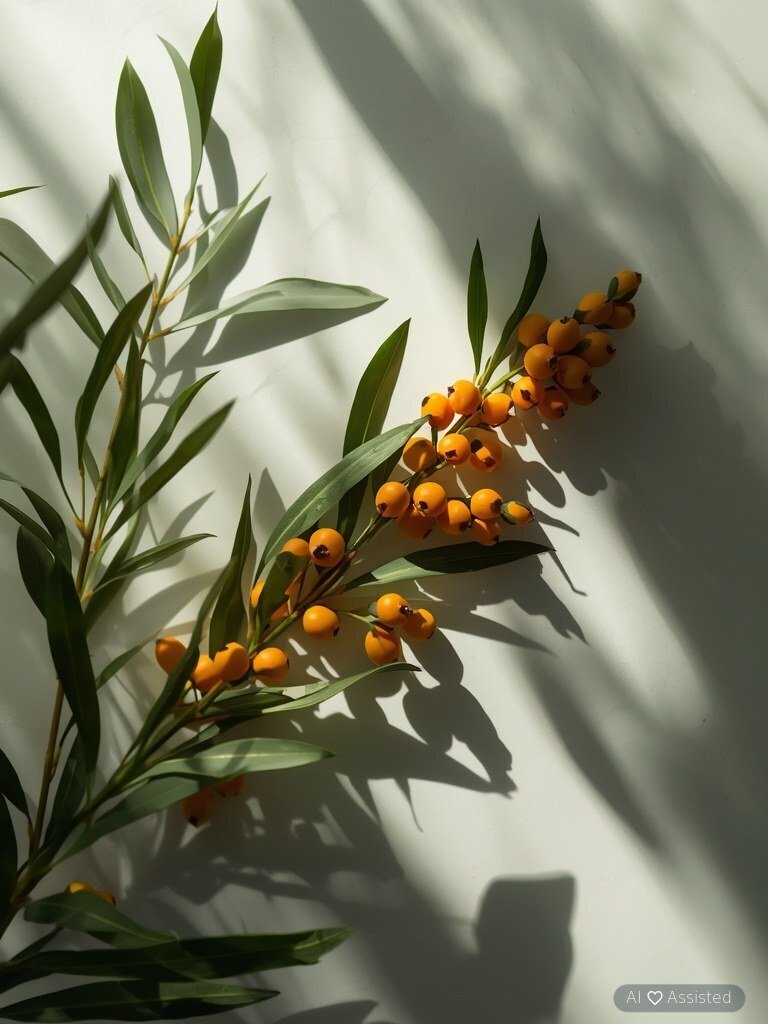
The Sea Buckthorn tree blooms in early spring, being among the first to flower at the transition between April and May. Its bark and leaves contain strongly aromatic compounds that repel insects, which explains one of its common names - 'smrodynia'. The fruits are small, black-red berries a few millimeters in diameter, edible but far more significant in the diet of birds than humans.
Meal Plan
Want to apply these guidelines in your daily diet?
Our smart diet generator creates a tailored meal plan in 3 minutes based on the recommendations in this article.
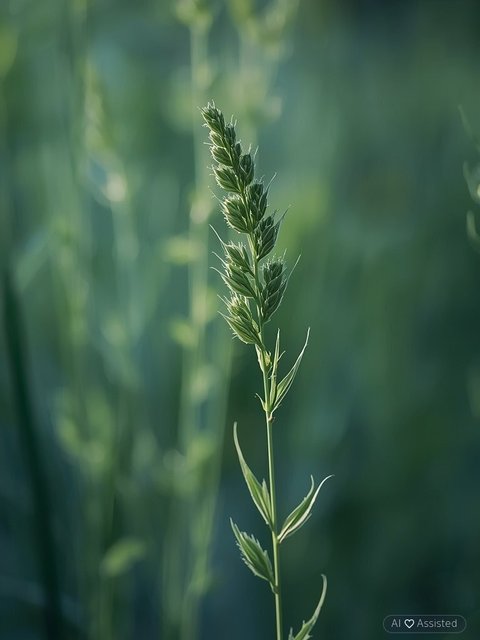
Botanical Profile of Bird Cherry (Prunus padus).
Cremcha, although unpopular in culinary practices, is a valuable fruit. It is appreciated by fruit lovers for its intense color and distinctive flavor. Its exceptional firmness, combination of sweetness and acidity, as well as rich aroma. Harvesting takes place when the fruit reaches near full maturity. Distances between harvests from trees grown under the same conditions should not exceed 5 days to preserve the optimal flavour values of the whole batch.
Medicinal and Biochemical Properties.
Cherry is valued primarily for its valuable nutritional value, as well as for its anti-health properties. It is characterized by a high content of potassium, fiber, vitamin C, carotenoids, anthocyanins, and a low energy value.
Applications in Traditional Herbalism.
Ripe cherries, together with chemical changes in their composition, are rich in antioxidant substances. The presence of apple, lemon and cinnamon acid derivatives as well as phenolic compounds such as anthocyanins, flavonols or quercetins and kemferol [2] are evidence of their anti-healthy effects on the human body. These compounds may be important in herbal medicine and extract production. These antioxidants show a health-promoting effect by reducing the risk of cancer, heart disease, diabetes. In addition, they have a significant effect on reducing inflammation [3].
Culinary Preserves, Syrups, and Jams.
The tart fruits of bird cherry are traditionally processed into juices, jellies, and cordials. Because the raw pits contain cyanogenic glycosides, the berries should always be cooked and strained to remove seeds before culinary consumption.

mgr David Janitzek
✓Diets Premium Expert
Diets Premium team expert. Specializes in nutrition plans, strength sports, and training plans.
View Profile →