4 min read
Common horsetail - Medicinal properties... Common horsetail for consumption

Felix Weber
✓
Diets Premium Expert • 24.09.2026
✓
Scientifically reviewed by a clinical dietitian:
This article has been peer-reviewed for adherence to IŻŻ, WHO, and PTGiP clinical nutritional standards.
| Diets Premium Expert Felix Weber | min read 4 min | Scientifically reviewed by a clinical dietitian 24.09.2026 |
Smart Voice
•Listen to the article content live
0:00
/
0:00
Key Takeaways
Common horsetail has been valued for its medicinal properties for centuries... In recent times, we have seen a significant increase in the number of diseases that negatively affect the quality of life of people around the world and can also lead to death... The prices of pharmaceutical products are rising every year, and the preparations themselves can sometimes be toxic to the body... That is why more and more people are turning to phytotherapy... Common horsetail is one of the plants that is highly valued for its medicinal properties, but also has a much broader application... Read this article and find out more!
Meal Plan
Want to apply these guidelines in your daily diet?
Our smart diet generator creates a tailored meal plan in 3 minutes based on the recommendations in this article.
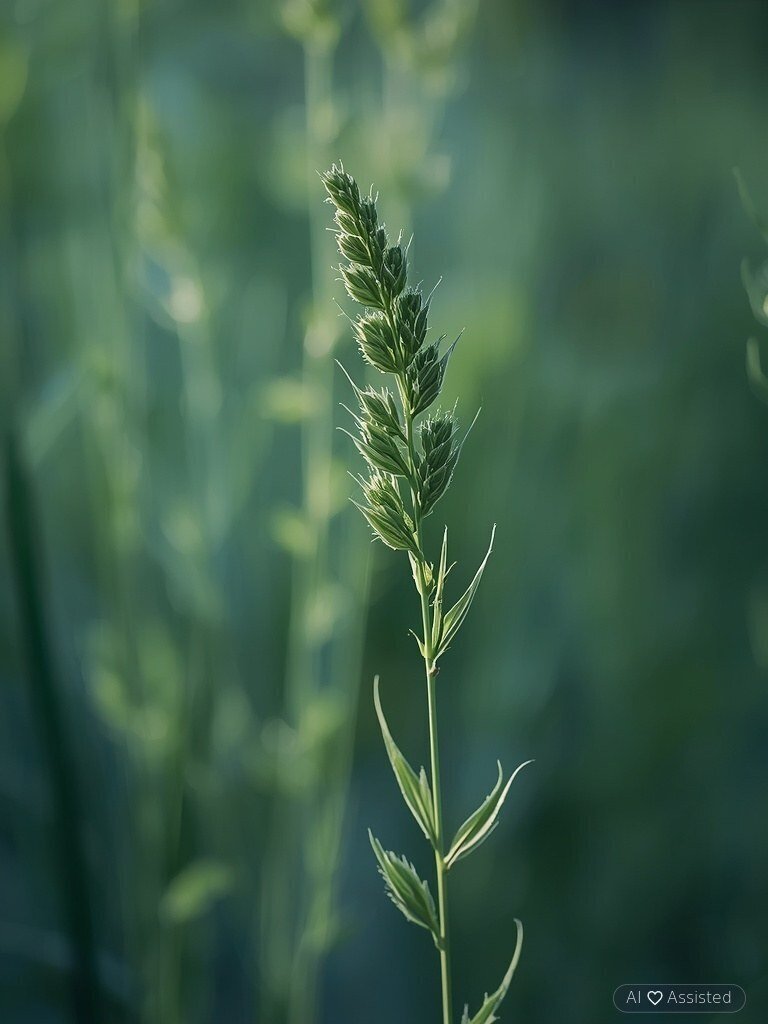
Common horsetail (Equisetum arvense) – botanical profile and phytotherapeutic applications
Common horsetail, scientifically designated as *Equisetum arvense*, represents a rich reservoir of bioactive phytochemicals that underpin its broad spectrum of therapeutic properties. Among its principal constituents are flavonoid glycosides, triterpenoid saponins, phytosterols, specific pyrrolizidine alkaloids, and polyphenolic compounds with documented antioxidant capacity. This plant species exhibits a cosmopolitan distribution, originally inhabiting Arctic and temperate zones of the Northern Hemisphere, with a pronounced presence across Central Europe. Within Polish territories, it is ubiquitously encountered in ruderal and semi-natural habitats—thriving in moist meadows, drainage ditches, along the peripheries of cultivated fields (including potato plantations), beside unpaved roadways, and on railway embankments. Owing to its aggressive colonization of anthropogenic sites, it is frequently categorized as a troublesome agricultural weed. The most valuable medicinal component comprises the aerial stems—*Equiseti herba*—whose curative attributes were already harnessed in traditional medical systems such as anthroposophic medicine. Contemporary research corroborates that horsetail extracts exhibit no toxic impact on renal excretory functions or hepatic metabolism, rendering it a safe adjunct in supportive therapies. Nonetheless, it is imperative to note that sporadic adverse effects may manifest as transient headaches or augmented diuresis. An absolute contraindication for use exists in cases of edema with cardiac or renal etiology, due to the potential exacerbation of fluid retention.
Field horsetail – comprehensive health-promoting and therapeutic properties in natural medicine
Field horsetail, rich in bioactive compounds, exhibits a multitude of beneficial properties, including mild diuretic effects that are particularly valuable in managing bacterial and inflammatory conditions affecting the urinary system. This plant facilitates the excretion of chloride ions via urine while inhibiting crystallization processes, making it an invaluable supplement for individuals suffering from kidney stones. Additionally, its efficacy has been documented in the treatment of edema of various origins—both post-traumatic and static—resulting from venous circulation disorders. Topical applications of horsetail-based preparations accelerate wound healing, including those resistant to conventional therapeutic methods. Research further confirms its ability to lower systolic blood pressure, suggesting its potential as an adjunct therapy for arterial hypertension—a growing civilizational disease. As a potent antioxidant, field horsetail neutralizes free radicals, and its extracts demonstrate hemostatic properties while mildly stimulating hematopoiesis. The anti-inflammatory attributes of this plant are beneficial in alleviating symptoms associated with rheumatic conditions such as arthritis. Current studies are also investigating its role in enhancing bone tissue regeneration by inducing osteoblast proliferation, which may indicate potential applications in osteoporosis prevention. The silica content in field horsetail supports metabolic optimization, strengthens blood vessel walls, and improves the function of internal organs. Moreover, this plant offers cosmetic benefits by fortifying hair and nail structure and enhancing skin elasticity. The latest findings suggest its potential sedative, anticonvulsant effects, as well as its ability to prolong sleep duration. Additionally, field horsetail may be employed to alleviate nasal and pulmonary bleeding and to address excessive foot perspiration by redirecting sweat secretion from the skin surface to the urinary system.
Field horsetail infusion for oral consumption – a natural remedy for health and cosmetic benefits
Field horsetail prepared as an infusion exhibits significantly enhanced absorbability within the digestive tract, a property attributed to the solubility of its silica content. This herbal tea serves as an optimal remedy for addressing issues related to excessively heavy menstrual bleeding. Recipe for field horsetail tea: Ingredients: two teaspoons of dried horsetail herb, freshly boiled hot water. Preparation method: Pour the boiling water over the herb in a vessel, cover, and allow it to steep for approximately fifteen minutes. Subsequently, strain the liquid through a fine sieve or clean cloth. The prepared infusion is recommended for consumption three times daily. Applications: The decoction derived from field horsetail also demonstrates beneficial effects in cases of bleeding caused by hemorrhoids, ulcerative colitis, as well as gastric and duodenal ulcers. Regular use of this herb contributes to improved hair texture, imparting shine, fortifying the nail plate to prevent splitting, and decelerating the skin’s aging processes. In summary, field horsetail is a multifaceted plant with applications spanning both cosmetic and therapeutic domains. Its properties are particularly valuable in the treatment of urinary tract disorders and the management of excessive perspiration. The breadth of its applications and health benefits renders it an indispensable component of any herbal medicine cabinet.
Tags

mgr Felix Weber
✓Diets Premium Expert
Diets Premium team expert. Specializes in nutrition plans, strength sports, and training plans.
View Profile →