3 min read
Yellow Gentian Root Extract. Application and Effects

Julia Wójcik
✓
Diets Premium Expert • 25.09.2026
✓
Scientifically reviewed by a clinical dietitian:
This article has been peer-reviewed for adherence to IŻŻ, WHO, and PTGiP clinical nutritional standards.
| Diets Premium Expert Julia Wójcik | min read 3 min | Scientifically reviewed by a clinical dietitian 25.09.2026 |
Smart Voice
•Listen to the article content live
0:00
/
0:00
Key Takeaways
The rhizomes of yellow fever, a plant valued in phytotherapy for centuries, are often utilised to strengthen digestive processes. However, this plant also boasts several other therapeutic properties.
Meal Plan
Want to apply these guidelines in your daily diet?
Our smart diet generator creates a tailored meal plan in 3 minutes based on the recommendations in this article.
Yellow gentian – therapeutic profile and pharmacological attributes of a high-altitude bitter herb with a distinctive biochemical composition
Yellow gentian (*Gentiana lutea* L.), a member of the Gentianaceae family, has been revered since antiquity for its exceptional medicinal properties within traditional herbal medicine. Naturally occurring primarily in the mountainous regions of Central and Southern Europe, this species is exceedingly rare in Poland, necessitating the importation of its raw material from other European locales. For therapeutic purposes, only the root is employed, as it constitutes a rich reservoir of compounds renowned for their pronounced bitterness. The pharmacological efficacy of this botanical drug stems chiefly from its content of **iridoid glycosides**, with **amarogentin** and **gentiopicroside** distinguished by their extraordinarily high bitterness thresholds. Beyond these signature compounds, gentian root harbors a diverse array of bioactive constituents, including polyphenols, purine alkaloids (notably gentianine), volatile essential oils with a complex aromatic profile, and **xanthones**—natural pigments responsible for the root’s characteristic yellow hue.
Pharmacological properties of bitter root – mechanisms of action and health benefits
The root of bitter herb exhibits a multifaceted and broad-spectrum pharmacological profile, primarily attributable to its active bitter compounds. These bioactive substances enhance appetite by stimulating taste receptors, which in turn triggers secretory processes in the salivary glands and cells responsible for producing digestive fluids in the stomach, pancreas, and intestines. Additionally, the root promotes bile secretion, thereby facilitating lipid metabolism. This mechanism relies on the irritant effect of bitter compounds on nerve endings that govern the release of digestive secretions. Furthermore, polysaccharides present in the root demonstrate immunomodulatory capabilities, reinforcing the body’s defensive responses. Of equal importance are its well-documented antiseptic properties—both antibacterial and antifungal—which expand the potential therapeutic applications of this botanical agent.
Therapeutic applications of gentian root – medicinal properties, usage guidelines, and contraindications
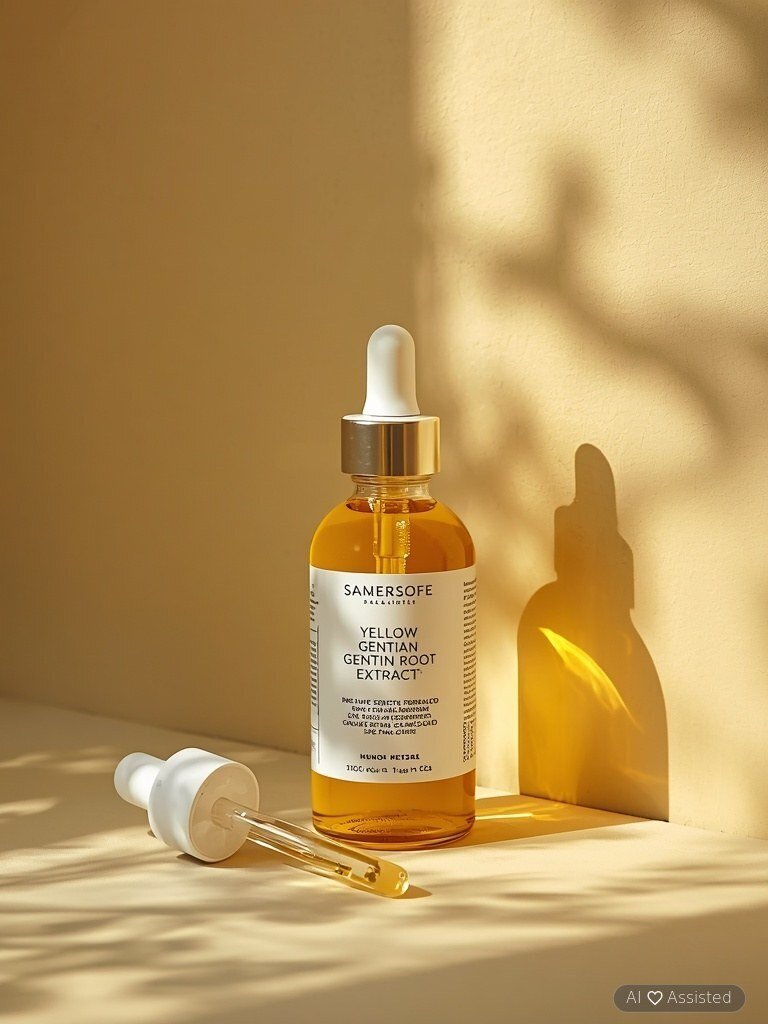
Gentian root, renowned for its bitter principles, is traditionally employed in the management of digestive disorders, including dyspepsia, heartburn, chronic gastritis, and intestinal inflammation, as well as in cases of reduced appetite. Its choleretic properties make it a valuable adjunct in the treatment of hepatic and biliary tract diseases, where it stimulates bile secretion and exhibits anti-inflammatory effects. Additionally, due to its general tonic properties, gentian root is often recommended during convalescence following surgical interventions or severe illnesses. By modulating digestive processes, it may also serve as a supportive agent in weight management, mitigating bloating and preventing intestinal fermentation. Contraindications include peptic ulcer disease, age under 18, pregnancy, and lactation. Potential adverse effects may encompass gastrointestinal discomfort (e.g., nausea), headaches, and, in rare instances, tachycardia or pruritus. Gentian root is available in multiple formulations—dried root for infusions, tinctures, liquid extracts, or capsules—with dosage varying by preparation. Standard guidelines advise against prolonged use beyond two weeks. Owing to its bitter compounds, the plant is primarily utilized as a secretolytic agent in gastrointestinal disorders but may also offer supportive benefits in bacterial and viral infections.
Tags

Julia Wójcik
✓Diets Premium Expert
Diets Premium team expert. Specializes in nutrition plans, strength sports, and training plans.
View Profile →