5 min read
Autumn Upper Respiratory Tract Conditions – Prevention Methods

Emilia Szymańska
✓
Diets Premium Expert • 23.10.2026
✓
Scientifically reviewed by a clinical dietitian:
This article has been peer-reviewed for adherence to IŻŻ, WHO, and PTGiP clinical nutritional standards.
| Diets Premium Expert Emilia Szymańska | min read 5 min | Scientifically reviewed by a clinical dietitian 23.10.2026 |

Smart Voice
•Listen to the article content live
0:00
/
0:00
Key Takeaways
The autumn season brings significant temperature drops, fluctuating air humidity, and heightened exposure to viral and bacterial pathogens. Upper respiratory tract conditions, including rhinitis, pharyngitis, and laryngitis, represent a widespread seasonal health challenge. This article provides comprehensive, evidence-based preventive strategies—ranging from cold adaptation and lifestyle habits to immune-supporting nutrition and targeted phytotherapy.
Meal Plan
Want to apply these guidelines in your daily diet?
Our smart diet generator creates a tailored meal plan in 3 minutes based on the recommendations in this article.
Etiology of Autumn Upper Respiratory Infections: Pathogens, Climate Shifts, and Mucosal Immunity
The seasonal surge in respiratory infections during autumn stems from an interplay of environmental and physiological factors. Decreasing outdoor temperatures paired with artificial indoor heating drastically lowers relative humidity, dehydrating the ciliated respiratory epithelium within the nasal cavity. Compromised mucociliary clearance facilitates the adhesion and entry of rhinoviruses, adenoviruses, and influenza pathogens. Concurrently, breathing cold air triggers localized vasoconstriction in upper mucosal tissues, curtailing the localized migration of immunocompetent leukocytes and secretory immunoglobulin A (sIgA).
Cold Hardening and Lifestyle Habits: Thermoregulation, Restorative Sleep, and Mucosal Hygiene
Evidence-based cold hardening involves gradual, systematic exposure to mild thermal stimuli, conditioning vascular responsiveness and sympathetic nervous system adaptability. Beneficial practices include alternating hot and cold showers, daily outdoor physical activity without excessive layering, and keeping indoor bedroom temperatures around 18–20°C. Restorative sleep spanning 7–8 hours is equally non-negotiable; slow-wave sleep serves as the primary window for cytokine production and immune cell reconstitution. Daily hygiene should emphasize rigorous hand sanitation and regular hydration of the nasal mucosa using isotonic saline sprays or ectoine solutions.
Immune-Boosting Nutrition: Essential Micronutrients, Vitamin C, D3, Zinc, and Selenium
A targeted autumn diet underpins cell-mediated and humoral immunocompetence. Vitamin D3, minimally synthesized cutaneous exposure during autumn and winter, demands routine supplementation adjusted to circulating 25(OH)D levels, as it orchestrates antimicrobial peptide (cathelicidin) expression. Zinc and selenium, abundant in pumpkin seeds, eggs, and seafood, are indispensable cofactors for T-cell proliferation and enzymatic antioxidant defenses. Dietary vitamin C derived from fermented vegetables, rosehips, bell peppers, and sea buckthorn attenuates infectious duration, while probiotic cultures from fermented dairy and sauerkraut reinforce the gut microbiome, which houses roughly 70% of the body’s lymphoid tissue.
Phytotherapy and Herbal Extracts for Prevention: Elderberry, Garlic, and Ginger
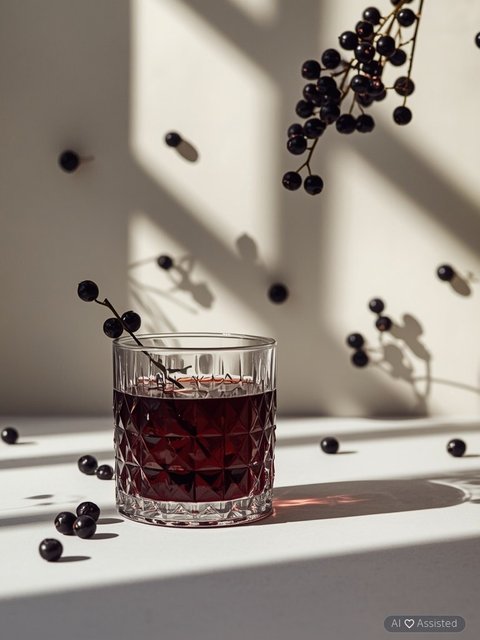
Time-honored botanical remedies continue to receive validation from modern pharmacological research. Black elderberry (*Sambucus nigra*) extracts supply anthocyanins and flavonoids that inhibit viral surface glycoproteins, effectively impeding pathogen adherence to respiratory epithelial cells. Freshly crushed garlic yields allicin—a potent organosulfur compound exerting broad-spectrum antimicrobial and antiviral actions. Infusions of fresh ginger root, enriched with raw honey and lemon juice (blended below 45°C to preserve bioactive enzyme integrity), offer soothing warmth, ease bronchial congestion, and reduce local inflammation, serving as an effective domestic preventive protocol.
Tags

mgr Emilia Szymańska
✓Diets Premium Expert
Diets Premium team expert. Specializes in nutrition plans, strength sports, and training plans.
View Profile →