4 min czytania
Koji – cechy, produkcja i zastosowanie fermentowanego ryżu

Laura Schneider
✓
Ekspert Diets Premium • 25.09.2026
✓
Zweryfikowane merytorycznie przez dietetyka klinicznego:
Treść artykułu została zweryfikowana pod kątem zgodności z normami żywieniowymi IŻŻ, WHO oraz standardami klinicznymi PTGiP.
| Ekspert Diets Premium Laura Schneider | min czytania 4 min | Zweryfikowane merytorycznie przez dietetyka klinicznego 25.09.2026 |

Odtwarzacz głosowy
•Odsłuchaj treść artykułu na żywo
0:00
/
0:00
Najważniejsze fakty w pigułce
Zdrowotne kultury japońskie pod postacią fermentowanego ryżu nie są powszechnie znane. Tradycyjne wytwarzanie koji polega na zastosowaniu konkretnego szczepu drożdży, wywołującego fermentację mlekową w ugotowanym na parze ryżu. Dzięki temu procesowi uwolnione zostają unikalne cechy ze zwykłego produktu, a on sam zostaje uznany za interesujący i niezwykle smaczny. Kiszony ryż cieszy się w ten sposób uznaniem zarówno miłośników eksperymentowania kulinarnych, jak i osób zainteresowanych cennymi, ale niebanalnymi produktami z innych kultur. Poznajmy koji.
Plan Żywieniowy
Chcesz wdrożyć te zasady w codziennej diecie?
Nasz inteligentny generator ułoży dla Ciebie zbilansowany jadłospis w 3 minuty, uwzględniając zalecenia z tego artykułu.
Koji – Japanese rice fermented with *Aspergillus oryzae* mold cultures and its health-promoting properties
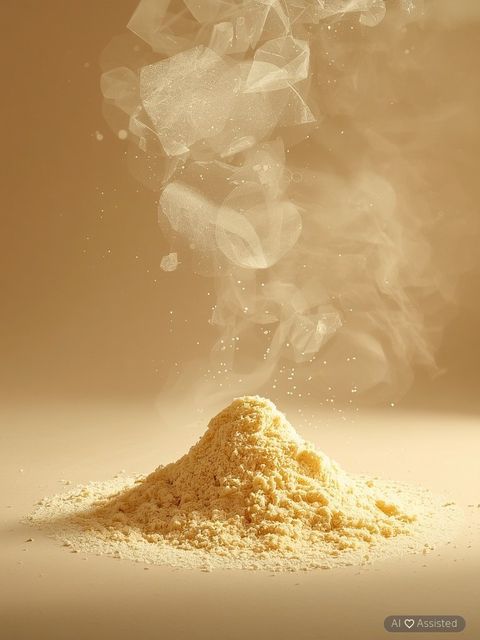
The term "koji" originates from Japanese and etymologically refers to "grains inoculated with microbial culture," specifically molds of the *Aspergillus oryzae* species. This ancient fermentation technique, which traces its roots to the Land of the Rising Sun, involves subjecting steam-cooked rice to colonization by specialized fungal strains. The outcome of this intricate biochemical process is a product with a distinctive nutritional profile, abundant in bioactive compounds, B-complex vitamins (including folic acid), essential amino acids, as well as proteolytic and amylolytic enzymes. Owing to its high concentration of constituents with evidence-based health benefits—including potential antioxidant, immunomodulatory, and digestive-supportive properties—koji is frequently categorized among so-called superfoods. Notably, its signature umami-rich flavor profile ensures that it serves not only as a valuable dietary supplement but also as a culinary ingredient that enhances dishes with depth of taste.
Koji: Distinctive Properties and Health Benefits of Fermented Rice
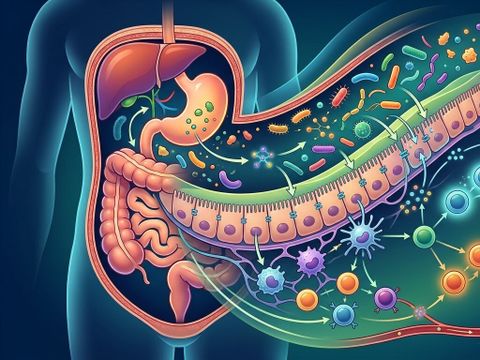
Fermented koji rice, produced through the action of specialized yeast strains such as *Monascus purpureus*, is distinguished by a rich array of bioactive compounds generated during a complex biochemical process. As microorganisms metabolize rice starch, they yield a variety of metabolites—including organic acids, vitamins, and free amino acids—that impart the product with a unique flavor and health-promoting properties. Research confirms its beneficial effects on digestive health, lipid profiles, and immune function, making it a valuable dietary addition for individuals with metabolic disorders and cardiovascular diseases.
Traditional preparation method for *koji* fermented rice using *Monascus purpureus* yeast strains
The production technique for *koji*—a fermented red rice variant—relies on centuries-old, unaltered protocols rooted in long-standing culinary traditions. The primary substrate consists of distinct red-hued rice, subjected to precise steam treatment to achieve optimal texture and moisture content. Following this preparation, the rice surface is inoculated with live microbial cultures of the species *Monascus purpureus*, a group of specialized yeast strains renowned for their robust fermentative capabilities. After the uniform distribution of these strains across the entire rice mass, a thorough blending process ensures the creation of a homogeneous medium. The prepared mixture is then incubated under tightly controlled thermal conditions—typically at temperatures conducive to enzymatic activity—for approximately thirty-six to forty-eight hours. Throughout this period, the microorganisms facilitate intricate biochemical transformations: starch molecules undergo enzymatic hydrolysis, organic acids are synthesized, a spectrum of B-complex vitamins is generated, and specialized proteolytic and amylolytic enzymes are secreted. These bioactive compounds exhibit well-documented health-promoting properties, including digestive system support, lipid metabolism regulation, and antioxidant effects.
Koji – Culinary Applications, Tradition, and Cardiovascular Health Benefits
Koji exhibits an intriguing, delicately sweet, and nutty flavor profile rich in deep umami notes. In traditional Japanese gastronomy, it serves as the irreplaceable cornerstone for brewing soy sauce (shoyu), fermenting artisanal miso paste, producing rice vinegar, and crafting nourishing fermented beverages like amazake and sake. Across contemporary clinical nutrition, foods cultured with koji are gaining worldwide acclaim for their distinct therapeutic and sensory attributes. Consistent dietary incorporation of koji-fermented products provides substantial cardiovascular support: bioactive metabolites generated during fermentation (such as naturally occurring monacolin K) help modulate serum total cholesterol and atherogenic LDL fractions. Additionally, specialized enzymes in koji enhance the bioavailability of dietary non-heme iron and zinc, while microbial metabolites fortify the mucosal intestinal barrier and prime systemic immune resilience. Integrating koji-based staples into daily meals enriches nutrient density and broadens culinary variety.

Laura Schneider
✓Ekspert Diets Premium
Ekspert zespołu Diets Premium. Specjalizuje się w planach żywieniowych, sportach siłowych oraz planach treningowych.
Zobacz profil →