Czynniki prowadzące do zaparć oraz strategie ich niefarmakologicznego leczenia: dieta, błonnik i styl życia

| Ekspert Diets Premium Wojciech Wiśniewski | min czytania 3 min | Zweryfikowane merytorycznie przez dietetyka klinicznego 23.10.2026 |

Odtwarzacz głosowy
•Odsłuchaj treść artykułu na żywo
Zaparcia czynnościowe stanowią jeden z najczęstszych problemów gastroenterologicznych we współczesnych społeczeństwach, dotykający nawet 15–20% populacji ogólnej, ze szczególnym nasileniem u kobiet oraz osób w podeszłym wieku. Schorzenie to charakteryzuje się zbyt małą częstotliwością wypróżnień (mniej niż 3 razy w tygodniu), oddawaniem twardego, zbitego stolca, koniecznością nadmiernego parcia oraz uczuciem niepełnego wypróżnienia. Choć zaparcia mogą być objawem chorób organicznych lub skutkiem ubocznym przyjmowanych leków, w przeważającej większości przypadków wynikają z błędów dietetycznych, niedoboru błonnika, chronicznego odwodnienia oraz siedzącego trybu życia.
Chcesz wdrożyć te zasady w codziennej diecie?
Nasz inteligentny generator ułoży dla Ciebie zbilansowany jadłospis w 3 minuty, uwzględniając zalecenia z tego artykułu.
Physiology of Colonic Motility and Rome IV Diagnostic Criteria
Physiological defecation requires synchronized colonic peristalsis, abdominal wall contraction, and pelvic floor muscle relaxation. Under the established Rome IV clinical criteria, functional constipation is formally diagnosed when symptoms persist for at least 3 months (with onset at least 6 months prior) and encompass two or more of the following features during at least 25% of defecations: straining, lumpy or hard stools (Bristol Stool Scale 1–2), sensation of incomplete evacuation, sensation of anorectal obstruction/blockage, manual maneuvers to facilitate defecation, and fewer than three spontaneous bowel movements per week. Loose stools are rarely present without laxatives, and criteria for irritable bowel syndrome are insufficient.
Primary Etiological Drivers: Dietary Deficits, Hypohydration, and Inactivity
The predominant driver of constipation is the typical Western ultra-processed diet, characterized by refined starches, excessive animal fats, and critically low plant fiber. Insufficient stool volume deprives the colonic myenteric plexus of mechanoreceptor stretch stimulation, markedly decelerating transit times. Chronic hypohydration compounds this issue: when water intake is insufficient, the colon maximizes water reabsorption to preserve systemic homeostasis, producing desiccated, impacted feces. Furthermore, sedentary behaviors weaken abdominal and diaphragmatic muscular tone, while habitual suppression of the defecation urge (due to social discomfort or busy schedules) progressively blunts normal rectal sensory compliance and neuromuscular responsiveness.
The Role of Dietary Fiber: Soluble vs. Insoluble Fractions in Stool Dynamics
Effective dietary resolution of constipation demands 25–35 g of total dietary fiber daily, balancing both structural categories. Insoluble fiber (cellulose, lignin—predominant in wheat bran, whole grains, raw vegetables, and fruit skins) functions mechanically: it resists fermentation, mechanically stimulates colonic mucosa, increases fecal bulk, and accelerates transit. Soluble fiber (pectin, beta-glucan, psyllium husk—found in oats, barley, apples, legumes, chia seeds, and ground flaxseed) forms a cohesive, water-binding viscous gel that softens stool consistency and facilitates frictionless transit. Crucially, fiber intake must be scaled incrementally and strictly accompanied by generous hydration (at least 2–2.5 L of water daily); fiber without water paradoxically aggravates impaction.
Gut Microbiota, Prebiotics, and Functional Foods for Bowel Regularity
Colonic microflora ferment soluble fibers and resistant starch into short-chain fatty acids (SCFAs), predominantly butyrate, propionate, and acetate. Butyrate fuels colonocyte integrity, lowers luminal pH, and stimulates enteric prokinetic contractions. An anti-constipation diet should actively feature prebiotics: inulin (found in chicory root, Jerusalem artichoke, leeks, garlic), fermented dairy cultures (kefir, live probiotic buttermilk), and traditional lacto-fermented vegetables (sauerkraut, kimchi). Furthermore, prunes (dried plums) and prune juice act as potent natural prokinetics owing to their high concentration of sorbitol—a non-absorbable sugar alcohol exerting a gentle osmotic effect that draws water into the stool matrix—alongside gentle flaxseed mucilage infusions.
Defecation Ergonomics (The Squatting Stool), Physical Activity, and Bowel Habits
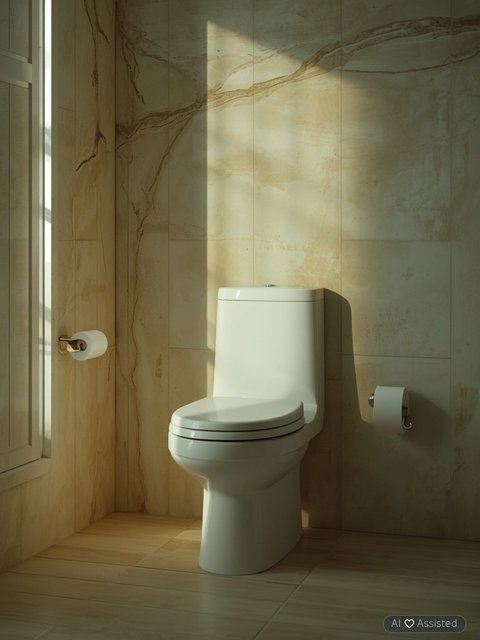
A pivotal yet frequently neglected element in overcoming chronic constipation is defecation biomechanics. The standard modern sitting posture on conventional toilets creates a 90-degree anorectal angle, causing the puborectalis muscle to pinch the rectum and necessitating intense, dangerous straining. Utilizing a footstool (squatting stool, approx. 15–20 cm high) elevates knees above hips into an anatomical 35-degree squatting angle. This completely relaxes the puborectalis sling and straightens the anorectal canal, facilitating smooth, gravity-assisted evacuation. Patients should cultivate consistent morning bowel routines—leveraging the gastrocolic reflex after breakfast or a glass of warm water—coupled with regular aerobic exercise (walking, cycling, yoga) to enhance visceral tone.

Wojciech Wiśniewski
✓Ekspert Diets Premium
Ekspert zespołu Diets Premium. Specjalizuje się w planach żywieniowych, sportach siłowych oraz planach treningowych.
Zobacz profil →