2 min read
Red Meat and Health: Facts, Myths, and Differences Between Fresh and Processed Meat

Isabella Taylor
✓
Diets Premium Expert • 23.10.2026
✓
Scientifically reviewed by a clinical dietitian:
This article has been peer-reviewed for adherence to IŻŻ, WHO, and PTGiP clinical nutritional standards.
| Diets Premium Expert Isabella Taylor | min read 2 min | Scientifically reviewed by a clinical dietitian 23.10.2026 |
Smart Voice
•Listen to the article content live
0:00
/
0:00
Key Takeaways
Red meat is one of the most debated foods in modern nutrition. However, contemporary nutritional science clearly distinguishes fresh, unprocessed meat from ultra-processed meats. Discover the true nutritional value of red meat and guidelines for healthy, balanced consumption.
Meal Plan
Want to apply these guidelines in your daily diet?
Our smart diet generator creates a tailored meal plan in 3 minutes based on the recommendations in this article.
Unprocessed vs. Processed Meat: A Critical Distinction
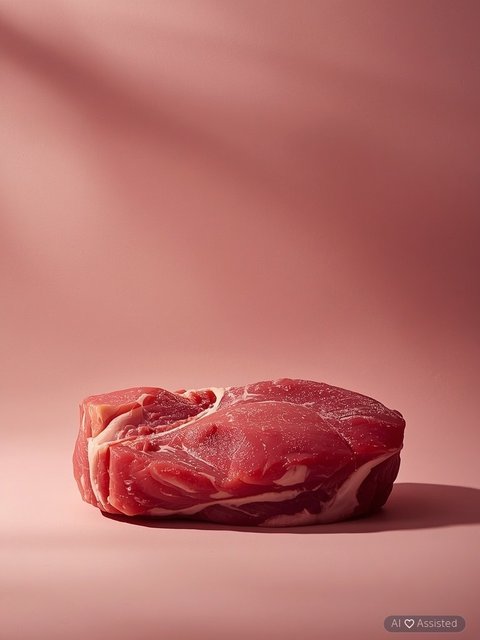
In nutritional discourse, 'red meat' is frequently lumped into an oversimplified single category. Rigorous science demands a clear distinction between fresh, unprocessed meat (such as beef, veal, pork, and lamb) and industrially processed meats (sausages, bacon, hot dogs, and cured deli meats). Landmark studies by the Karolinska Institutet and Harvard School of Public Health demonstrate that ultra-processed meat products—laden with nitrites, nitrosamines, phosphates, and excessive sodium—drive the observed statistical risks of cardiovascular disease and colorectal malignancies. Fresh, culinary cuts consumed in moderation do not share this pathogenic risk profile.
Nutritional Density: Heme Iron, Vitamin B12, and Complete Protein
Red meat stands as one of the most nutrient-dense foods available in the human diet. It delivers bioavailable heme iron with absorption rates reaching 20% to 30% (compared to 2% to 5% for non-heme plant iron), making it unmatched in preventing iron-deficiency anemia. It is also the foremost dietary source of vitamin B12 (cobalamin), indispensable for red blood cell formation and neurological health, alongside highly bioavailable zinc. Furthermore, red meat offers complete protein with optimal branched-chain amino acids (BCAAs) and functional compounds such as creatine, carnosine, and taurine that power muscular and cellular recovery.
Cardiovascular Impact and Cholesterol in the Light of Rigorous Science
Traditional skepticism regarding red meat centered heavily around saturated fats and dietary cholesterol. Contemporary lipidology reveals that approximately one-third of the saturated fat in lean beef is stearic acid, which rapidly converts in the liver into heart-healthy oleic acid without raising LDL cholesterol. Another 40% to 50% consists of monounsaturated fatty acids identical to those in olive oil. When lean red meat is consumed as part of a varied whole-food diet rich in fiber, vegetables, and antioxidants, it does not elevate cardiovascular risk or harm healthy lipid parameters.
Guidelines for Healthy, Balanced, and Sustainable Meat Consumption
To reap the greatest nutritional rewards from red meat, moderation and gentle culinary techniques are paramount. Global dietary authorities recommend limiting cooked red meat consumption to 350 to 500 grams weekly (roughly 1 to 2 balanced meals per week). Prioritize lean, pasture-raised cuts (such as tenderloin, eye of round, or lean loin) from trusted suppliers. In preparation, avoid charring over open flames or deep-frying, which generate heterocyclic amines (HCAs) and polycyclic aromatic hydrocarbons (PAHs). Instead, employ gentle braising, slow-roasting, or stewing paired with abundant fresh vegetables.

Isabella Taylor
✓Diets Premium Expert
Diets Premium team expert. Specializes in nutrition plans, strength sports, and training plans.
View Profile →