1 min read
Seitan, the "Wheat Meat" – Nutritional Profile, Preparation, and Culinary Uses

Emilia Szymańska
✓
Diets Premium Expert • 23.10.2026
✓
Scientifically reviewed by a clinical dietitian:
This article has been peer-reviewed for adherence to IŻŻ, WHO, and PTGiP clinical nutritional standards.
| Diets Premium Expert Emilia Szymańska | min read 1 min | Scientifically reviewed by a clinical dietitian 23.10.2026 |
Smart Voice
•Listen to the article content live
0:00
/
0:00
Key Takeaways
Transitioning to a vegetarian or vegan lifestyle frequently comes with cravings for the savory umami depth and fibrous texture of traditional meat dishes. Seitan—a high-protein food derived from washed wheat gluten, known in Asian culinary traditions for over a millennium as 'wheat meat' or mianjin—offers an extraordinary plant-based solution. Boasting an exceptional protein concentration (up to 75% in dry gluten) with practically zero saturated fat or cholesterol, its porous texture readily absorbs broths and seasonings. This definitive guide explores seitan's ancient Buddhist heritage, step-by-step flour washing preparation, amino acid completeness, culinary techniques, and clinical contraindications for gluten-sensitive individuals.
Meal Plan
Want to apply these guidelines in your daily diet?
Our smart diet generator creates a tailored meal plan in 3 minutes based on the recommendations in this article.
Origins and Heritage: From Ancient Buddhist Monasteries to Modern Plant-Based Cuisine
The historical lineage of seitan dates back to 6th-century China during the Song Dynasty. Practicing Mahayana Buddhist monks, adhering to strict tenets of ahimsa (non-harm to all sentient life) and vegetarianism, sought satisfying dietary protein sources featuring satisfying mouthfeel. They discovered that repetitively kneading and washing whole wheat flour dough under cold running water washed away soluble starches, leaving behind a resilient, elastic mass of insoluble protein designated mianjin ('wheat gluten' or 'flour tendon'). This technique spread to Japan, becoming an artisanal staple in Buddhist Zen temple cuisine (shojin ryori). The modern descriptor 'seitan' was coined in the early 1960s by George Ohsawa, the Japanese founder of the macrobiotic philosophy, combining 'sei' (pure, authentic) and 'tan' (from tanpaku, meaning protein). Today, seitan has become a global staple in plant-based dining as a prime textural alternative to mammalian meats.
How Seitan Is Made: The Traditional Step-by-Step Flour Washing Process
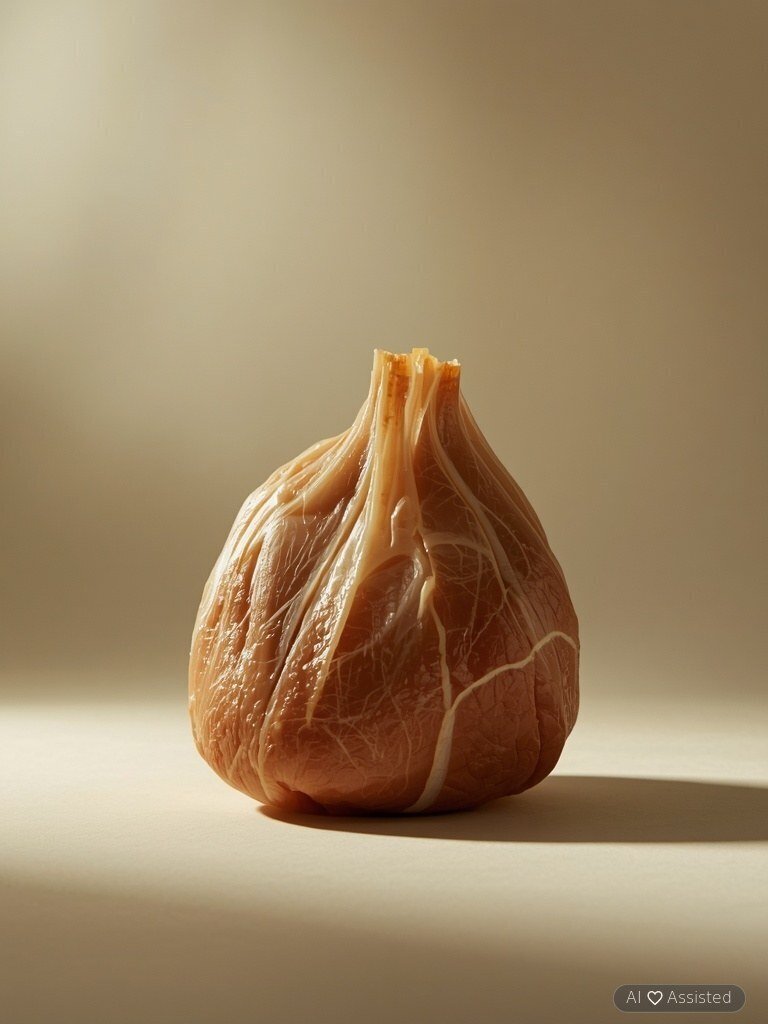
Crafting authentic seitan in a home kitchen is an engaging demonstration of protein chemistry. The starting material is unbleached high-protein hard wheat flour (such as bread flour, strong Manitoba, or spelt) and warm water. Step 1: Dough Formation – flour and water are kneaded into a smooth, pliable dough ball, then rested for 30–60 minutes to permit extensive hydration and disulfide cross-linking of gluten polymers. Step 2: Starch Extraction – the dough ball is submerged in a bowl of cold water and rhythmically kneaded under the surface. The water turns opaque and milky as starch granules are liberated. Water is discarded and replenished across 4 to 6 cycles until the effluent runs almost entirely clear. What remains is a fibrous, rubbery mass consisting strictly of gliadin (elasticity) and glutenin (cohesive structure). Step 3: Modern Short-Cut – contemporary culinary cooks often utilize commercial 'vital wheat gluten' flour, simply hydrating the powder with liquid seasoning to bypass the manual washing phase entirely.
Nutritional Profile and Amino Acid Scoring: Protein Quality and Complementarity with Legumes
In terms of macronutrient density, cooked seitan is a true protein powerhouse. A 100 g cooked portion typically yields 20 to 25 g of protein (and up to 75 g in dried vital wheat gluten), paired with a mere 1.5 g of lipids, 3 to 5 g of carbohydrates, and around 120–140 kcal. It is naturally void of dietary cholesterol and saturated fatty acids. However, a rigorous clinical evaluation requires analyzing its amino acid profile. Wheat gluten is exceptionally concentrated in glutamic acid and proline, but its biological utilization is bottlenecked by a single limiting essential amino acid: lysine. Consequently, isolated seitan possesses an imperfect digestible indispensable amino acid score (DIAAS). To achieve complete protein adequacy, seitan should be routinely paired with lysine-rich plant foods: legumes, fermented soy (tamari, shoyu), or nutritional yeast. The traditional practice of simmering seitan in soy-rich broths was an intuitive nutritional masterstroke ensuring amino acid completeness.
Culinary Applications: Simmering in Rich Broths, Marinating, Roasting, and Searing
Raw washed gluten is inherently neutral in flavor; however, its cellular, fibrous matrix acts as an exceptional sponge for marinades and seasonings. The foundational preparatory step involves gently simmering the raw gluten in an aromatic court-bouillon for 45 to 60 minutes. The broth typically integrates naturally brewed soy sauce, fresh ginger, crushed garlic, shiitake mushrooms, allspice, bay leaves, and kombu sea kelp—delivering natural glutamates for intense umami depth. Crucially, the poaching broth must never vigorously boil, as rolling bubbles create spongy, cavernous air pockets rather than a firm, cohesive, fibrous meat-like texture. Once poached and chilled, seitan can be sliced, shredded, or diced, then roasted, pan-seared into steaks, skewered for kebabs, or incorporated into rich stews. Blending cooked cannellini beans or silken tofu into the raw dough yields a softer, tender poultry-like mouthfeel.
Safety and Contraindications: Celiac Disease, Wheat Allergy, and Digestive Tolerance
Despite its culinary versatility and exceptional protein concentration, seitan is categorically unsuitable for certain populations. As virtually pure, isolated wheat gluten, it is strictly and permanently contraindicated for individuals diagnosed with celiac disease, IgE-mediated wheat allergy, or non-celiac gluten sensitivity (NCGS). Ingesting even microscopic traces of seitan by a celiac patient triggers severe mucosal atrophy and systemic autoimmune inflammation. For healthy individuals without gluten-related disorders, seitan is completely safe, easily digestible, and well-tolerated. Nonetheless, dietary variety remains paramount: relying exclusively on seitan as a sole plant-based protein source can induce nutritional monotony. An optimal plant-forward diet embraces protein rotation: incorporating seitan alongside tempeh, fermented tofu, lentils, chickpeas, and seeds to foster robust metabolic diversity.

mgr Emilia Szymańska
✓Diets Premium Expert
Diets Premium team expert. Specializes in nutrition plans, strength sports, and training plans.
View Profile →