Infectious Mononucleosis Syndrome: Clinical Manifestations, Therapeutic Protocols, Dietary Care, and Sample Meal Plans

| Diets Premium Expert Felix Weber | min read 5 min | Scientifically reviewed by a clinical dietitian 23.10.2026 |

Smart Voice
•Listen to the article content live
Infectious mononucleosis is an acute viral pathology attributable in over 90% of presentations to the Epstein-Barr virus (EBV). While predominantly benign in early childhood, adolescent and adult onsets frequently provoke severe exudative tonsillopharyngitis, pronounced lymphadenopathy, prolonged pyrexia, and hepatosplenomegaly. Given the critical risks of traumatic splenic rupture and transient hepatocellular injury, physical convalescence paired with structured clinical nutrition is paramount. This review outlines differential diagnostics, supportive pharmacology, and tailored dietary meal plans.
Want to apply these guidelines in your daily diet?
Our smart diet generator creates a tailored meal plan in 3 minutes based on the recommendations in this article.
Infectious Mononucleosis – EBV Virology and Transmission Dynamics
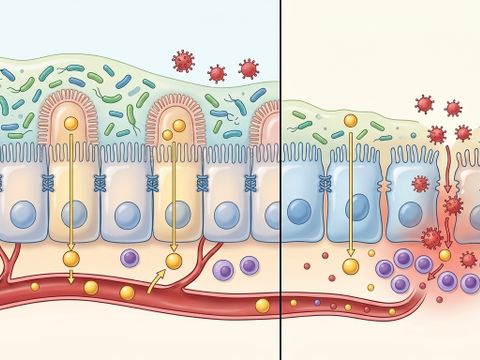
Epstein-Barr virus (EBV), a member of the human gammaherpesvirus subfamily (HHV-4), is transmitted via salivary contact—accounting for the colloquial moniker 'the kissing disease'. Its incubation phase spans 30 to 50 days. Following primary replication within oropharyngeal epithelial tissues, EBV infects circulating naive B lymphocytes, stimulating a robust cytotoxic CD8+ T-cell proliferation recognizable as atypical mononuclear Downey cells.
Mononucleosis – Clinical Signs and Organ System Complications
In adolescents and adults, acute clinical presentation is typically pronounced:
- Severe exudative pharyngotonsillitis causing intense odynophagia and dysphagia.
- Symmetric posterior cervical and submandibular lymphadenopathy.
- Remittent fever (39–40°C) lasting 10 to 21 days.
- Splenomegaly and hepatomegaly, accompanied by transaminase elevations (ALT/AST) in approximately 80% of clinical cases.
- Protracted post-viral fatigue syndrome extending for multiple weeks or months.
Medical Management, Splenic Rupture Risks, and Antibiotic Warnings
Targeted antiviral therapies (such as acyclovir) suppress viral shedding but fail to significantly hasten symptomatic resolution; hence, management remains strictly supportive. Analgesics, antipyretics (acetaminophen, ibuprofen), and adequate hydration represent the standard of care.
Critical clinical warning: Inadvertent prescription of amoxicillin or ampicillin elicits an extensive, intensely pruritic morbilliform drug eruption in nearly all patients. Splenomegaly necessitates strict avoidance of heavy lifting, contact sports, and vigorous physical exertion for 4–6 weeks to avert catastrophic splenic rupture.
Dietary Principles – Hepatic Protection and Immune Support
Nutritional intervention is foundational to accelerate hepatic recovery and alleviate swallowing difficulties:
- Hepatic sparing: Strict avoidance of fried items, trans fats, and ultra-processed foods. Focus on easily digestible complex carbohydrates and lean bioavailable protein (poultry breast, cod, egg whites).
- Mechanical texture: During acute dysphagia, meals should be lukewarm or chilled and puréed (blended vegetable soups, smoothies, soft mashes) to reduce mechanical friction.
- Hydration and micronutrients: Minimum 2.5 liters of fluids daily, integrating polyphenol-rich berry juices, chamomile infusions, and electrolyte solutions.
Sample Therapeutic Meal Plan for Mononucleosis Convalescence
A structured convalescent menu designed for easy swallowing and liver regeneration:
- Breakfast: Gentle rolled oats cooked in water, blended with natural low-fat yogurt, stewed apple puree, and ceylon cinnamon.
- Mid-morning Snack: Antioxidant smoothie featuring ripe banana, wild blueberries, and unsweetened oat beverage.
- Lunch: Steamed turkey breast meatballs in dill sauce, accompanied by silky potato mash and steamed sweet carrots.
- Afternoon Snack: Baked spiced apple stuffed with low-fat farmer's cheese and natural raw honey.
- Dinner: Velvety zucchini and parsnip cream soup served with toasted spelt croutons and extra virgin olive oil drizzle.
Tags

mgr Felix Weber
✓Diets Premium Expert
Diets Premium team expert. Specializes in nutrition plans, strength sports, and training plans.
View Profile →