Gout (Metabolic Arthritis) – Etiology, Clinical Stages, and Low-Purine Diet

| Diets Premium Expert Oliwia Kaczmarek | min read 3 min | Scientifically reviewed by a clinical dietitian 23.10.2026 |
Smart Voice
•Listen to the article content live
Gout is a severe crystal-induced metabolic arthritis caused by monosodium urate crystal deposition in joints and periarticular tissues. This clinical guide covers hyperuricemia etiology, the four distinct disease stages, pharmacotherapy, and evidence-based low-purine dietary management.
Want to apply these guidelines in your daily diet?
Our smart diet generator creates a tailored meal plan in 3 minutes based on the recommendations in this article.
Pathophysiology of Gout and Hyperuricemia
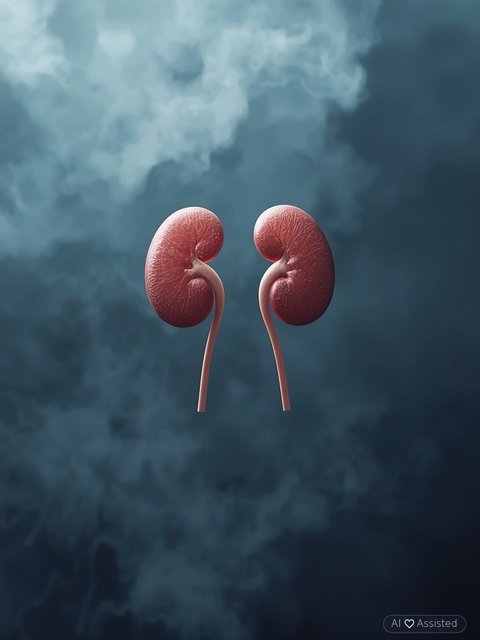
Gout is an inflammatory metabolic arthropathy driven by sustained elevated serum uric acid (>6.8 mg/dL or 404 µmol/L, hyperuricemia). Uric acid represents the end product of purine nucleotide degradation:
- When saturation limits are breached, supersaturated monosodium urate (MSU) crystals precipitate in synovial fluid and avascular articular cartilage.
- MSU crystals activate the macrophage NLRP3 inflammasome, unleashing potent interleukin-1-beta driven inflammatory flares.
The 4 Clinical Stages of Gout
Clinical progression evolves across four distinct phases:
- 1. Asymptomatic Hyperuricemia: Elevated serum urate without clinical arthritis (can endure for decades).
- 2. Acute Gouty Arthritis: Abrupt nocturnal onset of agonizing pain, typically in the first metatarsophalangeal joint (podagra), accompanied by erythema, heat, and swelling.
- 3. Intercritical Gout: Symptom-free intervals between acute flares; silent crystal accumulation persists.
- 4. Chronic Tophaceous Gout: Permanent joint erosion, debilitating deformities, subcutaneous tophi, and urate nephropathy.
Etiology: Primary vs. Secondary Gout
Etiological classification categorizes gout into two distinct mechanisms:
- Primary Gout (~90% of cases): Inborn genetic impairment of renal urate clearance (underexcretion), amplified by high-purine diets.
- Secondary Gout (~10% of cases): Acquired conditions driving urate overproduction (e.g., myeloproliferative disorders, chemotherapy tumor lysis) or reduced excretion (chronic kidney disease, thiazide/loop diuretics, chronic ethanol consumption).
Pharmacotherapy of Acute Attacks and Urate Lowering
Medical management rests on two therapeutic pillars:
- Acute Flare Management: Rapid anti-inflammatory control using NSAIDs, low-dose colchicine, or intra-articular/systemic corticosteroids. Aspirin is strictly avoided due to bimodal renal urate retention.
- Urate-Lowering Therapy (ULT): Long-term xanthine oxidase inhibitors (allopurinol, febuxostat) or uricosurics to drive serum urate below 6.0 mg/dL (or below 5.0 mg/dL in severe tophaceous disease) to dissolve established crystals.
Low-Purine Diet – Evidence-Based Nutrition Guidelines
Nutritional therapy is essential for preventing painful recurrent flares:
- Foods to strictly avoid: Organ meats (liver, kidneys, sweetbreads), rich meat broths, small pelagic fish (sardines, anchovies), shellfish, beer (including non-alcoholic beer due to brewer's yeast purines), and high-fructose corn syrup.
- Moderation: Lean poultry and meat. Contemporary evidence shows purine-rich vegetables (legumes, mushrooms, spinach) do not trigger flares and can be safely consumed.
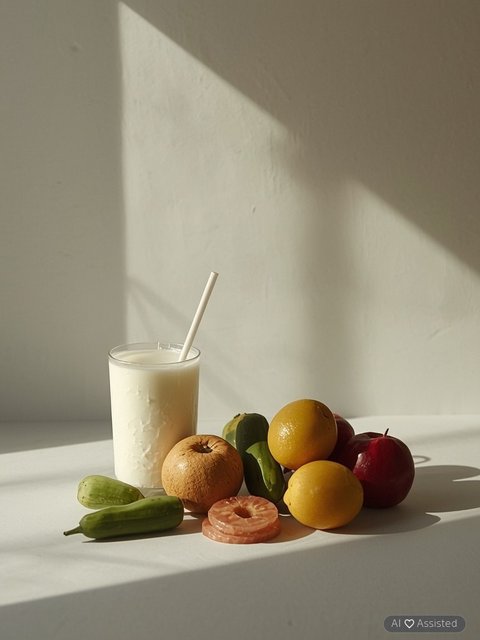
- Protective foods: Low-fat dairy (uricosuric casein/whey fractions), tart cherries (anthocyanins reduce urate), coffee, vitamin C, and abundant water (2.5–3 liters daily).
Tags

Oliwia Kaczmarek
✓Diets Premium Expert
Diets Premium team expert. Specializes in nutrition plans, strength sports, and training plans.
View Profile →