Pregnancy & Motherhood
3 min read
Fertility-boosting diet: selecting foods to improve conception odds

Max Müller
✓
Diets Premium Expert • 23.10.2026
✓
Scientifically reviewed by a clinical dietitian:
This article has been peer-reviewed for adherence to IŻŻ, WHO, and PTGiP clinical nutritional standards.
| Diets Premium Expert Max Müller | min read 3 min | Scientifically reviewed by a clinical dietitian 23.10.2026 |

Smart Voice
•Listen to the article content live
0:00
/
0:00
Key Takeaways
Daily nutritional choices and dietary quality play a pivotal role in reproductive health, significantly enhancing the likelihood of conception and a healthy pregnancy for both partners.
Meal Plan
Want to apply these guidelines in your daily diet?
Our smart diet generator creates a tailored meal plan in 3 minutes based on the recommendations in this article.
Essential micronutrients for male and female reproductive health
Targeted nutritional intake creates an optimal physiological foundation for conception and embryonic viability. Key micronutrients include:
- Folic acid (Vitamin B9): Essential for DNA replication, cellular division, and preventing neural tube defects. Abundant in dark leafy greens (spinach, kale, broccoli), legumes, and whole grains, supplemented with 400 mcg of active folate daily starting at least three months preconception.
- Iron: Non-heme and heme iron from lean poultry, eggs, legumes, and pumpkin seeds prevent microcytic anemia, supporting ovarian oxygenation and endometrial vascularization.
- Zinc and Selenium: Zinc regulates menstrual cyclicity in women and is essential in men for spermatogenesis, sperm morphology, motility, and serum testosterone. Selenium serves as an enzymatic cofactor protecting gametes from reactive oxygen species.
- Vitamin E: Known as the 'fertility vitamin,' this lipid-soluble antioxidant in tree nuts, sunflower seeds, avocados, and cold-pressed oils protects germ cell membranes against lipid peroxidation.
- Vitamin D: Regulates reproductive hormones, anti-Müllerian hormone (AMH) receptor sensitivity, and endometrial receptivity.
The impact of body composition, insulin resistance, and lifestyle on fertility
Both underweight and obesity substantially compromise reproductive capacity in men and women. Insufficient adipose tissue impairs hypothalamic GnRH pulsatility, often leading to hypothalamic amenorrhea and anovulation. Conversely, excess visceral adiposity promotes hyperinsulinemia, insulin resistance, and systemic low-grade inflammation, exacerbating Polycystic Ovary Syndrome (PCOS)—the primary cause of ovulatory infertility. Adopting a low-glycemic-index (low-GI) dietary pattern stabilizes postprandial glucose and insulin excursions, mitigating ovarian hyperandrogenism. Chronic psychological distress, circadian disruption, and elevated cortisol further impair gonadotropin release. Regular moderate aerobic exercise and adequate sleep optimize metabolic homeostasis and significantly restore reproductive function.
Recommended and contraindicated foods in the fertility diet
The evidence-based 'fertility diet' aligns closely with an anti-inflammatory Mediterranean dietary model:
- Strongly Recommended: Cold-water fatty fish (wild salmon, sardines, mackerel) delivering long-chain omega-3 fatty acids (EPA and DHA); plant-based protein sources including lentils, chickpeas, and beans; extra virgin olive oil, avocados, raw walnuts, and chia seeds; diverse vegetables and berries loaded with anthocyanins, carotenoids, and lycopene.
- Strictly Contraindicated: Industrial trans-fatty acids (partially hydrogenated oils in pastries and fried fast food), which induce endothelial inflammation and disrupt ovulatory function; refined sugars and high-fructose corn syrup causing sharp insulin spikes; processed meats high in sodium and nitrates; excessive caffeine intake (>200 mg daily); and alcohol, which impairs sperm DNA integrity, disrupts luteal phase hormones, and increases miscarriage rates.
Practical meal plan and lifestyle habits supporting conception
A practical anti-inflammatory daily meal plan designed to support reproductive health:
- Breakfast: Whole-grain oatmeal prepared with unsweetened almond beverage, 1 tablespoon chia seeds, a handful of fresh blueberries, ground Ceylon cinnamon, and 20 g raw chopped walnuts.
- Mid-morning: Sourdough rye bread topped with mashed avocado, a free-range poached egg, microgreens, and sliced cherry tomatoes.
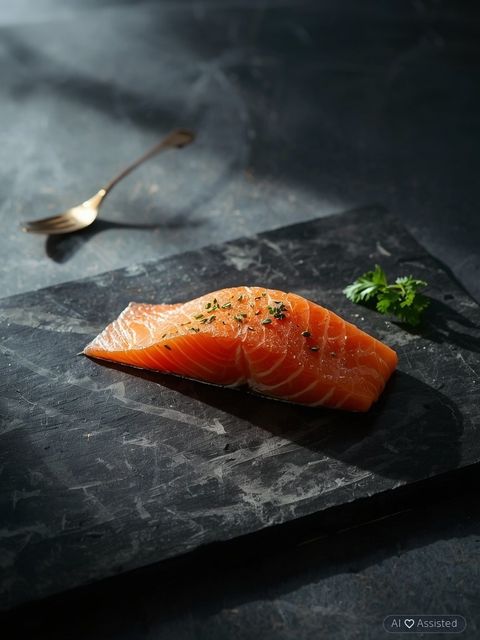
- Lunch: Herb-crusted wild salmon fillet served over fluffy quinoa with steamed broccoli, toasted slivered almonds, and an arugula salad drizzled with extra virgin olive oil and fresh lemon juice.
- Afternoon Snack: Plain Greek yogurt topped with a tablespoon of freshly ground flaxseed and fresh raspberries.
- Dinner: Hearty chickpea and spinach vegetable curry simmered with crushed tomatoes, ginger, and turmeric, accompanied by brown basmati rice.
Combining this nutrient-dense nutrition with regular restorative sleep, stress reduction, and avoiding endocrine-disrupting chemicals (such as BPA in canned linings and plastics) maximizes fertility potential.
Tags

mgr Max Müller
✓Diets Premium Expert
Diets Premium team expert. Specializes in nutrition plans, strength sports, and training plans.
View Profile →