PRO
8 min read
5 Products Promoting Digestive System Operation

Max Müller
✓
Diets Premium Expert • 24.03.2026
✓
Scientifically reviewed by a clinical dietitian:
This article has been peer-reviewed for adherence to IŻŻ, WHO, and PTGiP clinical nutritional standards.
| Diets Premium Expert Max Müller | min read 8 min | Scientifically reviewed by a clinical dietitian 24.03.2026 |

Smart Voice
•Listen to the article content live
0:00
/
0:00
Key Takeaways
The food consumed daily has a significant impact on the state of the digestive system and, subsequently, the functioning of the entire body. Moreover, it protects it from many diseases. There are various bacteria residing in the gut that require different nutrients for survival. In order not to cause disruptions in the number, composition, and functioning of the intestinal bacterial flora (commonly referred to as intestinal dysbiosis), it is extremely important to maintain a well-balanced diet. Certain products exhibit a proven positive influence on intestinal bacteria, and consequently, the digestive system.
Meal Plan
Want to apply these guidelines in your daily diet?
Our smart diet generator creates a tailored meal plan in 3 minutes based on the recommendations in this article.
PRO Content
PRO
This article is professional premium content (PRO) provided in its entirety.
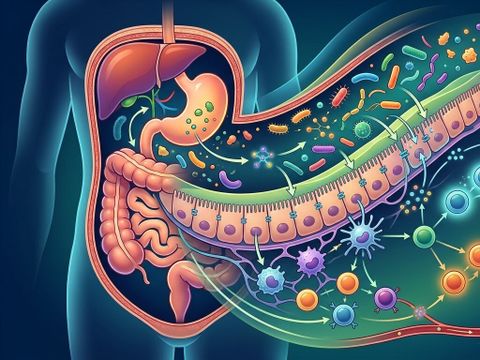
What is the microbial population in the digestive tract?
The microbial population in the digestive tract is a collection of microorganisms that inhabit the lower portion of the digestive tract. It includes a variety of microbes such as bacteria, archaea, fungi, and parasitic worms. The microbial population of a healthy adult man has about 1014 micro-organisms, which is about 10 times more than the sum of all the cells of his own body. However, the number of microbes is not the same in all sections of the alimentary tract, with the colon having the largest number and diversity, while the stomach and duodenum have the most difficult conditions for growth and development.
Is there a diet that positively impacts the gut microbiota?
The greatest impact on the gut microbiota state of the body is diet. It should be emphasized that the microbiome is a very change-sensitive organ and therefore a short-term deviation from healthy habits can change its composition. The good news, however, is that this also works the other way around - improving diet allows for the modification of the microbiota. Its composition changes favorably under the influence of a diet rich in vegetables, fruits, fiber, and unsaturated fatty acids. However, simple sugars, saturated fatty acids, and trans fats have a negative impact on it. High sugar intake disrupts the intestinal balance, leading to the growth of certain organisms at the expense of others. Harmful bacteria begin to prevail over beneficial ones. Saturated fatty acids and trans fats cause inflammatory states in the body, which affects the relationship between the immune system and the microbiota. It is worth noting that the consequences of a poor diet may manifest in subsequent generations. Why? Because children inherit the microbiota from their mothers during childbirth and breastfeeding. Therefore, the same situation can also affect the child if the mother's microbiota composition is disturbed. The healthiest dietary model supporting intestinal health is considered to be the vegan and Mediterranean diets, as they are based on unprocessed food rich in fiber. Fiber intake leads to increased SCFA production, which is beneficial for the microbiota. Both models are characterized by high consumption of vegetables and fruits, whole-grain cereal products, legumes, and unsaturated fatty acids, which allows for the prevention and alleviation of inflammatory states in the body. The most negatively affecting the microbiome is the Western diet, rich in fats (especially saturated and trans fats), red meat, and refined sugars. Such a dietary pattern limits the diversity and stability of the microbiota and also leads to various diseases - obesity, diabetes, atherosclerosis, and even depression.
Which food items enhance the functioning of the digestive tract? 5 food items
The consumption of fermented products (milk and vegetables) with probiotic attributes can regulate the gut microbiome, influencing its diversity and balance. Fermented foods enhance the regulation of intestinal permeability, strengthen its barrier function, boost the function of digestive enzymes, foster the production of short-chain fatty acids and vitamins. They also serve as a good source of peptides and bioactive compounds that exhibit probiotics, antioxidants, and anti-inflammatory properties. The consumption of fermented products can lessen the threat of various diseases, such as cancer, diabetes, metabolic syndrome, and cardiovascular diseases. It can also aid in alleviating the symptoms of lactose intolerance and improving the body's immunity.
Edible Fungi Other Than Kefir
– it is a product consisting of lactic acid, acetic acid, and yeast bacteria. The bacterial strains, bioactive compounds, and peptides present in kefir can modulate the composition of the intestinal bacterial flora. They can also alleviate low-grade inflammation and affect gut permeability, which can contribute to improved health (M. Peluzio et al., 2021). In 2019, E. Bellikci-Koyu et al. conducted a study that demonstrated that 12-week supplementation of kefir in individuals with metabolic syndrome can modulate the number of bacteria in the Firmicutes and Bacteroidetes phyla, leading to reduced insulin resistance, decreased levels of pro-inflammatory cytokines, and beneficial changes in systolic and diastolic blood pressure (E. Bellikci-Koyu et al., 2019).
Yogurt as a high-nutrient product
Yogurt is a source of high amounts of calcium, phosphorus, B vitamins, bioactive peptides, and lactic acid bacteria. Consumption of yogurt is associated with improvements in digestive disorders such as constipation or diarrhea. This action may result from the creation of probiotic strains in yogurt in a beneficial gut environment, interaction between yogurt bacteria and gut bacteria, and through the production of metabolites that strengthen the gut barrier and thus lead to better protection against pathogens. Consuming yogurt may increase the content of probiotic bacteria Lactobacillus and Bifidobacterium in the gut, which is beneficial for health. Additionally, consuming yogurt may enhance the immune response of the body and reduce inflammation.
Fermented cabbage
is produced through a spontaneous or controlled fermentation process. It is characterized by a high content of dietary fiber, lactic acid, and acetic acid. The bacteria in sauerkraut have a positive impact on the gut by colonizing its walls, where they can modulate the gut microbiota and the immune response positively (V. Castellone et al. 2021). Sauerkraut also supports digestion in cases of irritable bowel syndrome by reducing symptoms in patients (E. Dimidi et al. 2019). Furthermore, it exhibits an anticancer effect that is based on the activation of enzymes responsible for removing foreign compounds from the body and contributing to the death of cancer cells. Sauerkraut is also known for its antioxidant effect, which helps to increase the efficiency of the body in neutralizing free oxygen radicals and reducing inflammation.
Kimchi - a traditional Korean side dish
Kimchi is a traditional Korean side dish made from fermented vegetables. It is an excellent source of dietary fiber, vitamins, minerals, lactic acid bacteria, antioxidant, antimicrobial and immunostimulant properties. The main ingredients of kimchi are usually: cabbage, garlic, cucumber, rapeseed, pepper powder and many other vegetables and spices. However, it is important to note that fermented and pickled products are high in salt, so moderation should be exercised in their consumption.
Food commodities encompassing prebiotics
As per the definition of prebiotics, they are indigestible food constituents that promote the growth or activity of one or more types of gut bacteria and exert a positive influence on the host's health. They are also accountable for diminishing the number and composition of pathogenic bacteria and governing the composition, stability, and metabolic activity of the gut microbiota. Diverse prebiotics encourage the growth of various gut bacteria. Prebiotics present in fruits and vegetables contribute to decreasing the risk of developing colon and rectal cancer. Inulin and oligofructose are primarily responsible for this effect. Prebiotics also impact the lowering of LDL cholesterol levels in the blood, the stimulation of the immune system, the appropriate pH in the gut, the enhanced absorption of calcium, and the relief of stomach ulcers. Furthermore, they inhibit the development of cancer and support the treatment of lactose intolerance, dental caries, and vaginal candidiasis. The most outstanding sources of prebiotics include: bananas, onions, garlic, leeks, chicory, asparagus, artichokes, Jerusalem artichokes, oats, flaxseed, barley, wheat, berries, legumes, and tomatoes.
Summary
The gut microbiome plays a crucial role not only in maintaining gastrointestinal health but also in the overall well-being of the body. Fermented milk and vegetable products, known as probiotics, which contain live microorganisms such as lactic acid bacteria, promote the growth of health-promoting microflora while simultaneously reducing the number of harmful microbes. Similarly, prebiotics, obtained through food, aid in improving the gut condition. Their aim is to stimulate the growth of beneficial bacteria. However, it is important to note that individual bacteria require varying energy sources for development, and the growth of specific microorganisms depends on the ingested nutrients. This results in a unique microbiome for each individual. Caring for gut health entails caring for the microorganisms residing within it. A healthy gut microbiome protects against the onset of many diseases and offers numerous health benefits.
Tags

mgr Max Müller
✓Diets Premium Expert
Diets Premium team expert. Specializes in nutrition plans, strength sports, and training plans.
View Profile →