PRO
6 min czytania
Szpinak - właściwości, zamrożony, świeży, potrawy ze szpinakiem... Jak przygotować szpinak?

Isabella Taylor
✓
Ekspert Diets Premium • 23.10.2026
✓
Zweryfikowane merytorycznie przez dietetyka klinicznego:
Treść artykułu została zweryfikowana pod kątem zgodności z normami żywieniowymi IŻŻ, WHO oraz standardami klinicznymi PTGiP.
| Ekspert Diets Premium Isabella Taylor | min czytania 6 min | Zweryfikowane merytorycznie przez dietetyka klinicznego 23.10.2026 |
Odtwarzacz głosowy
•Odsłuchaj treść artykułu na żywo
0:00
/
0:00
Najważniejsze fakty w pigułce
Szpinak jest znany na całym świecie od ponad 2000 lat. To zielone warzywo wypełnione chlorofilem nie cieszyło się dużą popularnością do niedawna, zwłaszcza wśród najmłodszych. Ostatnie lata wykazały wzrost jego popularności na polskich stołach. Czy posiada jakiekolwiek atrybuty i jakie potrawy warto przygotować z niego?
Plan Żywieniowy
Chcesz wdrożyć te zasady w codziennej diecie?
Nasz inteligentny generator ułoży dla Ciebie zbilansowany jadłospis w 3 minuty, uwzględniając zalecenia z tego artykułu.
Materiał PRO
PRO
Ten artykuł jest profesjonalnym materiałem merytorycznym (PRO) udostępnionym w całości.
Nutritional profile and health benefits of spinach: A scientific review with practical applications
Spinach, which earned the moniker "King of Vegetables" in 19th-century Europe, has long been valued for its exceptional health-promoting properties. Historically, its consumption was advised for individuals suffering from anemia, digestive disorders, cardiovascular dysfunction, renal diseases, and general physical debility. A 100-gram serving of this leafy green vegetable contains: just 16 kilocalories, 2.6 grams of high-quality plant-based protein, 3.0 grams of carbohydrates (including 2.6 grams of dietary fiber), 4,243 micrograms of provitamin A as beta-carotene, 67.8 milligrams of ascorbic acid (vitamin C), 0.106 milligrams of thiamine (vitamin B1), 0.192 milligrams of riboflavin (vitamin B2), 235 milligrams of potassium, 93 milligrams of calcium, 29 milligrams of phosphorus, 53 milligrams of magnesium, and 2.8 milligrams of iron—alongside substantial quantities of chlorophyll. It is important to note, however, that the oxalic acid present in spinach reduces calcium bioavailability by forming insoluble complexes. Interestingly, for decades, spinach was erroneously considered one of the richest dietary sources of iron—a miscalculation in decimal placement (30 mg instead of 3 mg per 100 g) was responsible for this misconception. This vegetable can be safely incorporated into the diets of all age groups, except for individuals with kidney stone disease. Regular consumption supports the management of anemia, exhibits anticancer potential, strengthens immune function, aids cardiac performance, protects against atherosclerosis, regulates blood pressure, diminishes susceptibility to oxidative stress, prevents rickets in children, and—owing to its low caloric density—serves as a valuable component of weight-reduction diets. Contraindications for consumption include oxalate kidney stones, as the oxalic acid in spinach promotes the formation of calcium oxalate—the primary constituent of kidney stones.
Fresh spinach versus frozen: A year-round nutritional comparison of benefits and trade-offs
Retail shelves present consumers with spinach available in two primary forms: unprocessed seasonal leaves and rapidly frozen varieties preserved immediately post-harvest. It is well-established that raw spinach constitutes a dense nutritional source, particularly rich in essential vitamins—including K, A, C, and folic acid—as well as critical minerals such as iron, magnesium, and potassium. The application of flash-freezing technology, implemented at peak ripeness directly after harvesting, ensures the retention of nearly intact nutritional composition alongside original organoleptic properties (flavor, aroma, and texture) for extended periods of 12–18 months. The optimal selection between fresh and frozen spinach should therefore be seasonally informed: during summer and early autumn, field-fresh spinach takes precedence, whereas in winter and spring—when fresh produce availability dwindles—the frozen alternative emerges as not only a convenient but also a nutritionally sound choice. For those seeking to circumvent potential quality degradation during commercial transport or storage, home-freezing spinach leaves (following blanching and thorough drying) presents a viable solution, offering complete oversight of the preservation process.
The Role of Spinach in the Diet of Expectant Mothers: Nutritional Benefits and Practical Dietary Guidance
Healthcare professionals emphasize that both during the preconception phase and throughout all three trimesters of pregnancy, ensuring an adequate intake of folic acid is essential. This nutrient plays a pivotal role in the formation of the neural tube in the developing fetus and significantly reduces the risk of neural tube defects. Spinach, being a natural and abundant source of this compound, represents a safe and valuable addition to the diet of expectant mothers. Furthermore, this leafy green vegetable is rich in vitamin C, which contributes substantially to the proper growth of fetal tissues and enhances the optimal absorption of other critical micronutrients, including iron. However, it is important to note that the oxalates present in spinach may inhibit calcium absorption. Therefore, it is advisable to consume spinach in conjunction with dairy products such as milk, plain yogurt, cream, or aged cheeses to mitigate this effect.
Methods for preparing spinach: From raw leaves to cooked dishes with complementary ingredients
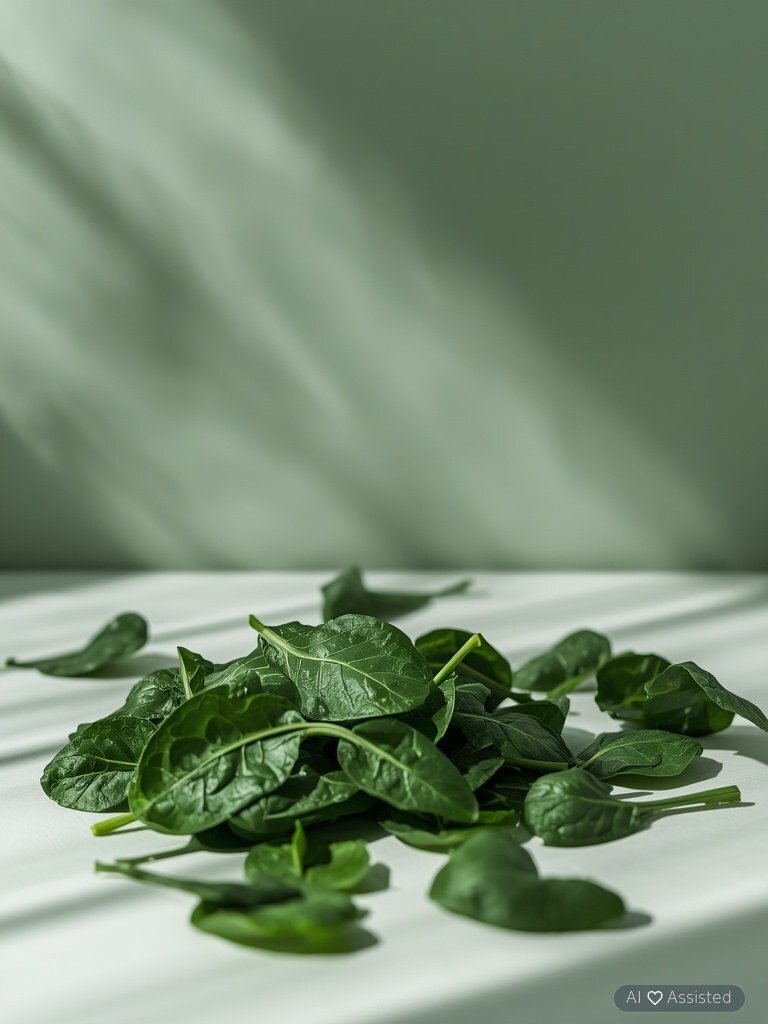
Spinach is an exceptionally versatile vegetable that can be consumed both in its raw state and after thermal processing. The fresh, unprocessed leaves serve as an excellent component in herb-infused salads, mixed greens, or nutrient-packed green smoothies—simply rinse them thoroughly under running water and gently pat dry with an absorbent kitchen towel to eliminate excess moisture. The most traditional and widely practiced method of preparing spinach involves briefly sautéing or braising the leaves in a skillet with fragrant minced garlic and finely diced onions, followed by enriching the flavor with a dollop of sour cream, thick plain yogurt, or heavy cream. This technique accentuates the vegetable’s inherent sweetness while tempering its distinctive bitterness. Spinach pairs exceptionally well with a diverse range of cheeses—from creamy blue-veined varieties like Gorgonzola or Camembert to fresh farmer’s cheese, rich quark, aged hard cheeses such as Parmesan, or crumbled feta. Additionally, the cooked and drained leaves can be repurposed as a savory filling for dumplings (e. g., *pierogi*), stuffed crepes, crispy croquettes, or rustic tarts with a buttery crust. It also functions as a flavorful complement to meat-based dishes—particularly poultry, pork, or beef—as well as pasta preparations, including layered lasagna, delicate ravioli, or herb-infused spaghetti sauces.
Culinary explorations with spinach: from breakfast omelettes to hearty soups and inventive smoothies – a gastronomic journey
This compilation showcases diverse spinach-based recipes spanning main courses, snacks, and beverages, each featuring detailed preparation instructions—from ingredient selection to thermal processing techniques—alongside practical guidance on flavor composition and nutritional optimization. Spinach, abundant in iron, vitamin K, and lutein, serves as a versatile dietary component, though its consumption necessitates mindful pairing with calcium-rich ingredients due to its oxalic acid content. The recipes have been designed to preserve the vegetable’s maximum nutritional value while accentuating its culinary appeal.

Isabella Taylor
✓Ekspert Diets Premium
Ekspert zespołu Diets Premium. Specjalizuje się w planach żywieniowych, sportach siłowych oraz planach treningowych.
Zobacz profil →