Przetwory, syrop oraz napary z rokitnika zwyczajnego – gdzie kupić i jak wykorzystać jego właściwości?

| Ekspert Diets Premium Oliwia Kaczmarek | min czytania 4 min | Zweryfikowane merytorycznie przez dietetyka klinicznego 23.10.2026 |
Odtwarzacz głosowy
•Odsłuchaj treść artykułu na żywo
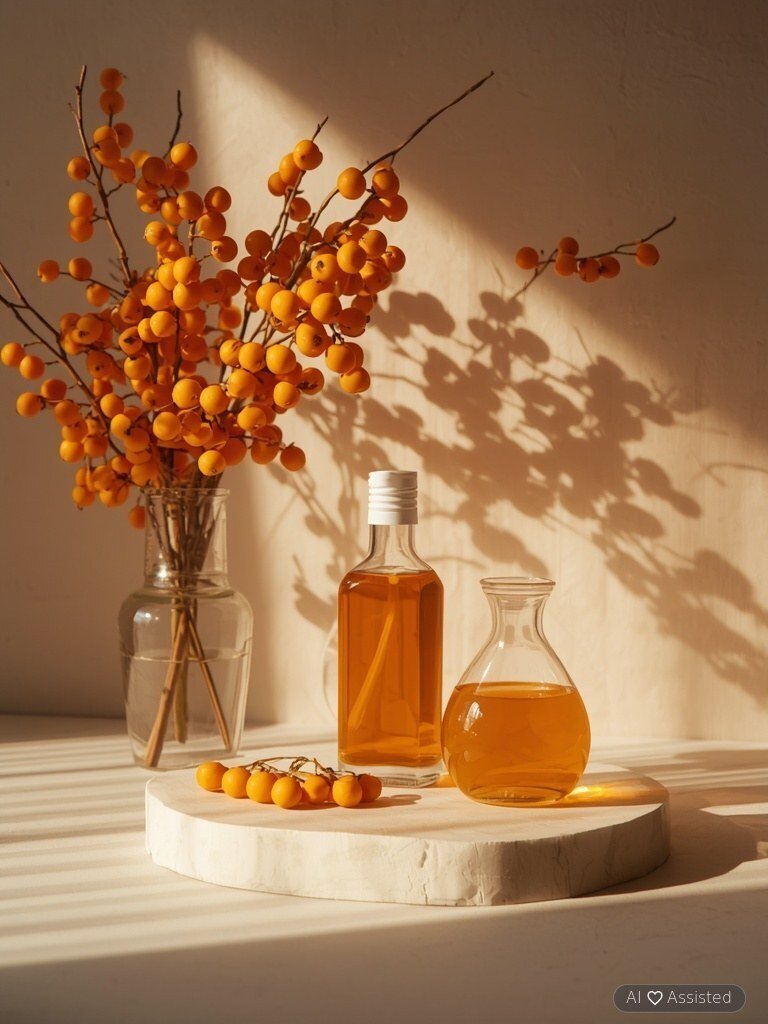
Owoce rokitnika zwyczajnego (Hippophae rhamnoides), zwanego złotem Syberii, stanowią nieocenione bogactwo składników odżywczych, w tym kompleksu witamin, kwasów tłuszczowych oraz bioaktywnych antyoksydantów. Rokitnik wyróżnia się unikalną cechą – obecna w nim witamina C nie ulega rozkładowi podczas gotowania, ponieważ roślina nie zawiera enzymu askorbinazy. Te złocisto-pomarańczowe jagody obfitują ponadto w rzadkie nienasycone kwasy tłuszczowe omega-7, karotenoidy oraz witaminę E, czyniąc przetwory, syropy i herbaty z rokitnika potężnym sojusznikiem odporności, zdrowia skóry i układu krążenia.
Chcesz wdrożyć te zasady w codziennej diecie?
Nasz inteligentny generator ułoży dla Ciebie zbilansowany jadłospis w 3 minuty, uwzględniając zalecenia z tego artykułu.
Sea Buckthorn (Hippophae rhamnoides) – Botanical Characteristics and Habitat
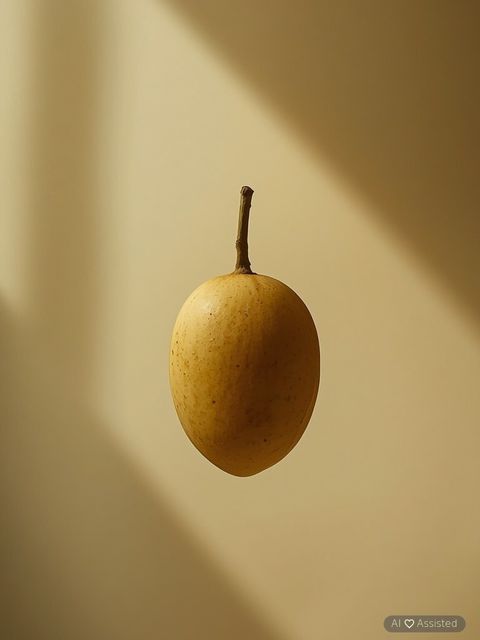
Sea buckthorn belongs to the Elaeagnaceae family, forming a hardy, deciduous, thorny shrub reaching 2 to 4 meters in height. In its wild state, it thrives along coastal dunes, including Baltic shores where wild specimens enjoy environmental protection, and across Eurasian river valleys. The species is strictly dioecious: productive female bushes require proximate male wind-pollinators to bear fruit. The small, ovoid, bright orange berries ripen from late September into October, clustering so densely around spiny branches that they appear to wrap around the stem, giving rise to its descriptive common names.
Sea Buckthorn Berries – Vitamin Synergy, Omega-7 Lipids, and Carotenoids
Sea buckthorn berries are renowned for their distinctive zesty, tart flavor profile reminiscent of pineapple and citrus. They are botanically unique because both their pulp and seeds contain valuable functional lipids (up to 8% oil content), rich in rare monounsaturated palmitoleic acid (omega-7), which supports mucosal membrane integrity and epidermal repair. Furthermore, they deliver remarkable concentrations of vitamin C (ranging from 400 to over 900 mg per 100 g), natural tocopherols (vitamin E), phylloquinone (vitamin K), folates, and protective flavonoids, alongside abundant beta-carotene and zeaxanthin.
Where to Source Sea Buckthorn and Quality Criteria
Fresh sea buckthorn berries are rarely encountered in conventional supermarkets due to their thin skins and labor-intensive harvesting requirements. They are most conveniently sourced directly from organic growers, regional farmers markets during autumn, or as individually quick-frozen berries via health food purveyors. When acquiring fresh berries, purchasing frozen clusters or cut twigs minimizes mechanical juice loss. For retail juices and purees, discerning consumers should prioritize 100% pure NFC (not from concentrate) unpasteurized or flash-pasteurized cold-pressed juices devoid of added sugars, artificial preservatives, or synthetic additives.
Artisanal Sea Buckthorn Preserves: Purees, Jams, and Fruit Curds
Culinary processing of sea buckthorn centers on harmonizing its pronounced natural acidity. A wholesome fruit curd or puree is created by gently warming clean berries and passing them through a fine-mesh food mill to separate seeds and fibrous skins from the luscious orange pulp. This velvet puree can be sweetened with raw clover honey or blended with sweet pears and apples to create a balanced confiture. Another refined recipe is sea buckthorn and orange preserve: pairing 1 kg of berries with the zest and juice of organic oranges and 400 g of cane sugar creates a vibrant, velvety spread perfect for morning oats, yogurt bowls, and pastries.
Syrups, Seed Oils, and Herbal Teas from Berries and Leaves
Beyond traditional jams, cold-macerated sea buckthorn cordial is highly valued: layering fresh berries with raw sugar or acacia honey in glass containers yields an unheated, enzyme-rich syrup after several days. Importantly, sea buckthorn leaves also possess remarkable therapeutic properties; dried and steeped as an infusion, they supply abundant ellagic acid, catechins, and flavonols, delivering potent anti-inflammatory and hepatoprotective properties. Furthermore, virgin cold-pressed sea buckthorn berry and seed oil represents a clinical dermatological gem, widely utilized to accelerate wound healing, soothe peptic ulcers, and nourish damaged dermal tissues.
Sea Buckthorn During Pregnancy, Lactation, and Pediatric Nutrition
In typical culinary servings, sea buckthorn represents a remarkably safe, nourishing dietary addition during pregnancy and lactation. It provides a natural, highly bioavailable matrix of vitamin C, folate, carotenoids, and protective antioxidants, fortifying maternal immune function and iron absorption without synthetic supplements. For pediatric diets (from 12 months onward), diluted sea buckthorn cordial offers a clean, soothing tonic during seasonal respiratory infections. However, individuals diagnosed with acute cholecystitis, severe pancreatitis, or recurrent calcium oxalate nephrolithiasis should consult their physician before consuming high-potency sea buckthorn oil extracts.

Oliwia Kaczmarek
✓Ekspert Diets Premium
Ekspert zespołu Diets Premium. Specjalizuje się w planach żywieniowych, sportach siłowych oraz planach treningowych.
Zobacz profil →