1 / 1
1 zdjęcie
392
Bazylia – cechy, zastosowanie i sposoby przechowywania
Sos Pesto
Smakowe
Sos
Słodki
Napoje
Pesto
Śródziemnomorski
Dania Słodkie I Wytrawne
Kuchnia Śródziemnomorska
Słodko-przyprawowy
Kacper Nowak
Autor
2026-09-25
Data
6 min. czytania
article.read_time
4
Rozdziały
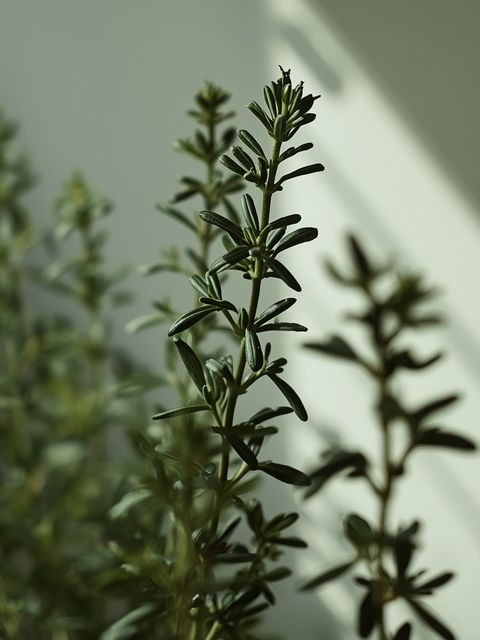
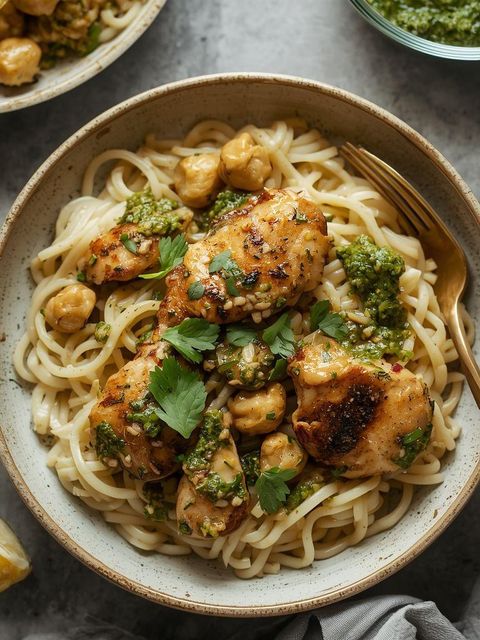
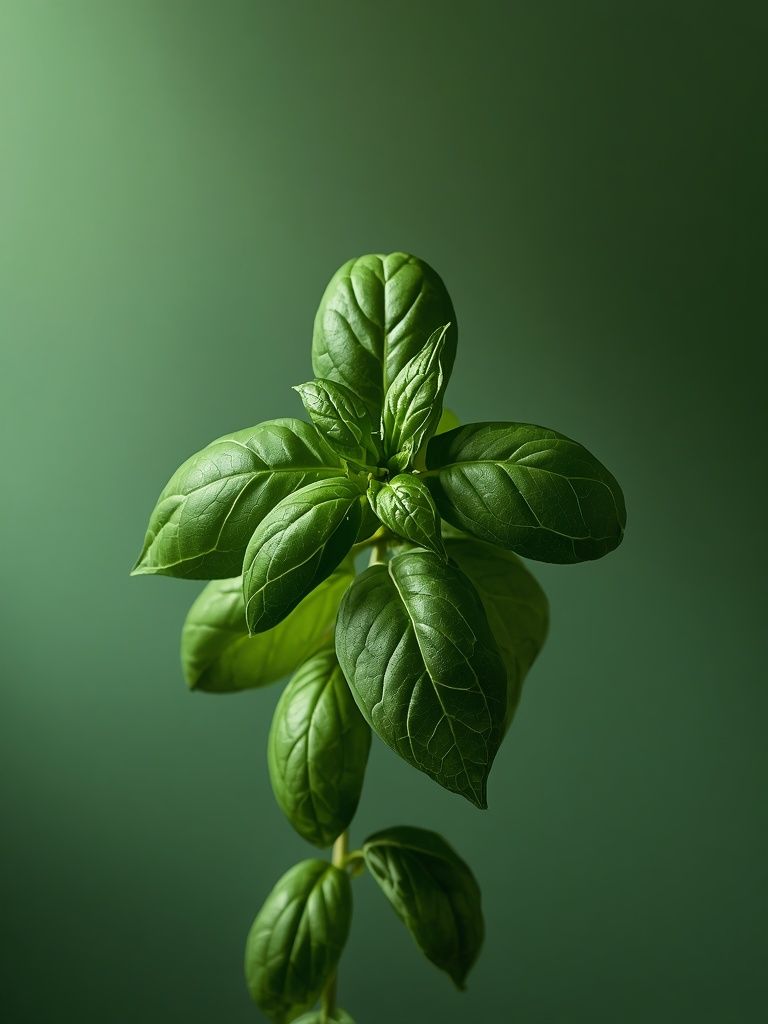
Ocimum basilicum, czyli bazyliowate, to powszechnie stosowana i znana roślina, głównie w branży gastronomicznej. Służy ona przede wszystkim do nadania charakterystycznych smaków i zapachów potrawom i napojom. Jest również podstawowym składnikiem niektórych dań, takich jak sos pesto. Bazyliowate stanowią kluczową część kuchni śródziemnomorskiej. Można je dodawać do potraw zarówno słodkich, jak i słonych. Niewiele osób zdaje sobie sprawę, że ta roślina nie tylko jest smaczna, ale także posiada wiele cennych właściwości leczniczych.
Sweet basil and its cultivated varieties – botanical characteristics and chemical composition
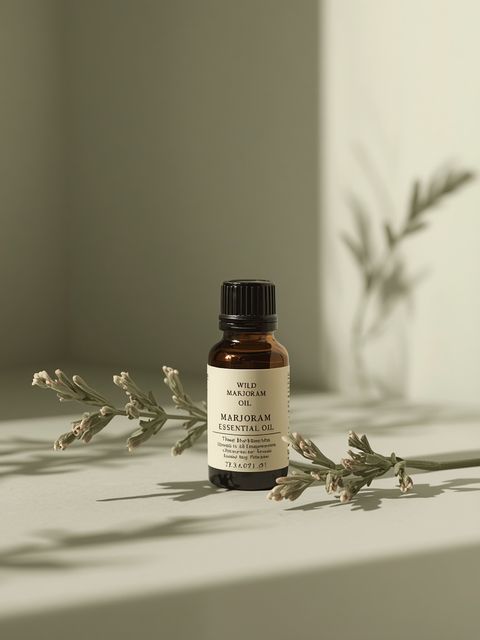
Sweet basil (*Ocimum basilicum*) is an annual herbaceous plant that exists solely under cultivated conditions, with no wild populations documented. Within Polish agricultural practices, the most widely recognized cultivars include common green basil, purple basil (distinguished by its deep reddish foliage), Greek basil (characterized by small, highly aromatic leaves), cinnamon basil (noted for its spicy-sweet flavor profile), and lemon basil (exhibiting pronounced citrus-like fragrance). The olfactory distinctions among these varieties arise from both qualitative and quantitative variations in their essential oil compositions. The sweet, clove-like scent characteristic of basil is attributable to eugenol—a phenolic compound identical to that found in clove buds (*Syzygium aromaticum*). Conversely, the citrusy aromatic notes derive from the presence of citral and limonene. In culinary taxonomy, basil is classified alongside rosemary (*Rosmarinus officinalis*), thyme (*Thymus vulgaris*), sage (*Salvia officinalis*), peppermint (*Mentha × piperita*), summer savory (*Satureja hortensis*), oregano (*Origanum vulgare*), and marjoram (*Origanum majorana*) as one of the "herbes de Provence." Beyond its volatile oil fraction, basil leaves constitute a source of polyphenolic compounds (including tannins), mineral salts, and vitamins. Per 100 grams of fresh leaf material, the following nutritional values are documented: 264 micrograms of retinol (vitamin A), 3142 micrograms of β-carotene, 414.8 micrograms of phylloquinone (vitamin K1), 18 milligrams of ascorbic acid (vitamin C), trace amounts of B-complex vitamins, 177 milligrams of calcium, 3.17 milligrams of iron, 64 milligrams of magnesium, and 1.148 milligrams of manganese.
Rozpocząłeś czytanie artykułu PRO
Możesz zapoznać się z pierwszym rozdziałem. Aby przeczytać cały artykuł i odblokować pełną treść, przejdź do konta PRO.
Tagi