4 min read
Salt from Kłodawa – ingredients, costs, purchase location... properties of the salt from Kłodawa

Tomasz Jankowski
✓
Diets Premium Expert • 24.09.2026
✓
Scientifically reviewed by a clinical dietitian:
This article has been peer-reviewed for adherence to IŻŻ, WHO, and PTGiP clinical nutritional standards.
| Diets Premium Expert Tomasz Jankowski | min read 4 min | Scientifically reviewed by a clinical dietitian 24.09.2026 |
Smart Voice
•Listen to the article content live
0:00
/
0:00
Key Takeaways
The salt mine in Kłodawa was initiated in 1949... The Kłodawa salt deposit, encompassing rock salt and magnesium-potassium salt, is the largest discovered thus far in Poland... It spans 26 km in length and reaches a width of up to 2 km... A fascinating fact is that the salt from the largest national salt producer possesses intriguing properties.
Meal Plan
Want to apply these guidelines in your daily diet?
Our smart diet generator creates a tailored meal plan in 3 minutes based on the recommendations in this article.
Kłodawa Rock Salt: A Pristine Mineral Harvest from Poland’s Deepest Salt Deposit
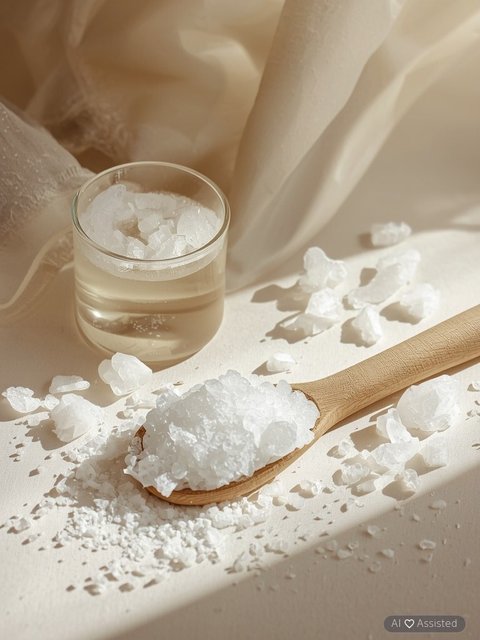
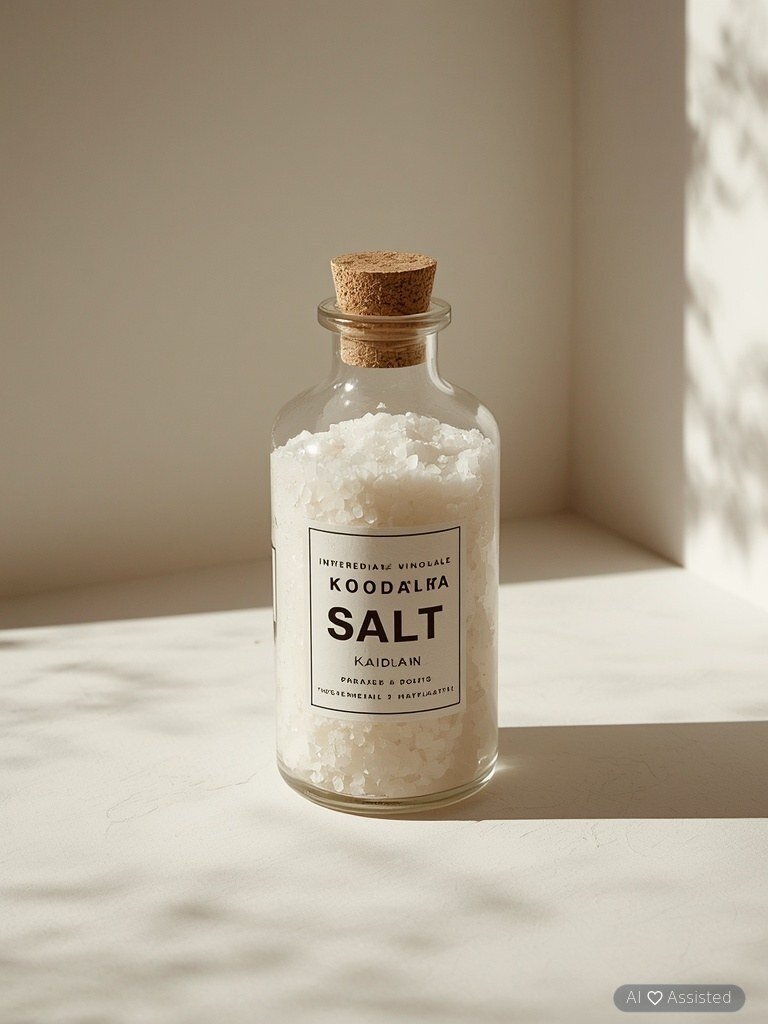
Kłodawa rock salt is an entirely natural mineral product sourced from Poland’s most extensive salt diapir, located near the town of Kłodawa. Extracted using time-honored mining techniques, this method ensures the preservation of its unaltered, pristine chemical composition. Prior to distribution, the salt undergoes mechanical fragmentation to produce crystals of varying granulometry, tailored to specific applications. The product line includes both iodized and non-iodized culinary varieties—available in fine and coarse grinds—as well as a specialized formulation designed for home-preserved vegetables and fruits. The observable color variations across different batches—ranging from pure white to subtle gray and even bluish-gray hues—serve as a hallmark of its natural origin, confirming the absence of artificial bleaching or chemical treatments.
Chemical analysis and mineral composition of Kłodawa rock salt
From a chemical standpoint, Kłodawa rock salt is primarily composed of sodium chloride (NaCl)—an inorganic crystalline compound formed by sodium and chloride ions, both of which serve as essential electrolytes within the human body. A precise breakdown of 100 grams of this mineral salt reveals the following composition: sodium chloride constitutes an overwhelming 97% of its mass by weight, while water-insoluble mineral constituents account for no more than 1.5% of the total. Additionally, the salt is fortified with potassium iodide at a concentration ranging from 10 to 30 milligrams per kilogram, and residual moisture does not exceed 0.5% of the product. It is also worth noting that natural Kłodawa salt contains trace amounts of iron, calcium, magnesium, zinc, potassium, and iodine; however, these quantities are insufficient to meet the daily human requirements as outlined by the Institute of Food and Nutrition guidelines. The product is available in two distinct formulations: an iodized version intended for direct culinary use as a seasoning, and a non-iodized variant, which—due to its lack of iodine—is not recommended for flavoring dishes but remains suitable for home food preservation processes. A key distinguishing feature of this salt is the absence of anti-caking agents, which may result in reduced flowability or slight compaction within the packaging. Furthermore, the manufacturer refrains from subjecting the salt to whitening treatments, an attribute that appeals to consumers seeking minimally processed food products.
The distinctive characteristics of Kłodawa rock salt and its physiological significance for the human body
Sodium chloride, commonly referred to as table salt, constitutes an indispensable component of bodily fluids, playing a pivotal role in maintaining hydroelectrolytic balance as well as acid-base homeostasis. Furthermore, its ions—sodium cations (Na⁺) and chloride anions (Cl⁻)—exert a profound influence on neural conductivity, the contractility of skeletal and smooth musculature, and digestive processes. Chlorides, present in gastric juice and saliva, participate in the synthesis of hydrochloric acid (HCl), which not only facilitates protein hydrolysis but also serves an antibacterial function within the gastrointestinal lumen. It is critical to emphasize that serum sodium and chloride concentrations exist in a tightly correlated relationship—any decline in the level of one electrolyte invariably leads to a reduction in the concentration of the other. Disturbances in sodium balance, whether manifesting as deficiency (hyponatremia) or excess, carry significant health implications. Clinical manifestations of hyponatremia include generalized fatigue, diffuse headaches, episodes of nausea and vomiting, anorexia, and cognitive impairments such as spatiotemporal disorientation. Older adults are particularly susceptible to sodium deficiency, often due to the deliberate exclusion of salt from their diet—frequently motivated by coexisting cardiovascular conditions—while concurrently consuming minimally processed, sodium-depleted foods. Conversely, the chronic ingestion of excessive sodium, a contemporary public health concern of considerable magnitude, predisposes individuals to a spectrum of pathological conditions, including arterial hypertension, cerebrovascular accidents (strokes), gastric carcinoma, accelerated bone demineralization (osteoporosis), and an elevated risk of renal calculus formation (nephrolithiasis). Equally noteworthy is the role of iodine, routinely added to table salt in the form of potassium iodide (KI) or potassium iodate (KIO₃) as part of preventive health initiatives. Iodine serves as an essential substrate for the biosynthesis of thyroid hormones—thyroxine (T₄) and triiodothyronine (T₃)—whose regulatory scope encompasses energy metabolism, thermogenesis, the development of the central nervous system (including the brain), and the functional integrity of cardiac muscle, skeletal musculature, kidneys, and the pituitary gland. Iodine deficiency may precipitate severe disorders, such as endemic goiter, cretinism in children, or hypothyroidism in adults.
Kłodawa rock salt: Current pricing, purchasing locations, and buying recommendations
Basic varieties of Kłodawa salt are available in most major supermarket chains, but a more extensive selection—including varied grain sizes, package dimensions, and specialized formulations—can be found in the manufacturer’s official online store. Price discrepancies arise not only from the sales channel (in-store vs. online) but also from the necessity of factoring in shipping costs for digital orders. Unit pricing further depends on the salt type (e.g., non-iodized rock salt vs. iodized table salt), its intended application (home preservation, direct consumption), and the net weight of the packaging. For instance, 1 kg of non-iodized rock salt intended for household canning costs approximately 1–1.5 PLN, while the same quantity of finely ground iodized table salt in a foil pouch is similarly priced; however, 250 g of the same salt in a convenient plastic shaker retails for around 3 PLN. According to World Health Organization (WHO) guidelines, daily salt intake should not exceed 5 g (equivalent to one level teaspoon), covering roughly 75% of an adult’s daily iodine requirement. This limit encompasses both salt added deliberately during cooking and that inherently present in processed foods (bread, cold cuts, snacks). Regrettably, average salt consumption in Poland and globally exceeds recommended levels by approximately 50%, promoting fluid retention, elevated blood pressure, and—over time—the development of hypertension, a significant risk factor for cardiovascular health.
Tags

mgr Tomasz Jankowski
✓Diets Premium Expert
Diets Premium team expert. Specializes in nutrition plans, strength sports, and training plans.
View Profile →