Pregnancy & Motherhood
5 min read
Cabbage – Varieties, Characteristics, Preparation and Uses

Sophia Williams
✓
Diets Premium Expert • 25.09.2026
✓
Scientifically reviewed by a clinical dietitian:
This article has been peer-reviewed for adherence to IŻŻ, WHO, and PTGiP clinical nutritional standards.
| Diets Premium Expert Sophia Williams | min read 5 min | Scientifically reviewed by a clinical dietitian 25.09.2026 |
Smart Voice
•Listen to the article content live
0:00
/
0:00
Key Takeaways
Cabbage has accompanied humanity since ancient times, where it was acknowledged as a remedy for various ailments, from nutrient deficiencies to detoxifying the body and a crucial component of the diet for pregnant women. The significance that the ancients attributed to this plant was based on evidence, as confirmed by current scientific research.
Meal Plan
Want to apply these guidelines in your daily diet?
Our smart diet generator creates a tailored meal plan in 3 minutes based on the recommendations in this article.
Cabbage: Comprehensive Analysis of Nutritional Value, Digestive Impact, and Health Implications
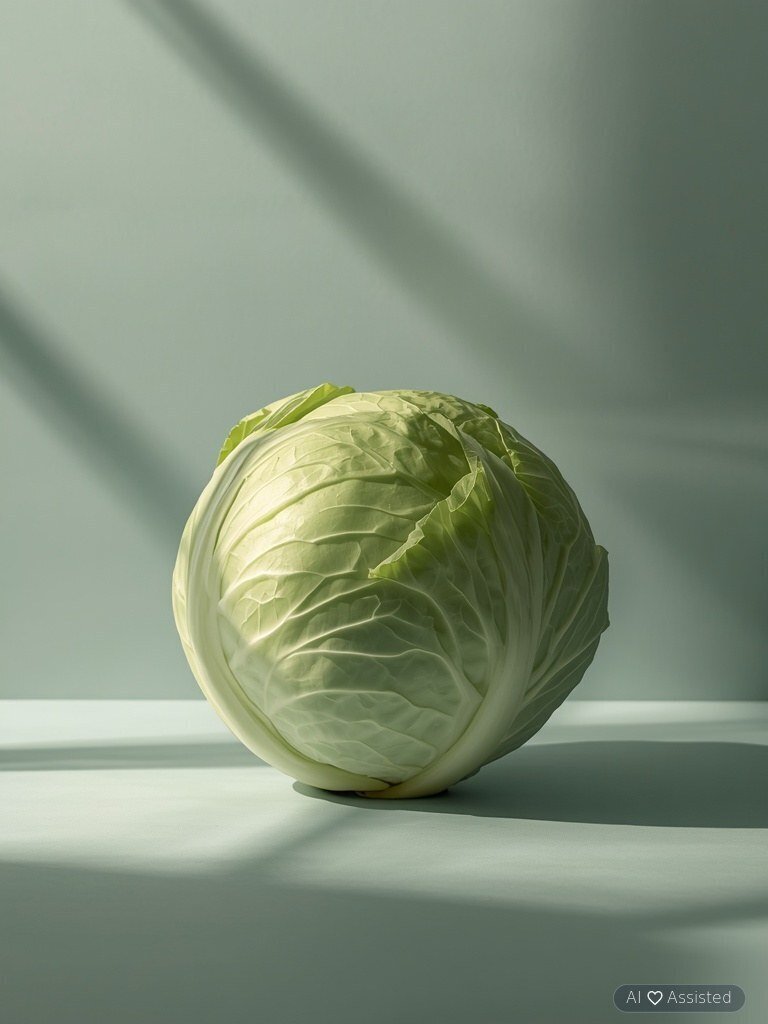
Cabbage is frequently perceived as a difficult-to-digest, nutritionally inferior vegetable—a misconception that warrants thorough examination from the outset. In reality, regardless of the specific cultivar, it is distinguished by an exceptionally low caloric density: a 100-gram serving contains merely 20 to 40 kilocalories. However, for a significant proportion of individuals, consumption of cabbage may trigger gastrointestinal discomfort, including bloating, even when the dish is prepared without added fats. To mitigate potential digestive disturbances, it is advisable to cook the vegetable until thoroughly tender and to incorporate digestion-enhancing herbs and spices into meals—particularly marjoram, fennel, turmeric, and ginger root, whose beneficial properties are extensively documented in dietary research.
Comprehensive Guide to Cabbage Varieties: Nutritional Profiles and Distinctive Traits
All cabbage cultivars represent a rich reservoir of essential vitamins, indispensable minerals, and trace elements that play a pivotal role in sustaining vital physiological processes. The most widely consumed varieties include: **red cabbage** – distinguished by its subtly sweet yet earthy flavor profile and an elevated concentration of health-promoting antioxidative compounds, which not only impart its vivid pigmentation but also contribute to cellular protection against oxidative stress; **Savoy cabbage** – diverging from conventional white cabbage through its deeply crinkled, slightly textured leaves and a more pronounced, mildly peppery taste; **spring cabbage (young cabbage)** – a white cabbage variant harvested during the spring months (May–June), notable for its gentler, occasionally faintly saccharine palate and a reduced propensity to induce gastrointestinal discomfort; **Napa cabbage (Chinese cabbage)** – the most delicate of all cabbage types, characterized by its featherlight structure, understated flavor, and a markedly lower capacity to provoke bloating compared to other brassica cultivars.
Nutritional and Health-Promoting Properties of Cabbage: Vitamins, Sulforaphane, and Fermentation
Regardless of the specific cultivar selected, all varieties of cabbage (Brassica oleracea) represent an outstanding source of essential micronutrients, particularly vitamin C and vitamin K. A single 100-gram serving of fresh cabbage can furnish up to 40–50% of the daily adult requirement for ascorbic acid, acting as a potent scavenger of free radicals and stimulating endogenous collagen synthesis. The remarkable concentration of phylloquinone (vitamin K1) plays an indispensable role in hepatic synthesis of prothrombin and coagulation factors (II, VII, IX, X), ensuring normal hemostasis, while simultaneously directing calcium deposition into bone matrix via osteocalcin carboxylation to support bone mineral density.
Furthermore, cruciferous vegetables are distinguished by high levels of glucosinolates, specialized sulfur-containing glycosides. When plant cells are sliced, chewed, or crushed, the endogenous enzyme myrosinase converts glucosinolates into bioactive isothiocyanates and indoles, most notably sulforaphane and indole-3-carbinol. Extensive oncological and biochemical studies confirm that these compounds stimulate phase II hepatic detoxification enzymes, protect cellular DNA against mutagens, and exhibit profound anti-inflammatory properties.
Cabbage also represents an ideal substrate for lactic acid fermentation. Traditional sauerkraut preserves virtually all thermolabile vitamins while synthesizing beneficial lactic acid, short-chain fatty acids, and vibrant probiotic populations of Lactobacillus and Leuconostoc bacteria that nourish the gut microbiome. While white cabbage delivers a robust, peppery profile, savoy cabbage offers delicate tenderness with lower bloating potential, and red cabbage boasts an exceptional payload of cyanidin anthocyanins, delivering superior vascular protection and antioxidant activity.
White cabbage culinary applications – traditional recipes and dietary considerations
White cabbage serves as a fundamental ingredient in numerous traditional dishes, including fermented specialties such as sauerkraut and pickled cucumbers, as well as hearty vegetable-based soups. Of particular note is the so-called "cabbage diet," which, owing to its detoxifying properties, supports the body’s natural cleansing processes—primarily through the consumption of cabbage soup enriched with onions, celery stalks, and tomatoes. Nutritionists caution, however, that this regimen should not be followed for more than three days, as prolonged adherence may result in deficiencies of critical vitamins (such as those in the B complex) and minerals (including magnesium and iron). Beyond its dietary applications, white cabbage excels as a crisp, flavorful base for fresh coleslaws. Furthermore, for many connoisseurs, classic stuffed cabbage rolls—filled with minced meat and rice—are inseparably linked to the tender cabbage leaves that provide both structural integrity and an essential layer of flavor; alternative versions of the dish that omit cabbage leaves are often dismissed by purists as less authentic.
Therapeutic applications of cabbage: harnessing its properties for external and internal treatment
Cabbage, abundant in sulfur compounds and zinc, exhibits exceptional regenerative properties for the skin, making it a valuable component in home-based therapeutic applications. Its external use extends to alleviating symptoms of frostbite, sunburns, thermal burns, and aiding in the treatment of acne as well as certain dermatological conditions such as lichen planus. Preparing a cabbage compress involves initially softening the leaves through brief immersion in hot water, which facilitates the removal of the thicker central veins and allows for gentle crushing to release active compounds. It is advisable to replace the compress once the leaves lose their pliability and are no longer capable of transferring beneficial nutrients. Furthermore, cabbage serves as an adjunct remedy for joint discomfort—both as a poultice and as a homemade cabbage oil, prepared by blending freshly extracted cabbage juice with olive oil in equal proportions. This preparation demonstrates warming, anti-inflammatory, and cleansing properties, potentially complementing conventional physiotherapeutic approaches. However, it is crucial to note that cabbage—being a plant with a high capacity for absorbing substances from the soil—may contain harmful residues such as pesticides or heavy metals. Therefore, the optimal solution is to cultivate it personally or procure it from trusted suppliers who employ organic farming practices. Regular consumption of cabbage also contributes to improved digestive function, supports gut microbiota due to its natural prebiotic content, and exhibits antioxidant potential, protecting cells from oxidative damage.

Sophia Williams
✓Diets Premium Expert
Diets Premium team expert. Specializes in nutrition plans, strength sports, and training plans.
View Profile →