PRO
CLINICAL KNOWLEDGE MAGAZINE
6 min read
White Mulberry as an Aid in Weight Reduction and Diabetes Care

Alicja Kowalska
✓
Diets Premium Medical Expert • 15.03.2026
Smart Voice
Listen to the article content live
✓
Scientifically reviewed by a clinical dietitian:
This article has been peer-reviewed for adherence to IŻŻ, WHO, and PTGiP clinical nutritional standards.
| CLINICAL KNOWLEDGE MAGAZINE CLINICAL KNOWLEDGE MAGAZINE | min read 6 min |
| Diets Premium Medical Expert Alicja Kowalska | Scientifically reviewed by a clinical dietitian 15.03.2026 |

Key Takeaways
White mulberry is a plant whose consumable fruits are employed as a fever-reducing, diuretic, and lactogenic agent. Nonetheless, the leaves of this plant possess the capability to decrease blood sugar levels by diminishing the absorption of carbohydrates in the intestines and augmenting insulin secretion.
Meal Plan
Want to apply these guidelines in your daily diet?
Our smart diet generator creates a tailored meal plan in 3 minutes based on the recommendations in this article.
PRO Content
PRO
This article is professional premium content (PRO) provided in its entirety.
Characteristics of the white mulberry tree
The white mulberry tree is a deciduous tree belonging to the mulberry family. It originates from China but is now found in many countries across different continents such as Africa, South America, North America, and the Pacific Islands. The leaves of this tree serve as food for silkworms, which use them to produce natural silk. The white mulberry tree is a tall tree that can reach up to 15 meters in height. Its fruits resemble blackberries and come in various varieties, including black, pink, purple, and red. However, the most common variety is the white mulberry tree. The fruits of the white mulberry tree are edible and have a sweet taste, making them an excellent addition to various dishes such as oatmeal and granola. Various preserves such as jams, marmalades, juices, liqueurs, and jellies can also be prepared from the fruits of the white mulberry tree.
White Mulberries – Nutritional Value
White mulberries are distinguished by their high content of simple sugars, such as glucose, fructose, maltose, and sucrose. In traditional Chinese medicine, mulberries are used as natural cleansing agents for the body, mainly due to their diuretic effect. The fruits also contain large amounts of vitamins and minerals that have a positive impact on our body. In white mulberries, we can find: - Vitamin A, - Vitamins of the B group (Thiamine, Riboflavin, Pyridoxine, and Niacin), - Vitamin C, - Calcium, - Iron, - Copper, - Chromium, - Potassium, - Phosphorus, - Magnesium, - Zinc, - Manganese, - Anthocyanins, - Alkaloids, - Amino acids. In 100 g of fresh white mulberries, we can find: around 320 kcal, 10.7 g of protein, 1.8 g of fat, and 78.6 g of carbohydrates. This fruit is also an excellent source of fiber – in 100 g, we can find as much as 14.3 g. Due to their rich nutrient content, mulberries have been used in folk medicine for a long time. The content of individual vitamins and minerals varies depending on the form of the fruit – fresh or dried. Fresh fruits are a source of Vitamin C, Calcium, and Iron. Dried white mulberries, however, contain more Vitamin B2, Iron, Chromium, and Copper.
Is it genuinely a white mulberry and does it possess any attributes?
Due to the presence of a large amount of antioxidants, consuming white mulberries can bring numerous health benefits, making it worthwhile to include them in one's daily diet. White mulberries have, among other things: – Diuretic properties, which facilitate the removal of unnecessary metabolic products from the body; – Regenerative properties; – Vision-enhancing properties; – Support in the treatment of high blood pressure; – Aid in the treatment of swelling; – Are valued for their flavorful qualities; – Have hypoglycemic effects, making them recommended for diabetics; – Reduce LDL, the so-called bad cholesterol, levels due to their antioxidant content; – Decrease the likelihood of heart disease; – Minimize the risk of atherosclerosis; – Assist in the weight loss process; – Contain Quercetin, which has a protective effect on cells, cell membranes, and DNA; – Protect the body from the harmful effects of free radicals; – Extracts from white mulberry leaves have anti-inflammatory properties and protect liver cells; – May have an anti-cancer effect; – Are used in traditional Chinese medicine to reduce fever; – Have antibacterial properties; – Assist in the treatment of gastric and duodenal ulcers; – Normalize heart function, especially in cases of arrhythmia; – May reduce the risk of Alzheimer's disease.
Aid in decreasing body weight
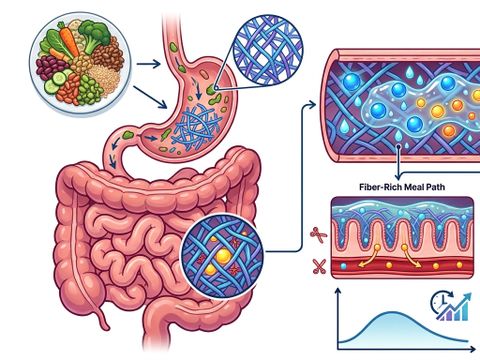
White Moravia has the ability to inhibit the activity of enzymes in the gut, including those that convert complex carbohydrates into simple sugars. As a result, carbohydrates are not absorbed as quickly from the digestive tract. This decreases the amount of fat that is deposited. Therefore, consuming white Moravia is recommended for individuals who are on reduction diets. Moravia should be a supplement to a well-balanced diet for the treatment of overweight and obesity. However, it should be remembered that without changing eating habits and increasing physical activity, it will not be possible to get rid of several unnecessary kilograms solely through the consumption of white Moravia fruits.
White mulberry in diabetes prevention and treatment
Credible sources suggest that the consumption of white mulberry may possess beneficial properties in the context of diabetes prevention and treatment. The reason for this is that fewer carbohydrates are absorbed by the gut, which means that less of them enter the bloodstream. The complex sugars present in the leaves of the white mulberry exhibit effects similar to those of anti-diabetic drugs. Therefore, due to its antihyperglycemic properties, it is recommended as a complement to diabetes treatment.
Availability of products containing white mulberry
Products containing white mulberry are available in various forms, including dietary supplements and dried fruits. The effectiveness of these products is a subject of debate, but dried fruits are perceived as the preferred option. Moreover, white mulberry is easily obtainable in most stores, especially in the healthy food sections. These products are beneficial in preventing and treating various diseases caused by unhealthy diets and lack of physical activity, such as type 2 diabetes, obesity, hypertension, atherosclerosis, certain cancers, intestinal inflammations, and allergies.
Alicja Kowalska
Diets Premium Medical Expert
Member of the Diets Premium clinical editorial board. Specializes in medical diet therapy, metabolic health, and nutritional planning.
View Profile →