The pancreas: Its pivotal role in human metabolic and digestive physiological processes
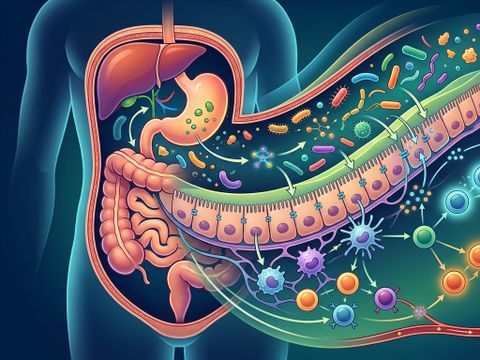
The pancreas serves as a dual-function organ that is indispensable for both digestive efficiency and metabolic homeostasis within the human body. Operating as an exocrine gland, it manufactures and secretes into the duodenum a suite of specialized hydrolytic enzymes—including amylase for polysaccharide cleavage, lipase for triglyceride emulsification, and proteases such as trypsinogen for peptide bond hydrolysis—thereby facilitating the conversion of complex macronutrients into absorbable monomers within the small intestine. Concurrently, its endocrine component, the islets of Langerhans, synthesizes and releases two antagonistic hormones: insulin, which promotes cellular glucose uptake and lowers blood sugar levels, and glucagon, which stimulates glycogenolysis and gluconeogenesis to elevate glycemia. This exquisite interplay between exocrine digestive functions and endocrine regulatory mechanisms positions the pancreas as a linchpin organ whose dysfunction—manifesting in conditions like type 1 diabetes mellitus or chronic pancreatitis—disrupts systemic metabolic equilibrium (see Konturek, *Clinical Gastroenterology*, 2019 edition).
Nutritional components that optimize pancreatic performance in daily dietary regimens
A well-balanced nutritional approach centered on high-quality, minimally processed food sources serves as the cornerstone for sustaining both physical and mental well-being. Of particular significance is the deliberate selection of dietary components that demonstrate evidence-based benefits for specific organ systems—including the pancreas, an organ critical to glucose metabolism regulation and lipid digestion. Emerging research suggests that a distinct category of foods, when incorporated consistently into one’s diet, may contribute to maintaining or enhancing its physiological function, a consideration of importance in both preventive contexts and as adjunctive support for pre-existing functional impairments.
Turmeric (*Curcuma longa*): The golden spice of Asian traditional medicine with empirically validated health benefits
This remarkable member of the ginger family (*Zingiberaceae*) has been revered for centuries in both culinary and traditional medicinal practices due to its exceptional anti-inflammatory properties. Emerging scientific evidence substantiates that consistent dietary incorporation of turmeric may play a pivotal role in mitigating pancreatic damage while promoting the organ’s optimal physiological function. The primary bioactive compound underpinning these therapeutic effects is curcumin—a polyphenolic phytochemical with well-documented antioxidant and immuno-modulatory capacities. The molecular mechanisms through which curcumin exerts its benefits include the inhibition of pro-inflammatory signaling pathways (such as NF-κB), thereby attenuating oxidative stress within pancreatic tissue. Furthermore, preliminary clinical observations suggest that curcumin may enhance regenerative processes in β-cells of the islets of Langerhans, a finding of particular relevance to type 2 diabetes prevention strategies. Whether consumed as fresh rhizome, powdered spice, or standardized extract, the integration of turmeric into daily dietary patterns not only imparts a distinctive, subtly bitter flavor profile to dishes but—more critically—offers an evidence-based, accessible means of supporting the homeostatic balance of one of the digestive system’s most vital organs: the pancreas (Zheng et al., 2018; consolidated findings from clinical meta-analyses).
The green vegetable with scientifically validated health benefits: broccoli
Broccoli serves as a rich dietary source of sulforaphane—a biologically active compound that enhances the activity of detoxification enzymes within the body, thereby contributing to a measurable reduction in the risk of developing malignancies, including highly aggressive forms of pancreatic cancer. Furthermore, owing to its potent antioxidant capacity and its ability to modulate inflammatory responses, this vegetable plays a pivotal role in maintaining tissue homeostasis within this organ. Nutrition researchers, including the team led by Dr. Georgikou (2020), emphasize that consistent consumption of broccoli—whether incorporated raw into salads or following thermal processing (e.g., as a key ingredient in creamy soups or main courses)—may represent a critical component in the prevention of inflammation-driven chronic diseases.
Bilberries: Pancreatic health and metabolic support through antioxidant and anti-inflammatory mechanisms
Bilberries represent a potent source of bioactive compounds, particularly flavonoids within the polyphenol class, which exhibit robust antioxidant and anti-inflammatory properties, thereby safeguarding pancreatic tissue from oxidative stress-induced degradation and inflammatory damage. Owing to their low glycemic index, consistent consumption of these berries facilitates the maintenance of balanced blood glucose levels, thereby alleviating functional strain on the pancreas while promoting optimal insulin synthesis. Furthermore, the active constituents in bilberries contribute to enhanced vascular elasticity and microcirculation within the pancreatic region, resulting in improved perfusion and nutrient delivery to this organ. Consequently, the regular dietary inclusion of bilberries may facilitate pancreatic cellular regeneration, mitigate the risk of inflammatory conditions, and serve as a preventive measure against metabolic disorders such as insulin resistance and type 2 diabetes (Nunes et al., 2021).
Sweet Potatoes: Multifaceted Support for Pancreatic Health
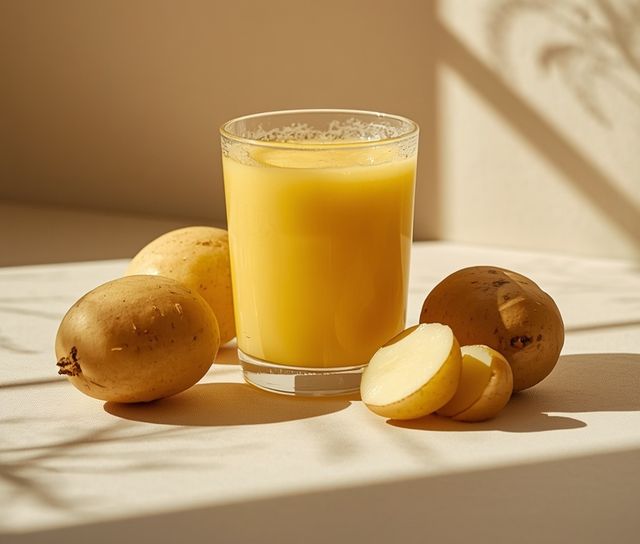
Sweet potatoes, scientifically classified as *Ipomoea batatas*, demonstrate substantial potential in safeguarding and restoring pancreatic function owing to their distinctive nutritional composition. Notably, they serve as a rich reservoir of antioxidant compounds—including high concentrations of ascorbic acid (vitamin C) and beta-carotene (a vitamin A precursor)—which effectively counteract oxidative stress within glandular tissues. Such stress is a well-documented precursor to inflammatory responses and metabolic dysregulation, including the onset of insulin resistance (Escobar-Puentes et al., 2022). Emerging clinical evidence further suggests that bioactive extracts derived from sweet potatoes may modulate glucose metabolic pathways, thereby facilitating the repair of damaged islet cells in individuals diagnosed with type 2 diabetes. This restorative mechanism operates through enhanced endogenous insulin biosynthesis alongside improved peripheral tissue sensitivity to insulin, collectively fostering more stable glycemic control (Arisanti et al., 2023).
Atlantic salmon: A nutrient-dense food supporting pancreatic health
Salmon represents one of the most valuable sources of polyunsaturated omega-3 fatty acids, compounds that play an indispensable role in maintaining optimal pancreatic function. Extensive scientific evidence demonstrates that these bioactive molecules effectively lower inflammatory biomarkers throughout the body, provide robust antioxidant protection for internal organ cells, and actively promote the regeneration of damaged tissue structures. Furthermore, consistent consumption of salmon has been shown to enhance tissue sensitivity to insulin—a physiological mechanism of paramount importance in both the prevention and adjunctive management of insulin resistance and type 2 diabetes, as substantiated by the 2016 research findings of Lalia and Lanza. Beyond its lipid profile, salmon flesh constitutes an exceptional source of complete, high-biological-value protein essential for cellular repair processes, while also delivering substantial quantities of vitamin D (a critical regulator of metabolic pathways), vitamin A (which maintains mucosal membrane integrity), and selenium—a trace element with well-documented immunomodulatory and pancreato-protective properties, as corroborated by Chen et al.'s 2022 investigations.
Food items with documented adverse effects on pancreatic function: a comprehensive list of harmful dietary components
The pancreas performs indispensable metabolic and digestive functions while simultaneously exhibiting heightened vulnerability to damage induced by poor dietary choices. Chronic consumption of specific food categories may impose sustained stress on this organ, thereby fostering inflammatory conditions, impaired insulin secretion, and other health complications. This analysis pinpoints the primary groups of food items whose elimination or substantial reduction may facilitate the preservation of optimal pancreatic health
Fast-food products: a strain on pancreatic health
The consumption of highly processed fast-food items, which are abundant in harmful trans fats and saturated fatty acids, imposes substantial stress on pancreatic function. This organ, compelled to operate at an elevated capacity, must generate an excess of digestive enzymes, a condition that—when sustained over time—may precipitate the onset of chronic inflammatory states. Progressive structural and functional damage to the pancreas consequently impairs its ability to synthesize both digestive enzymes and insulin, the hormone critical for carbohydrate metabolism regulation. The resultant dysfunctions may manifest as severe digestive disorders and disturbances in glucose homeostasis, as corroborated by research conducted by G. García-Rayado and colleagues in 2020.
Ethanol and its impact on the pancreatic system: toxicological mechanisms and health consequences
Chronic consumption of alcoholic beverages represents a significant pathogenic factor for the structural and functional integrity of the pancreas, inducing both acute and chronic pathological conditions. This compound exerts direct cytotoxic effects on glandular cells, triggering inflammatory responses (acute pancreatitis) that, with sustained abuse, progress to permanent fibrotic tissue damage. Prolonged exposure further accumulates the risk of neoplastic transformation within the organ. Additionally, ethanol disrupts glycemic homeostasis by impairing the synthesis and secretion of insulin and glucagon, thereby predisposing individuals to insulin resistance, type 2 diabetes mellitus, and other metabolic dysfunctions associated with the endocrine activity of the pancreas — findings corroborated by clinical research, including the 2023 study by Becker et al.
High-sugar confections and sweetened beverages: metabolic and pancreatic health hazards
Excessive intake of simple sugars—ubiquitous in confectionery products, carbonated soft drinks, high-fructose fruit juices, and a myriad of processed food items—exerts a deleterious effect on pancreatic physiology. The abrupt postprandial spikes in blood glucose concentrations triggered by these products compel the pancreas to engage in hypersecretion of insulin to rapidly normalize glycemic levels. Chronic exposure to such metabolic fluctuations may progressively deplete the organ’s secretory capacity, foster the development of cellular insulin resistance, and ultimately induce parenchymatous damage within the pancreas. Furthermore, sustained hyperinsulinemia promotes lipogenic pathways, thereby facilitating adipose tissue accumulation—a key predisposing factor for obesity and its associated pancreatic pathologies, including pancreatitis and type 2 diabetes mellitus (see Monda A. et al., *Clinical Diabetology*, 2024).
Ultra-processed meat products: hazards to pancreatic function and metabolic equilibrium
Scientific evidence demonstrates that heavily processed meat items—including sausages, hot dogs, and industrially manufactured cold cuts—contain an array of synthetic preservative compounds, most notably nitrites and nitrates, whose chronic ingestion may exert deleterious effects on pancreatic cellular integrity (Sun Y. et al., 2023). Moreover, these products are distinguished by elevated concentrations of saturated fatty acids and sodium, thereby imposing supplementary strain upon the digestive system. The heightened levels of these constituents compel the pancreas to operate at an elevated capacity during digestion, a phenomenon that—when sustained over prolonged periods—may precipitate inflammatory conditions within the organ. Habitual consumption of ultra-processed meat has also been epidemiologically linked to an augmented susceptibility to metabolic dysfunctions, including insulin resistance and type 2 diabetes mellitus (Moradi S. et al., 2021).
Tobacco-based products: cigarettes, cigars, rolling tobacco, and related items
The persistent use of tobacco products represents a well-documented and clinically significant risk factor for both functional impairment and structural damage to the pancreatic tissue. Constituents of tobacco smoke—most notably nicotine, tar compounds, and a multitude of carcinogenic agents—exert a profoundly deleterious effect on the glandular cells of the digestive system, accelerating inflammatory responses and promoting degenerative changes. Prolonged smoking has been epidemiologically linked to the onset of chronic pancreatitis as well as an elevated susceptibility to malignant pancreatic neoplasms. Notably, nicotine dependence compromises the body’s intrinsic repair mechanisms, thereby impeding the regeneration of damaged pancreatic parenchyma (as demonstrated in research by Molina-Montes et al., 2020). Whether consumed in excess or as part of routine habits, these products—regardless of their specific form—may contribute to cumulative metabolic dysfunctions and oncological pathologies. A comprehensive preventive approach necessitates the cessation of tobacco use alongside the adoption of a nutrient-dense dietary pattern emphasizing high-quality proteins, polyunsaturated fatty acids, dietary fiber, and antioxidant-rich vegetables.
The impact of consistent physical exercise on pancreatic function and metabolic disease prevention
Consistent engagement in physical activity plays a pivotal role in sustaining optimal pancreatic health, enhancing its physiological functions while substantially reducing the likelihood of severe metabolic disorders. Maintaining a balanced body weight through structured exercise regimens serves as a critical preventive measure, as excessive adiposity—particularly visceral fat accumulation—significantly elevates susceptibility to insulin resistance, type 2 diabetes mellitus, and both acute and chronic inflammatory conditions within this gland. Furthermore, a combination of aerobic and resistance training modalities contributes to enhanced tissue sensitivity to insulin—a hormone integral to carbohydrate metabolism regulation—thereby alleviating the functional burden on pancreatic β-cells within the islets of Langerhans. An additional protective mechanism involves the stimulation of microcirculation, which facilitates improved vascular perfusion and delivery of essential nutrients and oxygen, thereby supporting regenerative processes. Moreover, moderate yet sustained physical activity exhibits anti-inflammatory properties by lowering circulating levels of pro-inflammatory cytokines. Current evidence, including findings from the 2024 study led by Prof. P. Małkowska, suggests that selecting exercise modalities tailored to individual fitness levels yields optimal benefits, with low-to-moderate intensity activities—such as brisk walking, structured swimming, flexibility training incorporating yoga elements, or leisurely cycling—proving particularly advantageous.