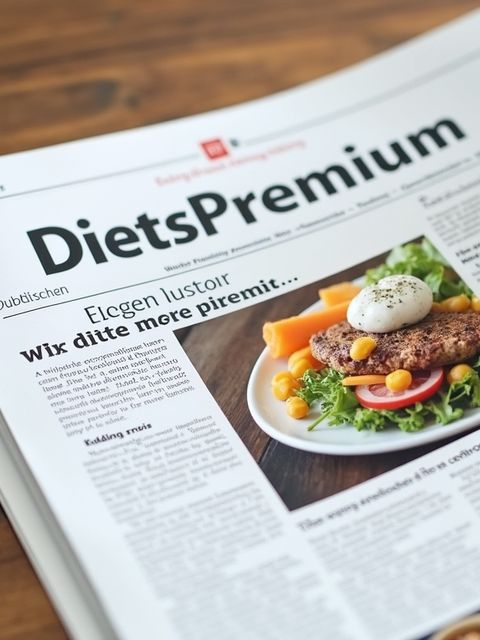
Dietary components with anti-inflammatory and pro-inflammatory properties: how nutrition modulates chronic inflammatory conditions

David Janitzek
2026-05-19
6 min. read


1 / 1
10
views
1 zdjęcie
Chronic and recurrent inflammatory responses within the body pose a significant threat to overall health, as they contribute to the development of numerous pathological conditions, including metabolic disorders such as diabetes, cardiovascular diseases, neurodegenerative ailments, and malignant neoplasms. The severity of inflammatory processes can be modulated depending on the nutritional components consumed through diet. Consequently, a deliberate and informed approach to meal planning—one that prioritizes foods with empirically supported anti-inflammatory properties while minimizing intake of those that may exacerbate inflammation—represents a cornerstone of both preventive healthcare strategies and adjunctive therapeutic interventions.
Inflammatory condition
Inflammation is a natural multi-stage process that develops in tissues under the influence of various harmful factors: physical, chemical, and biological (bacteria and viruses). The inflammatory process therefore varies in course depending on the factor. It is intended to bring the body into balance by defeating infection, repairing damage, or eliminating pathogens. Inflammatory associates are very often affected by elevated temperature, tissue bleeding, local inflammation, swelling, rash, excretion, bone loss, increased anti-inflammation and CPR, and it may also lead to changes in the body's active ingredients (e.g. inflammation of the skin, inflammation... etc.). In this case, if the amount of fat and fat in the diet is greater than or equal to the weight of the body, then the value of the product must be taken into account.
You have started reading a PRO article
You can preview the first chapter. To read the complete article and unlock all content, upgrade to a PRO account.
Tags