Czy ten trunek kwalifikuje się jako piwo, wino, mocny alkohol – a może umiarkowane spożycie może przynieść korzyści zdrowotne?

| Ekspert Diets Premium Kacper Nowak | min czytania 8 min | Zweryfikowane merytorycznie przez dietetyka klinicznego 23.10.2026 |
Odtwarzacz głosowy
•Odsłuchaj treść artykułu na żywo
Choć powszechnie znane są negatywne konsekwencje nadmiernego spożycia alkoholu dla ludzkiego organizmu, badacze oraz lekarze podkreślają, że jego umiarkowane i świadome używanie nie tylko nie musi prowadzić do uszczerbku na zdrowiu, lecz wręcz może wywierać korzystny wpływ na niektóre aspekty funkcjonowania ustroju. Ponadto, etanol znajduje szerokie zastosowanie w dziedzinie medycyny – jako składnik leków czy środek dezynfekujący – a także w przemyśle, jednakże to jego rola jako napoju o wyrafinowanym smaku i aromacie cieszy się największym uznaniem wśród konsumentów na całym świecie.
Chcesz wdrożyć te zasady w codziennej diecie?
Nasz inteligentny generator ułoży dla Ciebie zbilansowany jadłospis w 3 minuty, uwzględniając zalecenia z tego artykułu.
Ten artykuł jest profesjonalnym materiałem merytorycznym (PRO) udostępnionym w całości.
Beer and health: polyphenolic compounds versus alcohol toxicity
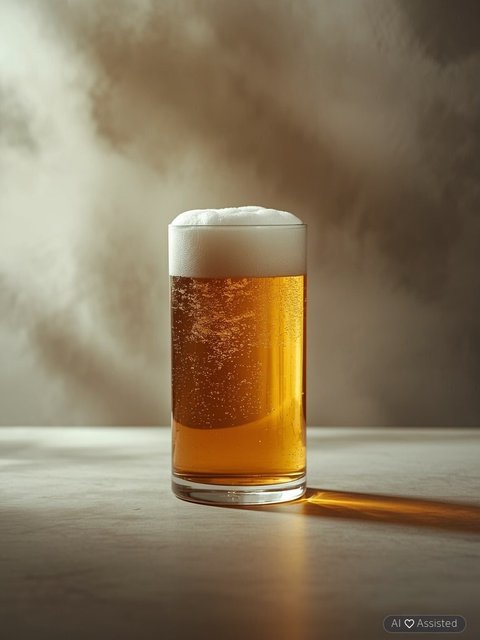
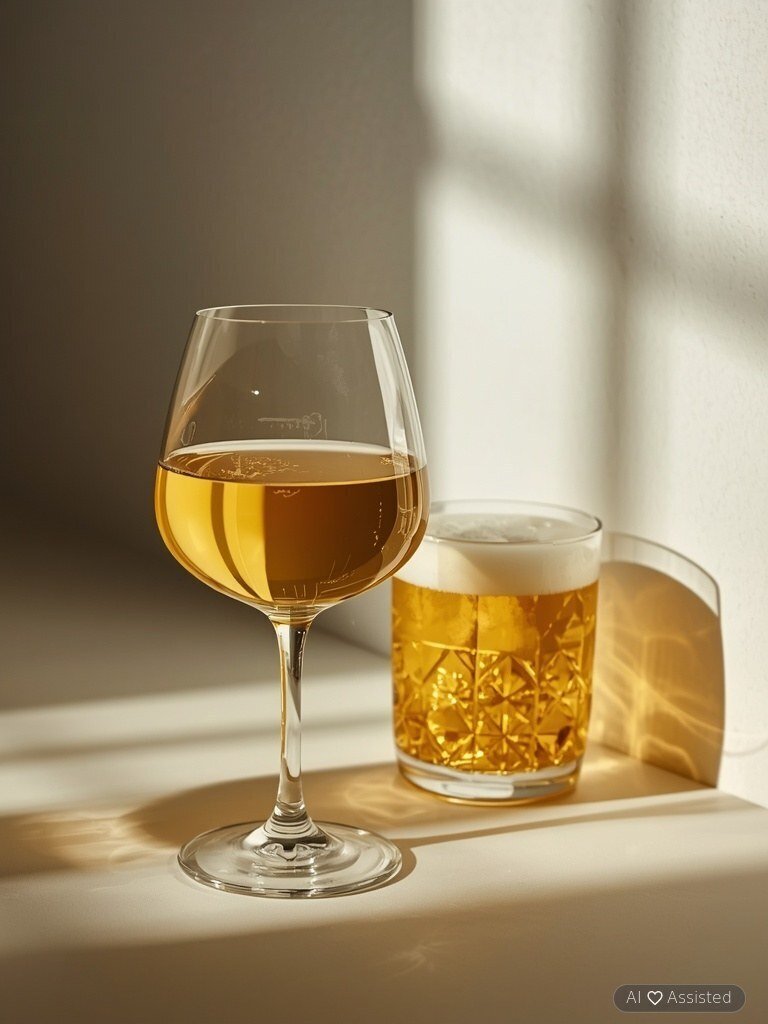
Beer, as a fermented beverage with millennia of tradition, contains micronutrients of verified biological merit: B-complex vitamins, potassium, magnesium, soluble dietary silicon, and hop polyphenols such as xanthohumol. These phytochemicals exert antioxidant actions and support vascular elasticity. However, these putative advantages are largely countered by the metabolic consequences of ethanol. Alcohol imposes hepatic strain, induces dehydration, and drives visceral adiposity. Regular intake must be severely constrained, with 0.0% dealcoholized beer offering the only risk-free alternative.
Health aspects of wine, resveratrol, and the French paradox
Red wine commands significant scientific interest because it undergoes fermentation with grape skins and seeds, delivering a substantial polyphenolic concentration (1,000–4,000 mg/L compared to 200–300 mg/L in white wine). The premier compound is trans-resveratrol, a potent antioxidant that inhibits LDL lipid peroxidation, activates longevity-associated sirtuin enzymes, and promotes vascular endothelial nitric oxide production—forming the basis of the 'French paradox.' Nonetheless, clinicians caution that ethanol remains a verified Class 1 carcinogen, and wine consumption should never be initiated for therapeutic cardioprotection.
Traditional herbal tinctures, botanical extracts, and clinical moderation
Therapeutic herbal tinctures and fruit elixirs represent a classical galenic formulation within traditional botanical medicine. Ethyl alcohol (40–70% concentration) serves as a superior extraction solvent that draws out water-insoluble phytochemicals—such as essential oils, botanical resins, lipophilic flavonoids, and specific alkaloids—while ensuring long-term antimicrobial preservation. Formulations such as hawthorn (cardiotonic), chokeberry (vascular), or green walnut (digestive) tinctures are prescribed strictly in drop or teaspoon measures (5–15 ml) rather than consumed as social beverages. Any excessive consumption precipitates severe organ toxicity and addiction.

Kacper Nowak
✓Ekspert Diets Premium
Ekspert zespołu Diets Premium. Specjalizuje się w planach żywieniowych, sportach siłowych oraz planach treningowych.
Zobacz profil →